
-
Centre of Excellence
Specialties
Treatments and Procedures
 HyderabadCARE Hospitals, Banjara Hills CARE Outpatient Centre, Banjara Hills CARE Hospitals, HITEC City CARE Hospitals, Nampally Gurunanak CARE Hospitals, Musheerabad CARE Hospitals Outpatient Centre, HITEC City CARE Hospitals, Malakpet
 Raipur
 Bhubaneswar
 Visakhapatnam
 Nagpur
 Indore
 Chh. Sambhajinagar
 Clinics & Medical Centers


-

-

-

-

-

-
Follow Us

Best Hospital for Microvascular Decompression Surgery in Hyderabad
- Advanced Technology
- Shorter Hospital Stay
- Pre & Post-Operative Care
- All Insurance Accepted

Chat With Our Experts
Get second opinion on Whatsapp
25 lakhs+
Happy Patients
Experienced and
skilled surgeons
17
Health Care Facilities
Top most Referral Centre
for Complex Surgeries
Advanced Microvascular Decompression Surgery
Microvascular decompression surgery brings quick relief to patients with facial nerve conditions. The surgery moves or removes blood vessels that press against cranial nerves. Doctors use it mainly to treat conditions like trigeminal neuralgia. The surgery works great right away, with the majority of patients feeling better immediately.
This article gets into MVD surgery recovery times, possible complications, and why good surgical planning helps patients who want this life-changing procedure.
Why CARE Group Hospitals is Your Top Choice for Microvascular Decompression Surgery in Hyderabad
CARE Hospitals achieves remarkable results in microvascular decompression (MVD) surgery. Our skilled neurosurgeons use state-of-the-art technology to treat nerve-related conditions that need surgery. The success rates remain high with minimal complications.
The hospital's vascular surgery department has highly skilled surgeons who handle blood vessel problems and lymphatic system disorders expertly. Our experts want to bring patients back to full health through team-based approaches and research-backed treatments.
State-of-the-Art Surgical Innovations at CARE Hospital
CARE Hospitals has lifted its services by bringing in state-of-the-art robot-assisted surgery technologies. They now use the Hugo and Da Vinci X Robotic systems. We also offer:
- 3D Vision with Camera Zoom: Shows detailed views of the surgical area
- Advanced Imaging: High-resolution CT and MRI scans help make a precise diagnosis
- Intravascular Ultrasound: Provides up-to-the-minute imaging during surgery
- Open Console Design: Let surgeons stay close during procedures
Best Microvascular Decompression Surgery Doctors in India





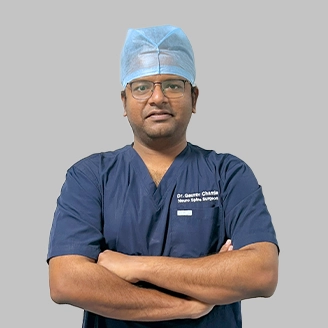

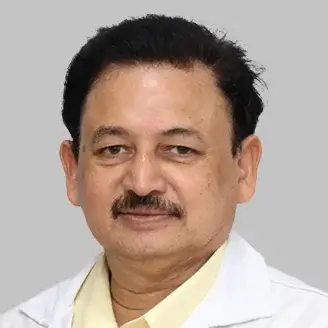

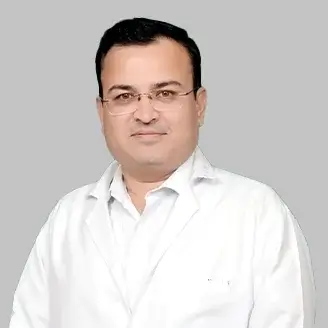

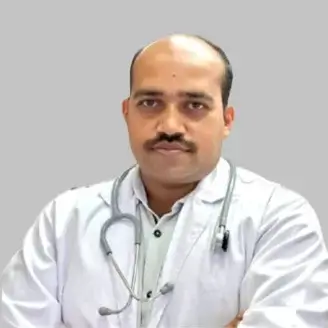



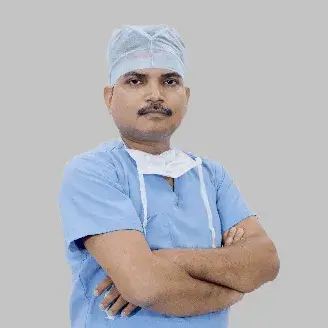
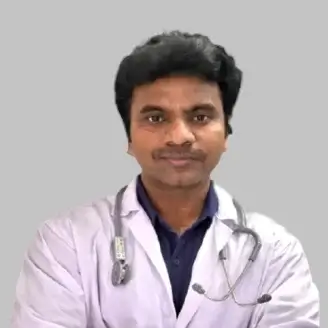
Indications for Microvascular Decompression Surgery
CARE Hospitals' MVD surgery helps several painful nerve conditions:
- Trigeminal Neuralgia: Sharp facial pain when blood vessels press against the trigeminal nerve
- Hemifacial Spasm: Face muscles twitch involuntarily due to nerve compression
- Glossopharyngeal Neuralgia: Intense pain strikes the throat, tongue, and ear areas
Doctors suggest MVD when medicines don't work or cause side effects that patients can't handle.
Types of Microvascular Decompression Surgery Procedures
CARE's surgical approaches follow proven classification systems. Our surgeons place a small Teflon pad between the nerve and blood vessel to treat trigeminal neuralgia. This method keeps nerve function intact and relieves pain without causing numbness.
The surgery takes 2-3 hours. Patients usually stay in the hospital for 2-5 days based on how fast they recover. Microvascular decompression surgery for trigeminal neuralgia might be the most invasive option for these conditions, but it works best to fix why the pain happens. It causes minimal nerve damage and frees patients from pain & the need for constant medication.
Pre-surgery Preparation
- Before undergoing MVD surgery, patients require a thorough assessment. This evaluation involves MRI scans, CT imaging, and hearing tests.
- Doctors ask patients to stop blood thinners and anti-inflammatory medications 7 days before the procedure.
- The use of antibacterial shampoo helps lower infection risk.
- Patients must fast after midnight on their surgery day.
MVD Surgical Procedure
The surgery takes 2-4 hours under general anaesthesia.
- Surgeons create a small incision behind the ear and make a quarter-sized opening in the skull to direct their way to the affected nerve.
- They locate the compressing blood vessel and place a tiny Teflon sponge between the nerve and vessel to stop future contact.
- Some cases need a sling technique to move the vessel away from the nerve.
- After checking the surgical site, surgeons clean the incision area and suture it.
Post-Surgery Recovery
Patients usually spend 1-3 days in the hospital after MVD surgery. Pain relief often comes right away, but full recovery of symptoms might take several weeks. The recovery period includes managing incision pain, facial numbness, tiredness, and temporary changes in hearing.
Complications
The following are some common complications:
- Hearing loss
- Infection
- Facial weakness
- CSF leakage
- Cranial bleeding
- Stroke (rare)
Benefits of Microvascular Decompression Surgery
MVD shows great success with immediate pain relief in the majority of patients. Unlike other procedures, MVD keeps facial sensation without causing numbness. MVD fixes the root cause instead of just hiding symptoms.
Insurance Assistance for Microvascular Decompression Surgery
Insurance plans usually cover MVD surgery once medical necessity is confirmed. Our patient coordinators will help you figure out coverage details, including deductibles and costs.
Second Opinion for Microvascular Decompression Surgery
Seeking another doctor's opinion on MVD surgery is a wise choice. This lets a different skilled brain surgeon look at your diagnosis, MRI scans, and symptoms to check if MVD is your best choice. It helps to rule out other treatments, look at possible risks, and make sure you need surgery. Getting a second opinion also gives you peace of mind, makes you more sure about your treatment plan, and helps with better results in the long run.
Conclusion
Microvascular Decompression Surgery can change lives for patients who struggle with debilitating nerve conditions. Most patients feel immediate relief from their symptoms. CARE Hospitals combines exceptional surgical expertise with state-of-the-art technology, making it a trusted choice for patients who are considering MVD surgery.
A surgeon's skill affects outcomes by a lot. Doctors at CARE Hospitals perform these surgeries often, which plays a key role in their success. The hospital takes care of everything, looking after patients from start to finish—before, during, and after the operation. Recovery needs time and patience. Many patients call this procedure life-changing because it helps them live without constant pain and dependence on medication. MVD surgery offers hope and a way forward for those who tried other treatments without success.
Microvascular Decompression Surgery Hospitals in India
-
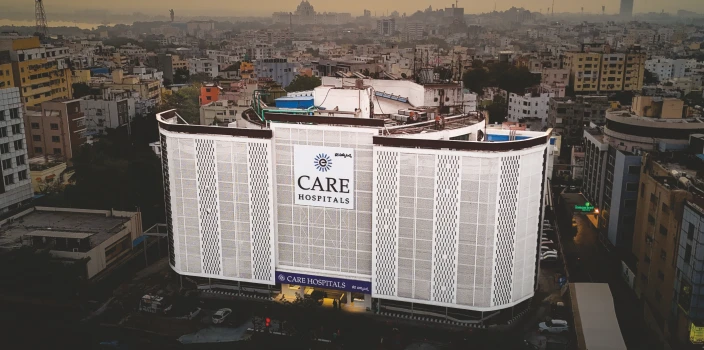
CARE Hospitals, Banjara Hills, Hyderabad
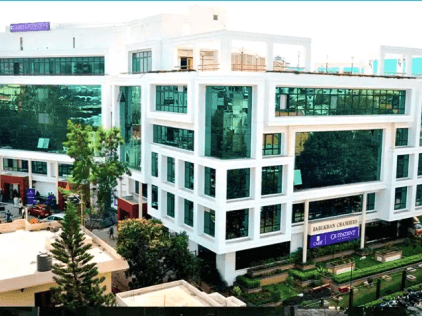
CARE Hospitals Outpatient Centre, Banjara Hills, Hyderabad
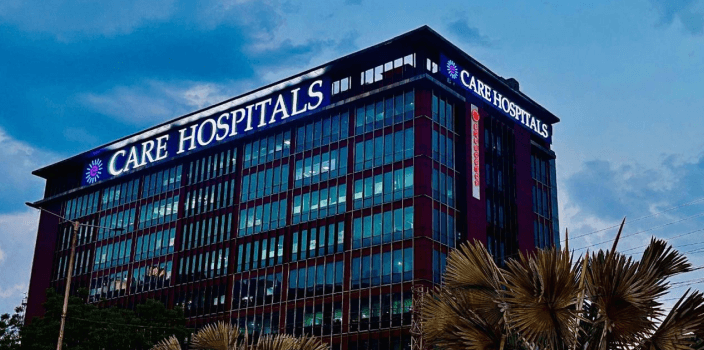
CARE Hospitals, HITEC City, Hyderabad
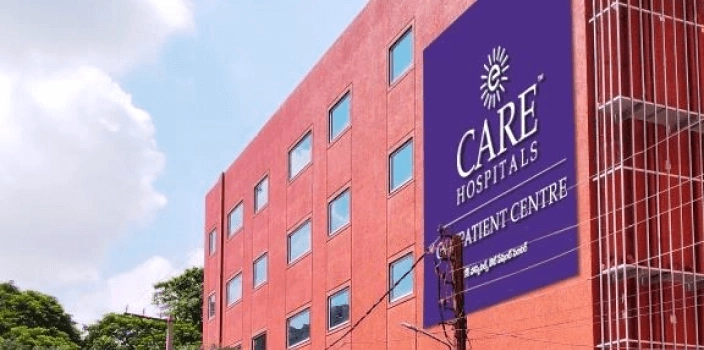
CARE Hospitals Outpatient Centre, HITEC City, Hyderabad
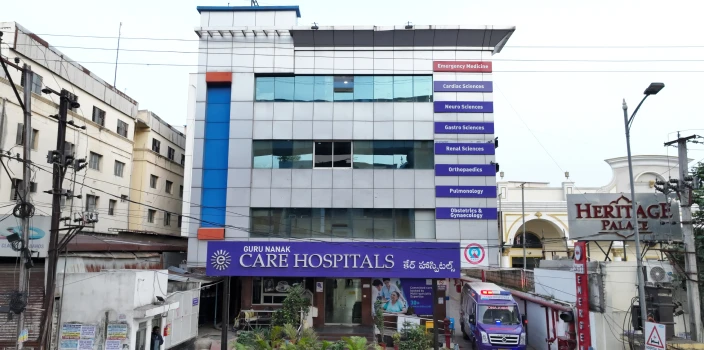
Gurunanak CARE Hospitals, Musheerabad, Hyderabad
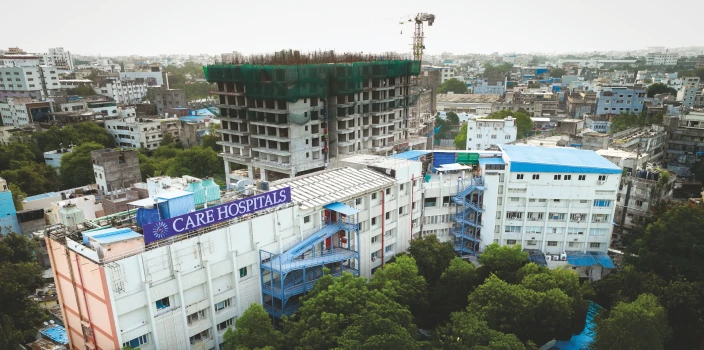
CARE Hospitals, Nampally, Hyderabad
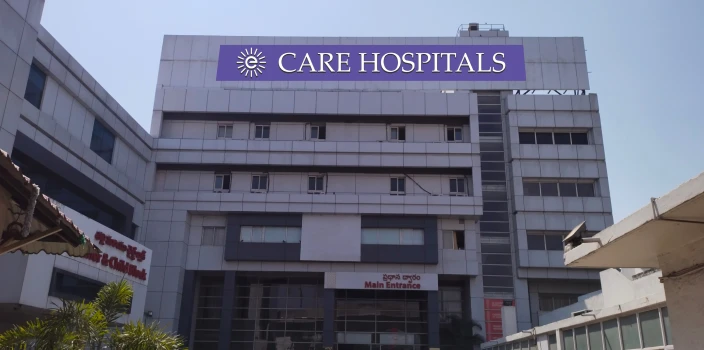
CARE Hospitals, Malakpet, Hyderabad
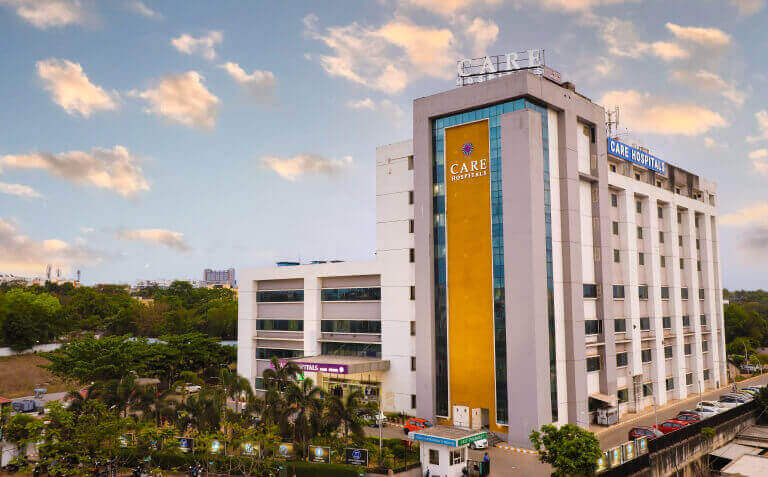
CARE Hospitals, Bhubaneswar
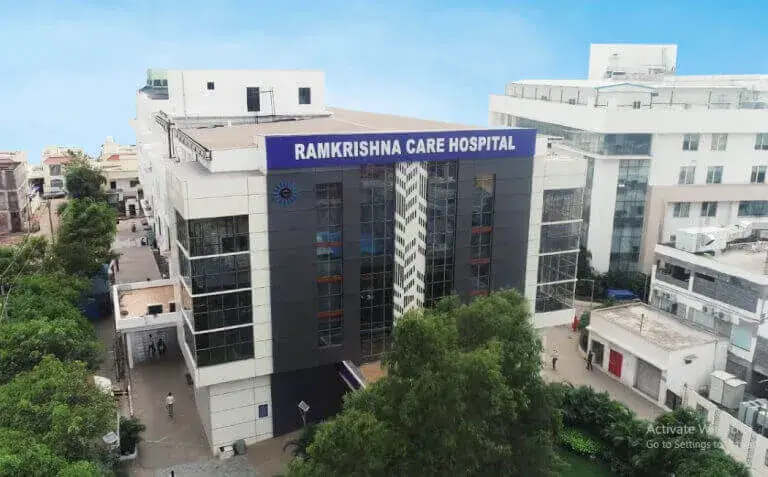
Ramkrishna CARE Hospitals, Raipur
CARE Hospitals, Ramnagar, Visakhapatnam
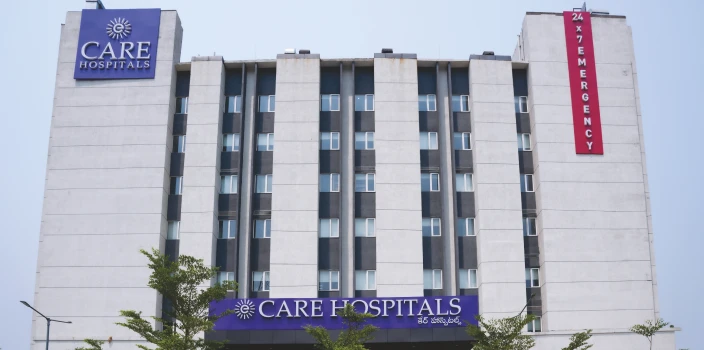
CARE Hospitals, Health City, Arilova
Frequently Asked Questions
Microvascular Decompression (MVD) helps treat facial pain or spasm by taking pressure off cranial nerves. The surgeon places a small sponge-like material between compressed nerves and nearby blood vessels. This surgery works well for conditions like trigeminal neuralgia, hemifacial spasm, and glossopharyngeal neuralgia when medications don't help anymore.
The pain after surgery feels different from the nerve pain that brought you to treatment. Your doctor will prescribe medication to manage any surgical pain while you are in the hospital and at home. Most patients feel immediate relief from their original nerve pain right after the procedure.
A typical procedure lasts 1-3 hours without complications. The surgery might take longer if you have:
- Multiple areas of nerve compression
- Compression sites that are hard to reach
- Different anatomical features
The possible risks include:
- Hearing loss
- Facial weakness
- Stroke
- Spinal fluid leak
- Infection
Patients usually stay in the hospital for 1-3 days. You will need 2-4 weeks to recover fully. Many people go back to work within two weeks. People with physically demanding jobs might need more time. Most patients recover completely within two months.
Your preparation should include these steps:
- Get imaging tests like MRI or MRA
- Stop taking blood thinners and anti-inflammatories 7 days before surgery
- Stay away from alcohol and nicotine for one week before and two weeks after
- Don't eat or drink anything after midnight before surgery
- Use antibacterial soap to wash your hair if your doctor recommends it
You can sit up soon after surgery. Many patients eat dinner with their family the same evening. Your recovery should mix rest with light activity. Short walks help build strength gradually.
Your preparation includes filling out medical history forms and consent documents. The medical team runs pre-surgery tests, including blood work and possibly an electrocardiogram. You will meet with the anesthesiologist to talk about sedation and get clear instructions about managing your medications.
The surgery happens under general anaesthesia and usually takes 2-3.5 hours. Your surgeon creates a small opening behind your ear to find the affected nerve and blood vessel. They place Teflon sponges carefully between them. A cranioplasty restores your skull's integrity afterward. You will stay completely asleep and won't feel anything during the procedure.
Yes, you will. Your first checkup happens 7 days after surgery. The surgeon checks your incision and looks for symptom improvements. Your medications might decrease gradually if the pain subsides.
Many patients sit up and enjoy dinner with their family on the surgery day. Short walks boost circulation—start with 5-10 minute walks twice daily.
Avoid:
- Heavy lifting (more than 5 kg)
- Bending your head downward
- Strenuous physical activities
- Driving until cleared by your surgeon
- Alcohol consumption and smoking
Still Have a Question?