
-
Centre of Excellence
Specialties
Treatments and Procedures
 HyderabadCARE Hospitals, Banjara Hills CARE Outpatient Centre, Banjara Hills CARE Hospitals, HITEC City CARE Hospitals, Nampally Gurunanak CARE Hospitals, Musheerabad CARE Hospitals Outpatient Centre, HITEC City CARE Hospitals, Malakpet
 Raipur
 Bhubaneswar
 Visakhapatnam
 Nagpur
 Indore
 Chh. Sambhajinagar
 Clinics & Medical Centers


-

-

-

-

-

-
Follow Us

Best Hospital for Skull Base Tumour Surgery in Hyderabad
- Advanced Technology
- Shorter Hospital Stay
- Pre & Post-Operative Care
- All Insurance Accepted

Chat With Our Experts
Get second opinion on Whatsapp
25 lakhs+
Happy Patients
Experienced and
skilled surgeons
17
Health Care Facilities
Top most Referral Centre
for Complex Surgeries
Advanced Skull Base Tumour Surgery
Skull base tumour surgery tackles some of the most complex conditions in neurosurgery. Meningiomas stand as the most common primary skull base tumours. Pituitary tumours and vestibular schwannomas show up less often. Skull base metastases are also a very common reason for the surgery. Endoscopic skull base surgery effectively removes tumours with minimal complications. The surgery time, recovery process, and success rates largely depend on tumour size & invasion and surgery type.
This article explains what skull base tumour surgery is, procedure specifics and what you can expect during recovery.
Why CARE Hospitals is Your Top Choice for Skull Base Tumour Surgery in HITEC City
CARE Hospitals stands out as the go-to destination for patients who need specialised treatment for neurological conditions. Patients from across the country choose this institution because of its exceptional neurosurgical expertise. CARE Hospitals delivers precise diagnosis and minimally invasive surgical approaches. The neurosurgical team handles many complex procedures each year, which shows their depth of experience with challenging cases. Our skull base tumour surgeons received specialised training in minimally invasive endoscopic skull base surgery. Their expertise covers complex procedures like craniotomy and excision of gliomas, meningiomas and CP angle lesions.
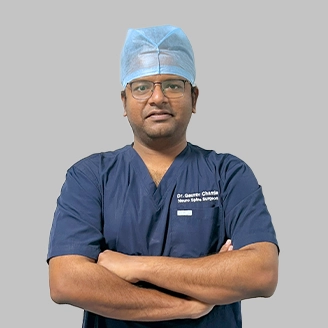
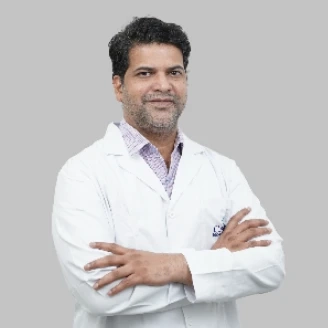
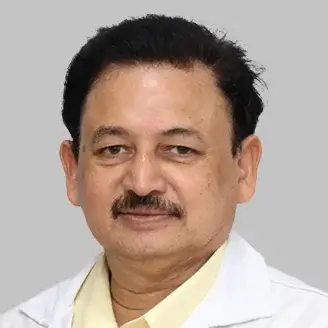
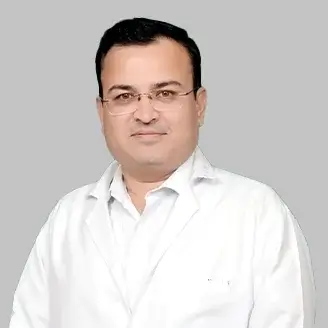
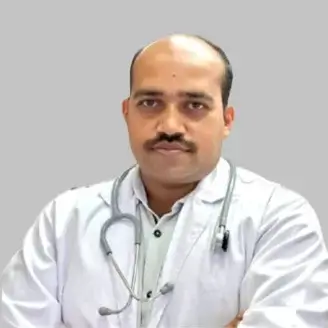
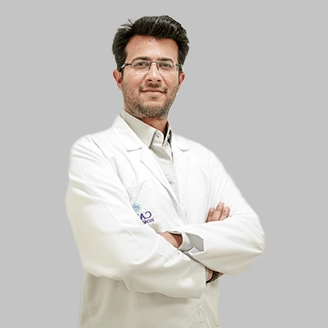
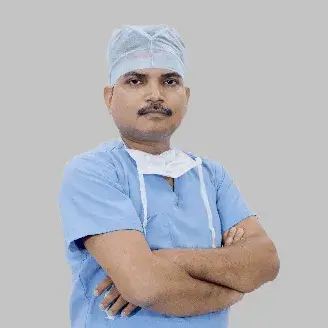
Best Skull Base Tumour Surgery Doctors in India









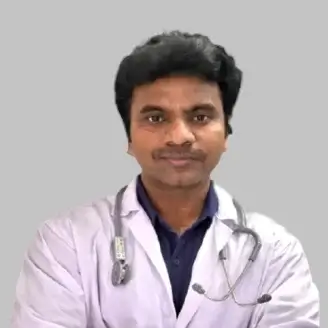
Innovative Technology at CARE Hospital
At CARE Hospitals the neurosurgery department uses innovative technology that sets new standards in neurosciences:
- Advanced neuro-navigation systems and intraoperative MRI for live guidance
- Robotic surgery integration to improve precision
- High-definition operating microscopes for detailed visualisation
- Intraoperative neuromonitoring to protect nerve function during procedures
Additionally, the hospital uses endoscopic and keyhole surgical techniques that reduce recovery time and post-surgical complications by a lot compared to traditional approaches.
Indications for Skull Base Tumour Surgery
Doctors perform this surgery to treat the following conditions:
- Benign tumours such as acoustic neuromas, meningiomas, schwannomas, and pituitary tumours
- Malignant tumours including squamous cell carcinoma, chordomas, and esthesio neuroblastoma
- Rare paediatric conditions that need skull base biopsies
Skull base fractures and treat cerebral aneurysms
Types of Skull Base Tumour Surgery Procedures
The following are common surgical approaches:
- Endoscopic endonasal surgery - A minimally invasive procedure through the nostrils that avoids external incisions
- Traditional craniotomy - Open surgery needed for tumours in hard-to-reach locations
- Eyebrow craniotomy - A smaller incision in the eyebrow region creates a minimal opening in the skull
The team picks the right technique based on the tumour's location, size, and its position relative to critical blood vessels and nerves.
Pre-surgery Preparation
- Your medical team will get a full picture of your health before surgery. MRI and CT scans provide clear pictures of the skull base.
- Your overall health status will be assessed through blood tests and ECGs.
- Your surgeon will tell you when to stop eating, drinking, and taking certain medicines.
- Mental preparation plays a key role in helping you manage anxiety and stress before the procedure.
Skull Base Tumour Surgical Procedure
Most skull base tumours need surgery as the first treatment. Surgeons may remove the tumour partially or completely based on the risks. They can use endoscopic surgery through the nostrils, which is less invasive, or a traditional craniotomy that needs an opening in the skull. Patients receive general anaesthesia and mechanical ventilation during the procedure. Advanced equipment (like intraoperative MRI) guides surgeons during surgery.
Post-surgery Recovery
- Patients stay in the hospital for about 3-10 days after surgery. The ICU team monitors you closely in the beginning.
- Headaches, weakness, dizziness, and brain swelling are common after the operation. These symptoms get better as you recover.
- Recovery at home takes 6-12 weeks.
- Your doctor will schedule regular follow-up appointments and MRI scans to check your healing progress.
Complications
Some possible complications include:
- Cerebrospinal fluid leaks
- Meningitis
- Neurological problems affecting vision or movement
- Infection at the surgical site
Insurance Assistance for Skull Base Tumour Surgery
Many health insurance plans cover brain tumour surgery expenses. This includes hospitalisation, pre-and post-hospitalisation care, and related costs up to the sum insured. Critical illness insurance policies might give you a lump sum benefit upon diagnosis. A 90-day waiting period applies from policy purchase before you can claim medical expenses.
Get a Second Opinion for Skull Base Tumour Surgery
A second opinion is vital for skull base tumour surgery. You usually have 1-2 weeks to think over your options safely before surgery. Second opinion programmes are a great way to get detailed record reviews by specialists and written reports with treatment recommendations.
Conclusion
Skull base tumour surgery is one of the most challenging fields in neurosurgery that demands exceptional precision and expertise. At CARE Hospitals in HITEC City our surgeons perform these complicated operations with utmost precision. The surgeons use advanced equipment (like real time MRI scanning) and minimally invasive methods that speed up recovery time.
Skull base tumour surgery might look scary at first. However, patients can face their treatment path with more confidence when they have the right medical team, advanced surgical techniques, and proper preparation.
Best Skull Base Tumour Surgery Hospitals in India
-
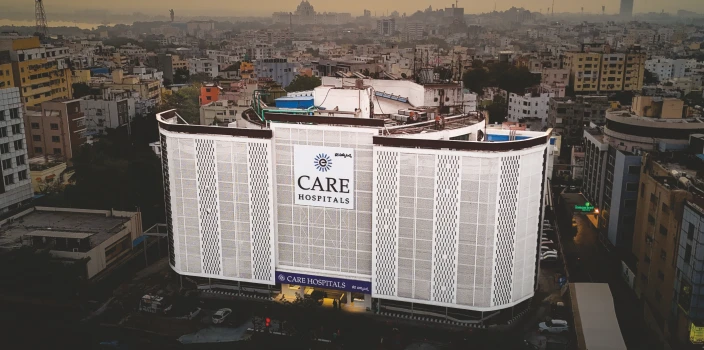
CARE Hospitals, Banjara Hills, Hyderabad
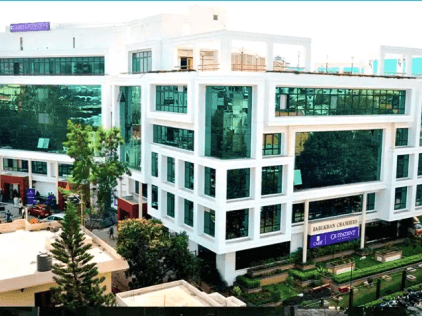
CARE Hospitals Outpatient Centre, Banjara Hills, Hyderabad
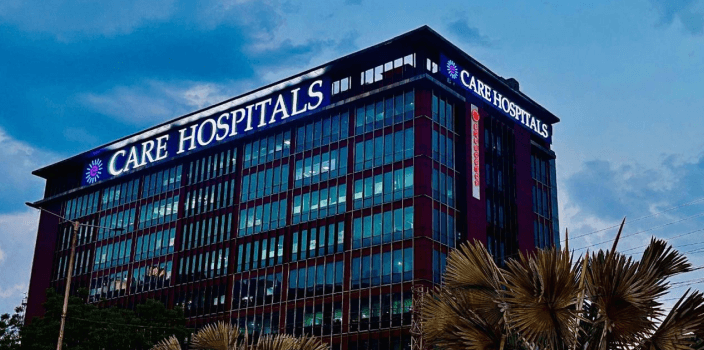
CARE Hospitals, HITEC City, Hyderabad
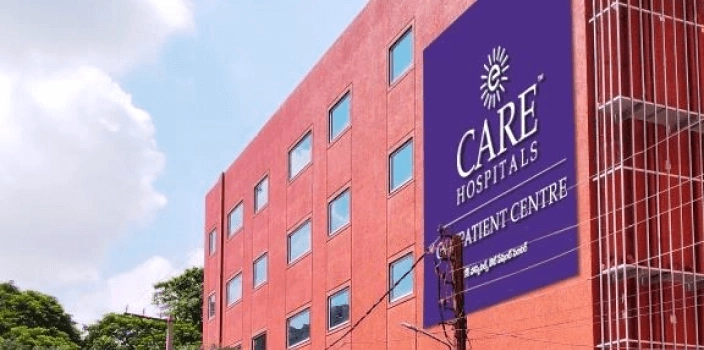
CARE Hospitals Outpatient Centre, HITEC City, Hyderabad
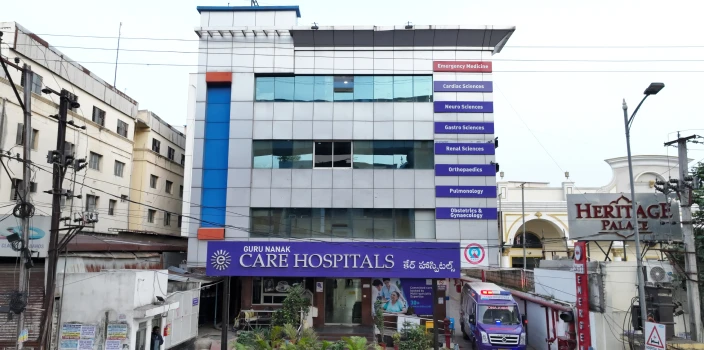
Gurunanak CARE Hospitals, Musheerabad, Hyderabad
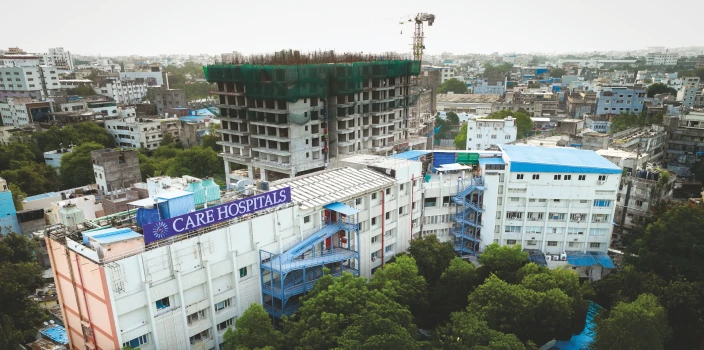
CARE Hospitals, Nampally, Hyderabad
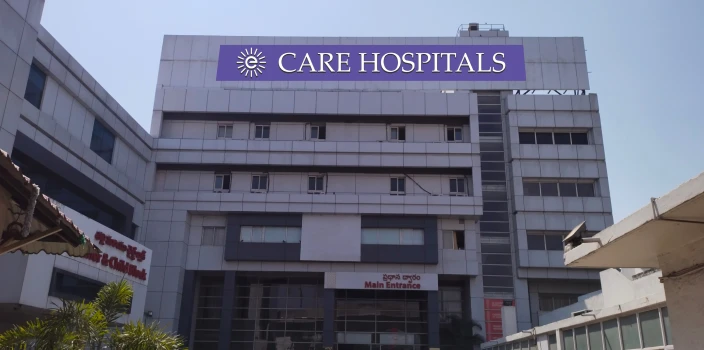
CARE Hospitals, Malakpet, Hyderabad
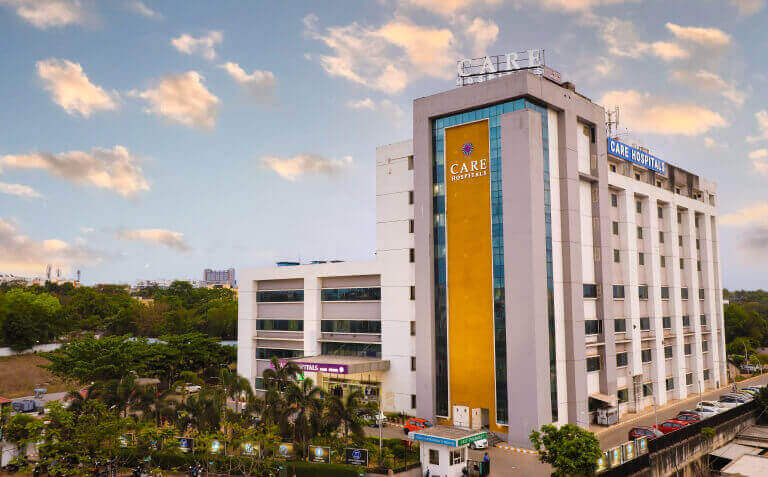
CARE Hospitals, Bhubaneswar
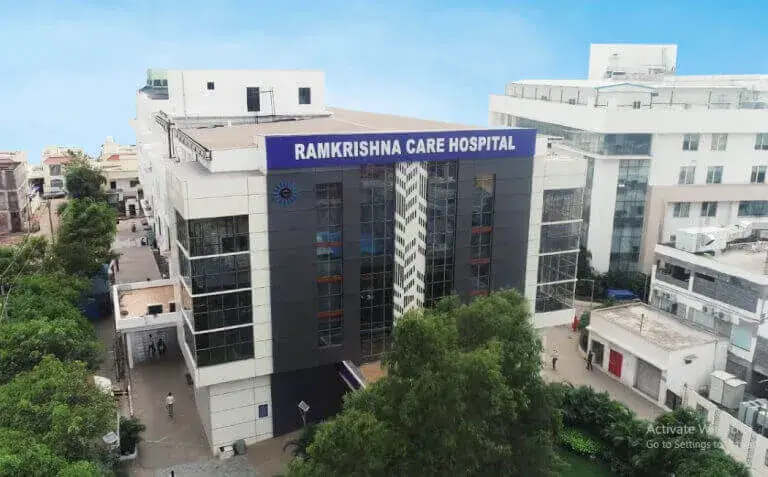
Ramkrishna CARE Hospitals, Raipur
CARE Hospitals, Ramnagar, Visakhapatnam
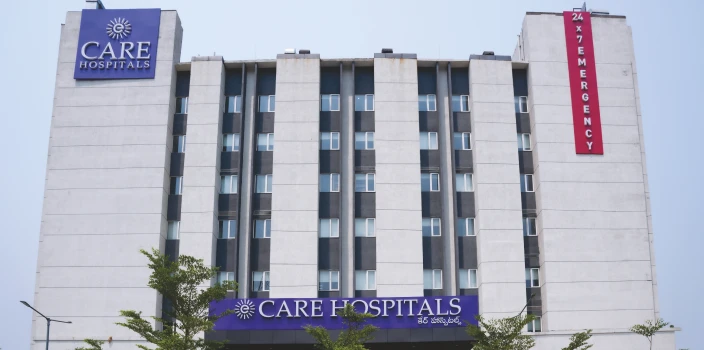
CARE Hospitals, Health City, Arilova
Frequently Asked Questions
This surgery removes growths or abnormalities on the underside of the brain, the skull base, or the top few vertebrae of the spinal column. The area proves challenging to reach and needs specialised surgical approaches. Today's skull base surgery uses either endoscopic (minimally invasive) techniques through the nose or mouth, or traditional open approaches that might need skull incisions.
Patients feel minimal pain during endoscopic procedures under general anaesthesia. About half the patients who have surgery with local anaesthesia experience pain. The good news is that this pain stays mild and doesn't last long in most cases.
Skull base surgery comes with risks due to the complex anatomy involved. Open skull base surgery leads to complications in many patients. All the same, things have gotten better over time—complication rates have dropped a lot.
The best candidates have good control over their systemic disease, strong functional status, and expect to live longer. The decision rests on tumour features (size, type, location) and patient factors. Some patients might not qualify if they get infections easily or have specific medical conditions. Smaller, easy-to-reach growths make patients better suited for minimally invasive approaches.
The surgery's length changes based on how complex it is. Biopsies usually take 1-2 hours. Removing tumours through craniotomy needs 4-6 hours.
The main risks include:
- Cranial nerve injury
- Vision problems
- Cerebrospinal fluid leaks
Patients might face encephalopathy, diabetes insipidus, symptomatic intracranial bleeding, deep venous thrombosis, and pneumonia.
Each patient's recovery is different. The hospital stay ranges from a few days to 10 days. Most patients need 4-8 weeks for complete recovery, though regaining full strength might take longer. Patients who undergo endoscopic procedures tend to recover faster than those who have traditional surgery.
Your preparation starts with detailed testing, including MRI, blood work, and ECG. Your doctor might ask you to stop taking certain medications. You should not eat for about 8 hours before the procedure. A thorough discussion of your medical history with your surgical team is vital.
Your surgeon induces general anaesthesia to keep you asleep during the surgery. Your surgeon will either create an incision on your scalp (open surgery) or use an endoscope through your nose based on the chosen surgical approach. The surgery usually lasts several hours.
Your doctor will schedule routine checkups and scans to keep an eye on your recovery. Some patients might need extra treatments (radiation therapy or proton beam therapy). Your doctor might suggest physical therapy or speech therapy depending on your condition.
Still Have a Question?