
-
Centre of Excellence
Specialties
Treatments and Procedures
 HyderabadCARE Hospitals, Banjara Hills CARE Outpatient Centre, Banjara Hills CARE Hospitals, HITEC City CARE Hospitals, Nampally Gurunanak CARE Hospitals, Musheerabad CARE Hospitals Outpatient Centre, HITEC City CARE Hospitals, Malakpet
 Raipur
 Bhubaneswar
 Visakhapatnam
 Nagpur
 Indore
 Chh. Sambhajinagar
 Clinics & Medical Centers


-

-

-

-

-

-
Follow Us

Best Hospital for Intestinal Resection Surgery in Hyderabad
- Advanced Technology
- Shorter Hospital Stay
- Pre & Post-Operative Care
- All Insurance Accepted

Chat With Our Experts
Get second opinion on Whatsapp
25 lakhs+
Happy Patients
Experienced and
skilled surgeons
17
Health Care Facilities
Top most Referral Centre
for Complex Surgeries
Advanced Intestinal Resection Surgery
Colorectal cancer is the third most common cancer worldwide. Such conditions affect many lives. Intestinal resection is a vital option that removes diseased portions of the bowel and offers patients renewed hope for recovery. This procedure also known as bowel resection, is the most frequently performed operation in general surgery. Surgeons use various techniques that include small bowel resection, ileal resection and resection and anastomosis to reconnect healthy tissue.
Intestinal resection surgery takes one to four hours when treating cancer or inflammatory conditions. This article walks patients through every aspect of the procedure, from preparation to recovery.
Why CARE Group Hospitals is Your Top Choice for Intestinal Resection Surgery in Hyderabad
CARE Hospitals is recognised as one of the premier surgical gastroenterology facilities in Hyderabad. The hospital offers patient-specific, evidence-based treatments for digestive disorders. Expert surgical gastroenterologists, hepatologists and therapeutic endoscopists work together here. They specialise in complex liver and digestive surgery. CARE operates through a multidisciplinary approach. This collaborative approach ensures you receive continuous preoperative and postoperative care. The hospital provides 24/7 surgical emergency response for acute abdominal conditions.
Best Intestinal Resection Surgery Doctors in India









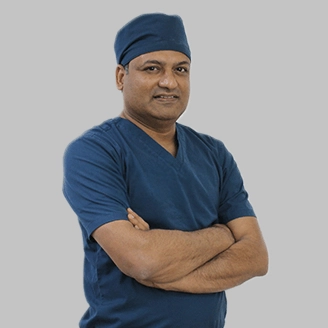


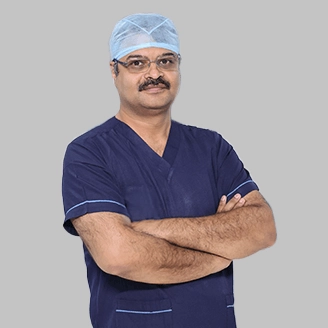




Advanced Surgical Innovations at CARE Hospitals
CARE Hospitals offers cutting-edge robotic and invasive surgery options that enable faster recovery. The facility has advanced operating theatres equipped with live imaging for precise procedures. Surgeons use intraoperative ultrasound guidance for safer outcomes especially when you have complex cases. These technological advancements translate to less pain, faster healing, and minimal scarring.
Indications for Intestinal Resection Surgery
Doctors usually recommend bowel resection for:
- Colorectal cancer
- Inflammatory bowel diseases like Crohn's disease and ulcerative colitis.
- Severe or recurring diverticulitis
- Large bowel blockages
- Repeated colon bleeding.
- Severe constipation that doesn't respond to conservative treatments.
Types of Intestinal Resection Surgery Procedures
Types of colectomy are:
- Right hemicolectomy: Removes the right part of the colon including the cecum and ascending colon and sometimes part of the transverse colon.
- Left hemicolectomy procedure: Removes the left side of the colon including the descending colon and part of the transverse colon.
- Subtotal colectomy: removes most of the colon.
- Proctocolectomy: Removes both colon and rectum.
Each targets specific portions based on the patient's condition.
Pre-surgery Preparation
Getting ready for bowel resection begins weeks before the actual operation. This includes:
- Several tests assess overall health before surgery. Blood work checks for anaemia, infection and organ function. Imaging studies like CT scans or MRIs provide detailed views of the intestinal area.
- Doctors temporarily stop your medicines like blood thinners and aspirin or adjust the dosages of your medicines.
- Tell your doctor about all prescriptions, over-the-counter medicines, and supplements.
- Bowel preparation starts a few days before surgery. Patients consume high-fibre foods and plenty of water to encourage natural movements first. They switch to clear liquids only as the date approaches. Laxatives or enemas may be prescribed to ensure complete bowel clearance.
- Fasting begins the night before surgery. No food or drink is allowed.
Intestinal Resection Surgical Procedure
Doctors give general anaesthesia so patients remain comfortable during the procedure. Three surgical approaches exist for intestinal resection surgery. Open surgery involves a larger abdominal incision of 6 to 8 inches and allows direct access to the intestines. Laparoscopic resection uses several small incisions through which a camera and specialised instruments pass. The surgeon views a video screen whilst manipulating tools to remove diseased tissue. Robotic-assisted surgery employs advanced robotic systems that provide high-definition 3D visualisation and precise instrument control.
The surgeon examines the entire small bowel before resection. They identify the diseased segment and place clamps on either side, then remove it. After removal, the surgeon reconnects the healthy bowel ends. In some cases, surgeons may perform an ileostomy. This creates an opening (stoma) through the abdominal wall where the small intestine attaches and allows waste to exit into an external drainage bag. Small bowel resection takes 1 to 4 hours. However in complex situations the procedure may take a longer time.
Post Surgery Recovery
Hospital stays range from 3 to 7 days after intestinal resection. Postsurgery care includes:
- Intestines need rest at first, so patients cannot consume food orally. Nutrition arrives through tube feeding (enteral nutrition) or intravenous delivery. Clear liquids begin by the second or third day. Thicker fluids & soft foods are reintroduced as bowel function returns.
- Bowel activity resumes within 3 to 4 days and allows patients to pass gas or stool.
- Pain management addresses incision pain. Medications administered through IV or orally keep pain controlled.
- Healthcare teams encourage walking as soon as possible to improve circulation and prevent blood clots.
- Patients receive detailed instructions on caring for incisions at home.
- Specialised nurses teach stoma care and ostomy bag management if an ileostomy was created.
Most people resume daily activities within 1 to 2 weeks. Full recovery spans a few months, though many feel well enough for normal routines within several weeks.
Risks
Common complications are:
- Anastomotic leak
- Surgical site infections
- Bleeding
- Bowel obstruction
- Incisional hernia
- Short bowel syndrome in patients who had extensive intestinal removal
- Malnutrition and malabsorption
- Persistent diarrhoea
- Steatorrhoea
- Electrolyte abnormalities
- Fat-soluble vitamin deficiencies
- Chronic anaemia
- Damage to nearby organs (liver, pancreas, bladder)
- Strictures
- Fistula formation (abnormal connections between bowel and other organs)
- Blood clots
- Recurrent disease remains possible, especially with conditions like Crohn's disease.
Benefits of Intestinal Resection Surgery
Symptom relief tops the benefit list. Other benefits are:
- Patients experience a reduction in abdominal pain, bloating and chronic diarrhoea.
- Better nutrient absorption follows surgery. Healthy intestinal tissue functions more effectively and leads to better vitamin and mineral uptake.
- The procedure reduces complication risks (dangerous blockages, infections and malignancies) associated with untreated conditions.
- Quality of life gets better.
- Early intervention helps avoid more extensive treatments like larger resections later.
- Long-term health benefits include weight stabilisation and better management of underlying conditions. The procedure can extend life expectancy for cancer patients.
Insurance Assistance for Intestinal Resection Surgery
Many health insurance companies provide insurance assistance for intestinal resection surgery. At CARE Hospitals, we have a specialised team that helps patients understand their insurance options for this surgery. They assist patients in verifying their policies, submitting claims, and managing all necessary paperwork.
Second Opinion for Intestinal Resection Surgery
Getting a second opinion before intestinal surgery provides reassurance and helps verify the chosen treatment plan. CARE Hospitals encourages patients to seek second opinions giving them a chance to discuss their diagnosis, surgical options, and possible alternatives with skilled gastroenterology surgeons. This additional viewpoint helps patients make informed decisions about their care pathway.
Conclusion
Bowel resection surgery gives patients relief from debilitating digestive conditions. Modern surgical techniques help reduce recovery time and minimise discomfort. At CARE Hospitals, our experienced surgeons with advanced technology can restore digestive health through this procedure and help patients regain their daily routines.
Patients should really explore their options before opting for surgery. An informed choice today paves the way for better health tomorrow.
Intestinal Resection Surgery Hospitals in India
-
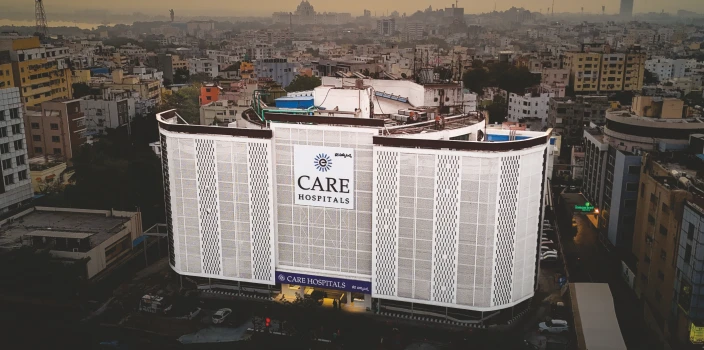
CARE Hospitals, Banjara Hills, Hyderabad
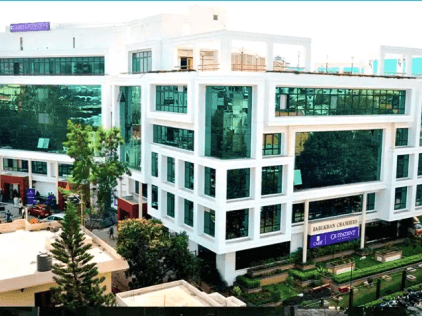
CARE Hospitals Outpatient Centre, Banjara Hills, Hyderabad
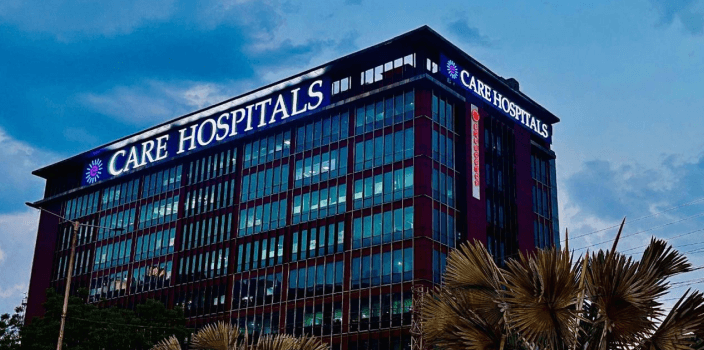
CARE Hospitals, HITEC City, Hyderabad
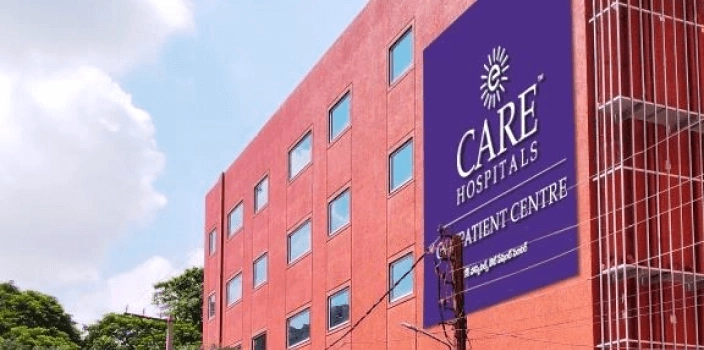
CARE Hospitals Outpatient Centre, HITEC City, Hyderabad
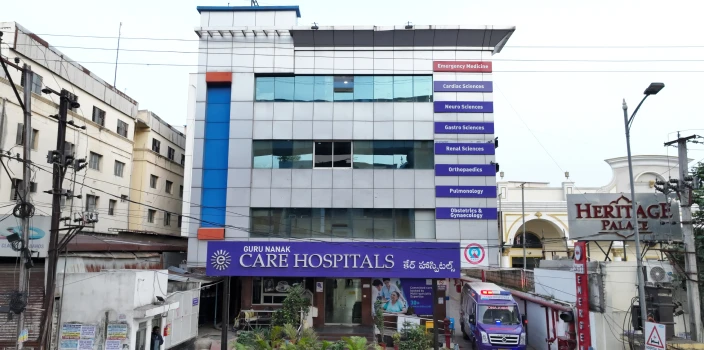
Gurunanak CARE Hospitals, Musheerabad, Hyderabad
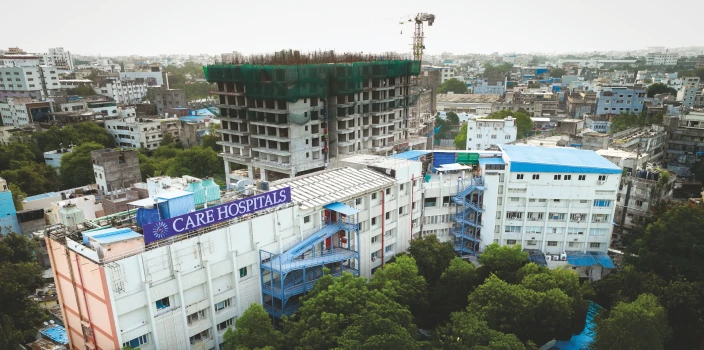
CARE Hospitals, Nampally, Hyderabad
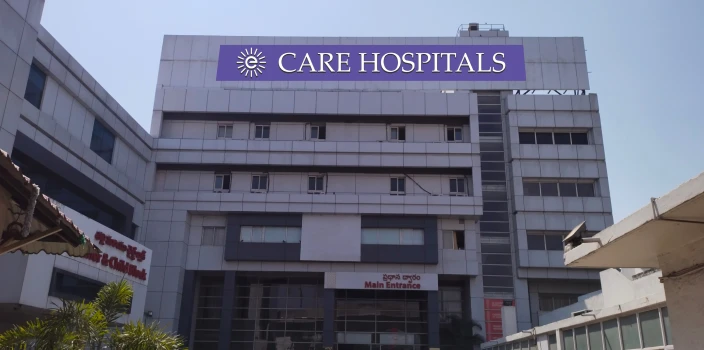
CARE Hospitals, Malakpet, Hyderabad
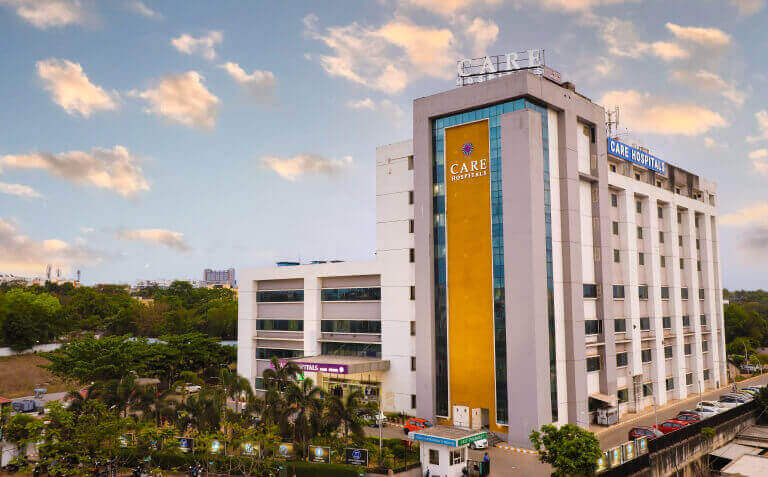
CARE Hospitals, Bhubaneswar
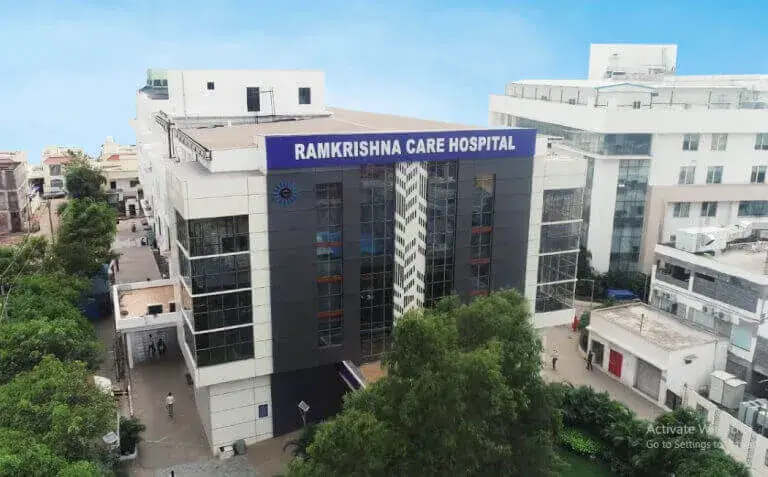
Ramkrishna CARE Hospitals, Raipur
CARE Hospitals, Ramnagar, Visakhapatnam
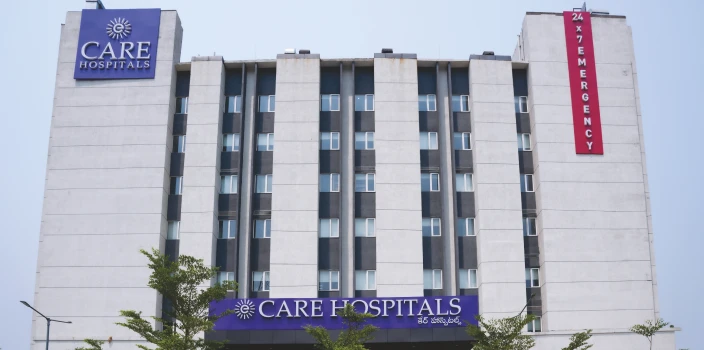
CARE Hospitals, Health City, Arilova
Frequently Asked Questions
This procedure removes damaged or diseased portions of your intestine. Surgeons then reconnect the healthy ends and allow your digestive system to function again. You might undergo this operation if you have colon cancer, severe inflammatory bowel disease or intestinal blockages.
Pain levels vary from person to person. You will experience moderate to severe discomfort during the first few days. But your medical team provides pain relief through medications. Most patients notice major improvement after 48 hours. The intensity decreases as healing progresses.
Your operation lasts between one and four hours. The duration depends on a few factors like the complexity of your case and which portion of your intestine needs removal. Unexpected findings during surgery can extend this timeframe.
Complications include:
- Anastomotic leak
- Hernias
- Scar tissue causing blockages
- Chronic anaemia.
- Short bowel syndrome can occur if surgeons remove large intestinal sections.
Recovery spans 6-8 weeks with open procedures and three to four weeks with laparoscopic approaches. Most patients resume daily activities within one to two weeks though healing takes several months.
Your surgeon will ask you to stop blood thinners and anti-inflammatory medications several days beforehand. You will switch to clear liquids the day before and then fast after midnight. The bowel prep involves laxatives or enemas to cleanse your system.
You will receive general anaesthesia. Your surgical team positions you on the table and monitors your vital signs throughout the procedure. The anesthesiologist stays by your side and adjusts medications to keep you safe.
Physical preparation is just one part. Take time for mental readiness as well. Talk with loved ones about your concerns and arrange help at home for the first week. Stock up on easy-to-digest foods. Create a comfortable recovery space with everything within reach.
Yes your doctor schedules appointments based on your condition. Cancer patients typically return within three weeks, while those with non-cancer conditions visit after six to eight weeks. These check-ups monitor healing and address medication questions. They also catch any complications early. Don't hesitate to contact your doctor between appointments if something feels wrong.
Still Have a Question?