
-
Centre of Excellence
Specialties
Treatments and Procedures
 HyderabadCARE Hospitals, Banjara Hills CARE Outpatient Centre, Banjara Hills CARE Hospitals, HITEC City CARE Hospitals, Nampally Gurunanak CARE Hospitals, Musheerabad CARE Hospitals Outpatient Centre, HITEC City CARE Hospitals, Malakpet
 Raipur
 Bhubaneswar
 Visakhapatnam
 Nagpur
 Indore
 Chh. Sambhajinagar
 Clinics & Medical Centers


-

-

-

-

-

-
Follow Us

Best Hospital for Endoscopic Retrograde Cholangiopancreatography (ERCP) Surgery in Hyderabad
- Advanced Technology
- Shorter Hospital Stay
- Pre & Post-Operative Care
- All Insurance Accepted

Chat With Our Experts
Get second opinion on Whatsapp
25 lakhs+
Happy Patients
Experienced and
skilled surgeons
17
Health Care Facilities
Top most Referral Centre
for Complex Surgeries
Advanced Endoscopic Retrograde Cholangiopancreatography (ERCP)
ERCP or endoscopic retrograde cholangiopancreatography combines endoscopy and fluoroscopy to diagnose and address problems in your bile or pancreatic ducts. Doctors recommend this test to treat stones, tumours, or narrowed areas that cause abdominal pain or jaundice. ERCP remains valuable because it allows immediate treatment during diagnosis. This article explains the entire process, from preparation to post-operative care, and ensures you feel informed and confident.
Why CARE Group Hospitals is Your Top Choice for Endoscopic Retrograde Cholangiopancreatography (ERCP) Surgery in Hyderabad
Where you undergo your ERCP test matters deeply when you deal with bile duct or pancreatic concerns. CARE Hospitals in Hyderabad stand out with NABH certification. This ensures adherence to strict safety rules and infection control measures. The team has experienced gastroenterologists, hepatologists, and endoscopists who work with radiologists and oncologists to provide a full treatment. The facility in Banjara Hills offers world class endoscopy equipment designed for therapeutic procedures like bile duct stone removal and stenting.
Best Endoscopic Retrograde Cholangiopancreatography (ERCP) Doctors in India











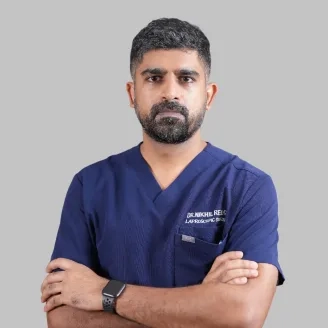





Advanced Surgical Breakthroughs at CARE Hospitals
CARE Hospitals uses modern diagnostic tools to improve accuracy and make treatments more effective. High-quality endoscopy machines give clearer images helping doctors find issues earlier. On the other hand endoscopic retrograde cholangiopancreatography focuses on treating problems in the bile ducts and pancreas. The hospital includes cutting-edge technology in its approach to improve diagnosis, ensure precise treatments, and enhance patient safety.
Indications for ERCP Surgery
The ERCP procedure treats various biliary and pancreatic conditions. Doctors recommend it for:
- Gallstones that block the bile ducts
- Inflamed gallbladders
- Bile duct blockages
- Pancreatic cancer
- Strictures caused by scarring or inflammation
- Post-surgical complications like bile leaks.
Types of ERCP Surgery Procedures
Gastroenterologists perform several interventions during the ERCP procedure. These are:
- Removing stones through balloon sweeps or baskets
- Placing stents to keep the ducts open
- Performing sphincterotomy to enlarge openings
- Taking tissue samples for biopsy and dilating narrowed ducts.
Pre-surgery Preparation
A successful ERCP requires several important steps:
- Your doctor will perform blood tests to check liver function, clotting profile, and infection markers.
- Fasting for 6 to 8 hours before your procedure.
- Your doctor needs to know about blood thinners, diabetes medications, and contrast dye allergies. They will adjust dosages or temporarily stop the medicines for a few days.
- Arrange for someone to drive you home. Sedation effects persist for 24 hours.
ERCP Surgical Procedure
Steps are:
- Doctors give sedation or general anaesthesia. Sedation keeps you comfortable.
- The doctor passes an endoscope through your mouth into the duodenum.
- The doctor identifies the opening of the bile and pancreatic ducts (the ampulla of Vater).
- A catheter injects contrast dye and highlights ducts under fluoroscopy.
- As a therapeutic procedure doctors remove bile duct stones, place stents, dilate narrowed ducts, or take tissue samples for biopsy.
The procedure takes 30-90 minutes.
Post Surgery Recovery
You will rest in recovery for 1-2 hours as sedation wears off. You might experience mild bloating, sore throat, or nausea after the procedure. Your doctor will advise you to:
- Rest for a day.
- Avoid driving, operating machinery, or making decisions for 24 hours after the procedure.
- Once sedation or anaesthesia wears off start with a liquid diet and gradually resume a normal diet.
Risks
Pancreatitis develops in some patients. Other complications are:
- Bleeding.
- Infection of the bile ducts.
- Perforation in the intestine or duct.
- Abdominal pain or bloating.
- Adverse reaction to sedation or dye.
Benefits of Endoscopic Retrograde Cholangiopancreatography (ERCP) Surgery
ERCP provides diagnostic precision and enables treatment at the same time. It provides:
- Relief from pain and issues caused by blockages or stones in the bile duct
- Many cases avoid the need for big open surgeries
- Shorter hospital stays along with a quicker recovery to normal routines
- Treatment is done during the same procedure
- Lower chance of severe problems like major infection
- Improved handling of pancreatic and bile duct problems
- Faster healing.
Insurance Assistance for ERCP Surgery
Most health insurance policies cover endoscopic procedures that are medically necessary. Check with your provider regarding coverage details and out-of-pocket expenses. At CARE Hospitals our insurance assisting staff assists patients in getting pre-approvals. They verify policy coverage and coordinate with TPAs making cashless hospital stays possible. This lets patients and their families focus on recovery rather than on paperwork.
Second Opinion for ERCP Surgery
Consider expert consultation if advised on high-risk procedures, experiencing uncertainty about the necessity or if previous attempts proved inconclusive. Getting a second opinion helps you understand the possible benefits, risks, and recovery process. Talking to another specialist gives you the chance to make a well-informed choice and move forward feeling more confident about your treatment.
Conclusion
ERCP procedure offers a solution for bile duct and pancreatic problems and allows doctors to diagnose and treat issues at the same time. Patients who understand each step, from preparation through recovery, can approach their treatment with clarity. ERCP helps patients recover and leave the hospital sooner. CARE Hospitals uses advanced endoscopy tools, skilled gastroenterologists and full critical care support. They ensure safe treatments, accurate procedures, and personalised care to achieve the best results and boost patient trust. Your healthcare team stands ready to guide you through this procedure.
Endoscopic Retrograde Cholangiopancreatography (ERCP) Hospitals in India
-
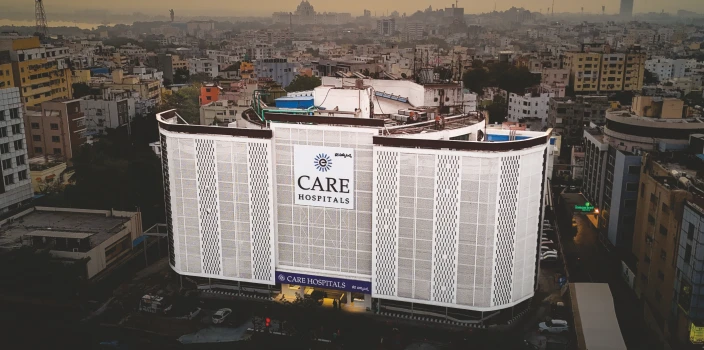
CARE Hospitals, Banjara Hills, Hyderabad
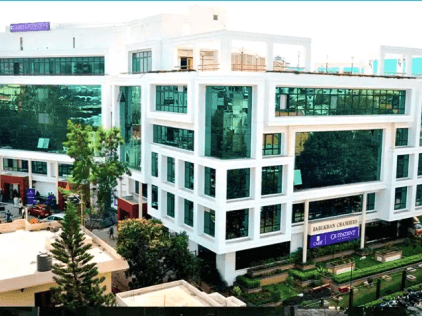
CARE Hospitals Outpatient Centre, Banjara Hills, Hyderabad
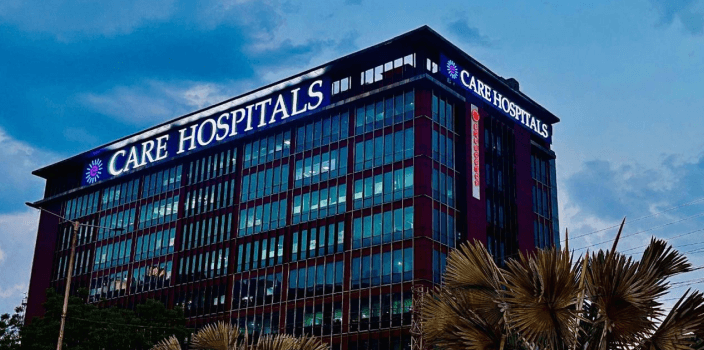
CARE Hospitals, HITEC City, Hyderabad
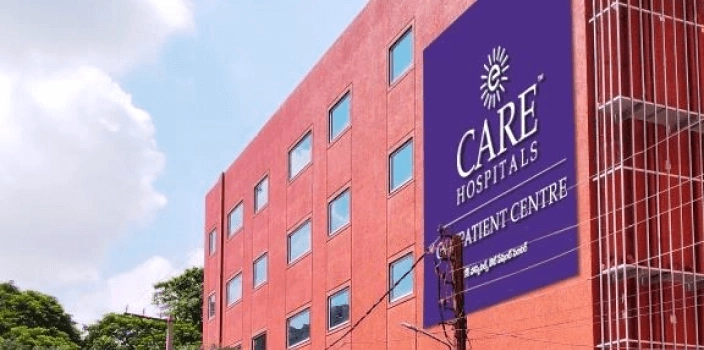
CARE Hospitals Outpatient Centre, HITEC City, Hyderabad
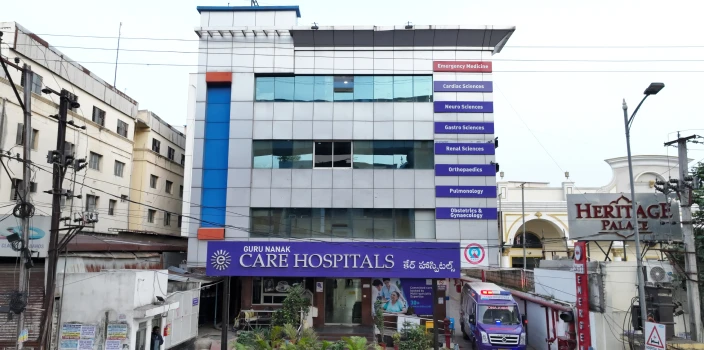
Gurunanak CARE Hospitals, Musheerabad, Hyderabad
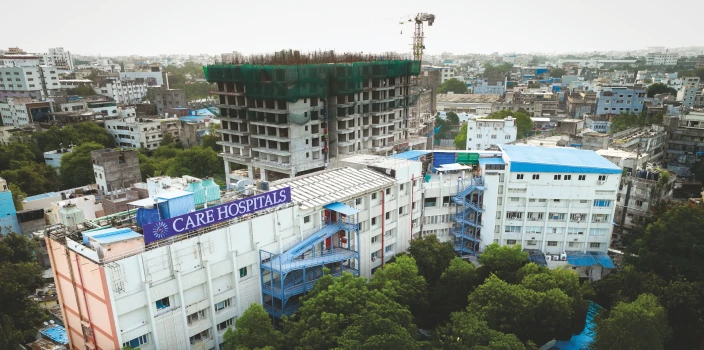
CARE Hospitals, Nampally, Hyderabad
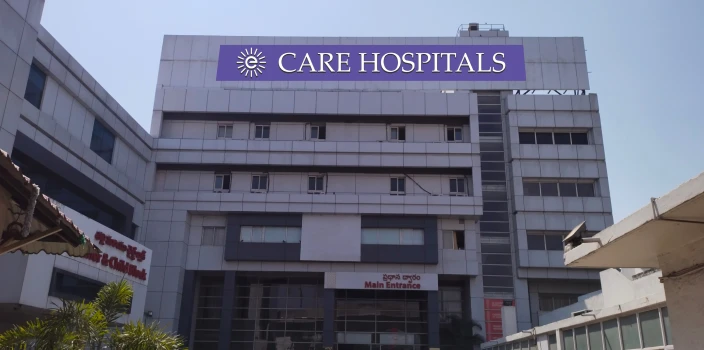
CARE Hospitals, Malakpet, Hyderabad

CARE Hospitals, Bhubaneswar
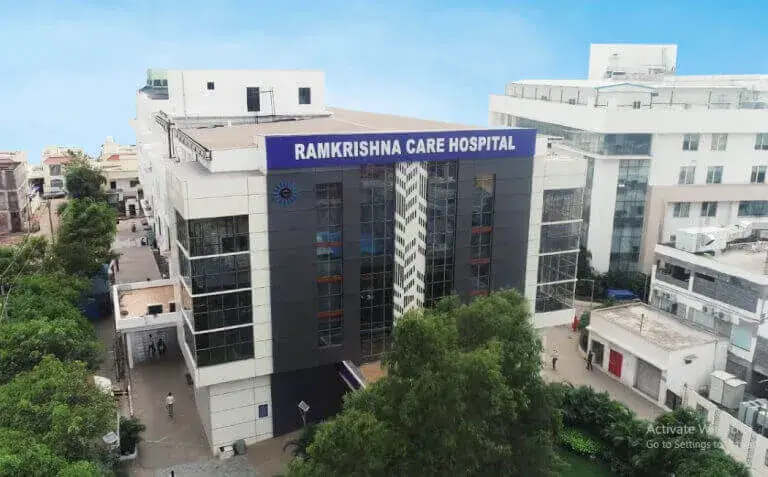
Ramkrishna CARE Hospitals, Raipur
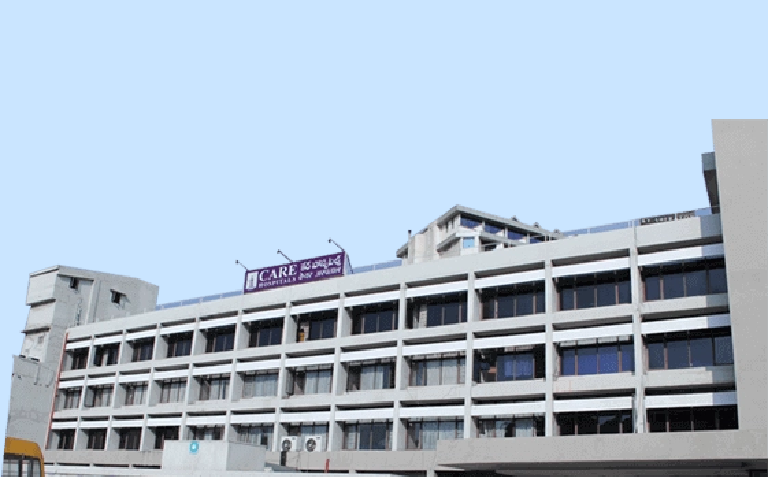
CARE Hospitals, Ramnagar, Visakhapatnam
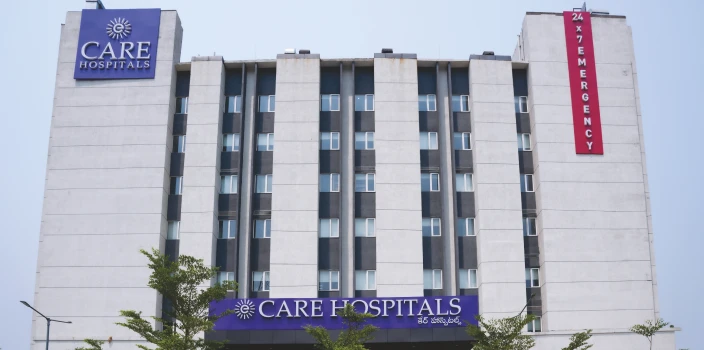
CARE Hospitals, Health City, Arilova
Frequently Asked Questions
ERCP is a minimally invasive procedure that combines endoscopy with X-ray imaging. It helps find and treat problems in the bile ducts, pancreatic ducts and gallbladder. Doctors use a flexible endoscope by inserting it through the mouth. This allows them to find blockages, take out gallstones, place stents and handle different pancreatic or bile duct issues.
ERCP is usually performed under sedation or anaesthesia so patients don't experience pain during the procedure. Afterwards, some may experience mild throat discomfort, bloating, or cramping that typically resolves quickly.
ERCP typically takes 30 to 90 minutes. Simple diagnostic procedures may be completed in 30-45 minutes. While therapeutic interventions like stone removal or stent placement can take longer.
Common complications are:
- Pancreatitis (the most common complication)
- Infection
- Bleeding
- Tearing of the intestinal wall or ducts
- Adverse reactions to sedation or contrast dye.
Recovery from ERCP is typically quick. Most patients rest for 1 to 2 hours after the procedure before going home the same day. Mostly patients can resume normal activities within 24 hours. However, if complications like pancreatitis occur, recovery may require hospitalisation and take several days.
Stop eating and drinking 6 to 8 hours beforehand to keep your stomach empty. Your doctor may ask you to stop blood thinners several days before the test. Arrange someone to drive you home. Sedation effects last 24 hours.
You will receive sedation through an IV line while lying on your side. The endoscope passes through your mouth into your duodenum and contrast dye shows your ducts on X-ray images. The procedure lasts 30-90 minutes.
Bring a complete medication list, including supplements. Inform your doctor about shellfish or iodine allergies. Wear comfortable clothing. Leave valuables at home.
Your doctor receives a report within 10-14 days. Biopsy results may take up to 6 weeks. Follow-up appointments depend on your treatment and findings.
Yes, ERCP clears bile duct stones in the majority of cases. But it doesn't remove your gallbladder. Doctors recommend gallbladder removal later to prevent new stones from forming.
Still Have a Question?