
-
Centre of Excellence
Specialties
Treatments and Procedures
 HyderabadCARE Hospitals, Banjara Hills CARE Outpatient Centre, Banjara Hills CARE Hospitals, HITEC City CARE Hospitals, Nampally Gurunanak CARE Hospitals, Musheerabad CARE Hospitals Outpatient Centre, HITEC City CARE Hospitals, Malakpet
 Raipur
 Bhubaneswar
 Visakhapatnam
 Nagpur
 Indore
 Chh. Sambhajinagar
 Clinics & Medical Centers


-

-

-

-

-

-
Follow Us

Best Hospital for Radical Mastectomy Surgery in Hyderabad
- Advanced Technology
- Shorter Hospital Stay
- Pre & Post-Operative Care
- All Insurance Accepted

Chat With Our Experts
Get second opinion on Whatsapp
25 lakhs+
Happy Patients
Experienced and
skilled surgeons
17
Health Care Facilities
Top most Referral Centre
for Complex Surgeries
Advanced Radical Mastectomy Surgery
Breast cancer affects more women than any other type of cancer. Radical mastectomy treats this disease by removing the breast, underlying chest muscles and armpit lymph nodes.
Radical mastectomy's role has evolved from being the standard treatment to a specialised procedure that doctors use only in specific clinical situations.
This article explores the meaning of radical mastectomy and how it is different from other mastectomy procedures. It also covers the situations where doctors recommend this surgical approach and what patients can expect during their treatment experience.
Why CARE Hospitals is Your Top Choice for Radical Mastectomy Surgery in Hyderabad
Care Hospitals excel in radical mastectomy procedures. Our surgical team provides detailed breast cancer care with expert surgical oncologists who specialise in radical mastectomy procedures. The team's comprehensive approach gives patients complete treatment from diagnosis through recovery under one roof.
Our Care Hospitals bring together medical oncology, surgical oncology, radiation therapy, and supportive care in one place. This setup allows patients to get treatment plans tailored to their specific cancer stage and needs. Our hospital is located in prime areas making it easier for patients throughout the city to get advanced cancer treatment.
Best Radical Mastectomy Surgery Doctors in India



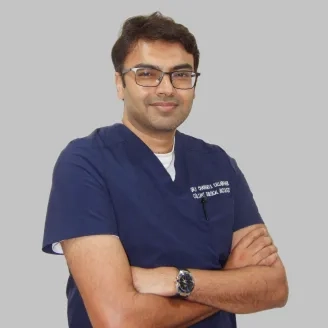
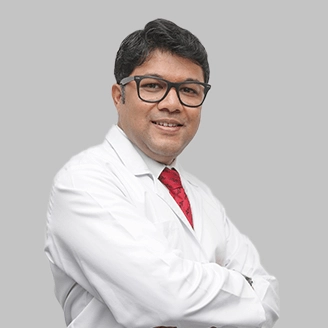
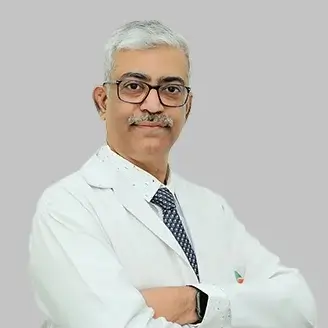



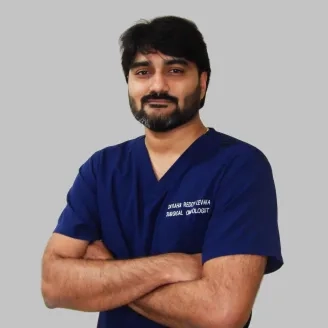
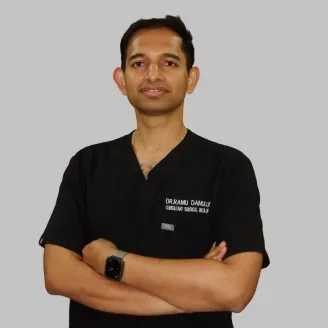


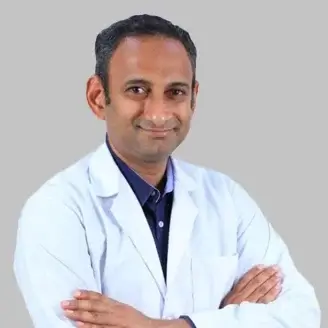
Cutting Edge Surgical Advances at Care Hospital
The hospital employs advanced surgical technologies, including the da Vinci single-port platform that delivers multi-jointed instrumentation and stable 3D optics through a single trocar. This advancement helps surgeons maintain uniform flap thickness and reduces blind spots common in traditional approaches. Robotic-assisted techniques provide better visualisation and reduce the risk of damage to preservable tissue, vasculature, and nerves.
Indications for Radical Mastectomy Surgery
Radical mastectomy is an extensive breast cancer surgery. Doctors recommend this procedure for:
- Locally advanced breast cancer
- When breast cancer penetrates into the chest wall muscles
- When breast cancer involves axillary (underarm) lymph nodes
- When breast cancer comes back after earlier surgery or radiation and spreads to deeper tissues
Types of Radical Mastectomy Surgery Procedures
Radical mastectomy is the most extensive mastectomy type that removes:
- Entire breast tissue and skin
- Nipple and areola
- Chest wall muscles underneath the breast
- Lymph nodes under the arm
Pre Surgery Preparation
A proper preparation for a radical mastectomy leads to better outcomes during and after the operation:
- Your preparation starts with diagnostic imaging and histopathology review
- Your doctor will recommend that you stop blood-thinning medications several days before surgery
- You should stop eating and drinking several hours before the procedure
- Medical staff must administer preoperative antibiotics within 30 minutes of incision
Radical Mastectomy Surgical Procedure
Steps are:
- Patients typically receive general anaesthesia, and sometimes regional anaesthesia helps reduce postoperative pain
- Surgeons make an elliptical incision around the breast
- The surgeon removes breast tissue, chest muscle lining, skin, nipple, areola, and lymph nodes under the arm
- The surgeon places surgical drains in the chest to prevent fluid buildup
Surgery usually takes 1 to 3 hours though reconstruction performed at the same time can extend this duration.
Post Surgery Recovery
Patients typically spend 1 to 3 days in the hospital with tissue flap reconstruction requiring longer stays. Drains stay in place until output falls below 20–30 ml per day. Regular exercise helps prevent shoulder stiffness. Most people return to work after 3 to 6 weeks. Pain management includes over-the-counter pain relievers, and some patients need prescription medication.
Risks
Common complications include:
- Seroma formation
- Wound infection
- Bleeding
- Flap necrosis
- Lymphedema
- Psychological disturbances
Patients might also experience reactions to anaesthesia, blood clots, wound healing problems and shoulder stiffness.
Benefits of Radical Mastectomy Surgery
Complete removal of cancerous tissue is the main benefit. This procedure provides maximum cancer control when other approaches fail.
Insurance Assistance for Radical Mastectomy Surgery
Many insurance companies give insurance coverage for breast cancer surgery. Insurance plans generally cover mastectomy, including surgery, hospitalisation, and follow-up care. You should verify policy limits and required pre-authorisation early.
Second Opinion for Radical Mastectomy Surgery
Treatment plan changes occur in one-third of cancer second-opinion cases. A second opinion validates the diagnosis accuracy and might suggest less intensive treatment. Your care plan can still benefit from specialist consultation even after treatment begins.
Conclusion
Radical mastectomy marks a most important chapter in breast cancer treatment history. This procedure remains vital for specific cases where tumours have spread to chest muscles and other treatments haven't worked. Patients need complete support throughout their experience. Care Group Hospitals provides specialised surgical teams who blend expertise with genuine compassion. Our innovative technology especially when you have robotic-assisted techniques, delivers better results and minimises damage to surrounding tissue. Radical mastectomy offers hope to patients with limited choices. The ultimate aim stays clear - to control cancer effectively while giving patients their best possible quality of life afterwards.
Radical Mastectomy Surgery Hospitals in India
-
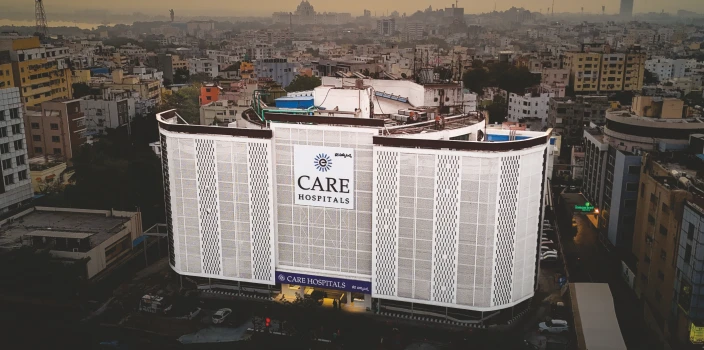
CARE Hospitals, Banjara Hills, Hyderabad
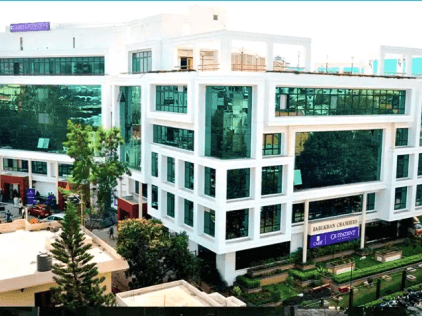
CARE Hospitals Outpatient Centre, Banjara Hills, Hyderabad
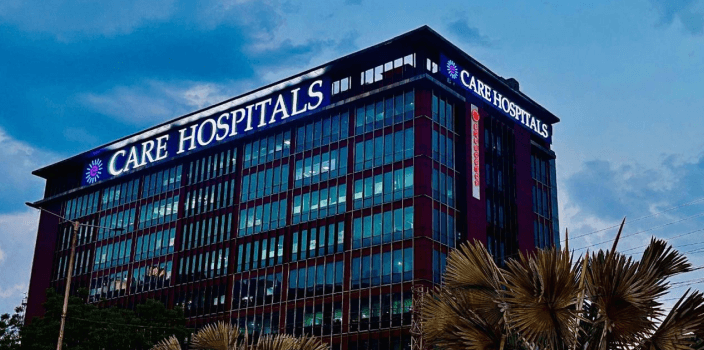
CARE Hospitals, HITEC City, Hyderabad
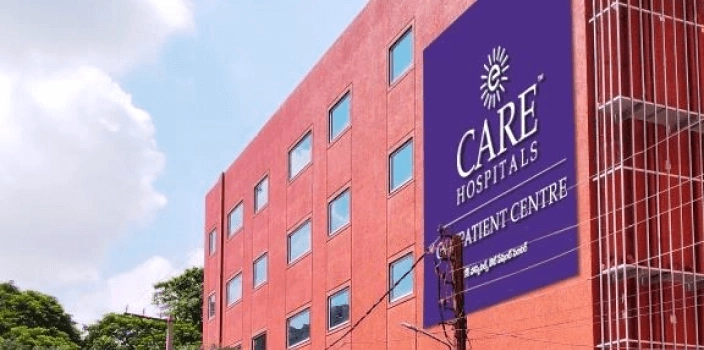
CARE Hospitals Outpatient Centre, HITEC City, Hyderabad
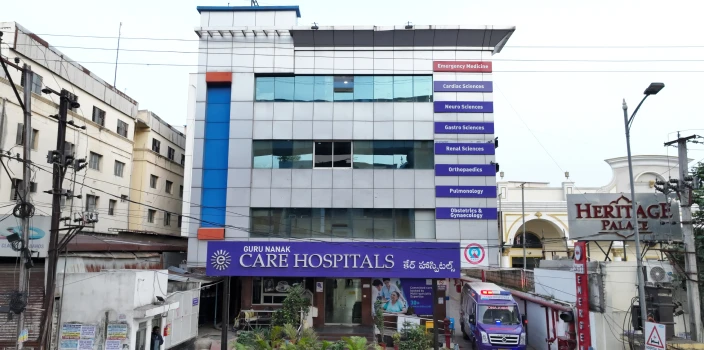
Gurunanak CARE Hospitals, Musheerabad, Hyderabad
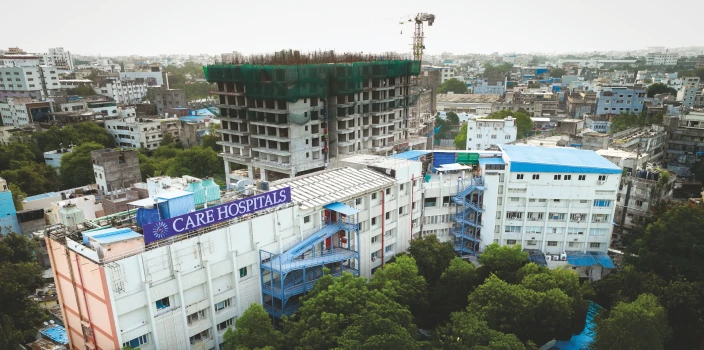
CARE Hospitals, Nampally, Hyderabad
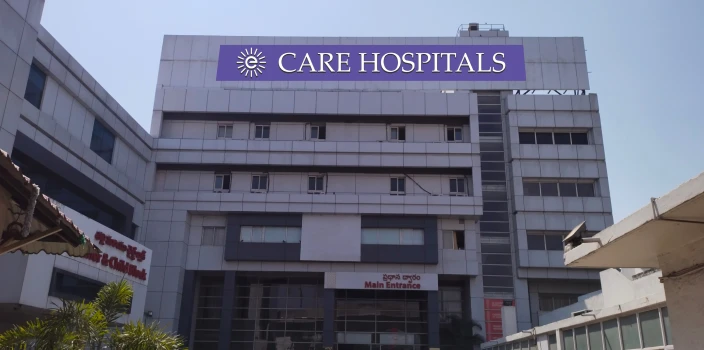
CARE Hospitals, Malakpet, Hyderabad
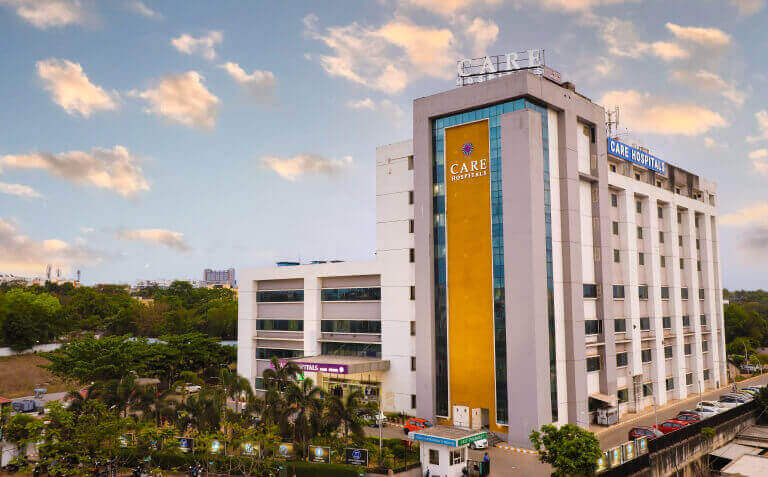
CARE Hospitals, Bhubaneswar
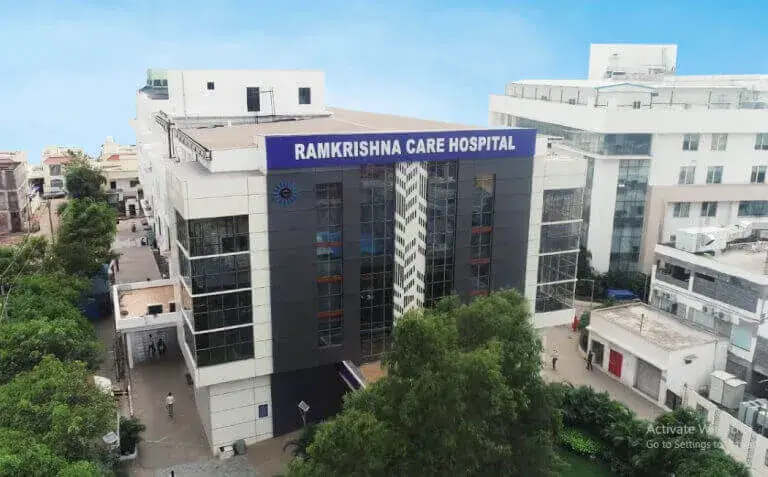
Ramkrishna CARE Hospitals, Raipur
CARE Hospitals, Ramnagar, Visakhapatnam
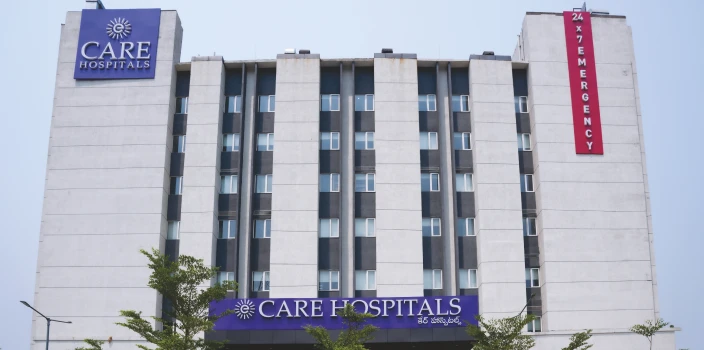
CARE Hospitals, Health City, Arilova
Frequently Asked Questions
Radical mastectomy removes the entire breast, nipple, areola, chest wall muscles underneath the breast, and all lymph nodes under the arm. Doctors call it the Halsted radical mastectomy. This extensive surgery is the standard treatment for advanced breast cancer where cancer has spread to the chest wall muscles.
Yes radical mastectomy causes pain. Pain medication helps manage discomfort during the original recovery period. The chest, arm, shoulder, and chest wall become tender and sore. Some patients might develop chronic post mastectomy pain syndrome because of nerve damage during surgery.
The surgery takes 2 to 3 hours. But simultaneous breast reconstruction makes the procedure longer. Implant reconstruction needs 3–4 hours while tissue flap reconstruction requires 6–8 hours.
The surgery carries several risks. These are:
- Infection
- Seroma formation (fluid buildup)
- Bleeding
- Hematoma
- Flap necrosis
- Lymphedema
Hospital stays last 1 to 3 days. Doctors remove surgical drains after 7–10 days. Most patients return to their regular activities within 4–6 weeks. Complete recovery might take several months. The surgical wound heals fully in about three weeks.
Your preparation should include:
- Stop eating and drinking several hours before surgery
- Stop blood-thinning medications as your doctor advises
- Quit smoking to help with healing
- Get help at home for recovery
- Tell your doctor about all medications and supplements
The surgical team will give you general anaesthesia so you sleep through the procedure. Your surgeon will clean your skin, give antibiotics through IV, and make an incision around your breast. They will remove all breast tissue, skin, nipple, areola, chest wall muscles, and underarm lymph nodes. Surgical drains help prevent fluid buildup. The whole procedure usually takes 1–3 hours.
You need to take several steps to prepare:
- Quit smoking to help your body heal better
- Skip food and drink as your doctor tells you before surgery
- Get someone to help you at home during recovery
- Pack button-front shirts and slip-on shoes
Yes your doctors will schedule regular checkups to watch for complications or signs that cancer has returned. You should call your healthcare team right away if you have ongoing pain or notice signs of infection where they operated. A rehabilitation specialist will show you exercises that prevent shoulder stiffness.
A total mastectomy removes breast tissue, skin, nipple and areola. A radical mastectomy takes out chest wall muscles under the breast too. Doctors choose this extensive surgery when cancer spreads into the chest muscles and chemotherapy hasn't shrunk the tumour. Simple mastectomies remove only breast tissue while keeping muscles and most lymph nodes intact.
Still Have a Question?