-
Centre of Excellence
Specialties
Treatments and Procedures
 HyderabadCARE Hospitals, Banjara Hills CARE Outpatient Centre, Banjara Hills CARE Hospitals, HITEC City CARE Hospitals, Nampally Gurunanak CARE Hospitals, Musheerabad CARE Hospitals Outpatient Centre, HITEC City CARE Hospitals, Malakpet
 Raipur
 Bhubaneswar
 Visakhapatnam
 Nagpur
 Indore
 Chh. Sambhajinagar
 Clinics & Medical Centers


-

-

-

-

-

-
Follow Us

Best Hospital for Polypectomy Surgery in Hyderabad
- Advanced Technology
- Shorter Hospital Stay
- Pre & Post-Operative Care
- All Insurance Accepted

Chat With Our Experts
Get second opinion on Whatsapp
25 lakhs+
Happy Patients
Experienced and
skilled surgeons
17
Health Care Facilities
Top most Referral Centre
for Complex Surgeries
Advanced Polypectomy Surgery
Polypectomy is the removal of a polyp, a small growth of tissue that can develop on the lining of the colon, stomach, uterus, nose, or other internal surfaces. Colorectal polyps are the most common reason for this procedure, and removing them matters enormously, as many colon cancers begin as a polyp that has slowly changed over years. Because the procedure is usually performed through an endoscope rather than open surgery, most patients go home the same day with minimal discomfort. This article explains why polypectomy is performed, what the procedure involves and the questions patients ask most often.
Why CARE Group Hospitals Is Your Top Choice for Polypectomy Surgery in Hyderabad
At CARE Hospitals, gastroenterologists and surgeons in Hyderabad perform polypectomy routinely, drawing on years of combined experience across simple and technically demanding cases. Patients benefit from a team that recognises when a polyp can be removed safely through endoscopy alone and when it needs a more involved surgical approach.
Detailed pre-procedure counselling ensures each patient understands exactly what to expect while pathology results are reviewed promptly so that any further treatment can begin without unnecessary delay.
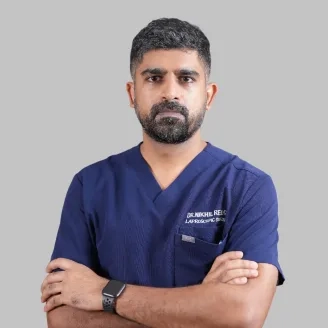
Best Polypectomy Surgery Doctors in India
















Cutting-Edge Surgical Innovations at CARE Hospitals
Endoscopic technology has changed considerably over the past decade, and these advances directly benefit patients undergoing polyp removal.
- High-definition endoscopy reveals subtle changes in tissue that older equipment would often miss entirely.
- Narrow-band imaging highlights blood vessel patterns within a polyp, giving doctors useful clues about its likely nature before removal.
- Submucosal injection lifts a flat or larger polyp away from deeper tissue layers, making removal both safer and more complete.
- Advanced snare and cautery devices allow precise removal with tightly controlled bleeding risk.
Conditions for Polypectomy Surgery
Several situations lead a doctor to recommend removing a polyp. They are:
- Routine screening colonoscopy frequently identifies colorectal polyps that are removed on the spot to prevent future cancer risk.
- Bleeding whether visible or detected through a stool test, sometimes traces back to an undiagnosed polyp.
- Uterine polyps causing irregular or heavy menstrual bleeding are commonly treated this way.
- Nasal polyps that block breathing or contribute to chronic sinus problems may need removal for symptom relief.
- A polyp found unexpectedly during upper endoscopy for stomach symptoms is generally removed and sent for testing.
Types of Polypectomy Surgery Procedures
The specific technique used depends on the size, shape and location of the polyp.
- Cold snare polypectomy uses a thin wire loop to cut away small polyps without applying any electrical current.
- Hot snare polypectomy adds electrocautery to the wire loop, suited to larger polyps where bleeding control matters more.
- Endoscopic mucosal resection lifts and removes larger or flatter polyps in one or several pieces, often after a submucosal injection.
- Endoscopic submucosal dissection allows more complex or extensive lesions to be removed in a single piece, preserving tissue for detailed examination.
- When a polyp cannot be reached or removed safely through endoscopy, surgical polypectomy (performed laparoscopically or through open surgery) becomes necessary.
- Hysteroscopic polypectomy removes uterine polyps directly through the cervix, avoiding any external incision.
Pre-Surgery Preparation
Preparation depends on the location of the polyp, though several steps apply to most procedures.
- Bowel preparation (involving a clear liquid diet and prescribed laxatives) empties the colon fully before a colonoscopy-based procedure.
- Your doctor will perform blood tests to confirm your health status and screen for any bleeding tendency before the procedure.
- Certain medications (particularly blood thinners) are often paused beforehand under medical supervision.
- Fasting for a set period is required when sedation or anaesthesia will be used.
- Any prior imaging or endoscopy reports are reviewed in advance to plan the safest removal technique.
Polypectomy Surgical Procedure
Most polypectomy procedures follow a similar overall pattern. Sedation is given first, so the patient remains comfortable and largely unaware of the procedure itself. The endoscope is then guided to the location of the polyp, and the doctor examines it closely before choosing the most appropriate removal technique. A wire loop, cutting tool or specialised instrument removes the polyp, which is then retrieved and sent to a laboratory for detailed examination. If any bleeding occurs at the removal site, it is controlled immediately using cautery or small clips. Most endoscopic procedures take between twenty and forty-five minutes. However, more complex removals or surgical cases can take considerably longer.
Post-Surgery Recovery
Recovery is usually quick, particularly following an endoscopic procedure.
- Patients rest for one to two hours after the procedure while the effects of sedation wear off.
- Mild bloating or cramping is common on the first day and usually settles on its own.
- Heavy lifting and strenuous activity are generally avoided for a few days, especially after removal of a larger polyp.
- A lighter diet for the first day or two eases the digestive system back into normal function.
- Because sedation remains in the system for several hours, driving or operating machinery is not advised on the day of the procedure.
- Pathology results, usually available within a week or two, determine whether any further treatment or closer monitoring is needed.
Risks and Complications
Polypectomy is a safe, widely performed procedure. However, it carries a small number of recognised risks. They are:
- Bleeding at the removal site can occur immediately or, less commonly, several days afterwards.
- Perforation, a tear in the wall of the organ involved, is rare but represents the most serious possible complication.
- Infection is uncommon but can occur, particularly with more extensive removal procedures.
- A polyp may occasionally be removed incompletely, requiring a repeat procedure to clear the remaining tissue.
- New polyps can develop over time, which is why ongoing surveillance remains important even after successful removal.
- Sedation itself carries a small (generally low risk) discussion individually with each patient beforehand.
Benefits of Polypectomy Surgery
For patients with a polyp needing removal, this procedure offers substantial and often lasting advantages. They are:
- Removing a colorectal polyp interrupts the process that can otherwise lead to cancer years later.
- Symptoms such as bleeding or pain linked to the polyp typically resolve once it has been removed.
- The endoscopic approach avoids the need for a larger surgical incision in the great majority of cases.
- Tissue sent for laboratory analysis provides a clear diagnosis, guiding any further treatment that may be needed.
- For many patients, a single procedure fully resolves the issue without further intervention.
Insurance Assistance for Polypectomy Surgery
CARE Hospitals offers dedicated insurance support to make the polypectomy process as smooth and hassle-free as possible. Our team helps check coverage details, walk patients through pre-authorisation where required and answer questions about the claims process ahead of the scheduled date.
Get a Second Opinion for Polypectomy Surgery
When a polyp is large, unusually positioned, or shows features raising concern for cancer, a second opinion can help confirm the best removal approach. This is particularly worth considering before a more invasive surgical option is chosen over an endoscopic one. Hospitals can typically forward scan results and biopsy reports so a second specialist has the full picture without repeating tests.
Conclusion
Polypectomy remains one of the most effective tools available for both treating troublesome polyps and preventing certain cancers before they ever develop. The endoscopic approach used in most cases keeps recovery short and complications rare, whereas surgical removal is available for the smaller number of polyps that need it. Understanding why a polyp needs removing and what the procedure and recovery involve helps patients approach the process with far less uncertainty.
-
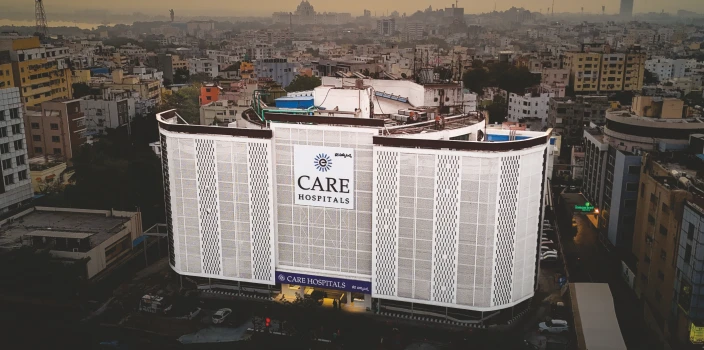
CARE Hospitals, Banjara Hills, Hyderabad
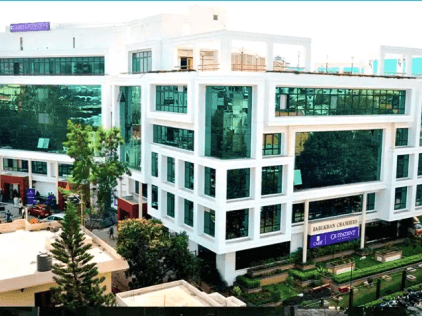
CARE Hospitals Outpatient Centre, Banjara Hills, Hyderabad
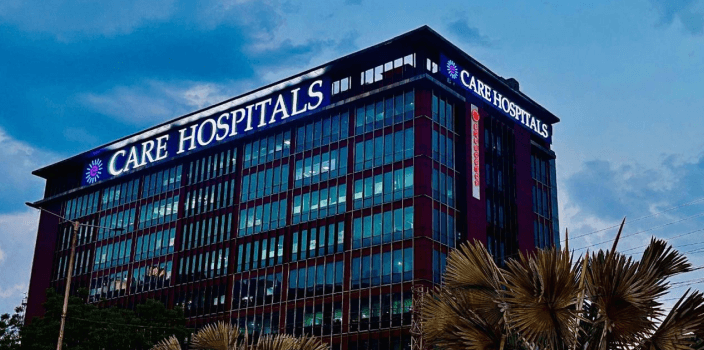
CARE Hospitals, HITEC City, Hyderabad
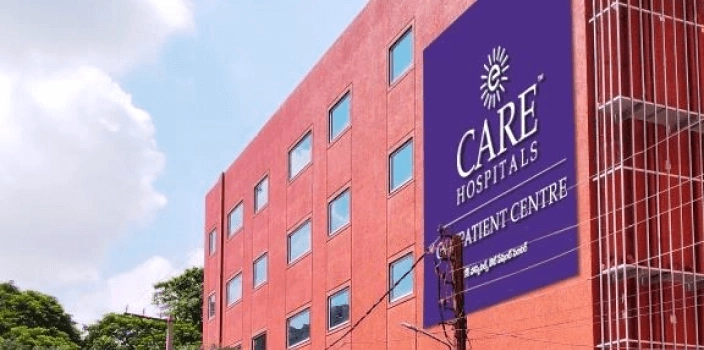
CARE Hospitals Outpatient Centre, HITEC City, Hyderabad
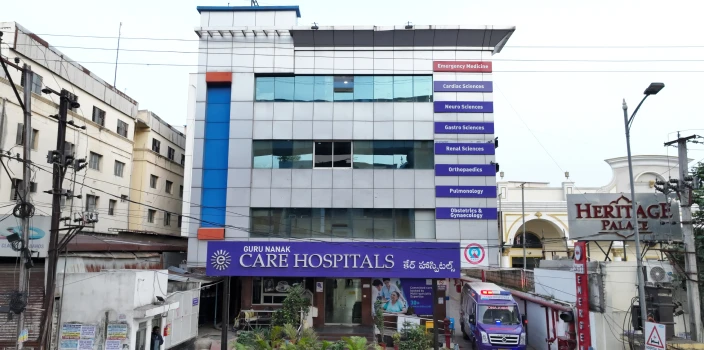
Gurunanak CARE Hospitals, Musheerabad, Hyderabad
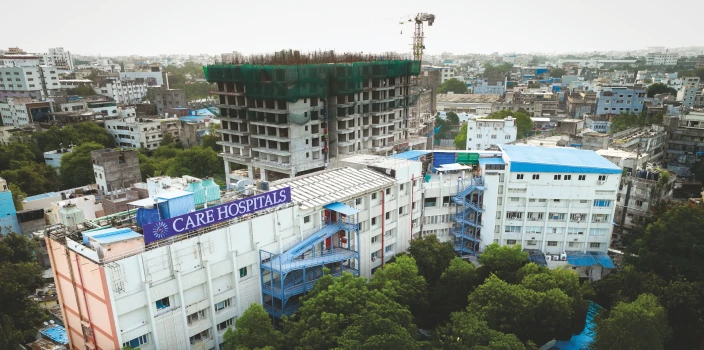
CARE Hospitals, Nampally, Hyderabad
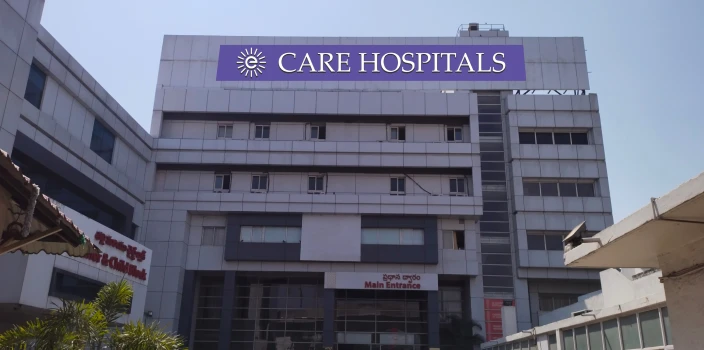
CARE Hospitals, Malakpet, Hyderabad

CARE Hospitals, Bhubaneswar
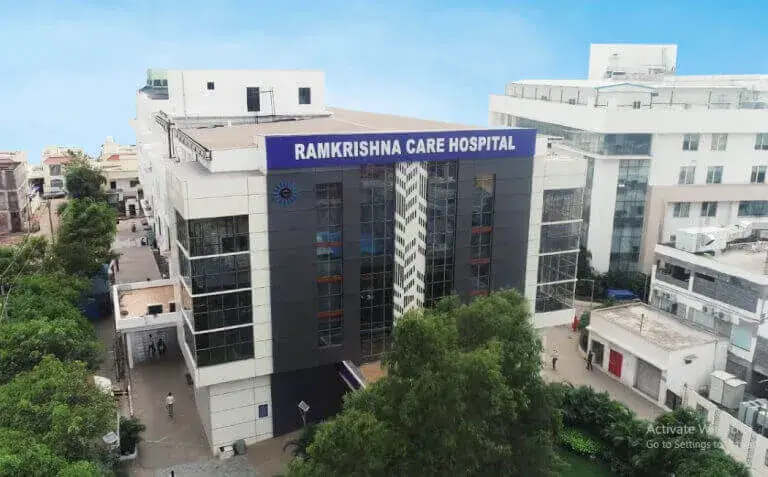
Ramkrishna CARE Hospitals, Raipur
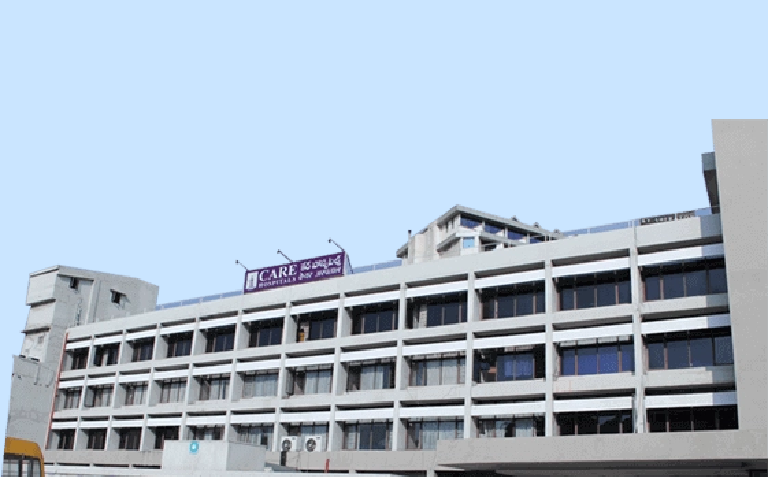
CARE Hospitals, Ramnagar, Visakhapatnam
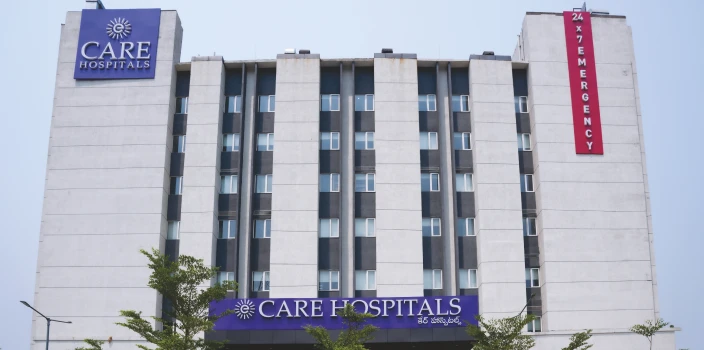
CARE Hospitals, Health City, Arilova
Frequently Asked Questions
It is the removal of a polyp, an abnormal growth of tissue, most often performed using an endoscope.
It is performed to treat symptoms caused by a polyp or to prevent certain polyps from progressing into cancer.
Anyone found to have a polyp during screening or investigation of symptoms such as bleeding may need this procedure.
It is recommended that as soon as a polyp is identified, it can be removed safely during the same procedure that finds it.
Most patients feel little to no pain during the procedure itself, thanks to sedation, with only mild discomfort afterwards.
Endoscopic polypectomy is a minor procedure, though surgical removal for certain complex polyps is more involved.
Most endoscopic procedures take twenty to forty-five minutes, though complexity can extend this somewhat.
Most patients resume normal activity within a day or two, longer if a larger polyp or surgical approach was involved.
It is sent to a laboratory for detailed examination confirming its type and whether any further treatment is needed.
This depends on the type and number of polyps found, though many patients are advised to repeat screening within three to five years.
Still Have a Question?