Follow Us
Updated on 28 October 2026



The Eyes are one of the most sensitive organs that we possess. Due to increased screen time, pollution and unhealthy lifestyles, poor eye health has b...
18 August 2022
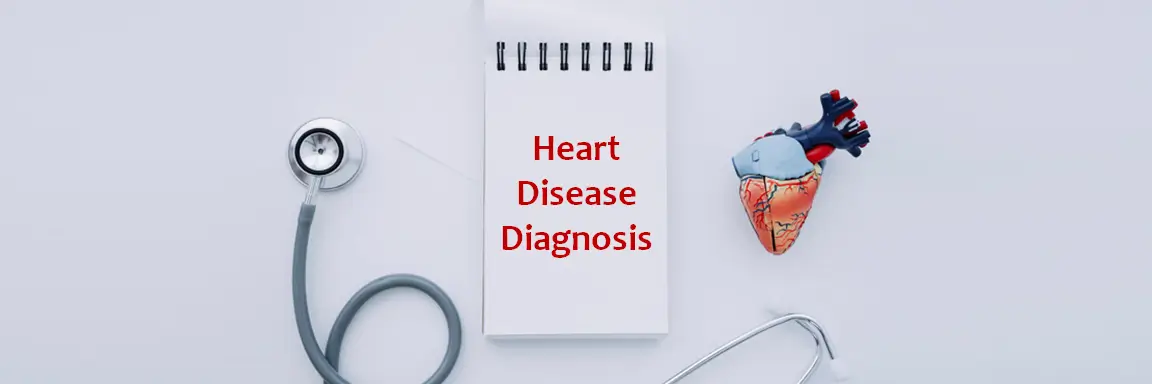
Heart disease refers to various heart conditions that can affect heart functioning. It is one of the most common and leading causes of death in India....
18 August 2022

Maintaining the motivation to work out whilst travelling often seems hard. Where will I find a gym? Shall I pack my exercise clothes or not? How will ...
18 August 2022

The journey towards a healthier life may have varied approaches for different individuals depending on your personality, work routine, personal life a...
18 August 2022

Healthy eating habits must be inculcated early. Healthy meal plans are especially essential for children under the age of five as these initial growin...
18 August 2022

Mental health disorders, mental illnesses, or psychological disorders are conditions that cause disturbances in a person’s thinking, feeling and...
18 August 2022

With the advancement in treatment modalities, there is an improvement in the treatment and cure rates of cancer patients. As a result, more children w...
18 August 2022

According to the American Academy of Allergy, Asthma & Immunology (AAAAI), food allergies affect up to 6% of babies between the ages of 0 and 2. T...
18 August 2022
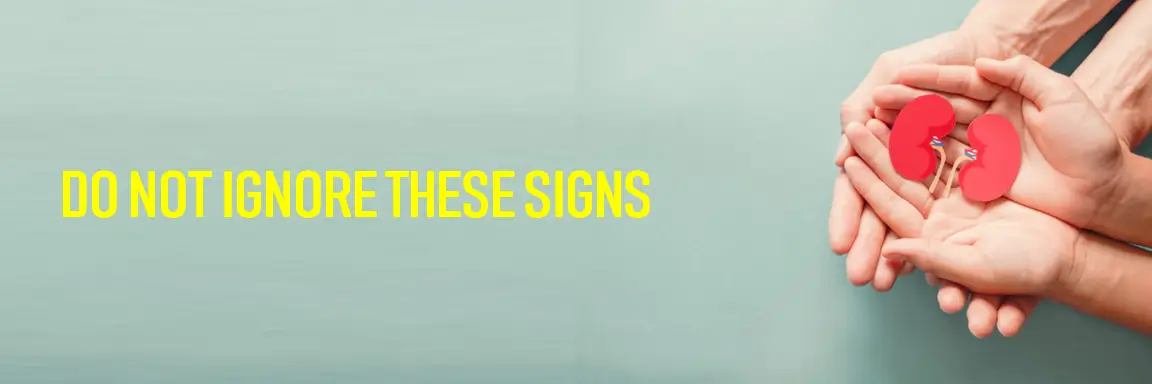
Kidneys are a part of the urinary tract system and are one of the most vital organs of our body. Kidneys have many crucial functions, including cleani...
18 August 2022

Nutritional deficiencies often first manifest changes in skin quality, and what you eat can influence how your skin appears. Certain nutrients can pro...
18 August 2022

High levels of Air pollution, which is the presence of harmful substances in the atmosphere, in the form of smog, soot and greenhouse gases, can ...
18 August 2022

The largest organ of our body, the skin, often gives the first indicators of what is happening inside our bodies, whether it is internal troubles or a...
18 August 2022

You are not alone if you feel like you are tired all the time. Having a tough time getting out of bed in the morning, wanting to nap all afternoon, or...
18 August 2022
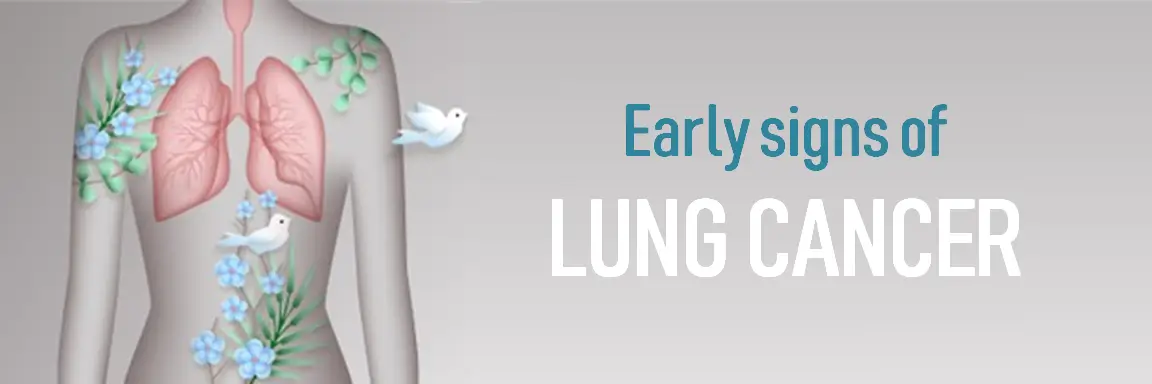
Taking in oxygen and getting rid of carbon dioxide are your lungs’ main functions. When you breathe in, air enters through your mouth/nose and g...
18 August 2022

Child’s development is categorized into four main areas: motor, language and communication, social and emotional and cognitive. Brain developmen...
18 August 2022

During the current times of work-from-home and online schools, people have become more prone to back pain from sitting for long hours and often in bad...
18 August 2022

Meditation is a set of techniques that when practised, encourage a heightened state of awareness and focused attention. A habitual process where we tr...
18 August 2022

All of us know the benefits of a good night’s sleep. After a long day, a good sleep recharges your body and mind, and you wake up the next day f...
18 August 2022
Cardiovascular diseases are the number one cause of morbidity and mortality after the age of 40 years worldwide. In India, heart disease starts much e...
18 August 2022

The emergence of COVID-19 has left the whole world baffled. Sudden change is hard to accept, and concerning the pandemic, this change is now enforced ...
18 August 2022

Knowledge about the therapeutic, toxicological effect of plants, minerals and other herbs goes back all the way to prehistoric times when people migra...
18 August 2022

Gastrointestinal problems are basically disorders related to the digestive system. A low-fibre diet, stress, food intolerances, consuming a large numb...
18 August 2022

Since time immemorial people have tried to find medications to alleviate pain and cure illnesses. In the process healing properties of certain medicin...
18 August 2022

They say you are what you eat. And this is best explained in no better place can than your teeth. Cavities, the most common dental devil, shouldn&rsqu...
18 August 2022

That big slice of pizza you had is not always the reason behind some unexplained health concerns. Are you trying to spot the culprit? Sometimes it can...
18 August 2022

Many people worry and suffer from problems like dryness, acne or rough uneven skin amongst others - a combination outcome of your diet, lifestyle, gen...
18 August 2022

According to the World Health Organization (WHO), India is home to 12% of the world's smokers. More than 1 million die each year due to tobacco in...
18 August 2022

Pregnancy is a wonderful time, filled with excitement and anticipation of a new addition to the family. The early weeks of pregnancy can be exciting, ...
18 August 2022

What seemed impossible has now been achieved by a virus. The Covid 19 pandemic has affected everyone in the world, in ways big and small. The effects ...
18 August 2022
Does your health status bother you? Do you get nightmares of falling prey to health issues or diseases? Are you looking forward to a healthy life? If ...
18 August 2022
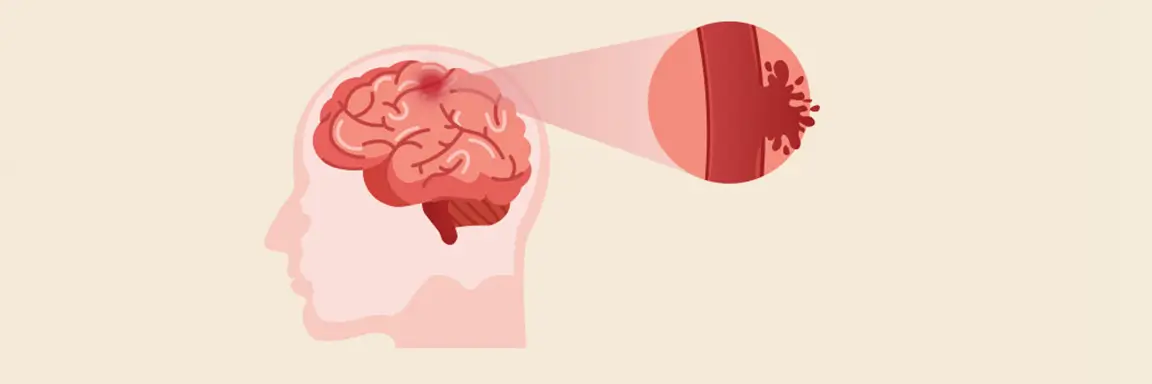
A Brain Stroke occurs when the blood supply of your brain is reduced. Due to the blockage of oxygen and nutrient supply, the brain cells rapidly begin...
18 August 2022

Pandemic times or not, the growth trajectory for home care services has been sturdy with a calling for quality and affordable healthcare services in t...
18 August 2022

They say only a life lived in the service of others is worth being lived; but have you ever imagined yourself serving people even after you die? Today...
18 August 2022

Lifestyles are changing; habits and constant stress are affecting health in a drastic way. We all know how important routine health check-ups are, esp...
18 August 2022

There is at least one song that triggers an emotional response in our system every time we listen to it. It usually is a song with relevance or memory...
18 August 2022
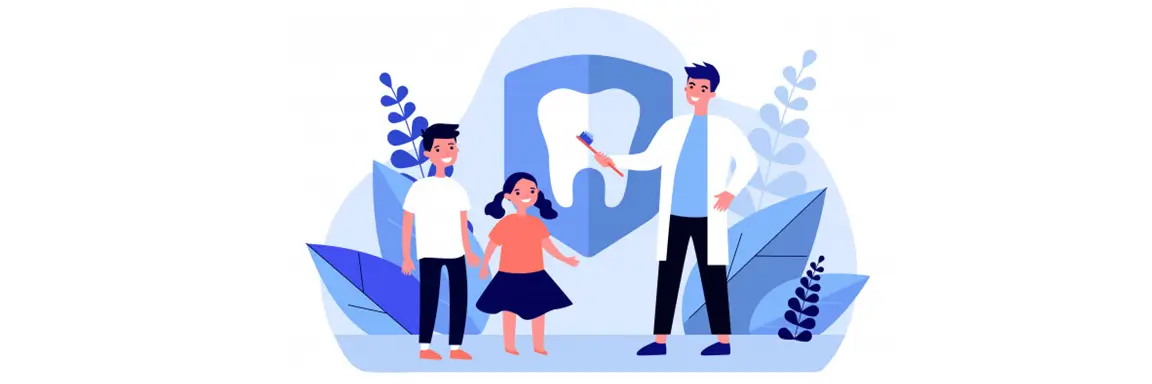
Let's face it, dental problems are never fun. However, the good news is that most of them can be quite easily prevented. Brushing twice a day...
18 August 2022
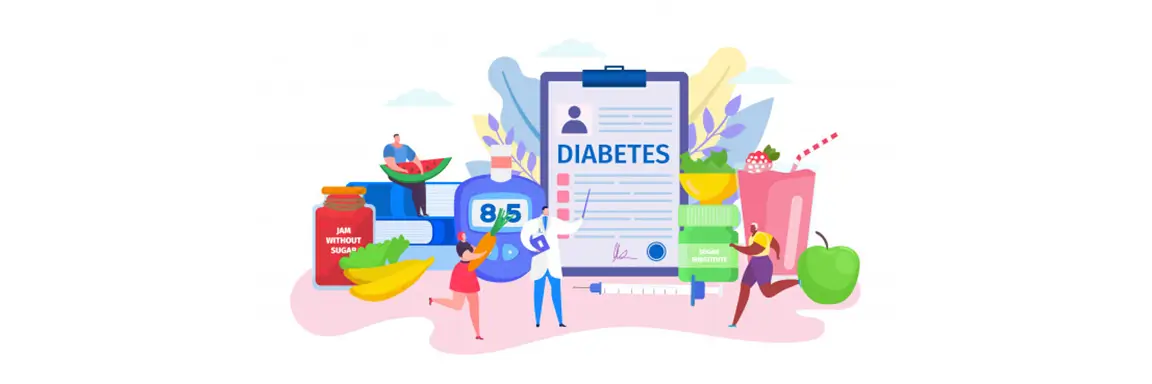
Healthy eating which is a part of lifestyle modification and includes exercise and meditation too, can help you prevent, control, and even reverse dia...
18 August 2022

Taking precautions during these trying times is extremely important, especially when we're confined to our homes. It is important to eat food that...
18 August 2022

The absence of mental health problems does not entirely indicate strong mental health. In fact, being mentally or emotionally healthy is a lot more th...
18 August 2022

While the monsoon brings with it, its own charm and a relief to the warm summers, the season also brings along a variety of diseases. The combination ...
18 August 2022
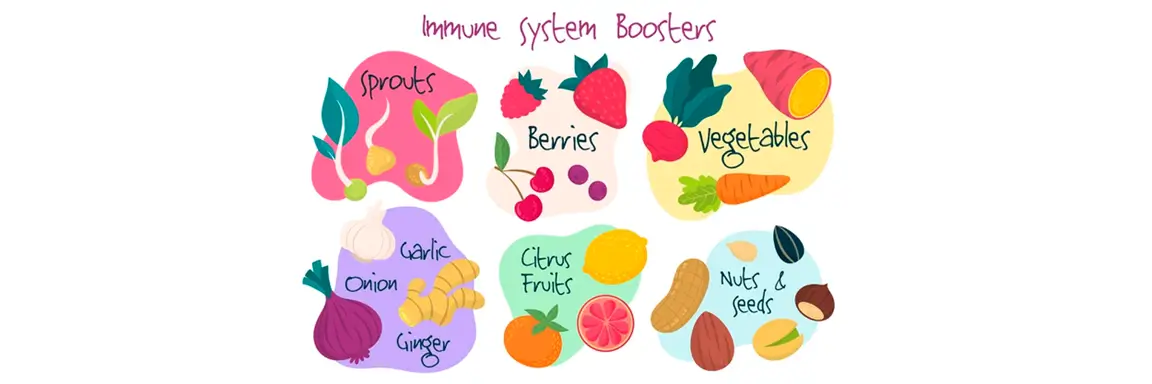
'Healthy Food Choices Lead to healthy Living' At every stage of one’s life, we probably hear this - Healthy eating leads to a happy l...
18 August 2022

Simply put, a ventilator is a machine which helps patients to breathe when they cannot breathe on their own. It is also known as a respirator. It work...
18 August 2022

COVID-19 has become the buzzword for quite some time now. All sorts of debates rise around the corner. Often in such distressing times pregnant women,...
18 August 2022

No matter how much people try to convince you that vegetarians cannot get all the required nutrition from their diet it’s actually not true. The...
18 August 2022

After an entire night of unprecedented tossing and turning, you will possibly wake up feeling sleepy, and extraordinarily grumpy. Weary mornings follo...
18 August 2022

We are still in the midst of a pandemic and doesn’t seem like it's going anywhere soon. For some cities, conditions are improving but others...
18 August 2022

The immune system is the most important part of the human body. But, with time & age, it may lose its grip over its purpose & may need a littl...
18 August 2022

Smartphones: the most important thing for the modern-day Homo Sapiens to survive – well at least most of us think that. Undoubtedly today's ...
18 August 2022
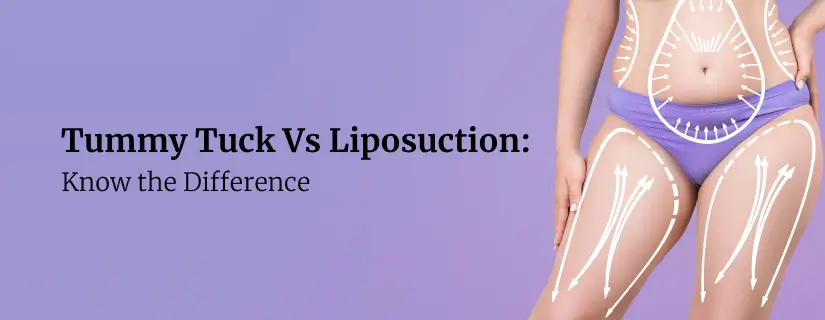
Cosmetic surgery offers solutions to dramatically reshape and contour the abdomen. Two of the most popular and effective options are tummy tuck and li...
19 April 2024

A burning sensation in the stomach occurs as a result of indigestion or food intolerance. Sometimes, it may indicate a more serious underlying problem...
19 July 2024
An antibiotic is probably among the most efficient drugs for treating bacterial infection. There are two most common ways through which antibiotics fu...
19 July 2024
Nobody likes to see their little bundle of joy quiet and low on energy. Vomiting is a common occurrence in children and adults alike, but persistent v...
19 July 2024

Spices do more than just enhance the taste and flair of your favourite meals; most of them contain huge portions of various nutrients and antioxidants...
19 July 2024
Urine plays a vital role in eliminating waste products and other excess elements from the body. Its color varies greatly, providing much useful inform...
19 July 2024
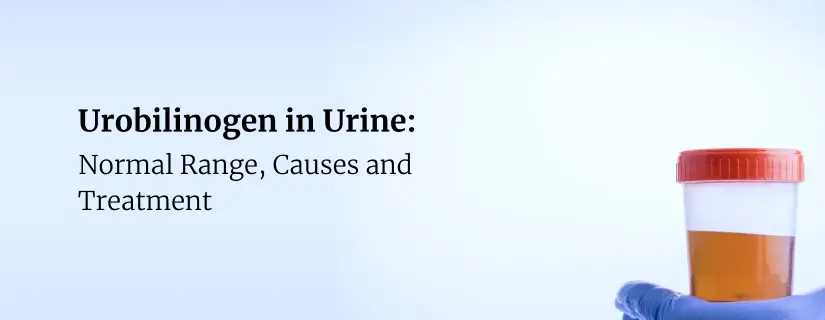
Urobilinogen, a colourless compound derived from the breakdown of bilirubin, is a natural component found in urine. Its presence and levels can provid...
31 July 2024

Typhoid fever, also called enteric fever, is a potentially life-threatening ailment caused by the Salmonella typhi bacteria and is a significant publi...
31 July 2024

Fever is a temporary increase in body temperature that can occur to anyone. It is a common symptom that can occur due to various reasons, like infecti...
31 July 2024
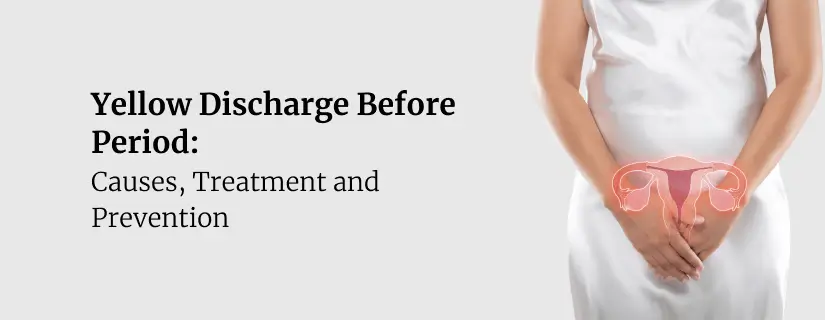
Menstrual cycles can be unpredictable, and women often experience various bodily changes leading up to their periods. One such change is the appearanc...
31 July 2024

Have you ever found yourself constantly worried about having a serious illness despite reassurance from doctors? This persistent fear and preoccupatio...
21 August 2024
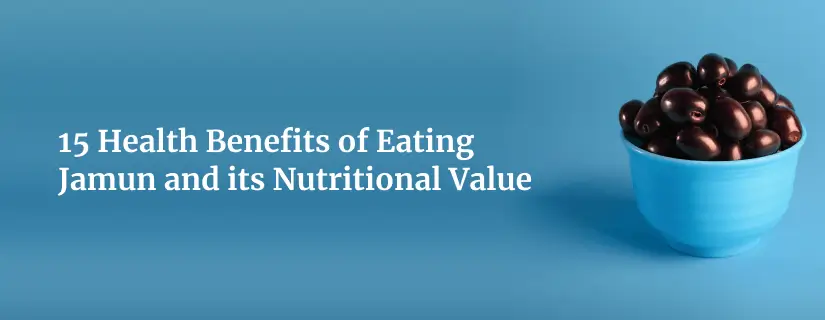
Did you know a small, purple fruit could revolutionise your health routine? Jamun, also called black plum or Indian blackberry, packs a powerful nutri...
21 August 2024

Did you know a common herb in your kitchen could be a powerhouse of health benefits? With its aromatic leaves, rosemary is more than a tasty addition ...
21 August 2024

Do you often feel exhausted, struggling to make it through the day? Fatigue affects millions worldwide, impacting their quality of life and productivi...
21 August 2024

Are you tired of constantly brushing flakes off your shoulders? Dandruff can be a pesky problem, but the good news is that you don't need expensiv...
21 August 2024
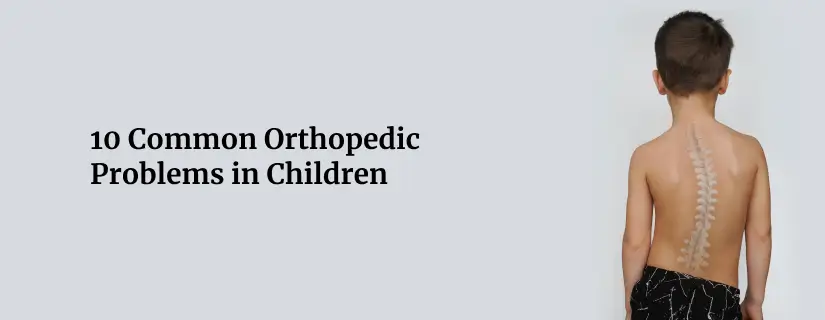
Orthopaedic problems in children can be a source of concern for parents and caregivers. Orthopaedic problems encompass a spectrum of conditions that a...
16 October 2024
Managing normal blood sugar levels is crucial for optimal wellness, primarily when regulating diabetes. Blood sugar, or blood glucose levels, refers t...
16 October 2024

Haemorrhoids or piles are one of the most common conditions affecting people worldwide. Piles happen due to swelling and inflammation of the anal and ...
16 October 2024

Toothaches can be excruciating and disruptive, making eating, speaking, or even concentrating on daily tasks difficult. If you're suffering from a...
16 October 2024
A stiff neck can be frustrating and painful, making it hard to move and do everyday things like driving or working. Pain and stiffness can disturb sle...
16 October 2024

Garlic, also known as "Lahsun" in some cultures, is a ubiquitous kitchen ingredient and an incredible powerhouse of health benefits. Garlic ...
28 November 2024
Many of us experience leg cramps at night (nocturnal leg cramps). They are involuntary muscle contractions that can be distressing, causing discomfort...
28 November 2024
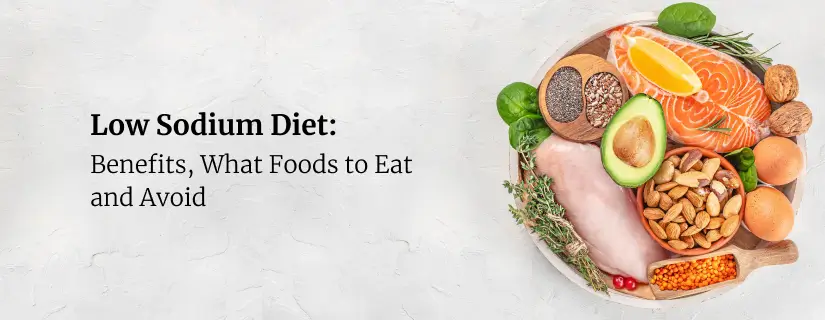
The significance of a healthy meal cannot be overstated, especially when managing our overall well-being. One aspect of a healthy diet that often gets...
28 November 2024
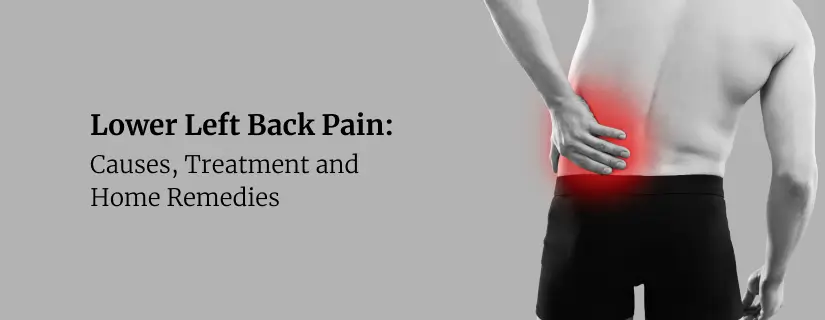
Lower back pain left side can be a painful experience that affects your daily life. It can range from a dull ache to a sharp, shooting pain. One may e...
28 November 2024
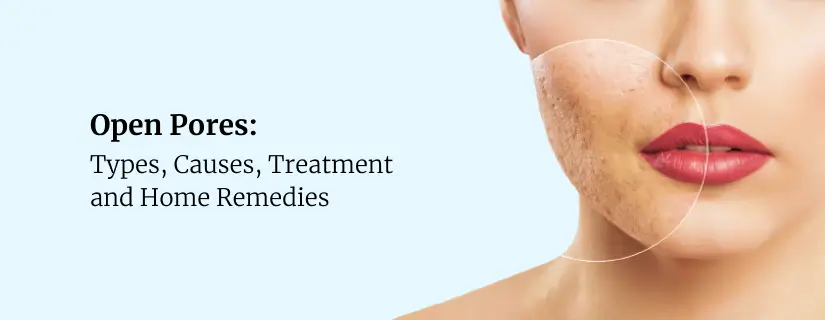
Many individuals strive to achieve flawless skin. One common obstacle in this pursuit is dealing with open pores. These open pores on face can make yo...
28 November 2024

Back pain affects up to 70% of females during pregnancy, making it one of the most common pregnancy-related discomforts. The growing baby, hormonal ch...
31 December 2024
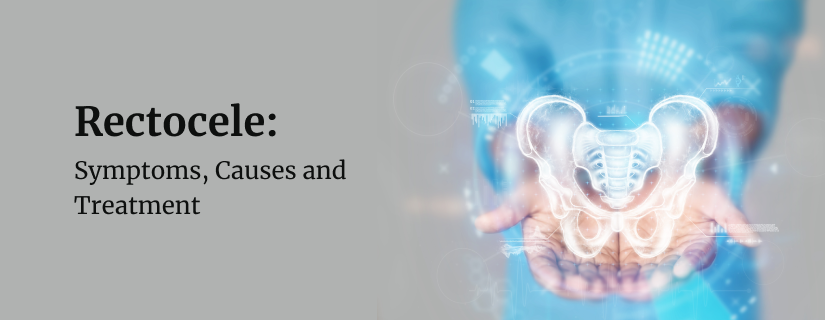
A rectocele affects many women worldwide, causing discomfort and concerns about their daily activities. Understanding rectocele helps patients make in...
31 December 2024
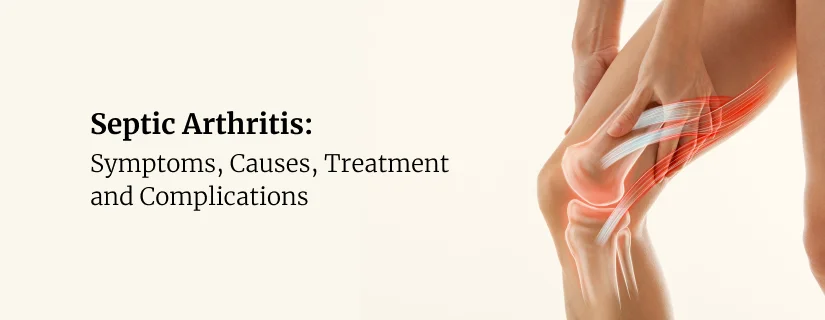
Septic arthritis demands immediate medical attention as this serious joint infection can cause permanent damage if left untreated. Patients with septi...
31 December 2024
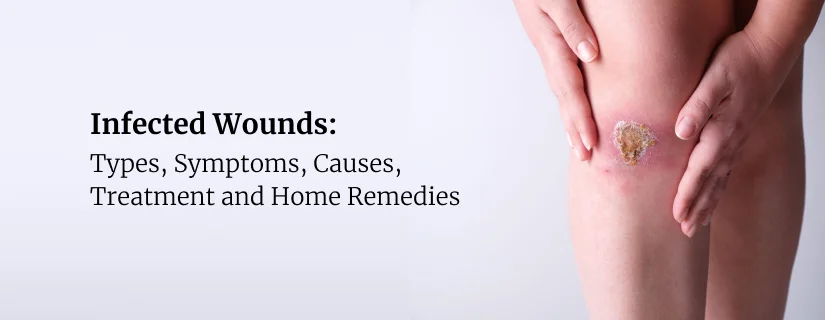
Infected wounds affect millions of people each year and can be translated into severe health issues when left untreated. Treating infected wounds requ...
2 January 2025

Cancer treatment modalities have evolved significantly over the past decades, offering patients more effective options for their care. Chemotherapy an...
2 January 2025
Kidney transplants give thousands of people a second chance at life each year. People with kidney failure can look forward to a normal, healthy life a...
15 January 2025
Kidney transplants have evolved significantly over the past decades, offering many patients better outcomes than long-term dialysis. While some worry ...
15 January 2025
Every year, thousands of people receive a second chance at life through liver transplants. This complex yet remarkable medical procedure has transform...
15 January 2025

The benefits of breastfeeding extend far beyond basic nutrition. These advantages make breastfeeding a powerful tool for both maternal and infant heal...
24 January 2025
Vaccines prevent millions of deaths worldwide each year, making them one of the most successful public health interventions in history. The importance...
24 January 2025

From the first smile to the first day of school, children undergo various physical, emotional, and cognitive changes shaping their future. This remark...
27 January 2025
.webp)
Infectious diseases affect millions worldwide yearly, from common cold viruses to more serious conditions requiring immediate medical attention. These...
27 January 2025
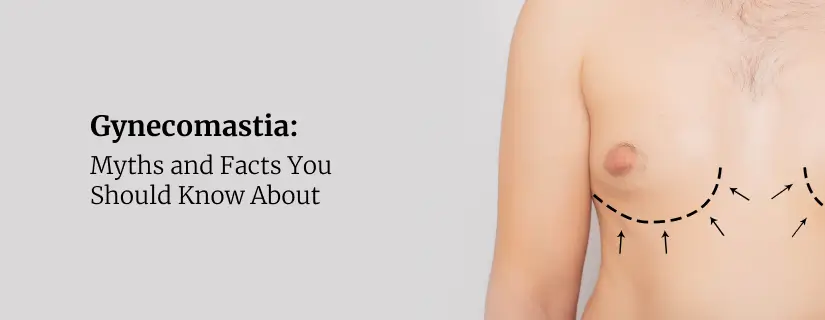
Many men feel worried when they notice unusual breast tissue development, but this condition affects nearly 65% of men at some point in their lives. F...
3 February 2025
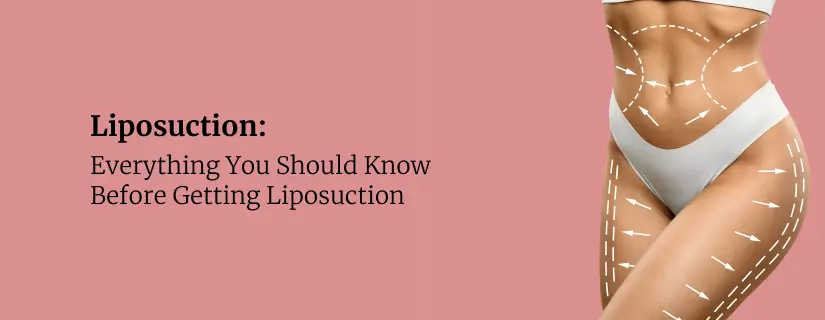
While liposuction ranks among the most popular cosmetic procedures worldwide, it is a body contouring tool rather than a weight loss solution. Liposuc...
3 February 2025

Many mothers look in the mirror after pregnancy and struggle to recognise their reflection. The journey of motherhood brings joy and fulfilment, but i...
3 February 2025

Approximately 1 in 33 babies are born yearly with congenital differences that affect their physical appearance or functionality. These structural diff...
3 February 2025
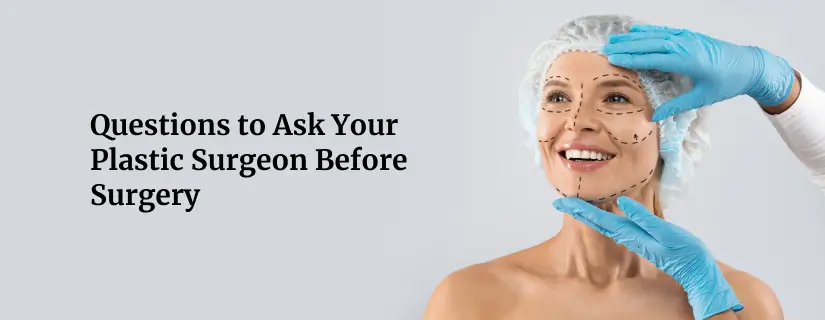
A consultation with a plastic surgeon serves as the foundation for any successful surgical journey. During this crucial meeting, patients can address ...
4 February 2025
Reconstructive plastic surgery stands apart from cosmetic procedures. While cosmetic surgery aims to enhance appearance, reconstructive surgery helps ...
4 February 2025
Ear lobe repair offers solutions for individuals with stretched, split, or torn earlobes. This surgical procedure helps restore the appearance and fun...
4 February 2025

Many individuals feel a deep disconnect between their gender identity and their physical appearance. This disconnect can significantly impact their da...
4 February 2025
Every year, millions of people consider plastic surgery as a way to enhance their appearance or correct physical issues. This growing interest stems f...
4 February 2025
Kidney stones affect lakhs of people in India, causing intense pain that many describe as worse than childbirth. These small, crystal-like deposits ca...
4 February 2025
Head and neck cancers, accounting for 4.5% of cancer diagnoses worldwide, represent a significant health concern that affects thousands of lives each ...
4 April 2025
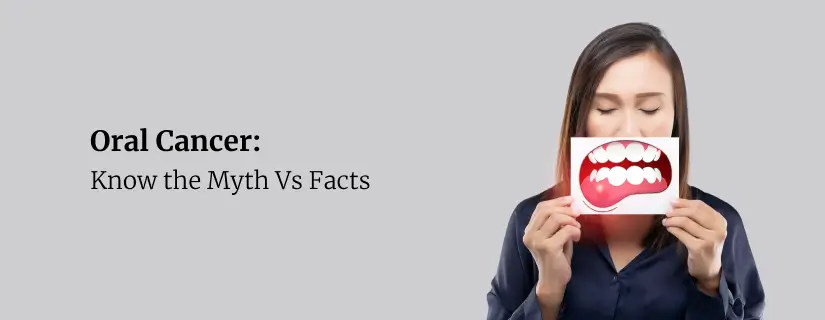
Oral cancer is the most common cancer in India. Despite this significant impact, many misconceptions continue to circulate about oral cancer, affectin...
4 April 2025
Throat cancer doesn't happen often, but you should pay attention to its early warning signs. Most people don't notice anything wrong until the...
4 April 2025
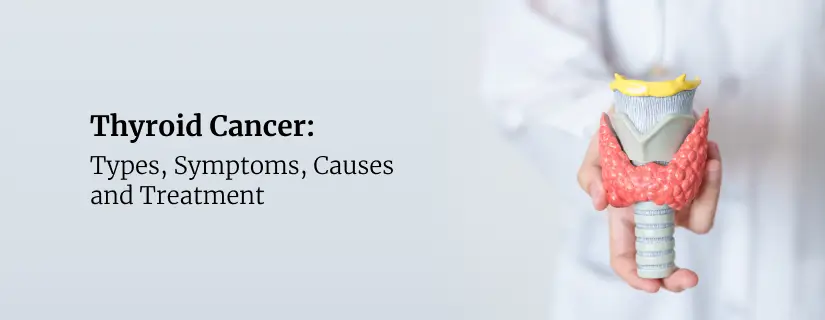
Thyroid cancer is the fastest-growing cancer of the thyroid gland, with women being three times more likely to develop the condition than men. While t...
4 April 2025
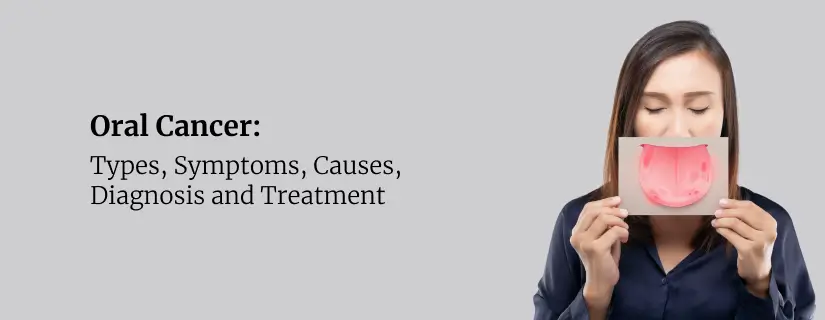
Oral cancer affects approximately 20 in 100,000 people during their lifetime, making it the most common form of head and neck cancer. The treatment of...
4 April 2025
Diabetes affects millions of people globally. As one of the leading causes of mortality and morbidity in the world, diabetes can lead to serious healt...
15 April 2025
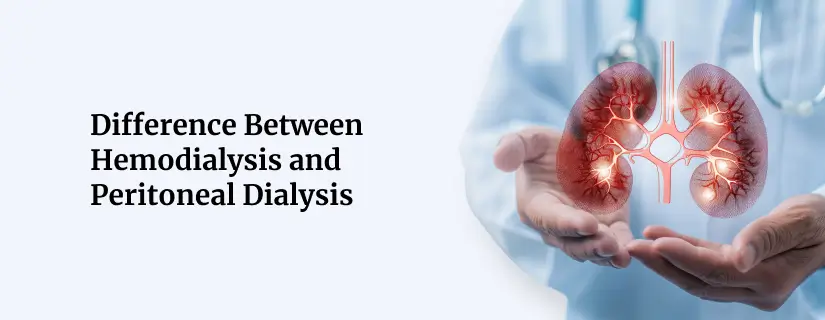
Chronic kidney disease (CKD) is a progressive kidney condition that affects around 10% of the adult population globally, many of whom rely on dialysis...
15 April 2025
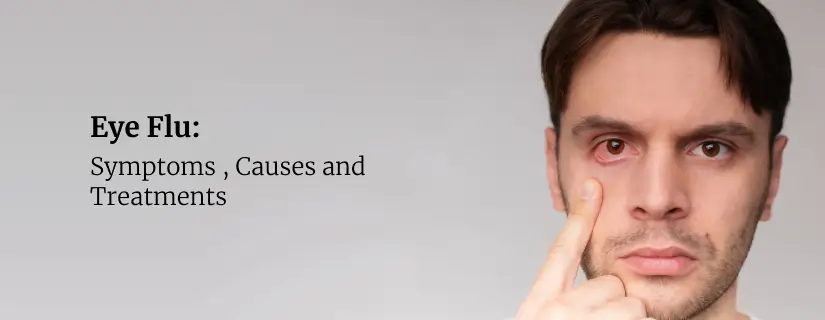
Eye flu affects about 6 million people worldwide annually and ranks among the most common eye conditions globally. Viral infections, bacterial infecti...
15 April 2025
Waking up with joint pain can disrupt daily life by limiting mobility, causing morning stiffness, and making routine tasks challenging. While traditio...
17 April 2025
Millions of people worldwide struggle with daily activities like climbing stairs or moving out of bed due to severe knee pain. When conservative treat...
17 April 2025
Ovarian cancer symptoms often go unnoticed until the disease reaches an advanced stage. Approximately 80% of ovarian cancer cases are diagnosed only a...
21 April 2025
Heart disease is the leading cause of death in women, yet many remain unaware of how differently chest pain manifests in women compared to men. Unlike...
21 April 2025
Knee replacement surgeries help thousands of patients regain mobility and reduce pain yearly. As medical technology advances, robotic knee replacement...
21 April 2025
Cosmetic breast surgeries have become increasingly common procedures, typically requiring only one to two hours to complete. These surgical interventi...
2 May 2025
Cranio-maxillo-facial surgery addresses the needs of millions of patients worldwide who require surgical correction for congenital and developmental c...
2 May 2025

Dimple creation surgery transforms an ordinary smile into one with charming indentations that many consider a mark of beauty. The procedure, also know...
2 May 2025
Hand trauma and replants represent a remarkable advancement in medical science since the first successful thumb reimplantation in 1968. Today, surgica...
2 May 2025
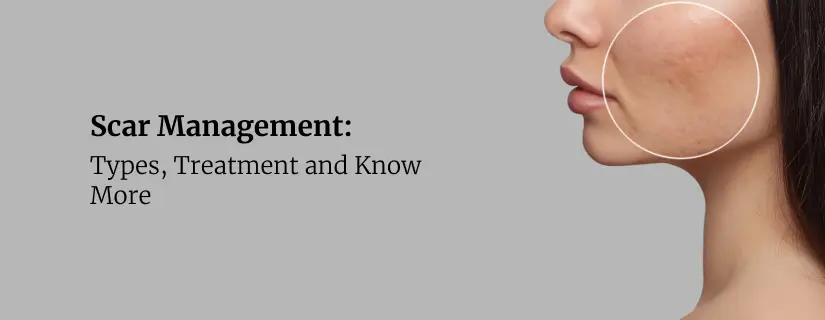
Nearly everyone develops scars, whether from accidents, surgical procedures, acne, or illnesses like chickenpox. These permanent marks on the skin rep...
2 May 2025
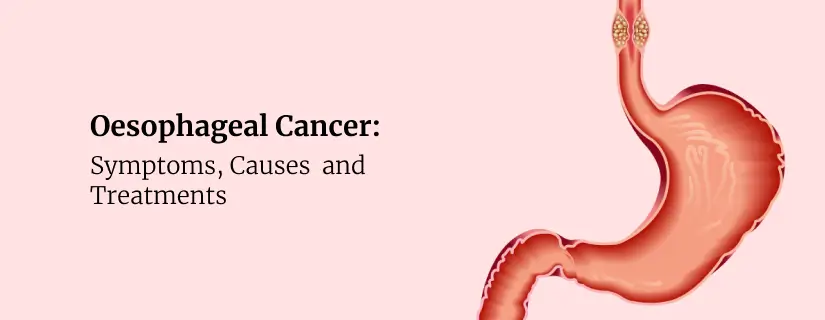
Oesophageal cancer is notoriously difficult to detect in its early stages, as symptoms often remain unnoticed until the disease has progressed signifi...
9 May 2025
Black pepper benefits have been recognised for thousands of years, earning this common household spice the prestigious title of "King of Spices.&...
9 May 2025
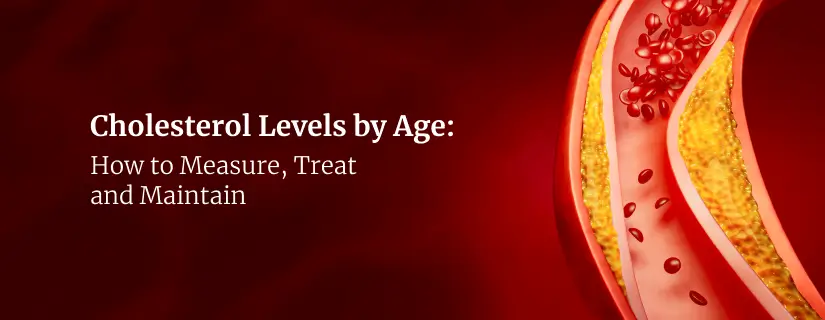
Understanding the normal range of cholesterol is crucial for health management, as these levels vary significantly with age, gender, and life stages. ...
9 May 2025
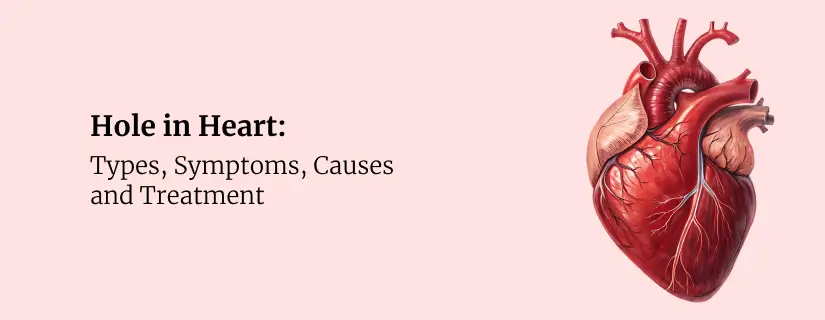
A hole in the heart is one of the most common congenital heart defects. While the survival rates for hearts with holes might sound alarming, they are ...
9 May 2025
Pre diabetes, a condition prior to type 2 diabetes, affects millions globally. What makes this condition particularly concerning is that most people w...
9 May 2025
Abdominal trauma affects thousands of patients yearly. This injury type poses unique dangers because symptoms don't always show up right away. Int...
2 June 2025

Proper pregnancy care makes the difference between life and death. Unpredictable complications affect many pregnancies, making maternal care crucial f...
2 June 2025

Pregnancy-related health challenges happen more often than you might think. Most women have normal pregnancies. However, knowing about these possible ...
3 June 2025

High-risk pregnancy occurs more frequently than most people might think. The journey becomes more challenging for these women who need specialised att...
3 June 2025

Antenatal care saves mothers' lives globally. The global reality remains sobering, with many women still losing their lives due to pregnancy-relat...
4 June 2025

Prenatal care can make the difference between life and death for babies. A mother's prenatal journey involves regular checkups, screenings, nutrit...
4 June 2025

Postnatal care needs immediate attention worldwide. Most mothers and babies die in the first six weeks after delivery. The World Health Organisation (...
5 June 2025
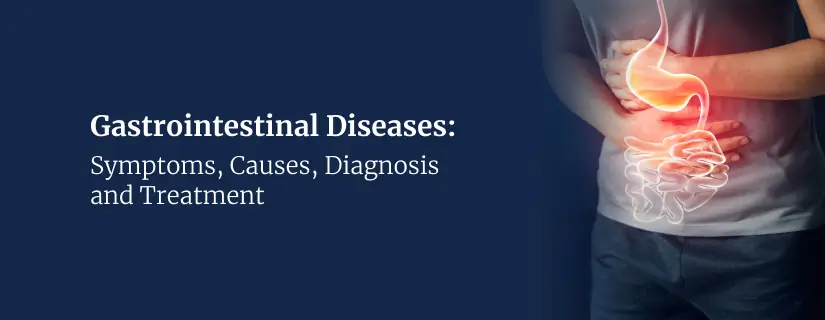
The digestive system's organs work together to break down food and absorb nutrients. Gastrointestinal diseases affect this system and the gastroin...
5 June 2025

A hernia can make daily life challenging. Constant bulging, pain, and activity restrictions adversely affect the quality of life in the affected perso...
6 June 2025
About 6 out of 100 people have gallstones, but many patients don't seek treatment because they believe myths about gallbladder surgery. The proced...
6 June 2025
Laparoscopy needs just 1-2 centimetre incisions, while traditional open surgery requires a 6-12 inch cut. This minimally invasive technique, known as ...
6 June 2025
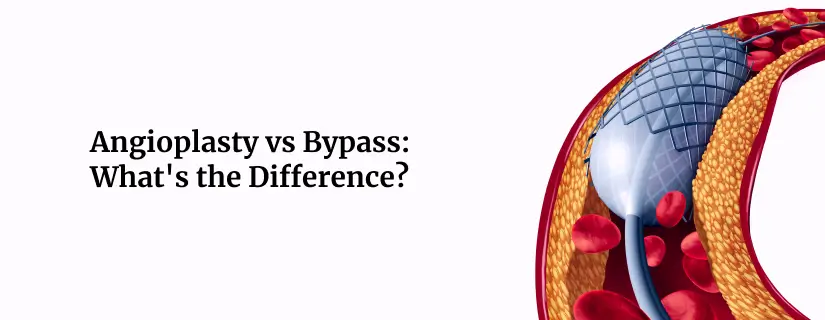
If you want to learn about the leading causes of death in the world, coronary artery disease (CAD) is one condition you should be aware of. In this, t...
18 June 2025
When you visit your doctor with a complaint of discomfort and pain behind the left ribs in your upper abdomen, the doctor may start with a physical ex...
18 June 2025
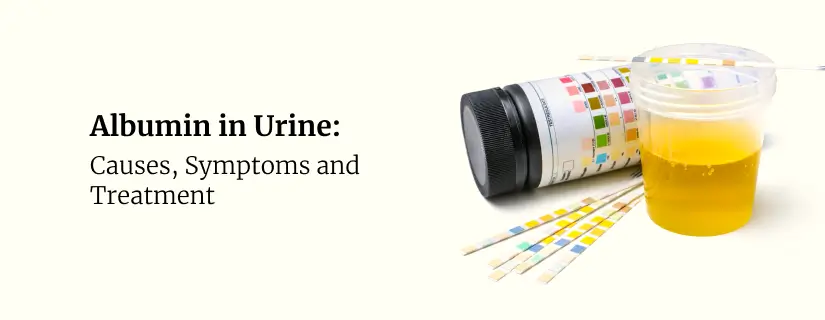
Sometimes, as your kidney gets damaged, there can be leakage of a vital blood protein. This loss occurs through your urine. If your kidneys are health...
18 June 2025
If you have low oestrogen symptoms, you are among millions of women worldwide. The symptoms of low oestrogen levels are more prominent during menopaus...
18 June 2025
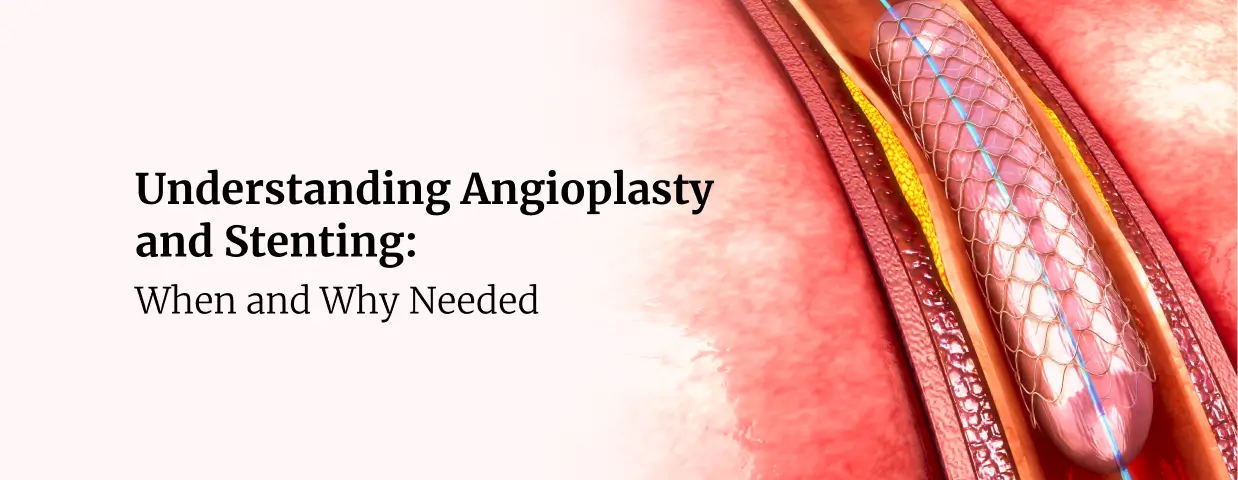
Angioplasty and stenting save lives through minimal invasion every day. These procedures can cut down the risk of complications, heart failure, and de...
9 July 2025
Antiepileptic drugs effectively control seizures in the majority of epilepsy patients, but many struggle with drug-resistant epilepsy. Surgery becomes...
9 July 2025
Sports injuries strike one in three young athletes yearly, making prevention and treatment crucial knowledge for anyone active in sports. Young compet...
9 July 2025
Sometimes, your doctor may recommend GI surgery. You may not be sure about it. The question that pops into your mind is why I need gastrointestinal (G...
9 July 2025
Liver disease affects millions of people worldwide. This vital organ weighs up to 4 pounds and plays a significant role in digestion, waste removal, a...
18 July 2025
VELYS robotic technology is reshaping the scene of knee replacement surgery and improving outcomes for patients with joint problems. Traditional knee ...
6 August 2025

Chemotherapeutic drugs are the cornerstone of cancer treatment, but they cause major side effects because they can't target cancer cells precisely...
7 August 2025
Gallstones are the most common gallbladder-related condition worldwide. Laparoscopic gallbladder surgery has become the gold standard treatment since ...
7 August 2025
Total knee replacement revolutionises the lives of thousands of patients each year. This procedure ranks among the most common orthopaedic surgeries w...
7 August 2025
Mouth cancer is one of the top 10 malignancies worldwide. Most of these cases could be avoided or handled if found in the early stages. The tough trut...
5 November 2025

Many people don't realise how strong the connection is between cancer-causing foods and disease risk. Studies show that red meat like beef, pork, ...
5 November 2025

Triple-negative breast cancer makes up about 15% to 20% of breast cancer cases found around the world. This cancer is aggressive and acts unlike other...
6 November 2025

Cancer develops differently and affects many parts of the body. Cancer affects millions of people each year. Cancer remains the second leading cause o...
6 November 2025

Proper precautions during chemotherapy are vital to support recovery and reduce discomfort for patients undergoing cancer treatment. Chemotherapy targ...
27 November 2025

Chemotherapy can suppress your immune system severely. Therefore the choice of food on your plate matters more than ever during cancer treatment becau...
27 November 2025

Chemotherapy is one of the most common treatments for cancer. These powerful drugs target cells that divide faster in any part of your body. The treat...
27 November 2025
CAR T-cell therapy has been considered a breakthrough in cancer treatment over the last several years. Your cancer expert will use your own immune cel...
27 November 2025

Chemotherapy is a key treatment for cancer patients at every stage. Patients who take the time to understand when chemotherapy is used often feel more...
27 November 2025
Cervical cancer affects millions of women every year. In India, approximately 1.27 lakh new cases of cervical cancer are reported annually, and nearly...
22 January 2026
Your body's hormones act as chemical messengers that deeply affect your mental, physical, and emotional health. The right hormone-balancing foods ...
22 January 2026
Coronary arteritis, also known as coronary artery vasculitis (CAV), is a serious cause of myocardial infarction (heart attack). A small proportion of ...
3 February 2026

Permanent congenital hearing loss affects 2-3 per 1000 births worldwide. Doctors call this condition a "neurodevelopmental emergency" becaus...
10 March 2026

Chemotherapy is one of the most common treatments for cancer today. This is a powerful way of treating cancer that uses one or more anti cancer drugs ...
10 March 2026
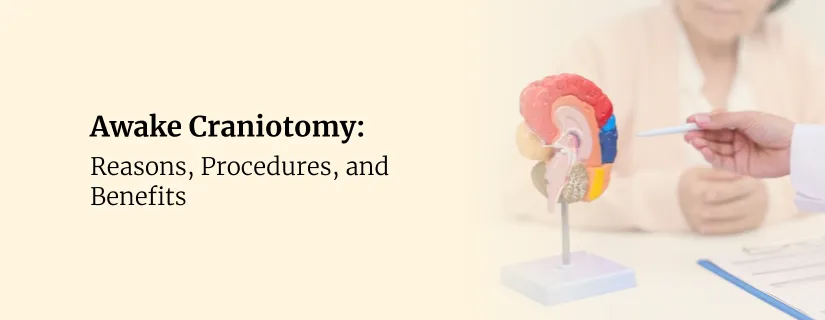
Awake craniotomy or awake brain surgery is specialised brain surgery that removes brain tumour while patients remain conscious during the operation. T...
10 March 2026
A child's musculoskeletal system is fundamentally different from an adult's, not just in size, but in how it responds to injury, how it grows ...
21 April 2026
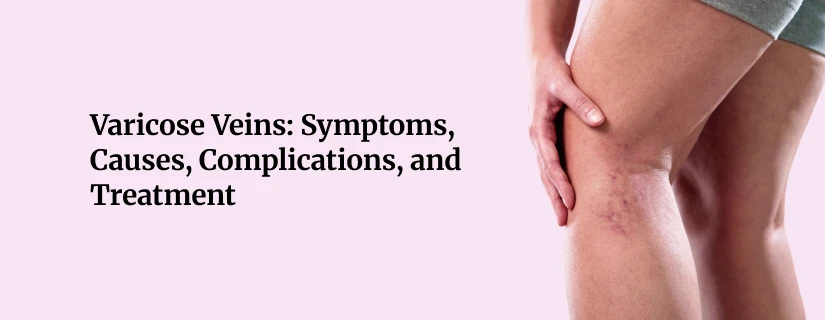
Most people with varicose veins wait too long. They brush them off as a cosmetic problem, live with the aching and swelling, and only seek help once t...
21 April 2026
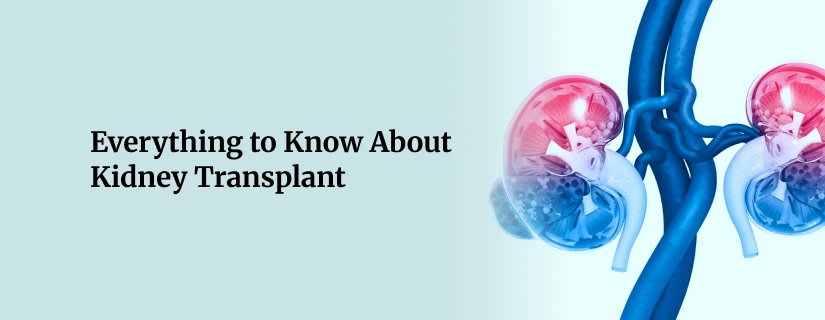
Kidney failure is a diagnosis that changes daily life completely. Dialysis keeps patients alive, but it is not a cure. A kidney transplant is the clos...
21 April 2026

One of the most common questions expectant mothers ask is whether they will have a normal delivery or a C-section. The honest answer is that this deci...
21 April 2026
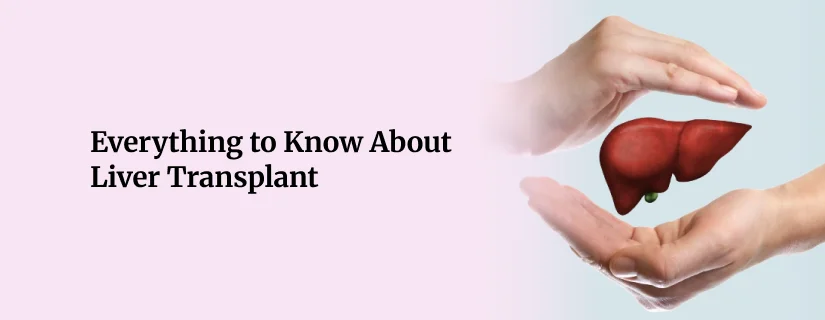
A liver transplant removes a diseased or failing liver and replaces it with a healthy one from a donor. It is the only treatment that can fully restor...
8 May 2026
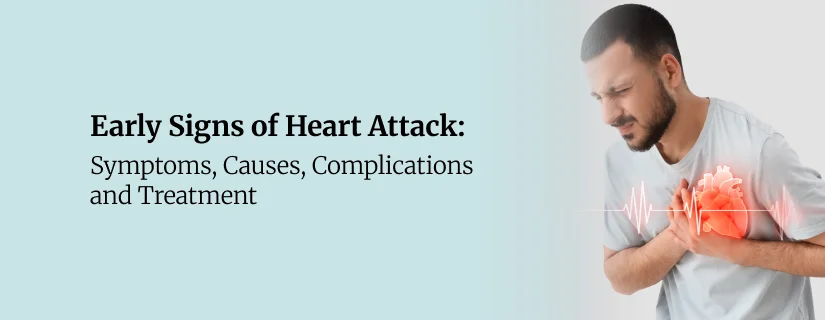
Heart attacks do not always arrive the way films portray them with sudden collapse and dramatic chest pain. Many begin quietly. Some early signs of he...
8 May 2026
Cancer found early is cancer that is far easier to treat. The difference between stage 1 and stage 4 is not just clinical it is the difference between...
8 May 2026
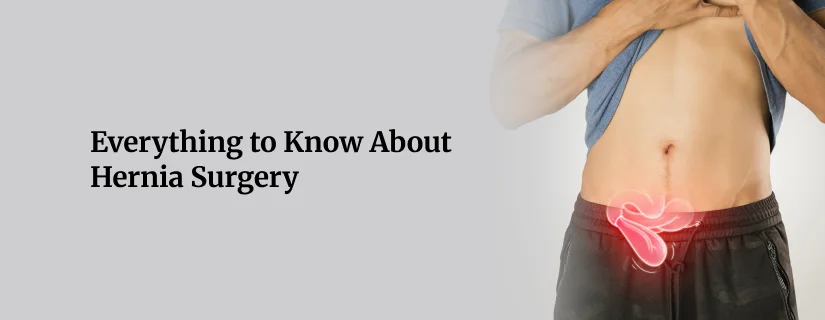
A hernia occurs when an internal organ or fatty tissue pushes through a weakened point in the surrounding muscle or connective tissue. Hernia surgery ...
5 June 2026
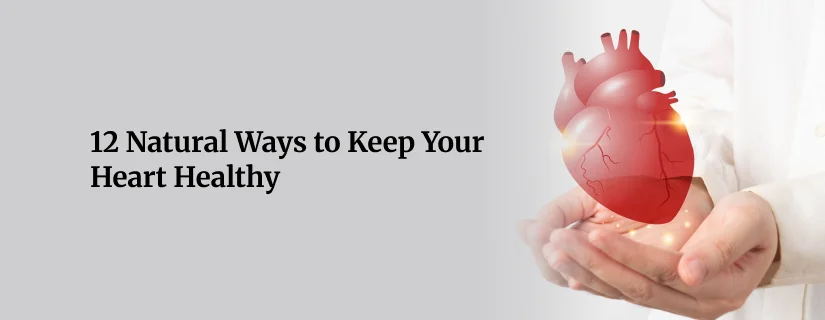
Cardiovascular diseases are increasingly affecting people during their most active working years. Many people consult their doctors with the same ques...
5 June 2026
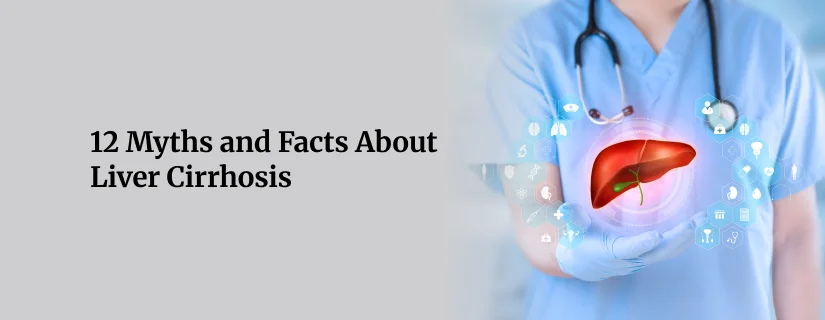
Liver cirrhosis is one of the most misunderstood conditions in clinical medicine not because it is rare, but because misinformation about its causes, ...
5 June 2026
Brain health sits at the centre of everything else, including movement, memory, speech, and mood. Yet stroke and neurological disorders receive far le...
11 August 2026
Every year, malaria affects millions of people across India and the wider tropics. A parasite from the genus Plasmodium, spread by mosquitoes, is resp...
11 August 2026
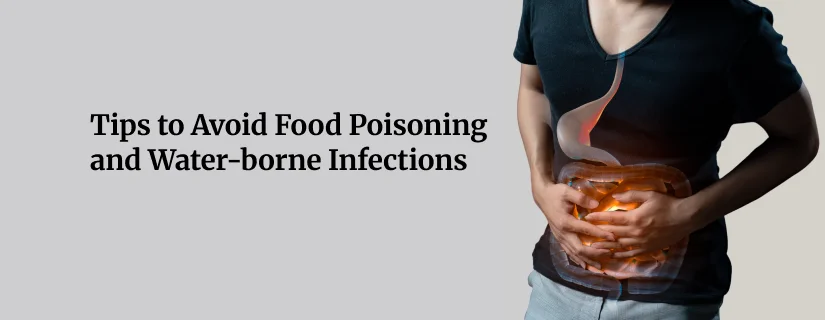
Food poisoning and waterborne infections cause a substantial share of illness across India. The monsoon season makes matters worse. Contamination risk...
11 August 2026
Most people associate plastic surgery with cosmetic procedures like nose reshaping, facelifts, and body contouring. Reconstructive plastic surgery occ...
11 August 2026
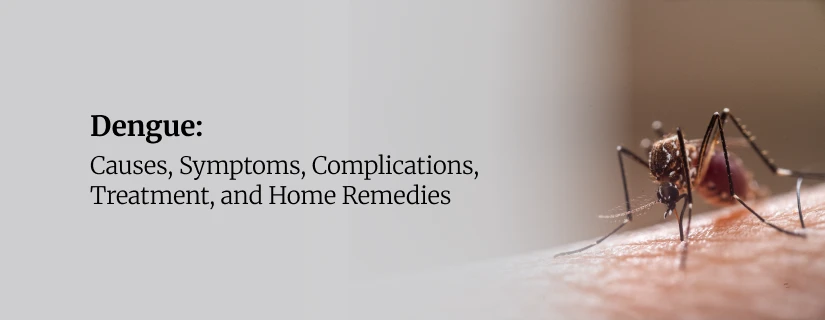
Every monsoon, dengue makes headlines across India. Mosquito-borne illness rarely spreads this quickly or this widely. That alone explains the level o...
19 August 2026
Sarcoma is rare enough that most people have never heard of it, yet delays in diagnosis are a common pattern across oncology centres worldwide. It dev...
19 August 2026

A silent heart blockage is a narrowing or blockage of the coronary arteries (the vessels that supply the heart muscle) by fatty plaque that causes no ...
28 October 2026

A stroke is a medical emergency in which blood flow to part of the brain is blocked or a blood vessel in the brain bursts so that brain cells begin to...
28 October 2026
TOUCHING LIVES AND MAKING A DIFFERENCE
If you cannot find answers to your queries, please fill out the enquiry form or call the number below. We will contact you shortly.