
-
Centre of Excellence
Specialties
Treatments and Procedures
 HyderabadCARE Hospitals, Banjara Hills CARE Outpatient Centre, Banjara Hills CARE Hospitals, HITEC City CARE Hospitals, Nampally Gurunanak CARE Hospitals, Musheerabad CARE Hospitals Outpatient Centre, HITEC City CARE Hospitals, Malakpet
 Raipur
 Bhubaneswar
 Visakhapatnam
 Nagpur
 Indore
 Chh. Sambhajinagar
 Clinics & Medical Centers


-

-

-

-

-

-
Follow Us

Best Hospital for Hemorrhoidectomy in Hyderabad
- Advanced Technology
- Shorter Hospital Stay
- Pre & Post-Operative Care
- All Insurance Accepted

Chat With Our Experts
Get second opinion on Whatsapp
25 lakhs+
Happy Patients
Experienced and
skilled surgeons
17
Health Care Facilities
Top most Referral Centre
for Complex Surgeries
Advanced Hemorrhoidectomy Surgery
Hemorrhoidectomy remains the most effective surgical solution for people who suffer from severe hemorrhoidal disease. Many people can manage haemorrhoids without surgery, but some need surgical intervention.
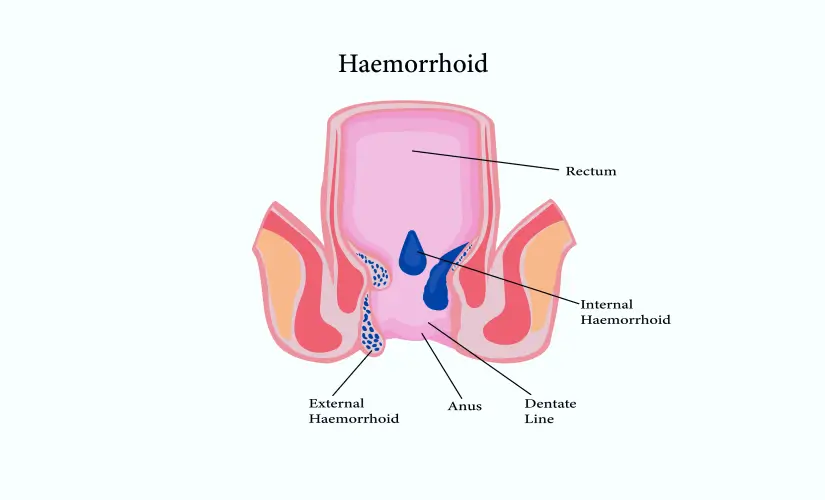
Symptomatic hemorrhoidal disease usually affects people between ages 45 to 65. The different stages of haemorrhoids help explain the need for surgery. Internal haemorrhoids develop through four degrees.
- First-degree haemorrhoids stay inside the rectum.
- Second-degree haemorrhoids extend outside during bowel movements but return naturally.
- Third-degree haemorrhoids protrude and need manual repositioning.
- Fourth-degree haemorrhoids stay outside permanently without any possibility of repositioning.
Surgical excision benefits patients who suffer from recurrent, symptomatic grade III or IV haemorrhoids. This article explains what hemorrhoidectomy surgery is, procedure types and aftercare.
Why CARE Group Hospitals is Your Top Choice for Hemorrhoidectomy Surgery in Hyderabad
CARE Group Hospitals excels as the best choice for patients who need hemorrhoidectomy surgery in Hyderabad. At CARE Hospitals you get an amalgamation of expert doctors with state of the art technology that gives the best results for haemorrhoid patients. Our integrated team of surgeons, gastroenterologists and pain management specialists creates personalised treatment plans together. Our detailed pre and post operative care gives patients support throughout their recovery. The hospital believes in a patients first approach and addresses both physical symptoms and emotional concerns which makes the entire process more comfortable.
Best Hemorrhoidectomy Doctors in India






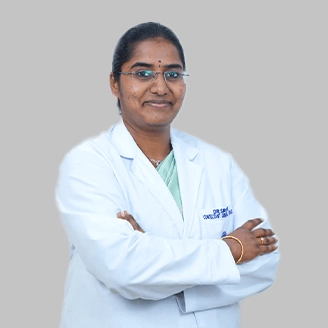
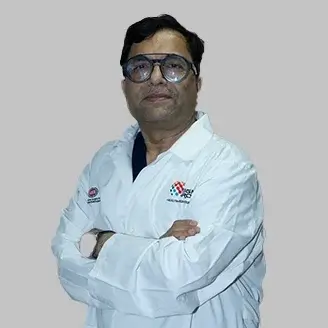
State-of-the-art Surgical Innovations at CARE Hospitals
CARE Hospitals' surgeons use advanced techniques that boost hemorrhoidectomy outcomes:
- Doppler-guided haemorrhoid artery ligation for precise blood vessel identification
- Minimally invasive stapled hemorrhoidopexy that reduces post-operative pain
- Laser hemorrhoidoplasty for exact tissue removal
- Radiofrequency ablation for internal haemorrhoids
- High-resolution anoscopy for accurate diagnosis
Indications for Hemorrhoidectomy Surgery
CARE Hospital's specialists recommend hemorrhoidectomy for specific conditions. These include:
- Grade III and IV haemorrhoids that have substantially prolapsed
- Thrombosed external haemorrhoids causing severe pain
- Cases with persistent bleeding
- Mixed haemorrhoids (both internal and external)
- Recurrent symptomatic haemorrhoids
- Haemorrhoids linked to anal fissures
Types of Hemorrhoidectomy Surgery Procedures
CARE Hospitals provides various hemorrhoidectomy techniques customised to each patient's needs.
- Conventional Hemorrhoidectomy:This traditional surgical method removes severe or prolapsed haemorrhoids through excision. It is highly effective for advanced cases and provides long-term relief.
- Stapled Hemorrhoidectomy (PPH Procedure):The stapled hemorrhoidectomy repositions prolapsed haemorrhoids and cuts off their blood supply.
- Laser Hemorrhoidectomy:It is a minimally invasive approach in which your doctor uses laser energy to remove or shrink haemorrhoids with minimal bleeding & discomfort.
Each patient gets the most suitable procedure based on their condition severity, location, and individual health factors.
Pre-surgery Preparation
The right preparation will give you successful outcomes from a hemorrhoidectomy.
- Doctors recommend that you fast for 6-8 hours before the procedure.
- Your doctor might recommend an enema to clear the distal rectum, though this isn't always needed.
- You should tell your surgeon about any medications you take, especially blood thinners that need to be stopped.
- Many surgeons ask patients to follow a cleansing routine the day before surgery.
Hemorrhoidectomy Surgery Procedure
Surgeons choose different techniques based on haemorrhoid severity.
- Closed hemorrhoidectomy: The surgeon removes hemorrhoidal tissue and closes the wound with dissolvable sutures.
- Open hemorrhoidectomy: The surgeon removes hemorrhoidal tissue and leaves the wounds open to heal.
- Stapled hemorrhoidopexy: This procedure involves lifting the haemorrhoids instead of removing them.
Post-surgery Recovery
Most patients recover in 2-4 weeks, and pain usually goes away after two weeks. You might see some bleeding, especially after bowel movements. These steps will help you heal:
Take warm sitz baths 3-4 times daily
- Stay hydrated and eat high-fibre foods
- Use prescribed pain medication as directed
- Avoid straining or heavy lifting
Complications
Complications can include:
- Bleeding
- Urinary retention
- Infection
- Major haemorrhage (rare)
Long-term complications are:
- Anal stenosis
- Skin tags
- Recurring haemorrhoids
- Faecal incontinence
Benefits of Hemorrhoidectomy Surgery
Surgical removal works best because haemorrhoids rarely come back. This treatment gives permanent relief when other treatments have not worked for you. Surgery becomes crucial for emergency cases (thrombosed or strangulated haemorrhoids).
Insurance Assistance for Hemorrhoidectomy Surgery
Most health insurance plans pay for a hemorrhoidectomy if it is medically needed (coverage depending on your policy). CARE Hospitals' dedicated insurance team guides patients through pre authorisation, claim submission and documentation ensuring a smooth and transparent process.
Second Opinion for Hemorrhoidectomy Surgery
Getting another doctor's opinion helps confirm your diagnosis and shows you other treatment options. Second opinions become even more important for you when surgery is recommended or other treatments have not helped. This extra step gives you peace of mind and shows all your options before moving forward.
Conclusion
Hemorrhoidectomy remains the gold standard treatment for severe hemorrhoidal disease after non-surgical options fail. Patients with grade III or IV haemorrhoids see the most benefit from this procedure particularly those who continue to have symptoms despite conservative management.
CARE Hospitals stands out as an excellent choice if you need a hemorrhoidectomy in Hyderabad. Our skilled surgeons have years of practice using advanced methods (like laser hemorrhoidoplasty) to get results that match global standards. The hospital's patient first approach effectively addresses physical discomfort and emotional concerns throughout the treatment process. Note that while hemorrhoidectomy involves some discomfort during recovery, appropriate candidates find long-term relief from painful symptoms worth the process.
Best Hemorrhoidectomy Hospitals in India
-
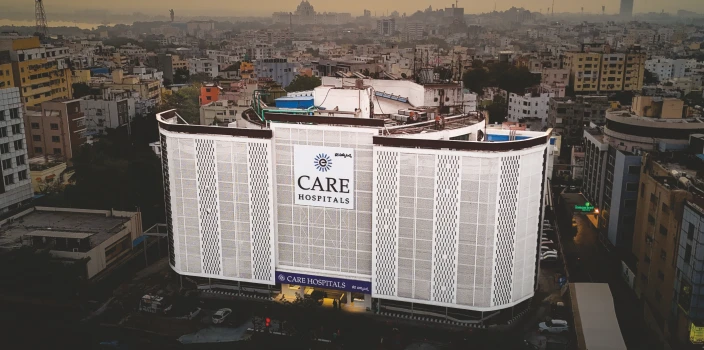
CARE Hospitals, Banjara Hills, Hyderabad
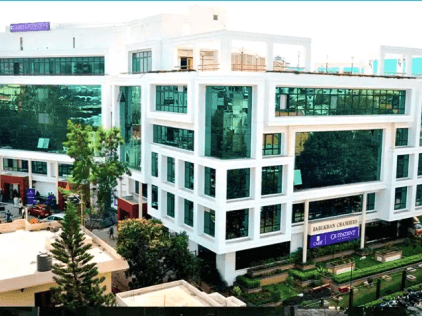
CARE Hospitals Outpatient Centre, Banjara Hills, Hyderabad

CARE Hospitals, HITEC City, Hyderabad
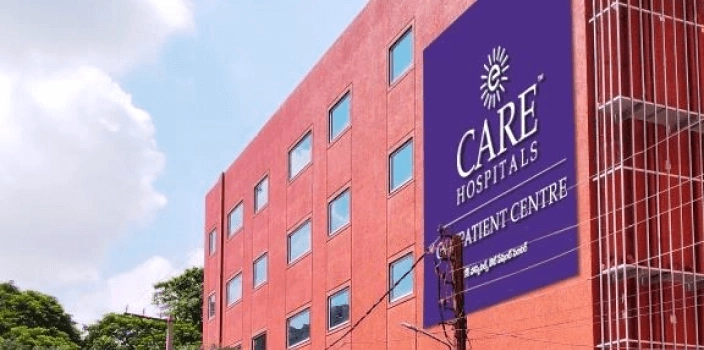
CARE Hospitals Outpatient Centre, HITEC City, Hyderabad
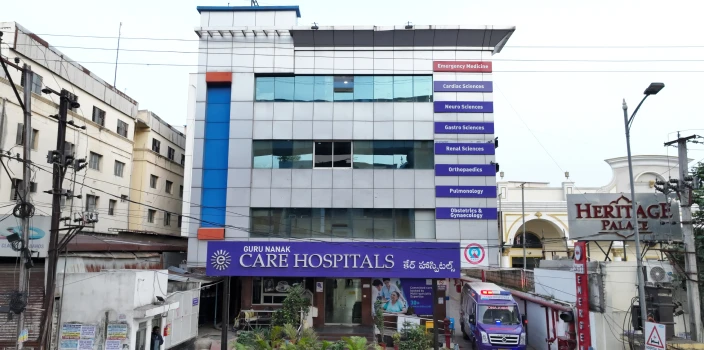
Gurunanak CARE Hospitals, Musheerabad, Hyderabad
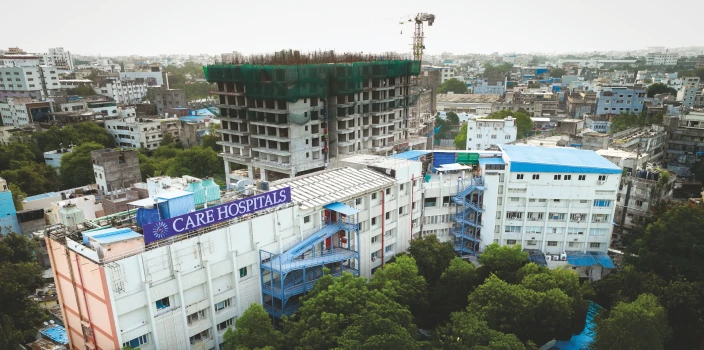
CARE Hospitals, Nampally, Hyderabad
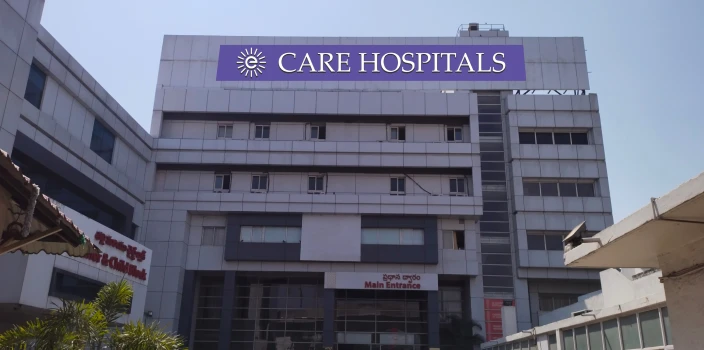
CARE Hospitals, Malakpet, Hyderabad

CARE Hospitals, Bhubaneswar
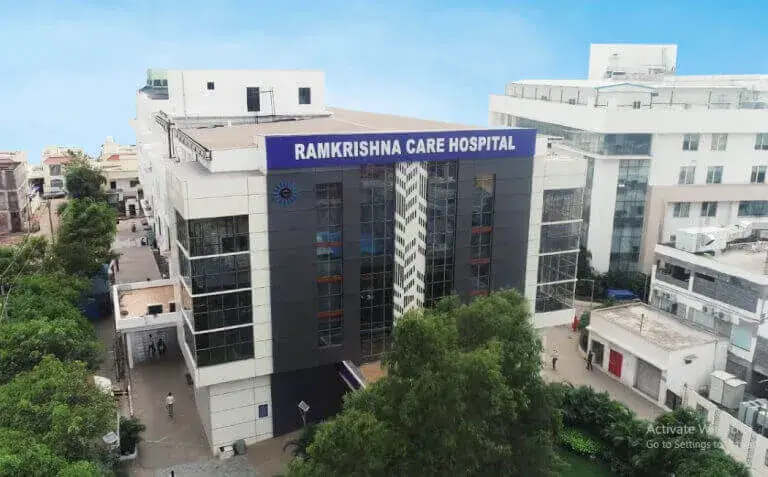
Ramkrishna CARE Hospitals, Raipur
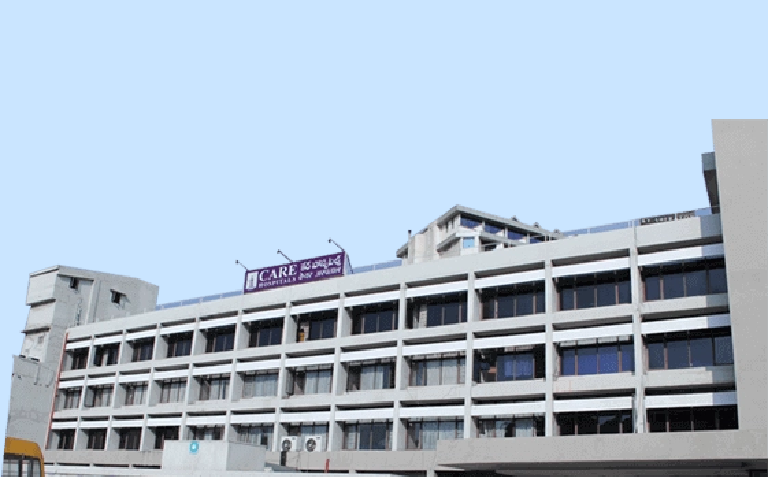
CARE Hospitals, Ramnagar, Visakhapatnam
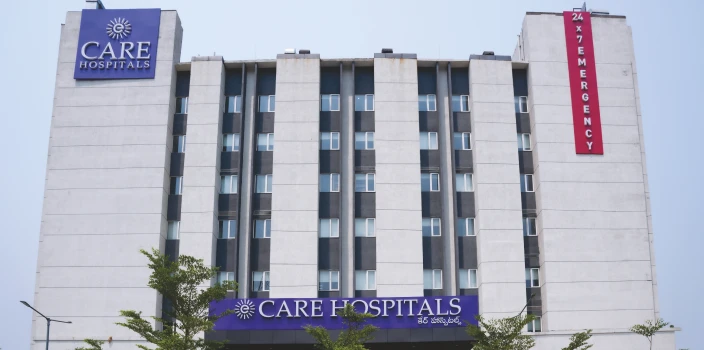
CARE Hospitals, Health City, Arilova
Frequently Asked Questions
A hemorrhoidectomy surgically removes large, prolapsed, or severe haemorrhoids. Doctors recommend this surgery for third and fourth-degree haemorrhoids that don't respond to other treatments. The procedure removes swollen veins in the anal area and provides lasting relief from pain, bleeding, and discomfort.
Yes, it is normal to experience post-operative pain after a hemorrhoidectomy. The pain usually lasts seven to fourteen days. Doctors prescribe pain medication, suggest warm sitz baths, and recommend stool softeners to help manage discomfort. The good news is that pain typically goes away after two weeks.
The surgery takes 30 minutes to 1 hour. Some newer techniques like stapled hemorrhoidopexy might need just 20-30 minutes.
The common complications include:
- Bleeding
- Urinary retention
- Infection
- Anal stenosis (narrowing)
- Faecal incontinence in rare cases
Recovery takes 2-4 weeks. Many patients return to their daily routine after 1-2 weeks, but complete healing takes 4-6 weeks. Patients should avoid strenuous activities for at least 4 weeks after surgery.
The preparation steps include:
- No food or drink 6-8 hours before surgery
- Taking a laxative or enema if prescribed
- A discussion about current medications with your doctor
- Following specific bowel preparation guidelines
Limit sitting to 10-15 minutes at first. A soft foam pillow helps with comfort. Rubber rings or "donut" cushions should be avoided. Sitting time can increase gradually as comfort improves.
Anaesthesia ensures you won't feel anything during the procedure. The surgeon locates and removes hemorrhoidal tissue, then either closes the wounds or leaves them open based on the technique.
You should stop eating and drinking six to eight hours before your procedure. Your doctor might go for emptying your colon with laxatives or enemas. Talk to your surgeon about all medications, especially blood thinners that may need to be stopped. Take a shower before coming but skip lotions, perfumes, or deodorants. Make sure someone can drive you home because anaesthesia makes driving unsafe.
Your doctor will schedule a follow up visit two to three weeks after surgery. You should call your doctor right away if you have a fever over 101°F, heavy bleeding, severe pain or trouble urinating. Regular check ups help spot & fix any problems early.
- Begin with clear liquids and slowly add fibre-rich foods.
- Drink plenty of water ( two to two and a half litres daily).
- Foods rich in omega-3 fatty acids help reduce inflammation.
- Stay away from spicy foods, refined grains, too much meat and alcohol since they can cause constipation or irritation.
- Soft stools come from eating high-fibre fruits, vegetables, and whole grains.
The chance of haemorrhoids returning ranges from 5-25%, based on the surgical method used. Excisional hemorrhoidectomy shows better results than stapled hemorrhoidopexy or rubber band ligation. Your lifestyle plays a vital role, people who do not fix habits like poor bowel movements face higher risks.
- Patients with grade III or IV haemorrhoids that bleed or prolapse
- If other treatments have not worked
- If you have large external haemorrhoids, significant bleeding or extreme pain
- Take sitz baths 3-4 times daily and after bowel movements.
- Keep your stools soft by taking fibre supplements & drinking enough water.
- Use pain medications as prescribed.
- Don't strain during bowel movements.
You might lose 3-4 kg in the first 2-3 weeks after surgery. This happens because of reduced appetite, discomfort, or changes in eating habits. Eat nutrient-rich foods to stay healthy during recovery.
Doctors can use local anaesthesia with sedation, spinal anaesthesia, or general anaesthesia. Most surgeons prefer monitored anaesthesia care with local anaesthetic for short procedures under 25 minutes. Your procedure's complexity, preferences, and medical history determine the choice.
Still Have a Question?