
-
Centre of Excellence
Specialties
Treatments and Procedures
 HyderabadCARE Hospitals, Banjara Hills CARE Outpatient Centre, Banjara Hills CARE Hospitals, HITEC City CARE Hospitals, Nampally Gurunanak CARE Hospitals, Musheerabad CARE Hospitals Outpatient Centre, HITEC City CARE Hospitals, Malakpet
 Raipur
 Bhubaneswar
 Visakhapatnam
 Nagpur
 Indore
 Chh. Sambhajinagar
 Clinics & Medical Centers


-

-

-

-

-

-
Follow Us

Best Hospital for Pilonidal Cystectomy Surgery in Hyderabad
- Advanced Technology
- Shorter Hospital Stay
- Pre & Post-Operative Care
- All Insurance Accepted

Chat With Our Experts
Get second opinion on Whatsapp
25 lakhs+
Happy Patients
Experienced and
skilled surgeons
17
Health Care Facilities
Top most Referral Centre
for Complex Surgeries
Advanced Pilonidal Cystectomy Surgery
Patients suffering from painful tailbone cysts can find relief through pilonidal cystectomy surgery. During the surgery, doctors remove the cyst and the infected tissue around it with care to stop it from coming back. With pilonidal surgery, your pain will ease out, it speeds up recovery & makes it easier for you to move around.
This article explains what pilonidal sinus surgery is, how to get ready for the procedure and what to expect during recovery.
Why CARE Group Hospitals is Your Top Choice for Pilonidal Cystectomy Surgery in Hyderabad
Your choice of hospital for pilonidal cystectomy surgery greatly affects your recovery & results. At CARE Hospitals, we provide complete treatment through:
- Certified colorectal surgeons with special training in pilonidal sinus treatment
- Customised treatment plans for each patient's situation
- Thorough follow-up strategies to reduce the chances of recurrence
- Advanced facilities that ensure optimal results
Our pain management specialists, wound care experts & physiotherapists work as a single team to give you the best possible treatment outcomes.
Cutting-edge Surgical Innovations at CARE Hospital
CARE Hospitals uses advanced techniques that reduce tissue damage & speed up healing during pilonidal cyst surgery. Our surgical approach has:
- Minimally invasive methods requiring smaller cuts & less scarring
- Advanced wound closure techniques for speedy recovery
- Live imaging technology for exact surgical navigation
- Custom wound care solutions that match individual healing patterns
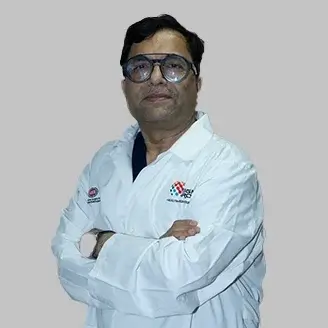
Best Pilonidal Cystectomy Surgery Doctors in India








Indications for Pilonidal Cystectomy Surgery
Doctors recommend pilonidal cystectomy in several situations:
- Pilonidal sinus infections that keep coming back despite basic treatment
- Large abscesses
- Pain and discomfort that affect daily life
- Multiple sinus tracts or complex anatomical cases
Types of Pilonidal Cystectomy Surgery Procedures
CARE Hospitals offers different surgical options based on what each patient needs:
- Excision with open healing: The team removes the cyst and lets the wound heal naturally from the inside out.
- Excision with primary closure: They remove the entire cyst & close the wound right away.
- Minimally invasive procedures: These include endoscopic pilonidal sinus treatment (EPSiT) and pit-picking techniques for suitable patients.
- Flap procedures: Advanced reconstruction methods for complex or recurring cases, including Karydakis flap and Limberg flap procedures.
Your surgical team will choose the best technique after evaluating you thoroughly. They look at disease extent, past treatments and patients' priorities to ensure the best healing with the lowest chance of recurrence.
Pre-surgery Preparation
Your preparation before pilonidal cystectomy surgery will help ensure better outcomes. You should:
- Get blood tests like CBC, CRP, and APTT a few days before surgery
- Quit smoking at least 2 weeks before surgery since it slows healing
- Stay away from medications that might increase bleeding, especially aspirin and blood thinners
- Keep the affected area clean
- Don't eat or drink if you will be under general anaesthesia
- Make sure someone can drive you home after surgery
UCL Reconstruction Surgical Procedure
Pilonidal cystectomy removes all cystic tissue to help with healing. The surgeon locates all sinus tracts and probes them gently with a lacrimal duct probe. They inject local anaesthetic and use electrocautery to examine tissues around the cyst and sinus tracts. The whole thing takes about 30 minutes.
Small cysts might need immediate closure with stitches. Larger or infected cysts need an open wound that heals over time.
Post-surgery Recovery
Your recovery time depends on the surgical technique. Wounds with sutures heal in about 4 weeks. All the same, open wounds might take several months to heal fully.
People usually go back to work after 2-3 weeks. Your recovery should include:
- A clean and dry surgical area
- Regular dressing changes as your doctor suggests
- A doughnut cushion to sit more comfortably
- No long periods of sitting, heavy lifting, or hard activities
- Pain medication as prescribed
Complications
After pilonidal cystectomy, you might face these complications:
- Wound infection (happens most often)
- Slower wound healing
- Bleeding
- Pain
- Drainage from the incision
- Cyst coming back
The cyst returns in about 50% of cases after the first surgery, and this can happen even after a second procedure.
Benefits of Pilonidal Cystectomy Surgery
The following are some common benefits (including but not limited to):
- Lower chance of the cyst returning compared to other treatments
- Fewer infections and problems down the road
- Better life quality without chronic pain
- Less scarring, especially with early treatment
- Protection from rare but possible cancer risks
Insurance Assistance for pilonidal cystectomy surgery
Your health insurance likely covers pilonidal cystectomy surgery. Coverage usually has:
- Hospital and surgery costs
- Tests and consultations 30-60 days before surgery
- Same-day surgeries without overnight stays
Check your specific coverage details before you schedule surgery.
Second Opinion for Pilonidal Cystectomy Surgery
A second opinion helps you make better choices about your treatment. You should:
- Look for qualified pilonidal sinus specialists
- Get copies of your medical records and test results
- List questions about surgery options, risks, and recovery
- Look at what different doctors recommend
This way, you can explore all your options before you decide on surgery.
Conclusion
Pilonidal cystectomy surgery offers vital treatment for people with painful tailbone cysts. CARE Hospital's board-certified surgeons create individual-specific treatment plans that deliver unmatched results.
A full preparation and following pre-operative guidelines will lead to optimal results. Recovery time depends on the surgical technique. The advantages of early surgery outweigh the risks, especially with skilled specialists at CARE Hospitals.
The right surgical team shapes your pilonidal cystectomy results. CARE Hospitals uses advanced techniques and detailed aftercare that give patients their best shot at successful outcomes and a better quality of life.
Pilonidal Cystectomy Surgery Hospitals in India
-
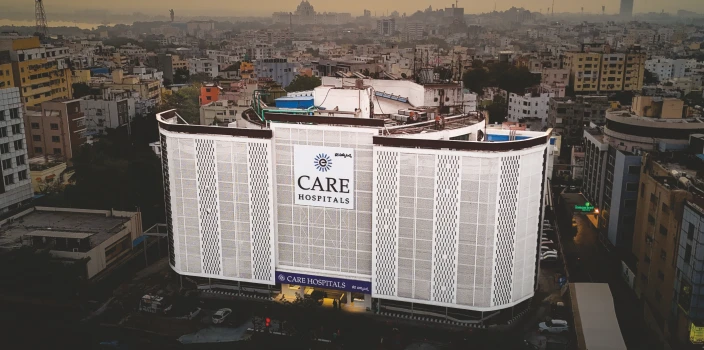
CARE Hospitals, Banjara Hills, Hyderabad
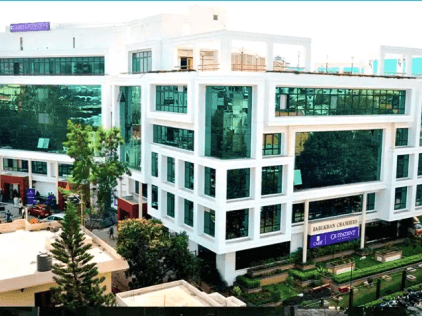
CARE Hospitals Outpatient Centre, Banjara Hills, Hyderabad

CARE Hospitals, HITEC City, Hyderabad

CARE Hospitals Outpatient Centre, HITEC City, Hyderabad

Gurunanak CARE Hospitals, Musheerabad, Hyderabad

CARE Hospitals, Nampally, Hyderabad

CARE Hospitals, Malakpet, Hyderabad

CARE Hospitals, Bhubaneswar

Ramkrishna CARE Hospitals, Raipur
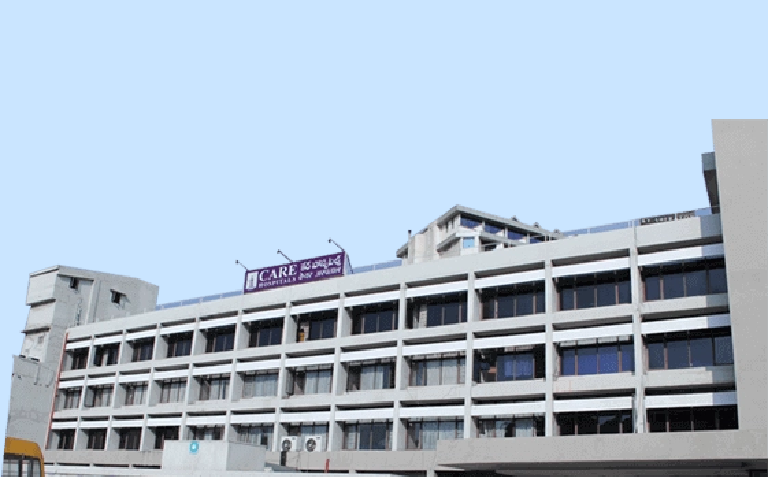
CARE Hospitals, Ramnagar, Visakhapatnam

CARE Hospitals, Health City, Arilova
Frequently Asked Questions
Pilonidal cystectomy removes a cyst or sinus tracts that extend from it. The surgery can be simple or complex and sometimes includes rotating tissue into the area after removal.
Most patients experience minimal pain. The surgeon injects long-acting local anaesthetic into the surgical site before starting, which numbs the area for 48-72 hours. The surgical techniques also keep incisions away from pressure points.
The surgery typically lasts about 30 minutes. Simple procedures can take 15-20 minutes, while complex cases may take longer.
Patients might experience bleeding, infection, slow healing, and recurrence. Allergic reactions to anaesthesia or medications happen rarely.
You can return to work within 1-2 weeks. Sutured wounds heal completely in about 4 weeks, while open wounds might take several months.
Talk to your doctor about all medications, especially blood thinners. You will need to stop eating after midnight before surgery and have someone ready to drive you home.
Your surgeon will give you a detailed explanation of the procedure. You will receive specific instructions about eating, drinking, and bathing before the surgery.
The surgeon will give you anaesthesia to keep you comfortable. They will remove the cyst and any sinus tracts, then either close the wound with stitches or leave it open to heal gradually.
Good preparation will give you a smoother recovery:
- Blood thinners and medications that increase bleeding risk should be stopped
- Your healing will be faster if you quit smoking 2 weeks before surgery
- General anaesthesia requires fasting after midnight before the procedure
- Someone should be available to drive you home after surgery
- The surgical team will handle any necessary shaving because doing it yourself raises infection risk
Yes! Your healing depends on proper follow-up care:
- Schedule check-ups about 6 weeks after surgery
- Regular wound inspections help track your progress
- Your doctor's team will show you how to keep the area clean
- Any unusual symptoms should be reported right away
Recovery in the first weeks needs special care:
- Heavy lifting and intense exercise should wait at least a week
- Bike riding should be avoided for 6-8 weeks
- Swimming must wait until your wound heals completely
- Sitting should be limited to 10-minute intervals at first
Stitches usually stay in place for 10-14 days. The timeline varies by patient:
- Most patients need suture removal at 10 days
- Some patients wait 12-15 days
- A few cases might need stitches for up to 20 days based on healing progress.
Still Have a Question?