
-
Centre of Excellence
Specialties
Treatments and Procedures
 HyderabadCARE Hospitals, Banjara Hills CARE Outpatient Centre, Banjara Hills CARE Hospitals, HITEC City CARE Hospitals, Nampally Gurunanak CARE Hospitals, Musheerabad CARE Hospitals Outpatient Centre, HITEC City CARE Hospitals, Malakpet
 Raipur
 Bhubaneswar
 Visakhapatnam
 Nagpur
 Indore
 Chh. Sambhajinagar
 Clinics & Medical Centers


-

-

-

-

-

-
Follow Us

Best Hospital for Inguinal Hernia Surgery in Hyderabad
- Advanced Technology
- Shorter Hospital Stay
- Pre & Post-Operative Care
- All Insurance Accepted

Chat With Our Experts
Get second opinion on Whatsapp
25 lakhs+
Happy Patients
Experienced and
skilled surgeons
17
Health Care Facilities
Top most Referral Centre
for Complex Surgeries
Advanced Inguinal Hernia Surgery
Inguinal hernia surgery is a common procedure that makes up the majority of all hernia repairs. The surgeon will push the bulging tissue back into the abdomen and repair the weak spot that caused the bulge. Most patients can walk within an hour after surgery and go home that same day. The whole process from preparation to recovery plays a crucial role in the patient's success. This article explains what this surgery is, its type, and the inguinal hernia surgery recovery time.
Why CARE Group Hospitals is Your Top Choice for Inguinal Hernia Surgery in Hyderabad
CARE Hospitals is the finest when it comes to inguinal hernia management. Our team of surgeons treats a variety of hernia cases, including complex & recurring ones. The hospital tailors personalised treatment plans that combine innovative medical insights with decades of hands-on experience. Our holistic approach considers your overall health to ensure your care meets your unique needs.
CARE stands out with its modern infrastructure, advanced diagnostics, and surgical suites. The team focuses on your specific needs & aims for precise diagnosis with minimally invasive options where possible. Our strong track record and satisfied patients show our leadership in hernia care across the region.
Innovative Surgical Breakthroughs at CARE Hospital
At CARE Hospitals our doctors use advanced surgical methods (like laparoscopic & robot-assisted procedures). The modular design of The Hugo robotic system gives your surgeon additional maneuverability & flexibility during hernia treatment. This technology has improved surgical precision & visibility while reducing tissue damage.
Best Inguinal Hernia Surgery Doctors in India









Indications for Inguinal Hernia Surgery
Patients need inguinal hernia surgery when:
- Pain or discomfort occurs from the hernia
- Bowel obstruction becomes a risk
- Blood supply to the tissue might get cut off (strangulated hernia)
Doctors might monitor an asymptomatic inguinal hernia through watchful waiting instead of immediate treatment.
Types of Inguinal Hernia Surgery Procedures
CARE provides two main types of hernia repair:
- Open Inguinal Hernia Repair: The surgeon makes one incision in the groin area to put the herniated tissue back in place and strengthens the weak spot with stitches or synthetic mesh.
- Laparoscopic Inguinal Hernia Repair: This minimally invasive method uses small cuts, a camera, and special tools. Patients usually experience less pain after surgery, shorter hospital stays, and quicker recovery than with open surgery.
Your surgeon will recommend any of the above-listed procedures based on the size of your hernia & your health condition.
Before Surgery Preparation
- Your surgical team will conduct a full medical evaluation with blood tests and scans.
- You will receive specific instructions that include stopping medicines like blood thinners and fasting before the operation.
- You must empty your bladder before the procedure to avoid injuries.
- Smokers should quit four to six weeks before surgery for the best results.
Hernia Surgical Procedure
Inguinal hernia surgery takes 30 to 45 minutes to complete. Doctors use two main approaches {open repair and laparoscopic (keyhole) surgery}.
Open repair needs a 6-8 cm incision in the groin area under local or regional anaesthesia. The surgeon pushes the protruding tissue back into the abdomen and strengthens the weak spot with stitches or mesh.
Laparoscopic surgery uses three small incisions and requires general anaesthesia. Patients often experience less post-operative discomfort with this technique.
Post-surgery Recovery
- Patients go home the same day.
- The soreness lasts about 1-2 weeks after the procedure.
- You can shower 36 hours after surgery, but baths should wait for two weeks.
- Walking and light activities help recovery immediately.
- Heavy lifting should wait 4-6 weeks.
- Desk jobs resume within 1-2 weeks, while physically demanding work needs a longer recovery time.
Risks and Complications
Surgery can lead to:
- Infection at the incision site
- Bleeding
- Damage to surrounding tissues
- Urinary retention
- Temporary urinary difficulties
- Fluid buildup (seroma)
- Recurrence of hernias
- Nerve damage might cause chronic pain in rare cases.
Benefits of Inguinal Hernia Surgery
The main advantages include, but are not limited to:
- Relief from pain & discomfort
- Better quality of life & improved physical function
- Prevention of serious complications like strangulation
- High success rates
Insurance Assistance for Inguinal Hernia Surgery
Health insurance plans typically cover inguinal hernia repair, though policies differ. Coverage typically includes hospitalisation, surgery and post-operative care. You should verify your policy details about sub-limits and expenses like diagnostic tests before proceeding.
Second Opinion for Inguinal Hernia Surgery
You should ask another doctor if your hernia is complex or recurrent or if you are unsure about the diagnosis. A second opinion helps verify treatment recommendations, explore other options and give peace of mind. The doctor will review your clinical history and conduct a physical examination, and you may need to have additional diagnostic tests.
Conclusion
Millions of people worldwide undergo inguinal hernia surgery that changes their lives. This operation needs expert care despite its simple appearance. CARE Group Hospitals provides both traditional & state-of-the-art solutions for hernia patients.
Our doctors at CARE Hospitals create treatment plans based on your needs. The treatment blends advanced technology with care focused on you. This, along with results as per the international benchmarks, makes them the best hernia surgery centre in Hyderabad. With the right treatment you will have all the comfort and confidence to restart your normal activities.
Inguinal Hernia Surgery Hospitals in India
-
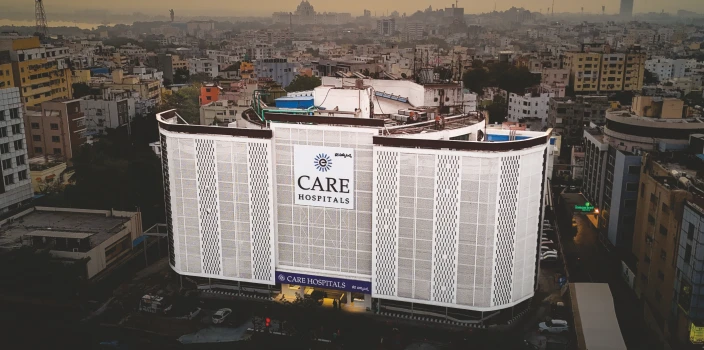
CARE Hospitals, Banjara Hills, Hyderabad
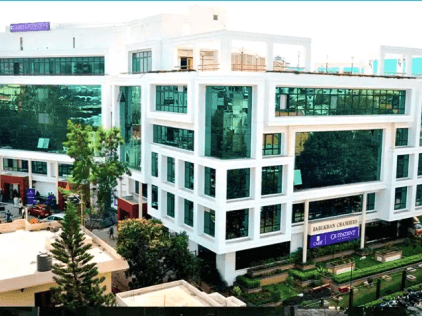
CARE Hospitals Outpatient Centre, Banjara Hills, Hyderabad
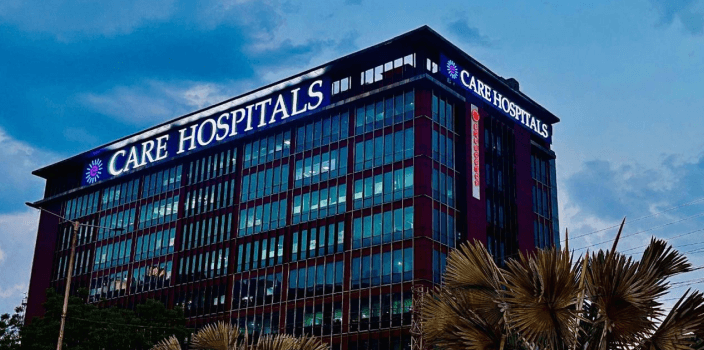
CARE Hospitals, HITEC City, Hyderabad
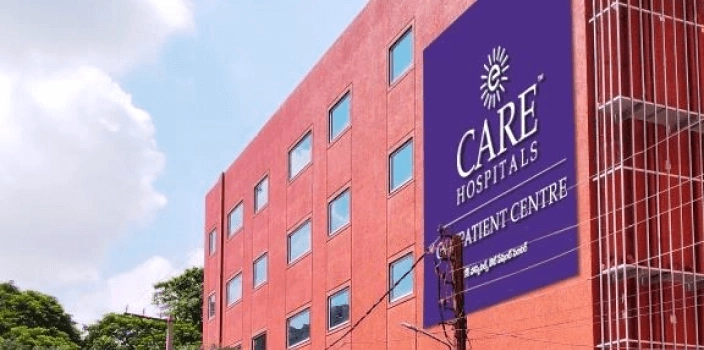
CARE Hospitals Outpatient Centre, HITEC City, Hyderabad
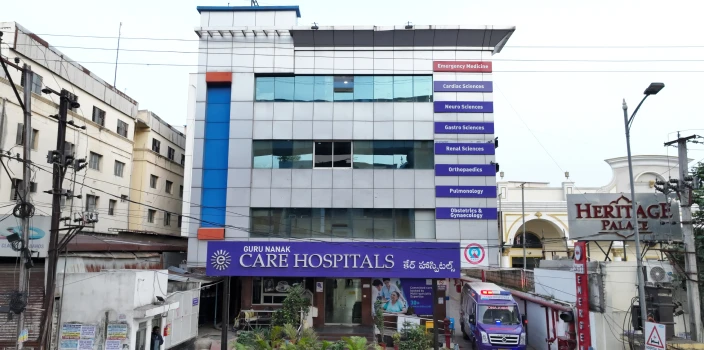
Gurunanak CARE Hospitals, Musheerabad, Hyderabad
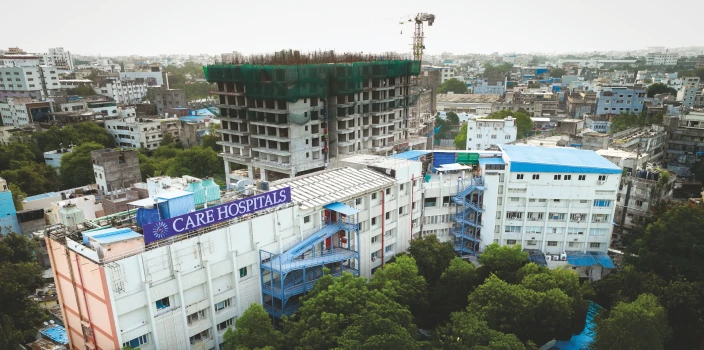
CARE Hospitals, Nampally, Hyderabad
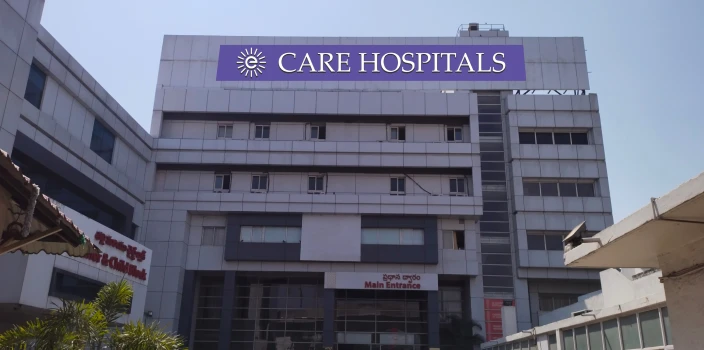
CARE Hospitals, Malakpet, Hyderabad
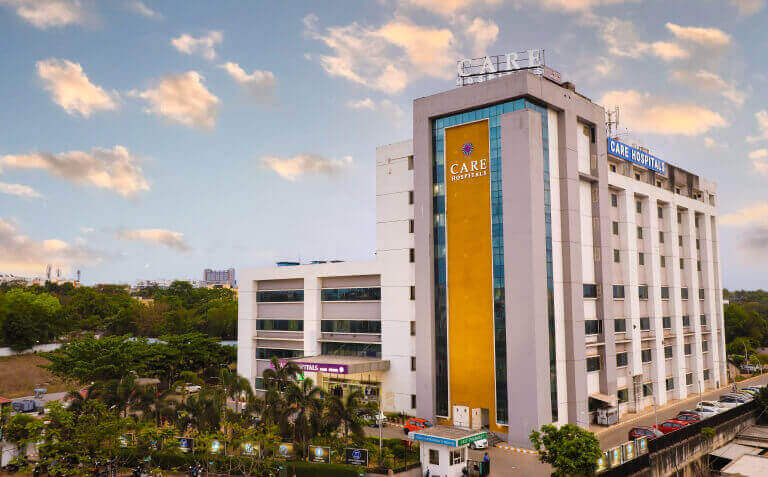
CARE Hospitals, Bhubaneswar
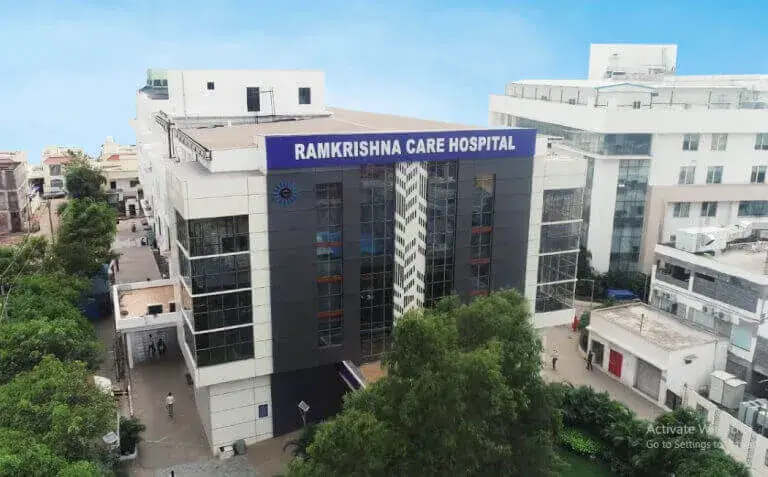
Ramkrishna CARE Hospitals, Raipur
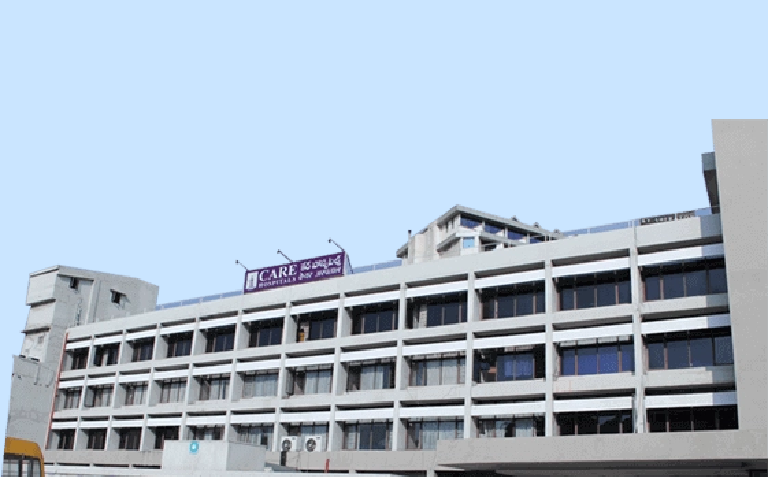
CARE Hospitals, Ramnagar, Visakhapatnam
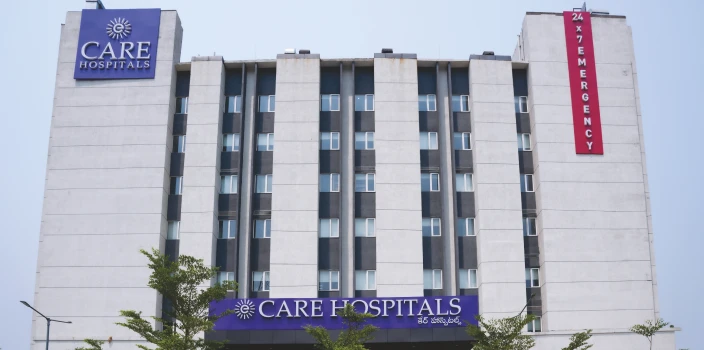
CARE Hospitals, Health City, Arilova
Frequently Asked Questions
Inguinal hernia surgery (herniorrhaphy) fixes a bulge in your groin area where internal tissue has pushed through your muscle wall. Your surgeon will push the protruding tissue back into place & strengthen the weakened area with stitches or surgical mesh. You can choose between traditional open repair or minimally invasive laparoscopic methods.
The procedure itself won't hurt because you will receive either general anaesthesia or local anaesthesia. You can expect mild to moderate discomfort for the first 48-72 hours afterwards. Most patients handle the pain well with prescribed medications, and it gets better quickly within days.
The surgery takes 30-90 minutes based on the complexity of the hernia & the surgical method. Simple cases with laparoscopic repairs often finish faster than open surgery.
The potential risks (including but not limited to) are
- Infection or bleeding at the site of the incision
- Nerve damage causing numbness or chronic pain
- Coming back or relapse of the hernia
- Rare but serious: organ damage or blood vessel injury
You can return to light activities within days and desk jobs within 1-2 weeks. Your body needs 4-6 weeks to recover fully. Jobs that require physical effort might need more recovery time. Patients who have laparoscopic repairs often bounce back faster than those with open surgery.
You can sit after surgery, but it might feel uncomfortable at first. Choose firm chairs with good back support instead of soft seats. Take your time when sitting down or standing up, and use your arms for support to protect your abdomen.
Yes, inguinal hernias can cause constipation by partially blocking your intestines and affecting digestion. The opposite is also true—straining from constipation might make a hernia worse or increase your risk of getting one. Many patients experience constipation after surgery, which pain medications can make worse.
Your surgeon will examine you and might order blood tests and imaging scans. You will be asked about your medical history and current medications, and you will receive specific instructions about fasting. The hospital will let you know when to stop eating and drinking. They might ask you to shower before coming in. Smokers should quit 4-6 weeks before surgery to get better results.
The surgery takes 30-90 minutes. You'll get either general anaesthesia that puts you to sleep or local anaesthesia that numbs the area. Your surgeon makes incisions—either one larger cut for open surgery or several small cuts for laparoscopic surgery. They push the hernia back into place & secure the mesh with stitches to stop it from coming back. The cuts are closed with stitches or clips at the end.
Buy everything you need and get your home ready beforehand. Someone should stay with you the first night after surgery. Your doctor will tell you when to stop blood-thinning medications. You can't eat or drink anything after midnight before surgery. Take only approved medicines with a small sip of water on surgery morning. Wear loose, comfortable clothes and keep your valuables at home.
Your doctor should schedule a check-up about one week after surgery. Regular checkups help you heal properly and let you raise any concerns. These appointments are vital to prevent complications. Call your surgeon if you get a fever over 100.4°F, more pain, redness or pus where the cuts are, or if you feel sick to your stomach.
Most patients can stand and walk slowly about two hours after surgery. Moving early helps your circulation, prevents blood clots and reduces constipation. Take short walks of five to ten minutes several times each day & slowly increase the quantum as you feel better. Use railings on stairs and move carefully to protect your surgery site.
Your body requires adequate time to heal after surgery. You should not lift anything heavier than 5 kg for at least 4-6 weeks. You can drive only after you stop taking prescription pain medications for two days. Most patients go back to work within 1-2 weeks, based on their job type. Your body will tell you what's right—if an activity hurts, stop immediately. Regular activities won't harm your repair.
Men need compression shorts or tight-fitting boxer briefs for several days. This helps reduce swelling. Loose, soft clothing with elastic waistbands works best, as it doesn't press on your incision site. Heavy fabrics, zippers, or buttons near the surgical area might cause discomfort.
Swelling usually continues for 3-6 months. A hard lump like a marble often forms under the incision—this is healing fluid and not another hernia. Patients with large inguinal hernias might experience swelling for a longer time.
Your best sleep position is on your back. Keep your upper body at a 30-45 degree angle with pillows or an adjustable bed.
Still Have a Question?