
-
Centre of Excellence
Specialties
Treatments and Procedures
 HyderabadCARE Hospitals, Banjara Hills CARE Outpatient Centre, Banjara Hills CARE Hospitals, HITEC City CARE Hospitals, Nampally Gurunanak CARE Hospitals, Musheerabad CARE Hospitals Outpatient Centre, HITEC City CARE Hospitals, Malakpet
 Raipur
 Bhubaneswar
 Visakhapatnam
 Nagpur
 Indore
 Chh. Sambhajinagar
 Clinics & Medical Centers


-

-

-

-

-

-
Follow Us

Best Hospital for Anorectal Surgery in Hyderabad
- Advanced Technology
- Shorter Hospital Stay
- Pre & Post-Operative Care
- All Insurance Accepted

Chat With Our Experts
Get second opinion on Whatsapp
25 lakhs+
Happy Patients
Experienced and
skilled surgeons
17
Health Care Facilities
Top most Referral Centre
for Complex Surgeries
Advanced Anorectal Surgery
Anorectal surgery treats disorders that affect the anus, rectum, and pelvic floor. The surgical options vary in complexity. Some are minor operations that need only day treatment or one night's stay. Others are more complex and require 2-3 days in the hospital. Ambulatory anorectal surgery proves safer and more efficient than inpatient procedures. It also leads to high patient satisfaction.
This article explains what patients need to know before they have anorectal surgery. It covers all the bases, from getting ready and the different types of procedures to how long it takes to get back on your feet and the possible risks. This info helps patients make good decisions about their treatment.
Why Care Group Hospitals is Your Top Choice for Anorectal Surgery in Hyderabad
CARE Hospitals stands as Hyderabad's trusted medical centre for anorectal conditions. Patients receive personalised treatment and recovery care that sets new standards in medical excellence.
Our hospital has a team of surgeons, gastroenterologists and pain management specialists. This group influences patient care through their teamwork to effectively address physical symptoms & emotional issues.
Innovative Surgical Technology at Care Hospital
The hospital uses advanced surgical techniques that include:
- Robot-assisted systems with high-definition 3D monitors to boost surgical precision
- Laser technology that enables minimally invasive procedures with quick healing
- Doppler-guided haemorrhoid artery ligation that reduces post-operative discomfort
Best Anorectal Surgery Doctors in India









Indications for Anorectal Surgery
Surgical intervention becomes necessary for conditions like:
- Grade III and IV haemorrhoids
- Thrombosed haemorrhoids
- Anorectal abscesses
- Rectal prolapse
- Complex anal fistulas
- Pilonidal disease
Types of Anorectal Surgery Procedures
Patients can choose from various treatment options. These include:
- Conventional hemorrhoidectomy: Doctors cut out haemorrhoids with a scalpel or surgical scissors.
- Stapled hemorrhoidopexy: Surgeons use a circular stapler to take out extra tissue and move haemorrhoids back into place.
- Laser hemorrhoidectomy: Your doctor shrinks or removes your haemorrhoids with laser light, causing less pain & bleeding.
- Anoplasty: With the help of this surgery your doctor repairs or reconstructs the anal canal.
- Fistulotomy: This procedure opens and cleans the fistula tract, allowing it to heal naturally from the inside out.
- Fistulectomy: In this method, the entire fistula tract is removed to prevent recurrence and promote complete healing.
- Anal fissure surgery (Lateral internal sphincterotomy): Your doctor will make a small incision in your anal sphincter to reduce tension (which causes faster healing of your fissures).
- Abscess drainage: Involves opening and draining pus-filled abscesses near the anal area to relieve pain and prevent infection spread.
Note that your doctor may recommend any of the procedures after considering your physical status and priorities.
Before Surgery Preparation
- Your surgeon will first do a detailed examination and diagnostic tests.
- You need to stop taking blood thinners, aspirin, and dietary supplements a week before surgery.
- The procedure requires 8 hours of fasting.
- Two rectal enemas about an hour before heading to the hospital will clear your rectal area.
Anorectal Surgical Procedure
Anorectal surgeries usually take about 30–60 minutes. The surgeon operates under anaesthesia to remove or repair the affected tissue in the anal or rectal area. The goal is to relieve pain, correct structural issues, and restore normal function. With improved blood flow and reduced pressure, healing occurs smoothly over time.
Post-surgery Recovery
- Most patients need 4-6 weeks to heal fully.
- Pain is mild, which responds well to pain relief drugs.
- Warm sitz baths help ease discomfort, especially after bowel movements.
- A high-fibre diet and plenty of fluids will keep your stools soft.
Complications
The following are common side effects (including but not limited to):
- Bleeding
- Infection
- Urinary retention
- Faecal incontinence (rare)
Benefits of Anorectal Surgery
- Provides lasting relief from discomfort, bleeding, and itching
- Addresses chronic haemorrhoids, fissures, and other anal issues
- Reduces swelling and discomfort to ease bowel movements
- Prevents recurrence of infections or abscesses
- Enhances overall anal health and hygiene
- Invasive options result in faster recovery and shorter downtime
- Restores comfort and confidence in everyday activities
Insurance Assistance for Anorectal Surgery
Health insurance plans treat anorectal procedures as medically necessary (come with your claim forms, prescriptions from your doctors, diagnostic reports & policy details).
Get a Second Opinion for Anorectal Surgery
With the help of a second opinion, you can validate your diagnosis and discover other treatment options. It also evaluates your personal risk factors. You can choose between in-person or virtual consultations at our centres.
Conclusion
Anorectal surgery provides life-changing relief for patients who suffer from painful conditions like haemorrhoids, fissures, and rectal prolapse. Many patients feel anxious about these procedures. A clear understanding of the procedure helps in mitigating the stress related to the concerns.
CARE Hospitals is one of the best centres giving you the best anorectal surgery results in Hyderabad. Our staff combines surgical expertise with kind care (we are always on our toes to help you throughout your treatment journey). We use state-of-the-art surgical techniques, including robot-assisted systems and laser technology. These methods reduce recovery time & pain after surgery.
Anorectal Surgery Hospitals in India
-
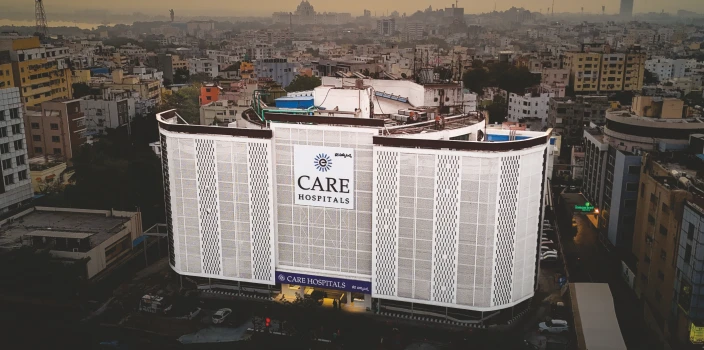
CARE Hospitals, Banjara Hills, Hyderabad
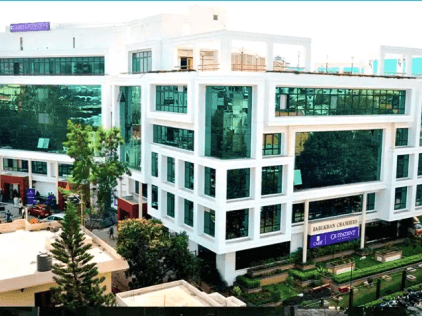
CARE Hospitals Outpatient Centre, Banjara Hills, Hyderabad

CARE Hospitals, HITEC City, Hyderabad

CARE Hospitals Outpatient Centre, HITEC City, Hyderabad
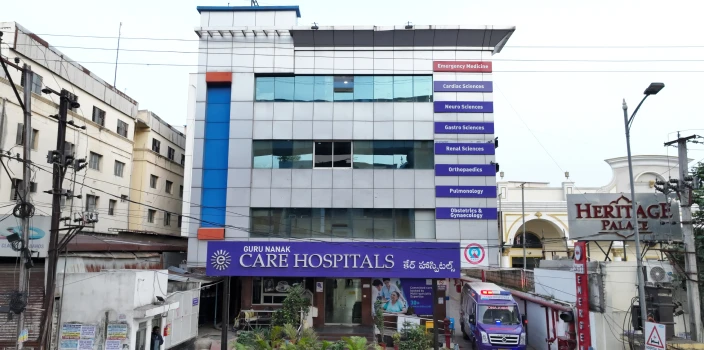
Gurunanak CARE Hospitals, Musheerabad, Hyderabad

CARE Hospitals, Nampally, Hyderabad
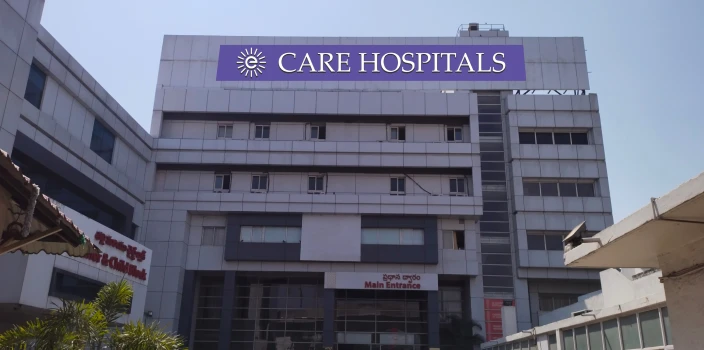
CARE Hospitals, Malakpet, Hyderabad

CARE Hospitals, Bhubaneswar
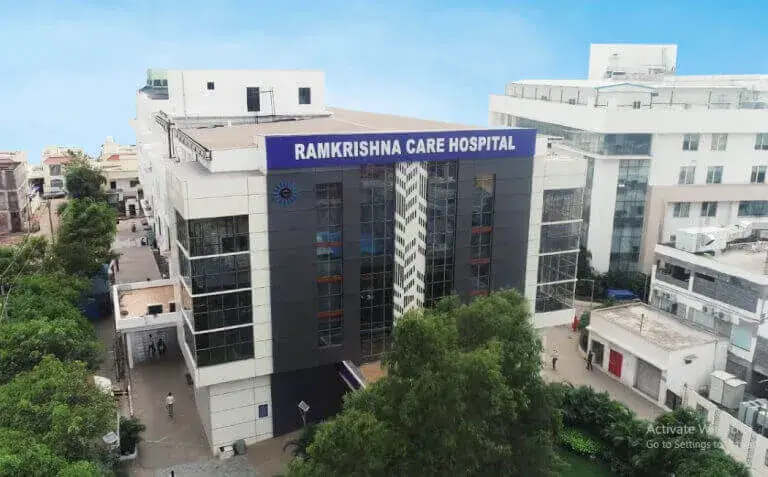
Ramkrishna CARE Hospitals, Raipur
CARE Hospitals, Ramnagar, Visakhapatnam

CARE Hospitals, Health City, Arilova
Frequently Asked Questions
Anorectal surgical procedures treat problems affecting the anus, rectum and pelvic floor. Doctors perform these operations to treat haemorrhoids, abscesses, fissures, fistulas, warts, polyps, anal prolapse, and incontinence.
Pain commonly occurs after anorectal surgery. Research shows that many patients feel pain at first, but this pain gradually gets better. Taking warm sitz baths three times each day helps relieve discomfort effectively.
Simple anorectal procedures usually last 20-30 minutes. Complex operations might take 2-4 hours.
The main complications include:
- Bleeding
- Infection
- Urinary retention
- Pain
Your body needs 4-6 weeks to heal completely. You can return to work within 1-3 weeks based on your job duties.
You should stop taking blood thinners a week before surgery. Do not eat or drink for 8 hours before the procedure. Use rectal enemas about an hour before heading to the hospital.
Limit sitting to 10-15 minutes at first. A foam pillow helps, but rubber rings or 'donuts' should be avoided.
The medical team will give you local or general anaesthesia so you won't feel pain during surgery. After the procedure, you will stay in recovery until you are ready to go home.
You should stop taking blood thinners, aspirin, and dietary supplements a week before your surgery. You will need some essential supplies like absorbent pads, stool softeners, and bulking agents. The day of surgery requires you to fast for 8 hours and use enemas about an hour before you leave home.
- A fibre rich diet with fruits, vegetables and whole grains will help prevent future problems.
- Make sure you drink eight glasses of water each day.
- Regular exercise improves your bowel function.
- Listen to your body's signals and use the toilet when needed.
- Soft, unscented toilet paper or wet wipes work best.
- Maintaining a healthy weight helps reduce pressure on the rectal veins.
Yes. Your first follow-up visit should be scheduled three to four weeks after surgery. Most patients heal completely within 4-6 weeks. Contact your doctor right away if you notice a fever above 101°F, excessive bleeding, problems urinating, or foul-smelling discharge. Regular check-ups help your doctor monitor healing and tackle any issues quickly.
Still Have a Question?