
-
Centre of Excellence
Specialties
Treatments and Procedures
 HyderabadCARE Hospitals, Banjara Hills CARE Outpatient Centre, Banjara Hills CARE Hospitals, HITEC City CARE Hospitals, Nampally Gurunanak CARE Hospitals, Musheerabad CARE Hospitals Outpatient Centre, HITEC City CARE Hospitals, Malakpet
 Raipur
 Bhubaneswar
 Visakhapatnam
 Nagpur
 Indore
 Chh. Sambhajinagar
 Clinics & Medical Centers


-

-

-

-

-

-
Follow Us

Best Hospital for Esophagectomy Surgery in Hyderabad
- Advanced Technology
- Shorter Hospital Stay
- Pre & Post-Operative Care
- All Insurance Accepted

Chat With Our Experts
Get second opinion on Whatsapp
25 lakhs+
Happy Patients
Experienced and
skilled surgeons
17
Health Care Facilities
Top most Referral Centre
for Complex Surgeries
Advanced Esophagectomy Surgery
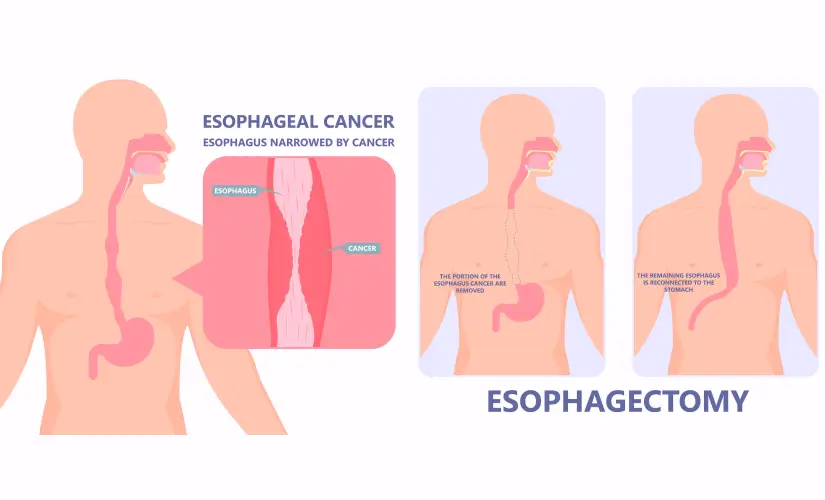
Esophagectomy involves the surgical removal of all or part of the oesophagus - the feeding tube that connects the mouth to the stomach. This surgery removes the diseased or damaged portion of the gastrointestinal tract. Doctors commonly suggest esophagectomy to treat oesophageal cancer, severe injury or certain precancerous conditions.
Patients with early-stage cancer have their best chance of recovery with this procedure. Most people recover within 3-6 months, though complete healing might take up to a year. By the end of this article you will become well versed with the types of esophagectomy surgery, the preparation steps involved, the surgery risks, & the recovery timeline.
Why CARE Group Hospitals is Your Top Choice for Esophagectomy Surgery in Hyderabad
If you are looking for the best hospital for esophagectomy, CARE Hospitals is there for you. With its highly skilled surgical teams who have extensive experience in complex oesophageal procedures it gives you the best possible outcomes as per international standards. The hospital has modern operating theatres with advanced technology that ensures optimal surgical outcomes. CARE's strength lies in its team-based approach that brings together surgeons, oncologists, gastroenterologists and nutritionists to create personalised treatment plans to give care that fits each patient's specific needs.
State-of-the-art Surgical Innovations at CARE Hospital
CARE Hospitals has improved esophagectomy outcomes through several innovative approaches:
- Minimally invasive thoracoscopic and laparoscopic techniques that reduce tissue damage
- Robotic-assisted surgery with the Hugo and Da Vinci X systems for better precision
- Advanced imaging technologies for meticulous surgical planning
- Intraoperative fluorescence imaging for better lymph node mapping
- Enhanced Recovery After Surgery (ERAS) protocols to boost post-operative results
The hospital's robotic systems include tremor-cancelling software and give surgeons three-dimensional stereoscopic vision that improves surgical accuracy.
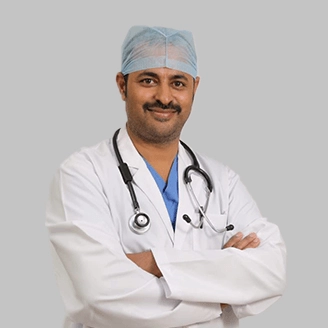
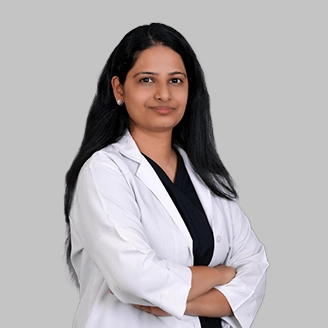
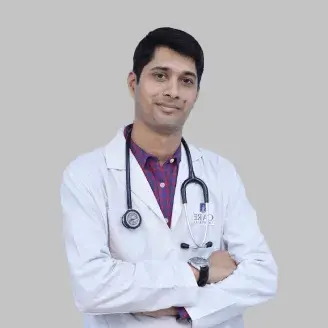
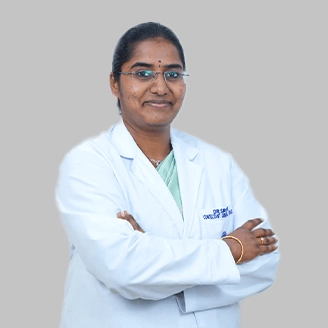
Best Esophagectomy Surgery Doctors in India



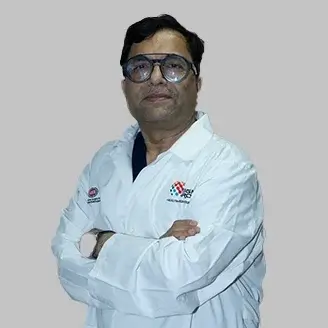
Indications for Esophagectomy Surgery
CARE Hospitals' doctors recommend esophagectomy for conditions like:
- Oesophageal cancer
- Barrett's oesophagus with high-grade dysplasia
- End-stage achalasia
- Severe caustic injury to the oesophagus
- Benign oesophageal tumours
- Recurrent hiatal hernias with severe symptoms
Types of Esophagectomy Surgery Procedures
CARE Hospitals performs several types of esophagectomy based on each patient's needs:
- Transhiatal Esophagectomy - performed through incisions in the neck and abdomen
- Ivor Lewis Esophagectomy - a two-stage procedure with the abdomen and chest
- McKeown Esophagectomy - a three-stage procedure with incisions in the neck, chest, and abdomen
- Minimally Invasive Esophagectomy (MIE) - using small incisions to reduce recovery time
- Robotic-assisted Esophagectomy - using advanced robotics for greater precision
CARE Hospitals has a dedicated operating theatre for robotic surgeries and provides round-the-clock imaging, laboratory, and blood bank services throughout the patient's treatment experience.
Pre-surgery Preparation
Doctors perform a complete assessment of patients before esophagectomy. This includes blood tests, imaging scans like CT or MRI, and cardiac evaluations.
Your surgical team will suggest you:
- Quitting tobacco and cutting down on alcohol
- Special diets or supplements to stay well-nourished
- Medicine adjustments, especially when you have blood thinners
- Not to eat or drink for several hours before surgery to prevent aspiration
Some patients need initial cancer treatments like chemotherapy and radiation therapy to get better long-term results.
Esophagectomy Surgery Procedure
Surgeons remove part or all of the oesophagus through incisions in the neck, chest, or abdomen during this complex operation. The surgical team picks the best approach for each case. The surgery usually takes 4-6 hours and has these steps:
- Removal of diseased oesophageal tissue
- Connecting the remaining oesophagus to the stomach
- In case the whole oesophagus removal, rebuilding using the stomach or sometimes the intestine
- Removal of the lymph nodes if needed
- Placing feeding tubes and drainage devices
Post-surgery Recovery
Patients typically stay in the hospital for 7-10 days after surgery. The recovery phase includes:
- Close monitoring in intensive care for the first day or two
- Slow transition from tube feeding to liquids
- Pain control through an epidural or medication
- Getting up and moving early to avoid complications
- Regular breathing exercises to keep the lungs working well
Complete recovery can take several months or up to a year.
Complications
Lung complications happen most often. Other risks include:
- Bleeding and infection
- Leaks at connection points
- Changes in voice from nerve damage
- Problems with reflux and swallowing
- Blood clots
- Heart rhythm problems
Benefits of Esophagectomy Surgery
The surgery provides several key benefits:
- Works well as a cancer treatment with better survival rates
- Helps relieve severe symptoms
- Improves quality of life after full recovery
Insurance Assistance for Esophagectomy Surgery
Most health insurance plans cover esophagectomy, but coverage amounts differ. At CARE Hospitals, our insurance support team gives you all the support needed with pre authorisation and required documentation.
Get a Second Opinion for Esophagectomy Surgery
The right diagnosis leads to proper treatment selection. Second opinions are a great way to get clarity because of the below mentioned reasons:
- They might change diagnoses or treatment plans
- Expert pathologists give more reliable assessments
Many medical centres now offer online second opinion services without hospital visits.
Conclusion
Esophagectomy provides life-changing benefits to patients with serious oesophageal conditions. CARE Hospitals excels as a top choice when you are thinking over this surgery. Their specialists work as a team to create personalised treatment plans. On top of that, their innovative technology, including robotic-assisted systems and minimally invasive techniques, delivers better results with less trauma.
The procedure might seem overwhelming initially. Understanding what happens at each stage helps reduce anxiety. Knowledge about the procedure, potential risks, and recovery timeline gives patients more confidence to face this challenging trip ahead.
Best Esophagectomy Surgery Hospitals in India
-
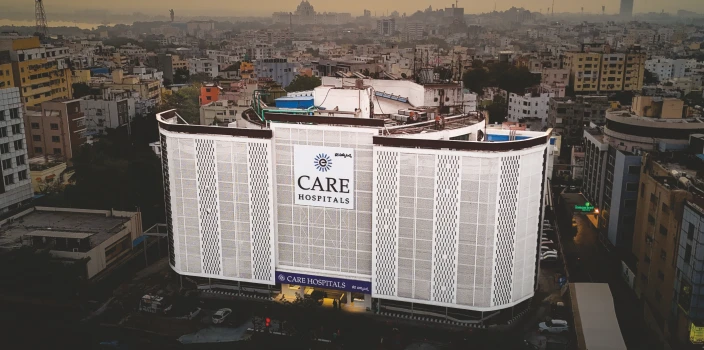
CARE Hospitals, Banjara Hills, Hyderabad
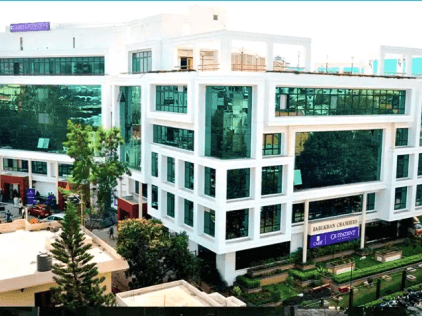
CARE Hospitals Outpatient Centre, Banjara Hills, Hyderabad
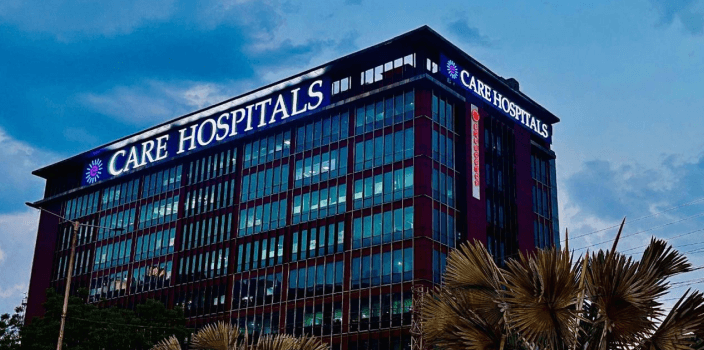
CARE Hospitals, HITEC City, Hyderabad

CARE Hospitals Outpatient Centre, HITEC City, Hyderabad
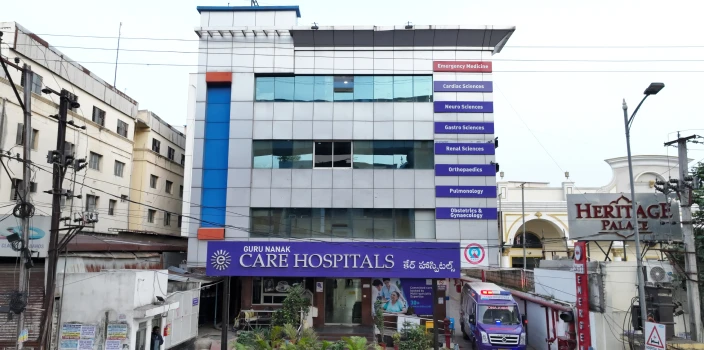
Gurunanak CARE Hospitals, Musheerabad, Hyderabad
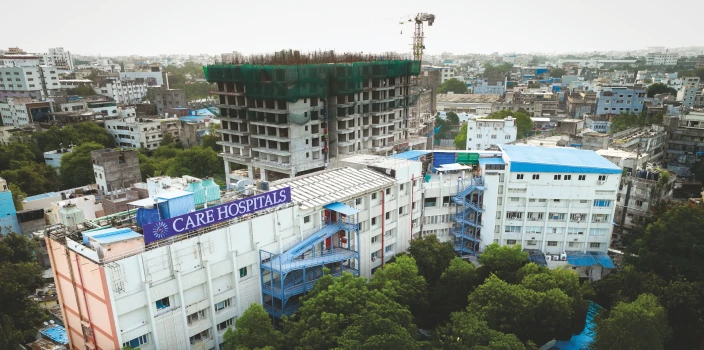
CARE Hospitals, Nampally, Hyderabad
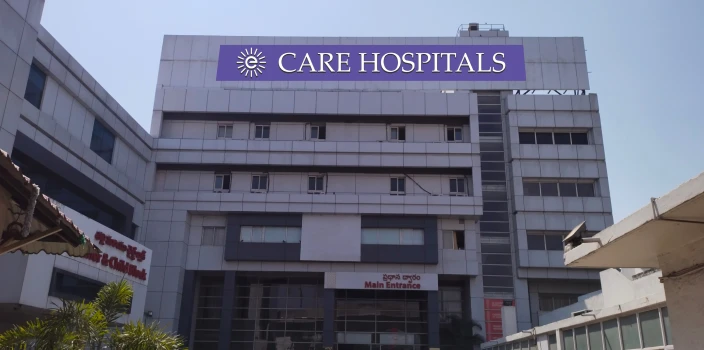
CARE Hospitals, Malakpet, Hyderabad

CARE Hospitals, Bhubaneswar
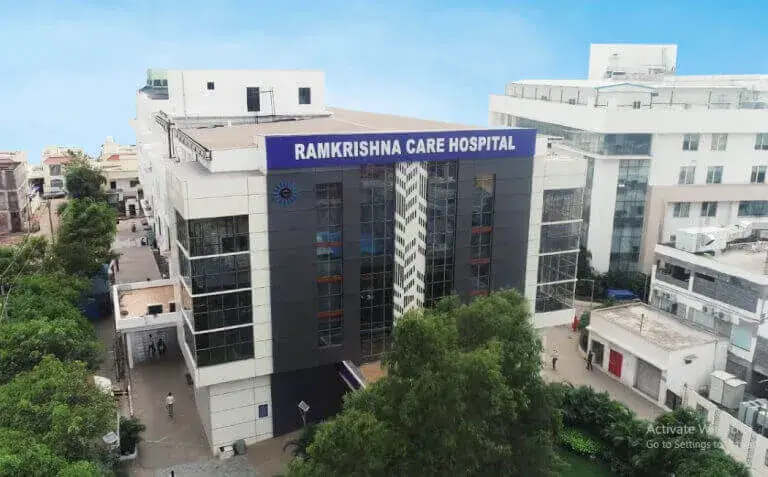
Ramkrishna CARE Hospitals, Raipur
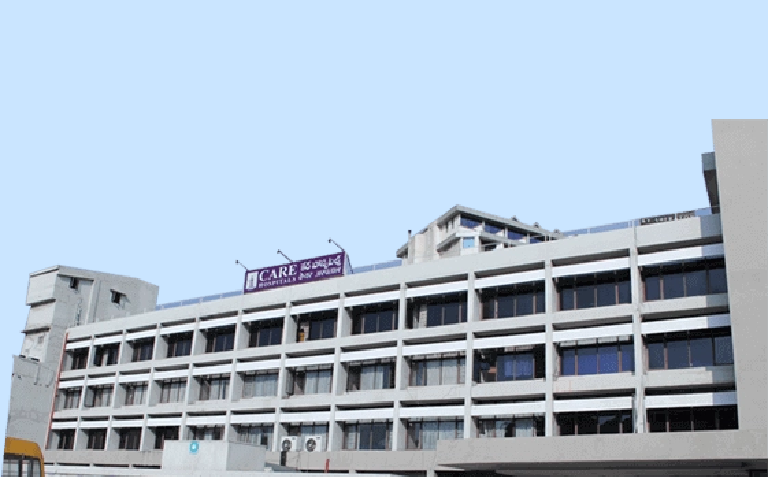
CARE Hospitals, Ramnagar, Visakhapatnam
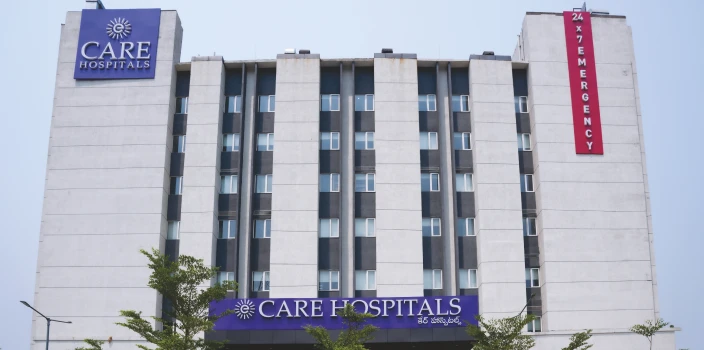
CARE Hospitals, Health City, Arilova
Frequently Asked Questions
Esophagectomy removes part or all of your oesophagus (the tube connecting your mouth to your stomach). Surgeons rebuild it using a portion of your stomach or intestine. The surgery treats oesophageal cancer and can also help with Barrett's oesophagus that has precancerous cells, severe caustic injuries, or cases where other treatments don't work.
The surgery causes discomfort since it's a major operation. Your medical team will help control your pain through:
- PCA pump (patient-controlled analgesia) that lets you manage relief
- Regular pain medication
The pain gets better gradually as you heal.
The surgery usually takes 3-6 hours. Time varies based on:
- Your condition
- The surgical approach
- Open or minimally invasive techniques
- Any complications during surgery
Common risks include:
- Respiratory problems and pneumonia (most common)
- Anastomotic leaks where the stomach and oesophagus join
- Bleeding
- Infection
- Voice changes
- Acid reflux
- Swallowing difficulties
- Heart rhythm problems
Patients typically stay in the hospital for 7-10 days. Full recovery takes:
- 6-8 weeks for basic healing
- 2-4 months before normal activities resume
- 6-12 months until you feel completely better
Your preparation includes:
- Detailed testing (blood work, CT scans, endoscopy)
- No smoking for at least 2 weeks before surgery
- Medication adjustments, especially blood thinners
- Special nutrition if you have lost weight
- Fasting as directed
- Learning breathing exercises
You will receive general anaesthesia during surgery. Your surgeon will:
- Make incisions in your neck, chest, abdomen, or all three
- Remove the diseased oesophagus portion
- Rebuild using your stomach or intestine
- Place a feeding tube and chest drains
- Insert a catheter for urine drainage
A successful preparation includes several steps:
- You must stop smoking at least 2 weeks before surgery
- A dietitian will help improve your nutrition
- You should join supervised exercise programmes when possible
- Your existing medical conditions like diabetes need management
- Your doctor needs to review all medications for possible adjustments
Yes, comprehensive follow-up care plays a vital role. Most patients should expect:
- Check-ups every 3-6 months during the first two years
- Appointments every 6-12 months in years 3-5
- Yearly check-ups after that
- Extra visits if you have symptoms like trouble swallowing
Your diet will progress through these stages:
- You will receive nutrition through a feeding tube
- You can start with clear liquids when ready to eat
- Soft, moist foods become possible as you heal
- You will need 4-6 small meals daily instead of three big ones
The best candidates typically have:
- Early-stage oesophageal tumours that haven't spread
- Strong heart and lung function
- Good overall health to handle major surgery
- No cancer in distant organs
Your recovery speeds up when you:
- Start moving by sitting up the night after surgery
- Do breathing exercises with an incentive spirometer
- Keep your pain under control
- Follow your nutrition plan carefully
General anaesthesia remains essential for esophagectomy. The process often includes:
- Epidural anaesthesia to help control pain
- Paravertebral blocks as possible alternatives
- Pain management plans customised for each patient
Still Have a Question?