
-
Centre of Excellence
Specialties
Treatments and Procedures
 HyderabadCARE Hospitals, Banjara Hills CARE Outpatient Centre, Banjara Hills CARE Hospitals, HITEC City CARE Hospitals, Nampally Gurunanak CARE Hospitals, Musheerabad CARE Hospitals Outpatient Centre, HITEC City CARE Hospitals, Malakpet
 Raipur
 Bhubaneswar
 Visakhapatnam
 Nagpur
 Indore
 Chh. Sambhajinagar
 Clinics & Medical Centers


-

-

-

-

-

-
Follow Us

Best Hospital for Cervical Lymph Node Dissection Surgery in Hyderabad
- Advanced Technology
- Shorter Hospital Stay
- Pre & Post-Operative Care
- All Insurance Accepted

Chat With Our Experts
Get second opinion on Whatsapp
25 lakhs+
Happy Patients
Experienced and
skilled surgeons
17
Health Care Facilities
Top most Referral Centre
for Complex Surgeries
Advanced Cervical Lymph Node Dissection Surgery
Doctors commonly refer to cervical lymph node dissection - a surgical process to remove neck lymph nodes that might contain cancer cells. The surgeons also recommend this procedure to prevent the spread of cancers such as head and neck, thyroid, or oral cancers. Cancer spreading to the neck requires immediate surgical action to save patients' lives. Squamous cell carcinoma, melanoma, and certain thyroid cancers often require this surgery.
Surgeons today use several types of neck dissection: radical, modified radical, and selective approaches. Medical practices have transformed over recent decades. This transformation helps surgeons to target specific affected areas and preserve important structures. This article covers everything about cervical lymph node dissection - from preparation through recovery.
Why CARE Group Hospitals is Your Top Choice for Cervical Lymph Node Dissection Surgery in Hyderabad
Highly skilled surgical oncologists who specialise in precise cancer removal procedures form the backbone of CARE Hospitals. The core team works together with medical oncologists, radiologists & other specialists to create personalised treatment plans that match each patient's specific needs. The hospital's international patient programme provides complete support. This includes medical visa assistance, airport transfers and help with accommodation arrangements.
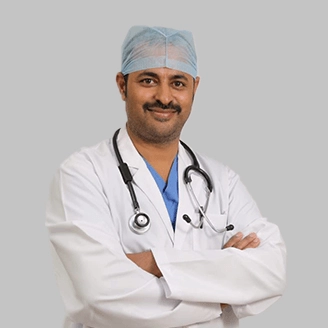
Best Cervical Lymph Node Dissection Surgery Doctors in India








Innovative Surgical Technology at CARE Hospital
CARE's technological breakthroughs include robotic-assisted surgery for lymph node dissection. Surgeons can achieve unmatched precision during complex procedures with this approach. The robotic system comes equipped with high-definition cameras and innovative surgical instruments. These tools help doctors identify and remove affected lymph nodes with exceptional accuracy. Some of the benefits which patients get from these minimally invasive techniques including but not limited to:
- Smaller incisions with less trauma to surrounding tissues
- Faster recovery periods and shorter hospital stays
- Better surgical precision and improved cosmetic outcomes
- Lower risk of post-surgical complications
Indications for Cervical Lymph Node Dissection Surgery
Doctors recommend cervical lymph node dissection for several medical conditions:
- Head and neck cancers, especially with evidence of metastasis
- Thyroid cancer with lateral nodal involvement
- Oral, throat, and certain skin cancers that spread to the neck lymph nodes
- Cancer cells trapped in lymph nodes
Types of Cervical Lymph Node Dissection Surgery Procedures
CARE Hospitals tailors neck dissection procedures to each patient's needs:
- Radical Neck Dissection: This removes all lymph nodes from the affected side along with surrounding structures. Doctors recommend this approach for bulky nodal disease with extensive soft tissue involvement.
- Modified Radical Neck Dissection: This technique preserves all but one of these key structures (spinal accessory nerve, sternocleidomastoid muscle, or internal jugular vein) while removing lymph nodes. It strikes a balance between thorough cancer removal and function preservation.
- Selective Neck Dissection: This targets specific lymph node groups based on the primary cancer's location while preserving other structures. Doctors often choose this conservative approach for early-stage cancers or preventive treatment.
Pre-surgery Preparation
- You will typically get admitted to the hospital a day before surgery.
- Your doctors will order routine blood tests and chest X-rays to check your condition.
- The healthcare team will check your general health before giving anaesthesia.
- Tell your doctor about all your medications, especially blood thinners.
- You might need to stop certain medicines days and do not eat or drink anything for several hours before surgery.
- Quitting smoking before surgery helps your chest function better and reduces complication
Cervical Lymph Node Dissection Surgical Procedure
The surgery usually takes 3-4 hours.
- Doctors induce general anaesthesia for surgery.
- The surgeon makes an incision along the neck's side to reach the lymph nodes.
- Based on how far the cancer has spread, the surgeon carries out selective, modified, or radical lymph node removal.
- After taking out the lymph nodes, the surgeon closes the cut with stitches or staples.
- Surgeons place drains after removal to stop fluid from collecting.
Post-surgery Recovery
You will likely stay in the hospital for two to five days.
- Your doctor will monitor your vital signs, give you medicine to control pain and get you walking to avoid complications
- You start with IV fluids before moving to normal food
- Physical therapy plays a vital role in improving your neck and shoulder movement.
Complications
You might face complications like:
- Wound infections
- Numbness at the operation site
- Bleeding
- Shoulder weakness
- Lymphedema (swelling from fluid buildup)
- Chyle leak, usually on the left side
Benefits of Cervical Lymph Node Dissection Surgery
This surgery helps doctors learn if cancer has spread beyond the original tumour. By taking out affected lymph nodes your doctor tries to stop cancer from spreading more. Additionally it helps your healthcare team plan other treatments like radiation or chemotherapy.
Insurance Assistance for Cervical Lymph Node Dissection Surgery
Generally, insurance policies cover this surgery. Insurance usually covers pre-surgery consultations, hospital charges, surgeon fees, and basic medications. At CARE Hospitals our insurance coordinators help you with all paperwork and getting claims without any hassle.
Get a Second Opinion for Cervical Lymph Node Dissection Surgery
Another doctor's viewpoint gives you a full picture of your diagnosis and treatment choices. You might want to think about getting another opinion if you are unsure about your diagnosis or have complex medical issues. This will give you a chance to explore all treatment options before deciding.
Conclusion
Cervical lymph node dissection plays a vital role in fighting head and neck cancer. This life-saving procedure substantially improves survival rates with proper timing. CARE Group Hospitals' doctors excel at different types of neck dissections - radical, modified radical and selective - each customised to meet patient needs.
CARE Hospitals distinguishes itself with state-of-the-art robotic technology and skilled surgical teams. Smaller incisions, quicker recovery times, and better results make this approach superior to traditional methods.
Cervical lymph node dissection might appear overwhelming at first, but understanding the procedure helps patients begin their journey with confidence and peace of mind.
Best Cervical Lymph Node Dissection Surgery Hospitals in India
-
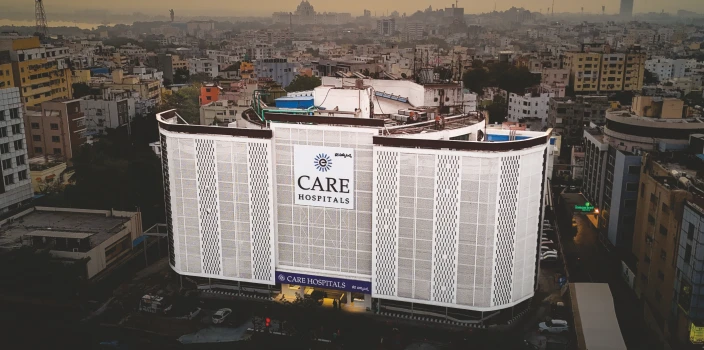
CARE Hospitals, Banjara Hills, Hyderabad
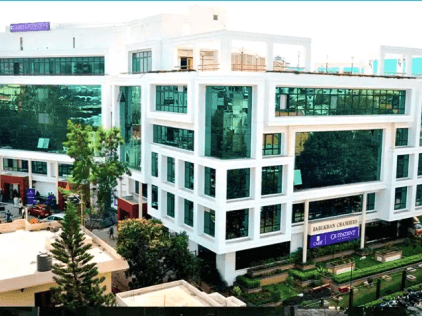
CARE Hospitals Outpatient Centre, Banjara Hills, Hyderabad
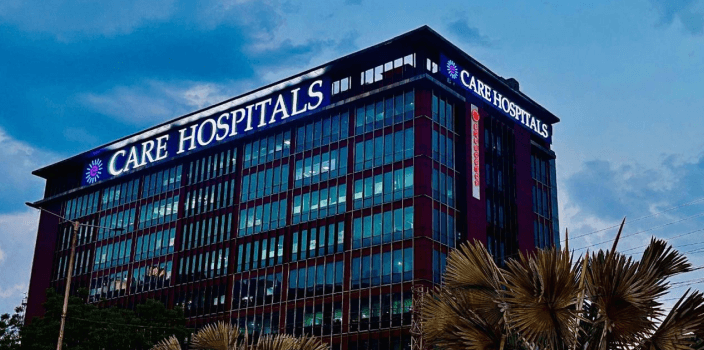
CARE Hospitals, HITEC City, Hyderabad
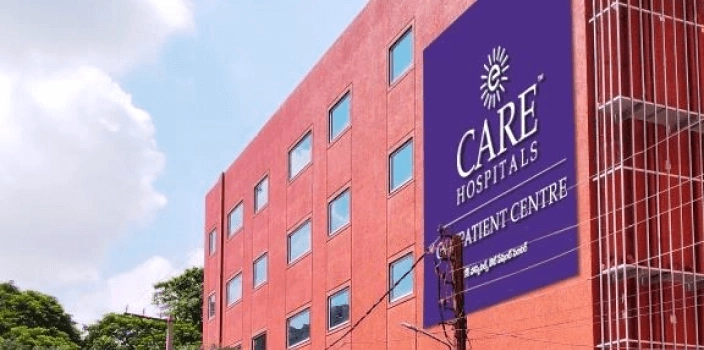
CARE Hospitals Outpatient Centre, HITEC City, Hyderabad
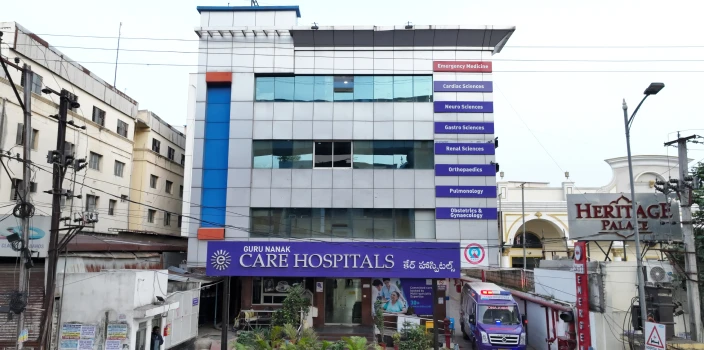
Gurunanak CARE Hospitals, Musheerabad, Hyderabad
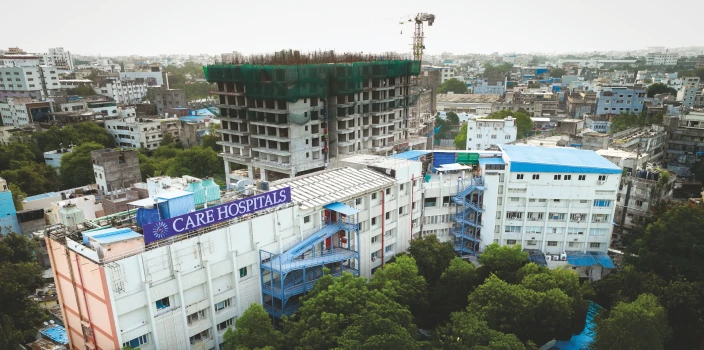
CARE Hospitals, Nampally, Hyderabad
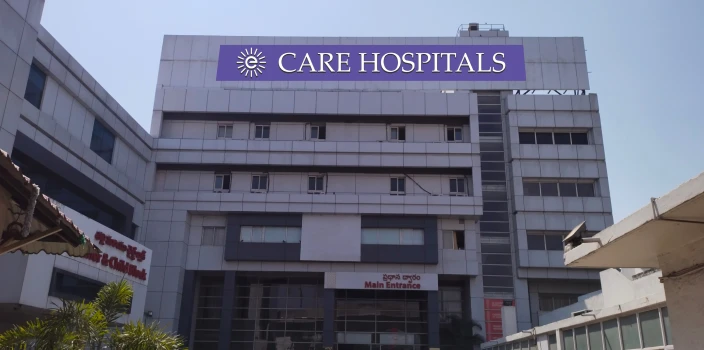
CARE Hospitals, Malakpet, Hyderabad

CARE Hospitals, Bhubaneswar
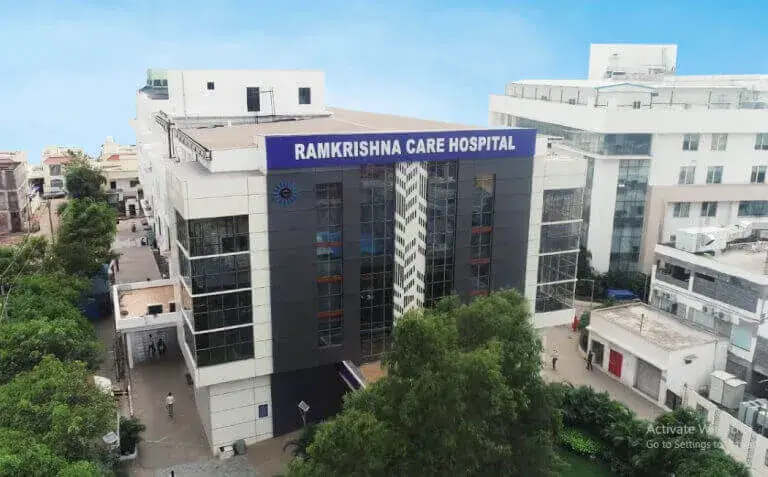
Ramkrishna CARE Hospitals, Raipur
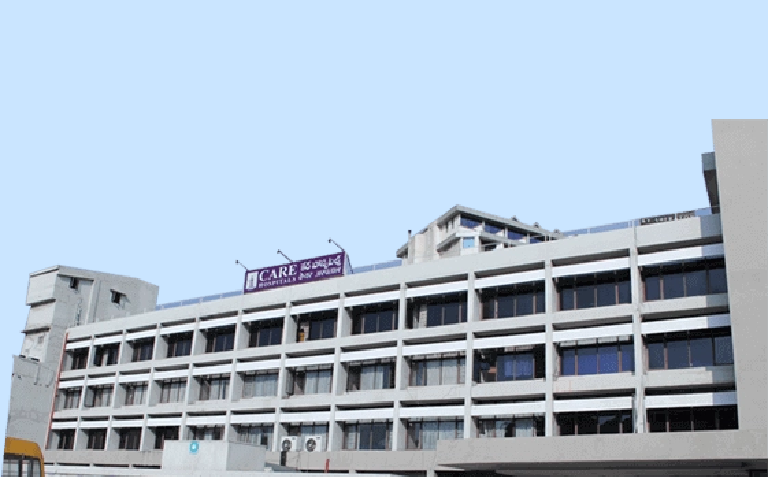
CARE Hospitals, Ramnagar, Visakhapatnam
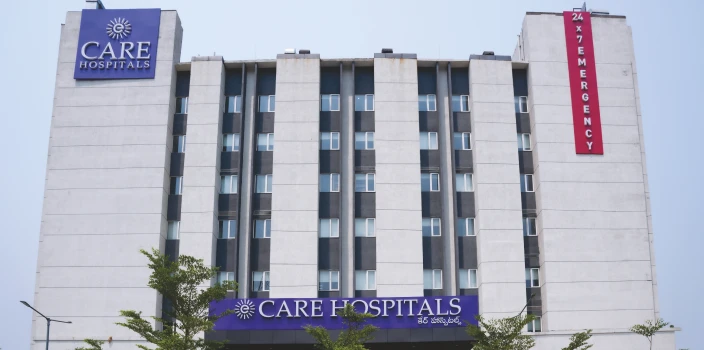
CARE Hospitals, Health City, Arilova
Frequently Asked Questions
The surgery removes lymph nodes from the neck to check for or treat cancer. Medical teams perform this procedure when cancer cells from the mouth, throat, thyroid or skin tumours might spread to the neck lymph nodes.
Recovery involves mild pain for most patients. Over-the-counter medications help manage the discomfort effectively.
This procedure typically lasts 2-4 hours. The duration changes based on the type performed and whether doctors perform other procedures simultaneously.
Some common complications (including but not limited to):
- Numbness around the surgical site and ear
- Shoulder weakness
- Facial nerve damage
- Lymphedema (swelling due to fluid buildup)
- Infection
Hospital stays usually last 2-5 days. Recovery times vary among patients. You might experience weakness for several weeks. Your shoulder function could improve gradually over 12-18 months.
Medical teams admit patients one day before surgery. You need routine blood tests, chest X-rays, and must sign informed consent. Food intake should stop after midnight before your procedure.
You receive general anaesthesia during the procedure. Your surgeon makes incisions to access and remove targeted lymph nodes. The team places drains afterwards to prevent fluid collection.
Your surgeon will schedule your first follow-up visit 7-10 days after you leave the hospital. This visit helps remove stitches and check your healing progress. The laboratory results from lymph node tests become available within 1-2 weeks. Your follow-up schedule starts with frequent visits every three months during the first year.
Your body needs a balanced diet to heal properly.
- Each meal should include protein sources like meat, fish, or eggs.
- You should drink 8-10 glasses of liquid daily.
- Avoid alcohol and caffeine.
Throat pain might make eating challenging at first. Start with soft foods and work your way up to your regular diet.
Ideal candidates have:
- Head and neck squamous cell carcinoma
- Skin cancer including melanoma
- Thyroid cancer
- Salivary gland cancer
Physical therapy helps speed up your recovery. Your prescribed exercises should start five days after surgery and continue for at least two months. Regular activity helps, but you need adequate rest periods. You should avoid heavy lifting for at least four weeks.
This procedure requires general endotracheal anaesthesia. Your anesthesiologist will review your medical history, previous anaesthesia experiences, and discuss your comfort needs before surgery.
The surgery isn't suitable for patients with unresectable disease that affects the skull base or deep neck muscles. Other conditions that prevent surgery include:
- Severe cardiopulmonary problems
- Carotid artery involvement
- Distant metastatic disease
- Uncontrollable primary tumours
Still Have a Question?