
-
Centre of Excellence
Specialties
Treatments and Procedures
 HyderabadCARE Hospitals, Banjara Hills CARE Outpatient Centre, Banjara Hills CARE Hospitals, HITEC City CARE Hospitals, Nampally Gurunanak CARE Hospitals, Musheerabad CARE Hospitals Outpatient Centre, HITEC City CARE Hospitals, Malakpet
 Raipur
 Bhubaneswar
 Visakhapatnam
 Nagpur
 Indore
 Chh. Sambhajinagar
 Clinics & Medical Centers


-

-

-

-

-

-
Follow Us

Best Hospital for Splenectomy Surgery in Hyderabad
- Advanced Technology
- Shorter Hospital Stay
- Pre & Post-Operative Care
- All Insurance Accepted

Chat With Our Experts
Get second opinion on Whatsapp
25 lakhs+
Happy Patients
Experienced and
skilled surgeons
17
Health Care Facilities
Top most Referral Centre
for Complex Surgeries
Advanced Splenectomy Surgery
The spleen has an essential role in combating infections and cleaning blood, but sometimes doctors need to remove it. Surgeons perform this surgical removal procedure, called splenectomy surgery, to treat blood disorders, physical injuries, and certain cancers. Patients without spleens face infection risks 10 to 20 times higher than others, particularly sepsis.
This article explains what splenectomy is, why it's needed, and what complications might arise during recovery.
Why CARE Group Hospitals is Your Top Choice for Splenectomy Surgery in Hyderabad
Certified surgeons at CARE Hospitals deliver exceptional splenectomy outcomes. We specialise in complex abdominal procedures in dedicated operating theatres equipped for both traditional and minimally invasive approaches. If you are looking for a hospital practising a multidisciplinary team approach where the surgeons work with haematologists, immunologists and infectious disease experts and give a customised treatment plan for each patient, CARE Hospital is there for you.
The hospital's steadfast commitment to post surgical care ensures that patients receive detailed follow-up support. This reduces complications and speeds up recovery times. Our infection prevention protocols play a vital role, especially for patients who are more prone to infections after the procedure.
Innovative Surgical Technology at CARE Hospital
CARE Hospital uses advanced laparoscopic techniques for splenectomy that benefit patients with smaller incisions, less pain, and quicker recovery. The surgical team uses high definition imaging systems which give them crystal clear visualisation during procedures to improve precision & safety.
The hospital's robotic-assisted surgical capabilities help surgeons perform complex splenectomy cases with better dexterity and control. These technological advances, combined with CARE's ongoing surgical training programmes, ensure patients get the most current, evidence-based surgical care.
Best Splenectomy Surgery Doctors in India









Indications for Splenectomy Surgery
Doctors recommend splenectomy for several medical conditions:
- Blood disorders - Including immune thrombocytopenia (ITP), hereditary spherocytosis, and sickle cell disease
- Splenic injuries - Trauma from accidents or sports injuries causing rupture or severe damage
- Splenic enlargement - When the spleen grows by a lot (splenomegaly) due to infections or blood diseases
- Cancer - Certain lymphomas, leukaemias, or primary splenic tumours
- Splenic cysts or abscesses - These need removal when they cause symptoms or risk rupture
Types of Splenectomy Surgery Procedures
CARE Hospital offers different splenectomy approaches based on each patient's needs:
- Open Splenectomy: This traditional method uses a larger incision below the ribs to access the spleen directly. This approach works best for cases with severe enlargement, cancer, or complex anatomical situations.
- Laparoscopic Splenectomy: This minimally invasive technique uses several small incisions for a camera and specialised instruments. Patients typically experience faster recovery, less pain and smaller scars.
- Partial Splenectomy: Children and some adults might only need the removal of the diseased portion of their spleen. This preserves important immune function while addressing the medical problem.
Pre-surgery Preparation
Patients need essential vaccinations against encapsulated bacteria about 10–12 days before elective splenectomy. Doctors will do a full evaluation including but not limited to:
- Physical examinations and blood tests
- Imaging studies to plan surgery
- Medication adjustments, especially blood thinners
- Guidance to quit smoking for better healing
Splenectomy Surgical Procedure
Surgeons use two main approaches:
- Laparoscopic Splenectomy: This less invasive technique uses 3-4 small incisions in the abdomen. Surgeons use a camera & specialised instruments to see and remove the spleen. Patients experience less pain & recover faster.
- Open Splenectomy: During this procedure your surgeon will create a larger incision below the ribs or midline when you have ruptured spleens, large spleens or lots of scarring from previous surgeries.
Both procedures need general anaesthesia and usually take two to four hours.
Post-Surgery Recovery
Patients stay in the hospital 2-3 days after laparoscopic procedures and 5-7 days after open surgery. Common experiences include:
- Pain that lasts several days
- Flu-like symptoms that get better within a week
- Slow return to movement to avoid complications
Complications
Common complications are:
- Bleeding
- Infection
- Blood clots
- Damage to nearby organs like the pancreas, stomach, or colon.
Overwhelming post-splenectomy infection (OPSI) remains the biggest long-term risk.
Benefits of Splenectomy Surgery
This surgery helps treat:
- Idiopathic thrombocytopenic purpura
- Hemolytic anaemia
- Certain cancers
- Hypersplenism
- Ruptured spleens from injuries
Insurance Assistance for Splenectomy Surgery
Health insurance usually covers splenectomy costs. Check your coverage details and pre-authorisation requirements before scheduling surgery.
Get a Second Opinion for Splenectomy Surgery
Additional medical views help make the best treatment decisions. Many hospitals offer virtual second opinion services. They connect you with specialist physicians who review your medical records and share expert recommendations.
Conclusion
You can resume your normal activities within four to six weeks after splenectomy. Your body generally learns to function without this organ though you may need to follow some precautions like staying alert about infection risks, getting immediate medical help for fevers, and following vaccination schedules.
Splenectomy is a major health decision. You can have a better quality of life after surgery but the only condition is that the surgery is done with advanced surgical techniques by expert doctors in institutions like CARE Hospitals.
Splenectomy Surgery Hospitals in India
-

CARE Hospitals, Banjara Hills, Hyderabad

CARE Hospitals Outpatient Centre, Banjara Hills, Hyderabad

CARE Hospitals, HITEC City, Hyderabad

CARE Hospitals Outpatient Centre, HITEC City, Hyderabad
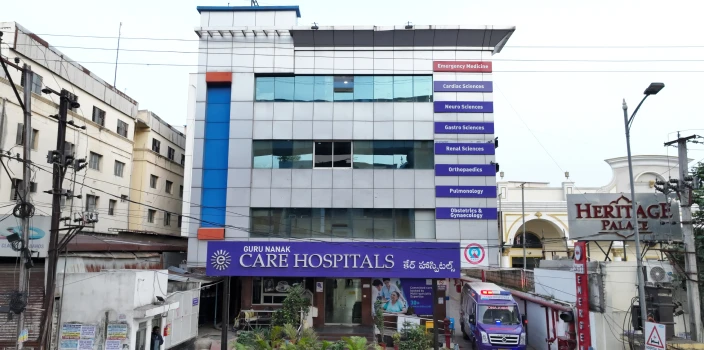
Gurunanak CARE Hospitals, Musheerabad, Hyderabad
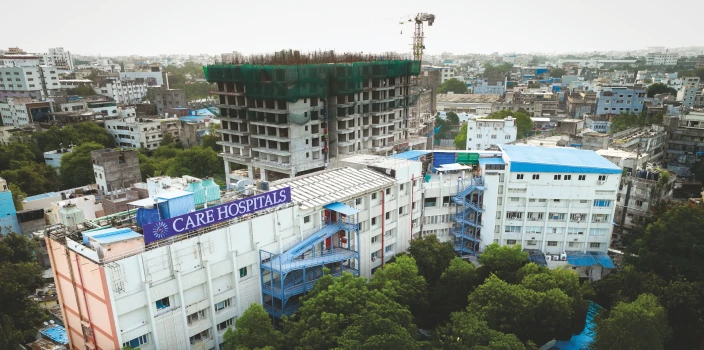
CARE Hospitals, Nampally, Hyderabad

CARE Hospitals, Malakpet, Hyderabad

CARE Hospitals, Bhubaneswar
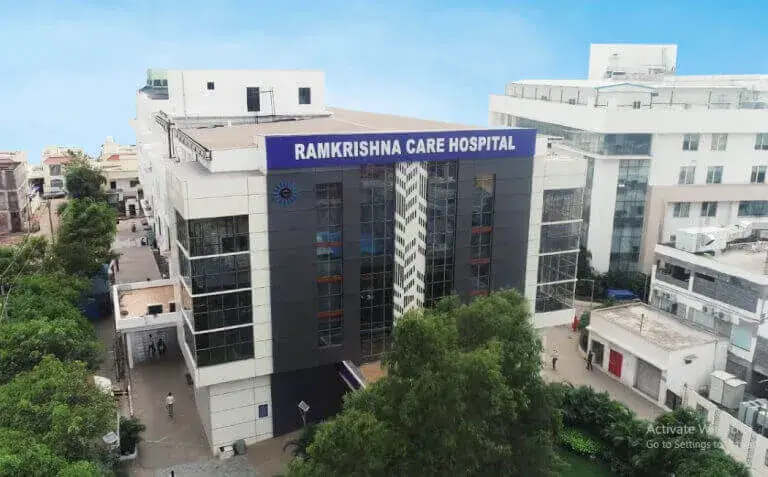
Ramkrishna CARE Hospitals, Raipur

CARE Hospitals, Ramnagar, Visakhapatnam

CARE Hospitals, Health City, Arilova
Frequently Asked Questions
A splenectomy removes the spleen - an organ in your upper left abdomen that filters blood and fights infections. Doctors recommend this procedure to treat ruptured spleens, blood disorders, certain cancers, or an abnormally enlarged spleen.
Pain usually lasts several days after surgery. You might feel tired and nauseated at first, similar to having the flu. The good news is that most patients feel better within a week as these symptoms gradually improve with pain medications.
A laparoscopic splenectomy usually takes 1-2 hours. The open surgery version needs 1-5 hours based on complexity. Your surgeon's approach and individual case details determine the exact duration.
The common risks (including but not limited to):
- Bleeding
- Infection
- Blood clots
- Damage to nearby organs like the stomach, pancreas, and colon
Recovery typically takes 4-6 weeks. You will stay in the hospital 1-2 days for laparoscopic procedures or 5-7 days for open surgery.
You need specific vaccinations (pneumococcal, meningococcal, Haemophilus influenzae) ideally 10-12 weeks before surgery. Your doctor will tell you to stop certain medications, especially blood thinners. You will also need to fast before the procedure.
- You will be under general anaesthesia and completely unconscious during the operation.
- Your surgeon will place a breathing tube and monitor your vital signs throughout the procedure.
- Laparoscopic procedures need 3-4 small incisions. The surgeon will insert a camera and specialised tools, inflate your abdomen with carbon dioxide and remove the spleen in a special bag. Open surgery requires a larger abdominal incision.
Regular vaccinations are essential to prevent infections. Daily antibiotics might be necessary if you are in a high risk group. Make sure to attend all follow-up appointments & get immediate medical help if you develop a fever or signs of infection.
Food safety matters more than specific dietary restrictions.
Avoid foods with a high bacterial risk like raw meats, unpasteurised dairy, unwashed produce and raw seafood. Your body will need small, frequent meals at first since you might feel full quickly. Drinking plenty of water and eating fibre-rich foods will prevent constipation. You can return to your normal diet as your digestive system heals.
The surgery suits patients with traumatic splenic injuries, blood disorders like immune thrombocytopenia, specific cancers, hypersplenism, or enlarged spleens with symptoms. Your doctor will evaluate benefits against risks based on your condition, health status, and previous treatment outcomes.
Your recovery depends on how much you have adhered to the instructions given by your surgeon. Regular walks prevent blood clots but make sure you rest enough. Keep your incisions clean and dry. Take all medications as prescribed. Good nutrition and hydration are essential. Don't lift heavy objects until your doctor gives permission. Regular follow-up visits are important, and report any fever or signs of infection right away.
Splenectomy procedures always use general anaesthesia. The anesthesiologist will give you medication through an IV line or as gas through a breathing mask. They will monitor your heart rate, blood pressure, and oxygen levels throughout the surgery.
- Stay away from sick people and practice good hygiene to prevent infections.
- Avoid travelling to areas with high malaria risk.
- Don't lift heavy items for 4-8 weeks.
- Showers are okay, but wait for your surgeon's approval before taking baths, usually after two weeks.
- Strenuous activities should wait 4-6 weeks.
Still Have a Question?