
-
Centre of Excellence
Specialties
Treatments and Procedures
 HyderabadCARE Hospitals, Banjara Hills CARE Outpatient Centre, Banjara Hills CARE Hospitals, HITEC City CARE Hospitals, Nampally Gurunanak CARE Hospitals, Musheerabad CARE Hospitals Outpatient Centre, HITEC City CARE Hospitals, Malakpet
 Raipur
 Bhubaneswar
 Visakhapatnam
 Nagpur
 Indore
 Chh. Sambhajinagar
 Clinics & Medical Centers


-

-

-

-

-

-
Follow Us

Best Hospital for Rectopexy Surgery in Hyderabad
- Advanced Technology
- Shorter Hospital Stay
- Pre & Post-Operative Care
- All Insurance Accepted

Chat With Our Experts
Get second opinion on Whatsapp
25 lakhs+
Happy Patients
Experienced and
skilled surgeons
17
Health Care Facilities
Top most Referral Centre
for Complex Surgeries
Advanced Rectopexy Surgery
Rectopexy surgery remains the main treatment option for rectal prolapse, a condition where the rectum protrudes through the anal canal. This rare but important medical condition needs surgical intervention rather than medical management. This condition can affect anyone but women in their sixties make up most rectal prolapse patients.
Resection rectopexy stands as the preferred surgical option for patients with complete rectal prolapse, especially when they experience chronic constipation. Patient outcomes have shown that laparoscopic approaches work better than transanal rectal resection, especially in elderly patients. Patients see improvement in obstructed defecation and better faecal continence.
Why CARE Group Hospitals is Your Top Choice for Rectopexy Surgery in Hyderabad
CARE Hospitals combines exceptional surgical skills with detailed patient care that makes it unique for rectopexy procedures. Our specialists work exclusively on gastrointestinal surgical conditions and handle even the most complex cases expertly. The team-based care approach helps patients with multiple medical conditions by addressing everything in their health.
CARE's personalised approach makes them special. Expert medical teams work together to create customised treatment plans for each patient. This patient-centred philosophy will give a great outcome while keeping comfort and recovery the top priority.
State-of-the-art Surgical Breakthroughs at CARE Hospital
CARE Hospitals has pioneered advanced surgical techniques with modern technology:
- You get access to Robot-assisted systems like Hugo RAS and Da Vinci X Robot that boost surgical precision by a lot
- High-definition 3D monitors give surgeons crystal-clear views of the surgical field
- Robot-assisted arms provide exceptional flexibility and control during procedures
Patients benefit from these breakthroughs through smaller incisions with minimal scarring, shorter hospital stays, faster recovery, minimal blood loss during procedures, and lower infection risk.
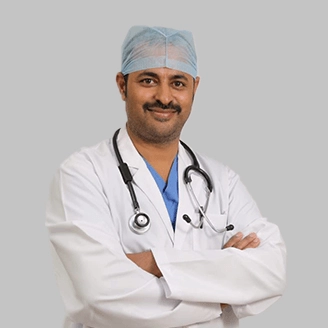
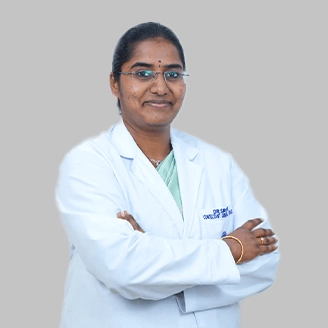
Best Rectopexy Surgery Doctors in India







Indications for Rectopexy Surgery
Doctors recommend rectopexy surgery in these situations (including but not limited to):
- The rectum protrudes through the anal canal and causes visible prolapse.
- Patients experiencing pain, discomfort and possible stool leakage
- People with long-term constipation or diarrhoea
- Surgery helps improve faecal incontinence caused by rectal prolapse.
Types of Rectopexy Surgery Procedures
Rectal prolapse comes in several forms that need specific surgical approaches:
- External prolapse - It happens when the rectum extends outside the anus and becomes visible.
- Internal prolapse - Rectum drops but stays inside the body
- Mucosal prolapse - Only the rectal lining extends beyond the anus.
Some of the surgical methods including but not limited to:
- Abdominal Approach: The surgeon puts back your rectum to its normal position using sutures or mesh through traditional (open surgery) or minimally invasive methods.
- Laparoscopic Rectopexy: The surgeon makes small abdominal incisions (five to ten mm) to access and repair the prolapsed rectum using cameras and specialised instruments (bringing you faster with less scarring).
- Robotic-assisted Surgery: This method boosts surgical precision while keeping the benefits of minimally invasive techniques.
- Perineal Approaches: Elderly or higher risk patients often get these procedures through the anus instead of the abdomen.
Pre-Surgery Preparation
Your preparation for rectopexy surgery will involve several key steps. Your surgeon will examine you and use imaging studies to get a full picture of your condition. Here is what you will need to do:
- A shower with antibacterial soap (to reduce infection risk)
- Clean your bowels with prescribed enemas or laxatives
- Stop taking certain medications temporarily
- Drink only clear liquids for a specific period.
- Tell your medical team about any existing conditions, allergies, and current medications to keep you safe during the procedure.
Rectopexy Surgery Steps
- Rectopexy surgery usually takes 1-3 hours under general anaesthesia or spinal/epidural block.
- Your surgeon will choose the best technique based on your health & how severe your prolapse is.
- The surgeon identifies and frees the rectum from nearby tissues with care
- Then the surgeon lifts the rectum back to its usual spot in the pelvis.
- The surgeon attaches it to the sacrum (lower spine) using stitches or a surgical mesh to stop it from slipping out again
- The surgeon closes the incisions and keeps an eye on the patient as they wake up from the anaesthesia.
Post-surgery Recovery
You might stay in the hospital for one to seven days depending on your surgical approach. Full recovery usually takes 4-6 weeks. Here's how to heal better:
- Don't strain, lift heavy objects (over 5kg), or do strenuous activities for at least six weeks
- Eat a high-fibre diet and drink plenty of fluids to prevent constipation
- Take your prescribed pain medication and laxatives as directed
- You might see some discharge or bleeding for up to six weeks after surgery
- Your bowel function will improve, though it might take several months to stabilise completely.
Complications
Rectopexy surgery is generally safe but comes with some risks:
- Rectopexy recurrence
- Infection
- Bleeding
- Anastomotic leak
- Constipation or worsening of existing constipation
Rare complications include:
- Pelvic abscess
- Sexual dysfunction
- Bowel obstruction
Benefits of Rectopexy Surgery
This surgery can change your life in several ways:
- You will be free from prolapse-related pain and discomfort
- Improvement in bowel function and control
- Reduced risks of serious complications like rectal ulcers and gangrene
- Improvement in the quality of life and daily functioning
- Improvement in faecal incontinence
Insurance Assistance for Rectopexy Surgery
Most Indian health insurance plans cover rectopexy surgery. Your coverage usually includes:
- Hospital stay expenses
- Pre and post-surgical care costs
- Surgical fees and related medical services
Check with your provider about specific coverage details, reimbursement processes, and potential out-of-pocket expenses.
Get a Second Opinion for Rectopexy Surgery
A second medical opinion before your rectopexy surgery can help you in many ways including but not limited to:
- Confirmation of whether you really need surgery or not
- Learn about other treatment options
- Get expert advice from additional specialists
- Feel more confident about your healthcare decisions
Remember to bring your complete medical records and imaging results when you ask another doctor for their opinion.
Conclusion
Rectopexy surgery transforms the lives of patients who suffer from rectal prolapse. The procedure restores normal anatomy and improves the life quality. CARE Group Hospitals has become the top choice for this specialised surgery in Hyderabad. Our state-of-the-art robotic systems and experienced specialists ensure precise procedures. Patients heal faster with smaller incisions and face fewer complications compared to traditional methods.
This surgical solution does more than just physical repair. Patients regain their confidence, live without discomfort, and enjoy daily activities freely. Expert care from CARE Hospitals helps patients look forward to an active, comfortable life after successful rectopexy surgery.
Rectopexy Surgery Hospitals in India
-
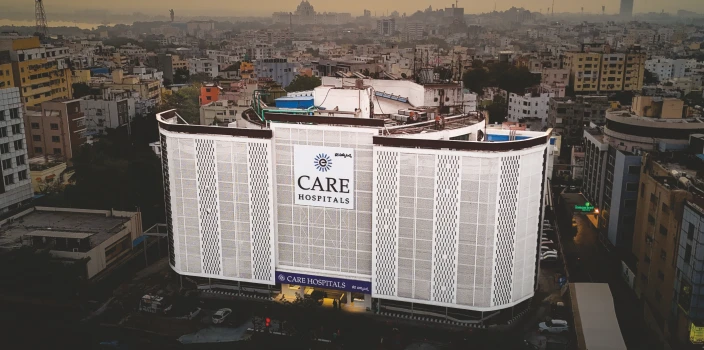
CARE Hospitals, Banjara Hills, Hyderabad
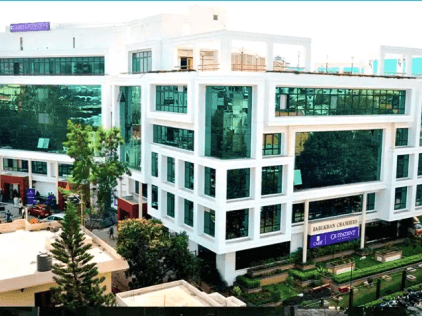
CARE Hospitals Outpatient Centre, Banjara Hills, Hyderabad
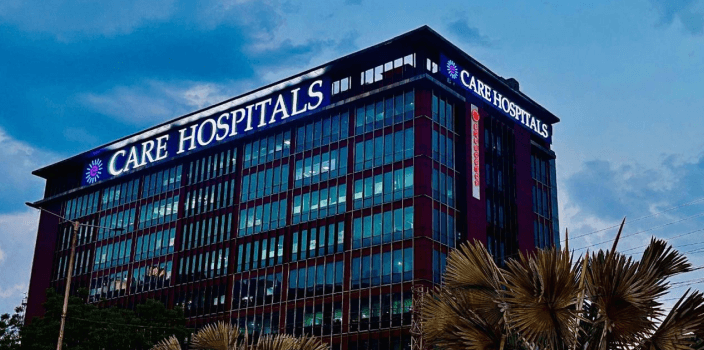
CARE Hospitals, HITEC City, Hyderabad
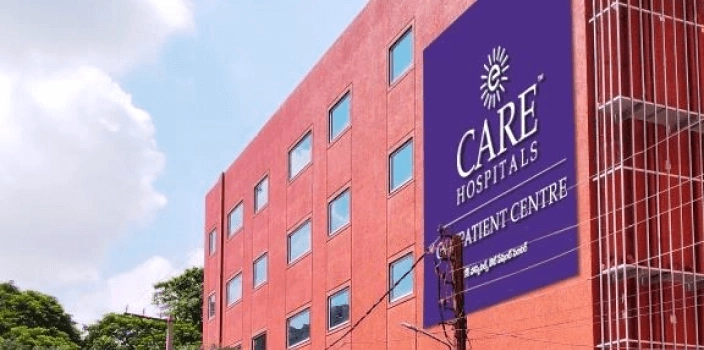
CARE Hospitals Outpatient Centre, HITEC City, Hyderabad
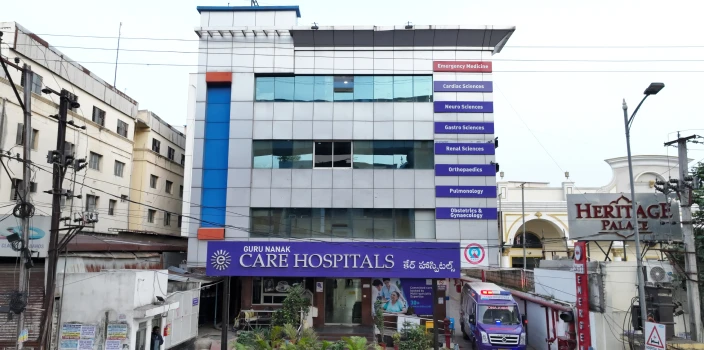
Gurunanak CARE Hospitals, Musheerabad, Hyderabad
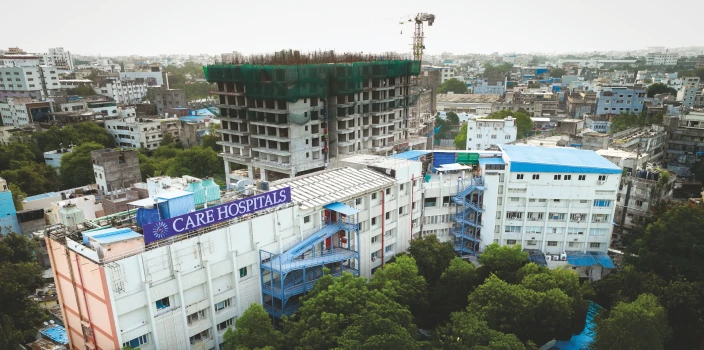
CARE Hospitals, Nampally, Hyderabad
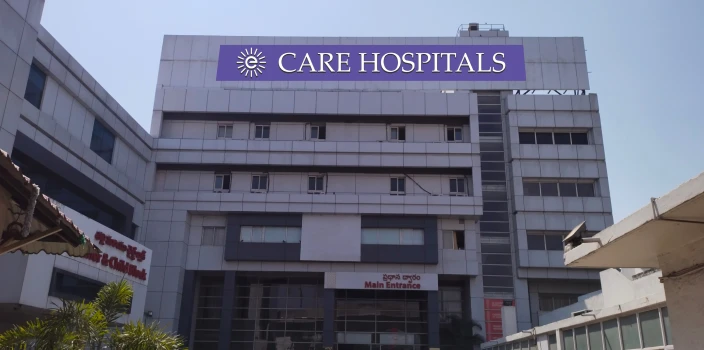
CARE Hospitals, Malakpet, Hyderabad

CARE Hospitals, Bhubaneswar
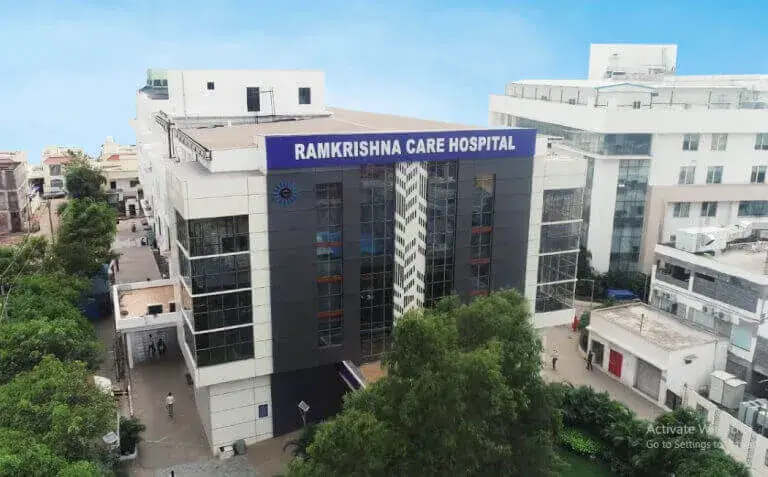
Ramkrishna CARE Hospitals, Raipur
CARE Hospitals, Ramnagar, Visakhapatnam
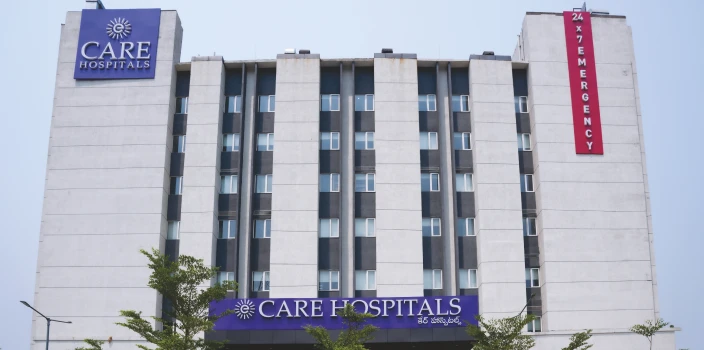
CARE Hospitals, Health City, Arilova
Frequently Asked Questions
Rectopexy is a surgical operation that puts the rectum back in its normal position. Doctors use this procedure to treat rectal prolapse, a condition where the rectum pushes through the anus.
You will feel some discomfort after surgery. Doctors will give you pain medications to keep taking them at first. Patients who undergo laparoscopic surgery experience less pain than those who have open surgery.
The surgery takes between 100-150 minutes. Complex procedures might need more time.
Complications can include:
- Wound infection
- Bleeding
- Bowel obstruction
- Fistula formation
- Mesh-related problems
- Recurrence
- Constipation
- Nerve damage
Your recovery will take 4-6 weeks. Hospital stays differ based on the procedure type.
You will need bowel cleansing with enemas or laxatives the day before surgery. The night before, stop eating and drinking, take prescribed antibiotics, and use antiseptic soap when showering.
The surgery happens under general anaesthesia. Your surgeon will make either small cuts for laparoscopic surgery or one larger abdominal cut for open surgery. They will then return your rectum to its proper position and secure it with sutures or mesh.
Bring your medical records to all consultations. Make sure someone can drive you home after discharge. Set up your home for a comfortable recovery with loose clothes and easy-to-reach toiletries.
You will need post-operative appointments to ensure proper healing. Your surgeon will want to see you one month after the procedure. Doctors recommend a check-up after 30 days and additional monitoring up to one year. A five-year monitoring period helps track your progress since complications might develop later.
Your diet should include:
- Whole grains and vegetables that are high in fibre
- Eat smaller meals more frequently instead of three large ones
- Drink eight to ten glasses of fluid daily
- Foods rich in vitamin C will help with tissue repair.
Stay away from alcohol during the first week. You should also avoid spicy foods, fried items, and meats that are tough to digest.
The best candidates have external rectal prolapse and can handle general anaesthesia. Patients who haven't responded to conservative treatments and those whose symptoms affect their daily life make suitable candidates.
Take daily walks but skip strenuous activities. Your diet should be rich in fibre, and you will need fibre supplements. Drink plenty of fluids and find ways to manage stress effectively. Don't lift anything heavier than 5kg for six weeks.
Doctors typically use general anaesthesia that puts you to sleep completely or a spinal block that numbs your lower body.
The surgery isn't suitable for patients who can't handle general anaesthesia. People with active pelvic cancer or who are pregnant should avoid this procedure. The same applies to patients with fistulising rectovaginal disease, pelvic sepsis, or active colitis.
Still Have a Question?