
-
Centre of Excellence
Specialties
Treatments and Procedures
 HyderabadCARE Hospitals, Banjara Hills CARE Outpatient Centre, Banjara Hills CARE Hospitals, HITEC City CARE Hospitals, Nampally Gurunanak CARE Hospitals, Musheerabad CARE Hospitals Outpatient Centre, HITEC City CARE Hospitals, Malakpet
 Raipur
 Bhubaneswar
 Visakhapatnam
 Nagpur
 Indore
 Chh. Sambhajinagar
 Clinics & Medical Centers


-

-

-

-

-

-
Follow Us

Best Hospital for Laser Lithotripsy Surgery in Hyderabad
- Advanced Technology
- Shorter Hospital Stay
- Pre & Post-Operative Care
- All Insurance Accepted

Chat With Our Experts
Get second opinion on Whatsapp
25 lakhs+
Happy Patients
Experienced and
skilled surgeons
17
Health Care Facilities
Top most Referral Centre
for Complex Surgeries
Advanced Laser Lithotripsy
Laser lithotripsy is one of the advanced minimally invasive approaches that is recommended by the urologists in order to break kidney stones into tiny fragments using laser energy. This advanced treatment provides you precise stone removal with very little/minimal pain, quicker recovery, and shorter hospital durations when compared to other surgical approaches.
At CARE Hospitals, you can receive expert treatment by our urologists who perform advanced laser lithotripsy in Hyderabad using advanced technology to ensure safe and effective treatment for kidney stones of different sizes and locations.
What is Laser Lithotripsy?
Laser lithotripsy is a kind of specialized procedure for removing kidney stones where a thin, flexible scope goes through the urinary tract until it reaches the stone itself. Then a high-energy laser is triggered to split the stone into smaller bits; those fragments are either taken out, or they just pass on their own through urine, usually without much hassle.
Urologists often suggest this approach when someone has:
- Kidney stones
- Ureter stones
- Bladder stones
- Repeated stone episodes that keep causing pain or blocking urine flow
In many cases laser lithotripsy is among the most favored options because it usually doesn’t mean large incisions, and recovery tends to be faster.
Best Laser Lithotripsy Doctors in India






















Why Choose Laser Lithotripsy for Kidney Stones?
A person can choose laser lithotripsy, as it has many advantages compared to conventional kidney surgery, such as the following:
- A Minimal Invasive Procedure: Laser lithotripsy is performed without large cuts, hence making it a far less invasive procedure and more comfortable for patients than other methods.
- Highly Accurate Fragmentation of Stones: The advanced laser technology allows for precise fragmentation of the stones in the kidney, making it easier to remove them.
- Less Pain and Discomfort: The recovery after laser lithotripsy typically results in less pain and discomfort than the recovery period of other methods.
- Rapid Recovery Rate: Patients who undergo the process usually recover very fast.
- Low Risks of Bleeding: Due to low tissue injury, there are reduced risks of bleeding.
- Short Hospitalization Period: Patients have the potential to get discharged from the hospital on the same day.
- Can Handle All Types of Stones: Regardless of size and location, this technique is highly effective against kidney stones and gives the best outcomes.
- Less Likely to Cause Complications: Being non-invasive, laser lithotripsy is less likely to result in fewer or no complications and infections when performed by an experienced urologist.
The above are the reasons why one can choose laser lithotripsy as an option for the removal of kidney stones.
When is Laser Lithotripsy Recommended?
A nephrologist or urologist may suggest laser lithotripsy if one of the following conditions exists:
- Large kidney stones that cannot be passed naturally
- Severe pain due to stone blocking the urinary tract
- Blocked urinary tract secondary to stone
- Urinary tract infections due to stones that have occurred repeatedly
- Failure of other nonsurgical methods of treatment
- Stones that are located in an uncommon area of the kidney
The treatment approach for all patients will be determined after determining the size, location, and makeup of the stone.
Symptoms That May Require Laser Lithotripsy
If you have any of these symptoms, you may need laser treatment for your kidney stones:
- Severe pain in your flank and/or back (such as when you get sharp pain when your kidney stones block the flow of urine).
- Burning when you urinate (which can be caused by irritation from your stones).
- Blood present in your urine (this can be indicative of bleeding that may occur from your stones).
- A persistent urge to urinate (irritation from stones can cause frequent urges to urinate).
- Nausea and/or vomiting (this may occur with very severe pain from your kidney stones).
- Difficulty passing urine (big stones can block your urinary tract and make it difficult or painful to pass urine).
- Fever and chills associated with your kidney stones (these may indicate there is an infection that warrants immediate attention).
If you are experiencing persistent symptoms, you should seek the immediate evaluation of a urologist, as the earlier you seek medical attention, the less likely complications will occur, and, therefore, you will be more likely to receive appropriate care in a timely manner.
How is Laser Lithotripsy Performed?
Typically, laser lithotripsy requires anesthesia prior to the start of the procedure. In this case:
- A thin ureteroscope will be inserted via the urethra.
- The thin scope will be used to access the kidney stone.
- The laser energy will break the kidney stone into many small pieces.
- The small pieces of the kidney stone will be removed via instrumentation or passed naturally via urine.
In some instances, a temporary ureteral stent will be placed to assist with urine flow as part of the recovery process.
Recovery After Laser Lithotripsy
Laser lithotripsy requires very small incisions, and so healing is usually very fast. Most people can return to their normal activity level within a week or so.
Patients undergoing this procedure may have:
- A mild burning sensation when urinating.
- A small amount of blood in their urine that will go away quickly.
- Minor pain and/or discomfort for a short period of time.
Your doctor may advise you to:
- Drink more fluids.
- Taking prescribed medication as directed.
- Temporarily avoiding strenuous activity.
- Following specific dietary recommendations.
Risks and Complications of Laser Lithotripsy
Laser lithotripsy has been accepted as a very safe procedure. Like any other medical procedure, there are some risks associated with laser lithotripsy, including, but not limited to:
- Mild Bleeding
- Infection
- Transient Pain
- Ureteral Injury (Rare)
- Stone Fragments Remaining
Patient aftercare is critical to reduce the number of complications and improve overall recovery.
Why Choose CARE Hospitals for Laser Lithotripsy
A person may opt for CARE Hospitals considering their comprehensive management of kidney stones, which includes the following:
- Well-experienced urology specialists
- Modern laser technologies, which make the quick healing possible
- Non-invasive procedures to remove the stones
- Customized therapy according to the condition of the patients
- Accurate diagnosis and state-of-the-art facilities
- Higher success rate in curing kidney stones, even if they recur
- Faster healing processes of patients along with proper post-treatment assistance
CARE Hospitals mainly concentrates on providing kidney stone treatments in a safe and patient-friendly manner.
How to Prevent Kidney Stones After Laser Treatment
One should follow the below preventive measures in order to avoid the recurrence of kidney stones in the future:
- Drink lots of water each day: Drinking plenty of fluids helps to wash out minerals from your body and prevent the formation of new stones.
- Reduce salt intake: Eating less salt will help to prevent calcium from forming in urine.
- Limit oxalate-rich foods: Avoiding oxalates, if possible, may help to lower the risk of having certain types of kidney stones.
- Eat a balanced diet: A healthy, balanced diet will help to keep your kidneys healthy and prevent them from making more stones.
- Stay active: Regular, physical activity will help to keep your body functioning properly and will reduce the risk of developing kidney stones.
- Following all medications prescribed by your doctor: If you follow all prescribed medications, this will help to control everything that causes kidney stones to form.
- Regular follow-up appointments with your doctor: Routine medical checkups will help you to keep track of your overall kidney health and will help to identify stones early.
- Lifestyle changes: Healthy lifestyles can greatly diminish the chances of you developing additional kidney stones.
- Making the above modifications to your lifestyle prevents you from developing future kidney stones.
Conclusion
Laser lithotripsy is sort of an advanced and quite effective option to deal with kidney stones; it helps remove them with more speed and usually less discomfort than older methods. When diagnosis happens early and treatment is provided on time, it can reduce the chance of complications that come with kidney stones too, so it matters.
CARE Hospitals provides advanced laser lithotripsy in Hyderabad, with expert urologists, state-of-the-art facilities, and a patient specific approach, so the whole process is safer and more successful.
Laser Lithotripsy Hospitals in India
-
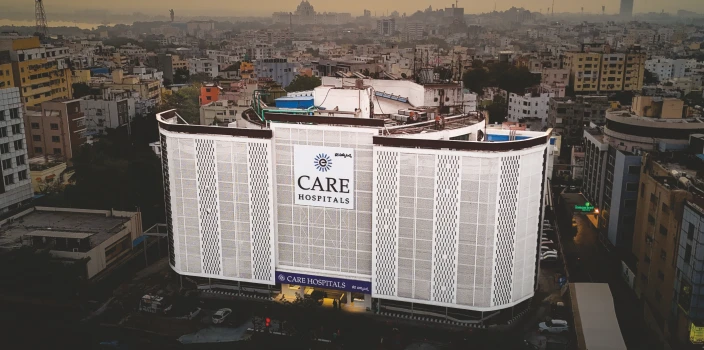
CARE Hospitals, Banjara Hills, Hyderabad
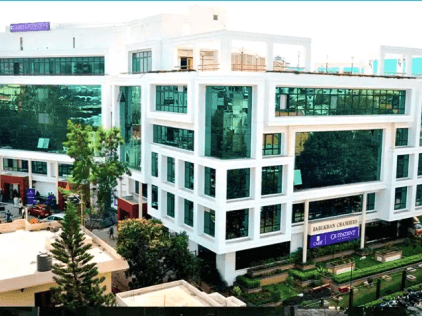
CARE Hospitals Outpatient Centre, Banjara Hills, Hyderabad
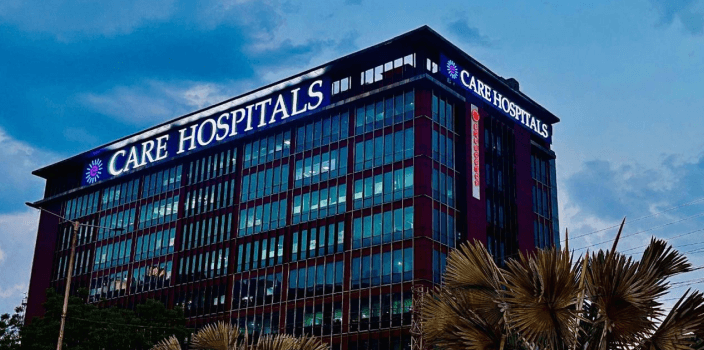
CARE Hospitals, HITEC City, Hyderabad
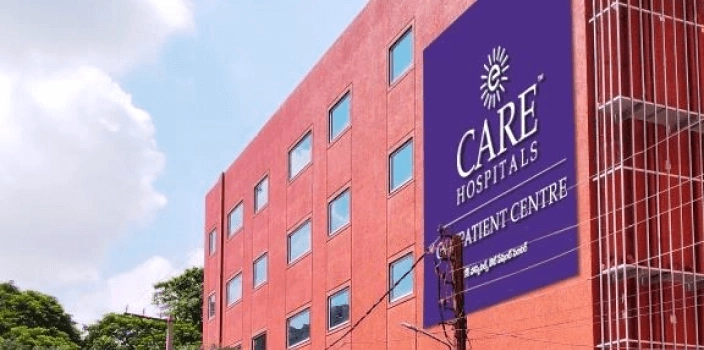
CARE Hospitals Outpatient Centre, HITEC City, Hyderabad
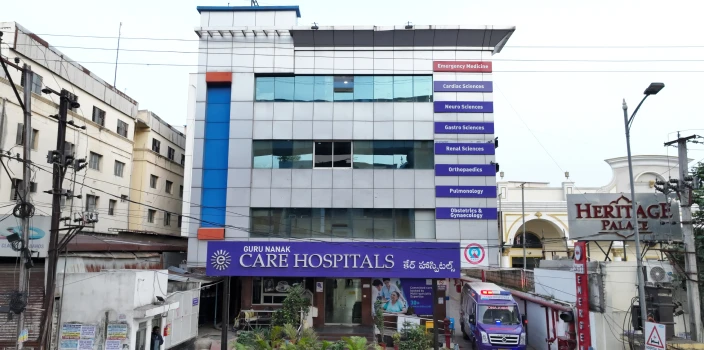
Gurunanak CARE Hospitals, Musheerabad, Hyderabad
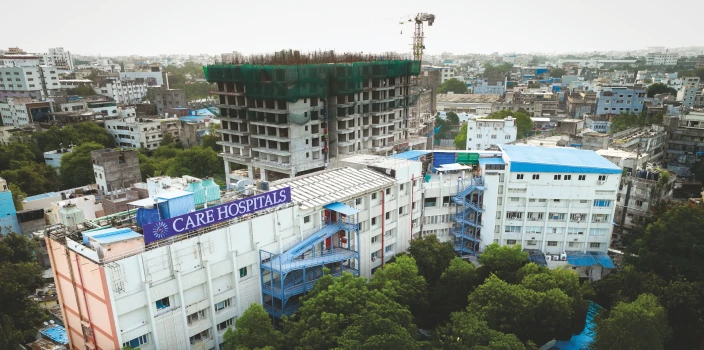
CARE Hospitals, Nampally, Hyderabad
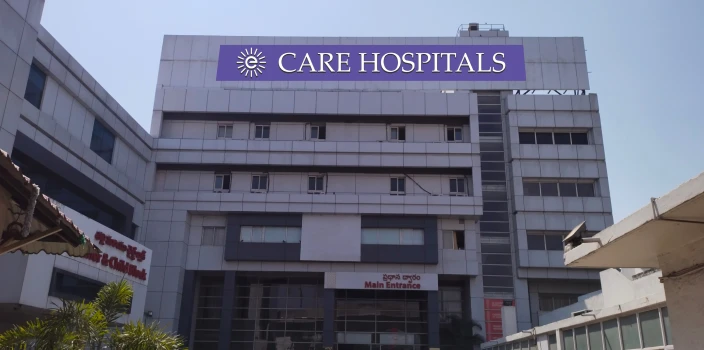
CARE Hospitals, Malakpet, Hyderabad
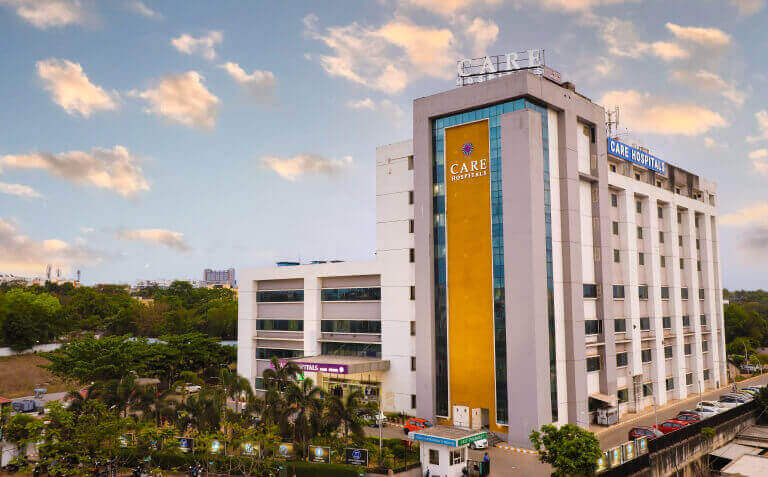
CARE Hospitals, Bhubaneswar
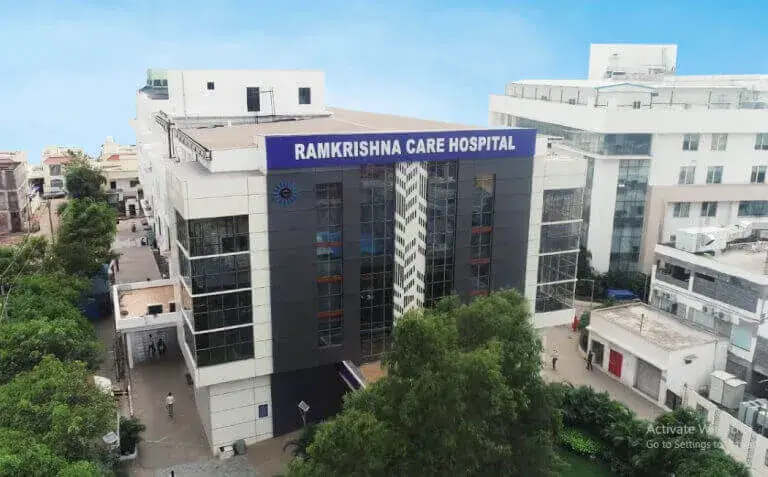
Ramkrishna CARE Hospitals, Raipur
CARE Hospitals, Ramnagar, Visakhapatnam
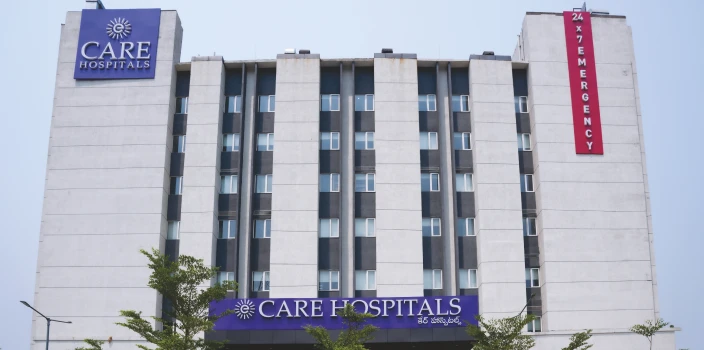
CARE Hospitals, Health City, Arilova
Frequently Asked Questions
Laser lithotripsy is usually not painful because it is done under anesthesia. Some people may have a little discomfort or mild burning sensation when passing urine for a day or so after the lithotripsy procedure.
Usually it takes anywhere from about 30 minutes to 90 minutes altogether depending on the size of the stone, how many stones there are, and where they sit in the kidney or ureter.
Most patients recover within a few days after the surgery and return to routine life. Complete recovery from the surgery can differ from person to person because each person's health condition is different, and sometimes there is residual irritation.
Yes. In general, laser lithotripsy is considered a safe and effective minimally invasive treatment option for kidney stones in the hands of an experienced urologist.
There are some possible side effects that include mild blood in urine, temporary burning when urinating, mild pain, or small moments of discomfort after the treatment.
Laser lithotripsy works very well for most kidney and ureter stones, especially medium and larger ones. However, whether it fits your case depends on the stone size plus location and sometimes the anatomy too.
Stones that are larger than 5–6 mm, or stones that cause more severe symptoms, may benefit from laser lithotripsy for effective breakup and removal.
Usually it only needs a brief hospital stay. Some patients even go home the same day, after observation, if everything looks stable.
In some cases a temporary ureteral stent may be placed. This helps urine pass correctly, and it supports recovery after the procedure.
A kidney stent typically stays in place for a few days to maybe a couple of weeks; it really depends on how you recover and what your doctor says.
Yes, stones can return if hydration isn’t kept up and if dietary precautions and general lifestyle changes are not followed in a steady way.
People are often told to steer clear of high-salt foods, processed foods, too much animal protein, and oxalate-heavy foods, depending on the stone type.
Most people can go back to very light daily things within a few days, and some even return to work around then too, but it really depends on how your healing goes; each person is not the same.
In general, laser lithotripsy can break stones in a more exact way, so it’s often chosen when stones are bigger or kind of stubborn, meaning shock wave therapy may not hit the mark as well.
Yes, laser lithotripsy works well for stones lodged in the ureter, not only stones up in the kidney
Most insurance plans cover this type of treatment, but the exact coverage depends on your particular policy and the hospital.
Doctors may ask for blood work, urine testing, ultrasound, a CT scan, or even X-rays before treatment to map out the stone situation and to review the kidney’s overall condition so they can tailor the approach.
Preparing for laser lithotripsy is mostly about doing what your doctor says, a bit like following up on check-in details. Many patients are told to avoid eating for a period before the procedure and to pause specific medications if the urologist thinks it matters. Then they usually ask you to arrive early, bring any relevant documents, and follow every instruction, even the small ones like hydration advice.
Complications are uncommon, but possible issues can include infection, bleeding, short-lived discomfort, or leftover stone fragments that may need monitoring or further treatment later.
Yes. Laser lithotripsy is considered minimally invasive, since it doesn’t require large incisions in the way traditional surgery often does.
If kidney stones are left untreated, they can turn into a long, annoying problem. People may experience intense pain, urinary blockage, infections, and in some cases kidney damage after a while, especially if the blockage doesn’t clear.
A urologist does it, and often the doctor is specifically focused on stone care and urinary tract disorders, so you are working with someone used to these exact situations.
For many patients, recovery is just a few days, though it can stretch to one or two weeks depending on how complex the case is and how your body responds.
Typically yes. Laser lithotripsy is commonly done under general anesthesia, or sometimes spinal anesthesia, so you won’t feel what's going on during the procedure.
Usually they can undergo laser lithotripsy too, with a proper medical check first. The reason is that it's minimally invasive, and the recovery tends to be faster, which can be easier on older adults.
Still Have a Question?