

-
Centre of Excellence
Specialties
Treatments and Procedures
 HyderabadCARE Hospitals, Banjara Hills CARE Outpatient Centre, Banjara Hills CARE Hospitals, HITEC City CARE Hospitals, Nampally Gurunanak CARE Hospitals, Musheerabad CARE Hospitals Outpatient Centre, HITEC City CARE Hospitals, Malakpet
 Raipur
 Bhubaneswar
 Visakhapatnam
 Nagpur
 Indore
 Chh. Sambhajinagar
 Clinics & Medical Centers


-

-

-

-

-

-
Follow Us

Best Hospital for Meatotomy Surgery in Hyderabad
- Advanced Technology
- Shorter Hospital Stay
- Pre & Post-Operative Care
- All Insurance Accepted

Chat With Our Experts
Get second opinion on Whatsapp
25 lakhs+
Happy Patients
Experienced and
skilled surgeons
17
Health Care Facilities
Top most Referral Centre
for Complex Surgeries
Advanced Meatotomy Surgery
Meatotomy surgery helps children who experience painful urination or difficulty directing their urinary stream. This procedure is an effective treatment for meatal stenosis, a condition in which the male urethral opening becomes too narrow. Meatoplasty surgery, also known as meatotomy, enlarges the opening at the tip of the penis, allowing urine to pass comfortably and freely. The procedure is straightforward and can be performed in infants as young as three months old, with most children achieving excellent outcomes.
This article explains everything from pre-surgery preparation to post-operative care and also addresses common concerns related to this curative surgical procedure.
Why CARE Group Hospitals is Your Top Choice for Meatotomy Surgery in Hyderabad
CARE Hospitals Banjara Hills is a leading multispeciality healthcare institution in Hyderabad, offering advanced urological treatments. The hospital provides patient-centred care through state-of-the-art intensive care units and modern diagnostic facilities, ensuring safe treatment for patients of all age groups.
Best Meatotomy Surgery Doctors in India






















Innovative Surgical Technology at Care Hospital
The hospital uses advanced surgical techniques for meatoplasty procedures. At CARE Hospitals, surgeons adopt minimally invasive approaches, particularly for paediatric patients. Expert urologists utilise advanced anaesthesia and patient monitoring systems to ensure optimal outcomes with minimal complications. Surgeons also use fine microsurgical instruments to reconstruct delicate tissues, reducing trauma and promoting faster healing.
Indications for Meatotomy Surgery
Meatal stenosis commonly affects male children after circumcision. Children may present with the following symptoms:
- Upward-deflected urinary stream
- Difficulty aiming the urinary flow
- Painful urination and increased urinary frequency
- Clinical examination revealing a pinpoint meatus
If left untreated, the condition may lead to urinary tract infections and kidney damage. Parents often notice symptoms such as dysuria, urgency, and prolonged urination in their child.
Types of Meatotomy Surgery Procedures
Understanding the difference between meatotomy and meatoplasty helps clarify the available treatment options. During meatoplasty, surgeons make an incision in the glans and widen the meatal opening. The edges are then sutured to maintain the enlarged opening. In contrast, meatotomy enlarges the opening without the use of stitches, thereby expanding the urinary passage. Both procedures effectively treat meatal stenosis, and the choice of procedure depends on the severity of the condition.
Pre-surgery Preparation
Before the meatoplasty procedure, doctors perform a pre-assessment to evaluate overall fitness and screen for MRSA. Parents should inform the surgical team about any bleeding disorders, current medications (especially NSAIDs, which may increase bleeding risk), and allergies to medications, latex, or skin-cleaning agents. Children are required to fast for six hours before surgery and should avoid solid foods and full liquids during this period.
Meatotomy Surgical Procedure
Anaesthesia options may include topical cream (EMLA), local injection, spinal block, or general anaesthesia. The surgeon sterilises the penis and compresses the ventral tissue with a hemostat for approximately 60 seconds. A V-shaped incision is then created, and the edges are sutured using absorbable stitches. Although the actual procedure takes only 5–10 minutes under anaesthesia, the complete surgical process typically lasts around one hour.
Post Surgery Recovery
Children usually experience minimal pain after surgery, which parents can manage using prescribed pain medications. Antibiotic ointment, such as Neosporin or Bacitracin, should be applied three times daily for two weeks, while gently spreading the opening to prevent closure. Warm baths may help relieve discomfort after the first 24 hours. Most children recover within a few days to one week. Activity restrictions generally include avoiding sports, cycling, and strenuous activities for two weeks.
Risks
Complications are uncommon. Possible risks include:
- Mild burning sensation during urination
- Temporary spraying of the urinary stream
- Restenosis requiring repeat surgery
- Bleeding
- Infection
- Scarring
Benefits of Meatotomy Surgery
Meatoplasty enlarges the urethral opening, reducing difficulties with urination and stream spraying. Following surgery, most patients report significant improvement. The procedure has an excellent success rate, and follow-up treatment is rarely required.
Insurance Assistance for Meatotomy Surgery
Most health insurance providers offer coverage for meatotomy surgery. Insurance packages generally include pre-surgery consultations, hospitalisation costs, surgeon fees, nursing care, standard medications, and post-surgery follow-up visits.
Second Opinion for Meatotomy Surgery
Seeking a second opinion is often advisable when considering major surgery, particularly for non-emergency procedures. Parents should discuss alternative treatment options, the necessity of surgery, and potential risks with the surgeon. Most doctors welcome second opinions as a form of validation and reassurance.
Conclusion
Meatoplasty is a safe and effective solution for children experiencing difficulties due to meatal stenosis. The procedure takes only a few minutes, and recovery is generally quick. After treatment, children regain comfortable urination and a normal urinary stream. Parents who understand the procedure and recovery process are often more confident in making informed healthcare decisions. CARE Hospitals offers advanced surgical expertise and comprehensive support, ensuring high-quality treatment throughout this simple yet life-changing intervention.
Meatotomy Surgery Hospitals in India
-
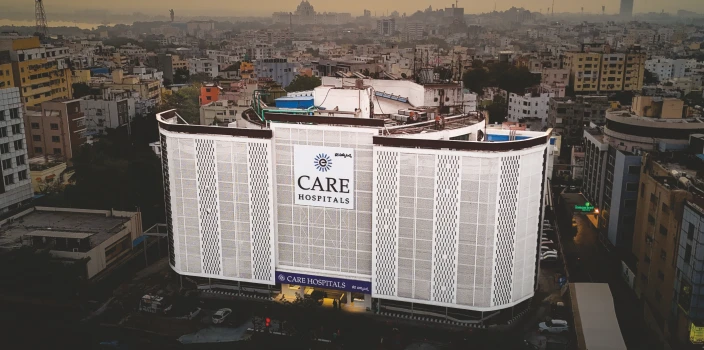
CARE Hospitals, Banjara Hills, Hyderabad

CARE Hospitals Outpatient Centre, Banjara Hills, Hyderabad

CARE Hospitals, HITEC City, Hyderabad

CARE Hospitals Outpatient Centre, HITEC City, Hyderabad
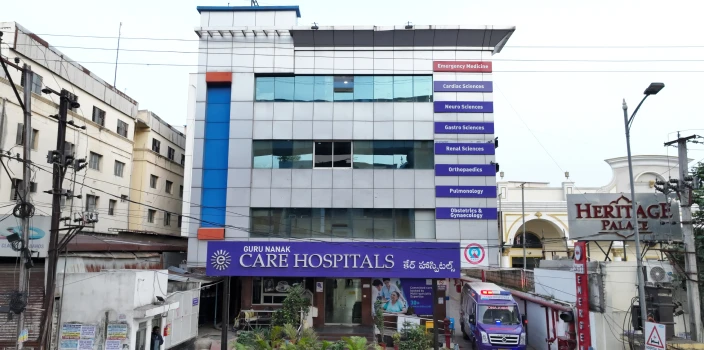
Gurunanak CARE Hospitals, Musheerabad, Hyderabad

CARE Hospitals, Nampally, Hyderabad

CARE Hospitals, Malakpet, Hyderabad

CARE Hospitals, Bhubaneswar

Ramkrishna CARE Hospitals, Raipur
CARE Hospitals, Ramnagar, Visakhapatnam

CARE Hospitals, Health City, Arilova
Frequently Asked Questions
Meatotomy enlarges the meatus, the opening where urine exits the penis. Surgeons make a ventral incision to widen this narrowed passage and treat meatal stenosis that affects many circumcised males.
Anaesthesia numbs the area and makes the procedure painless during surgery. Children may notice mild stinging at the time of urination after the procedure though this discomfort fades soon. Most boys report minimal pain.
The actual surgical procedure takes 5 to 15 minutes. The complete process lasts up to one hour, including preparation and anaesthesia.
Complications remain uncommon and include:
- Restenosis
- Temporary bleeding
- Mild infection
- Penile numbness may last 24 hours.
Children heal within one week. Most patients resume normal activities within 2-4 weeks and find recovery simple.
Parents provide medical history that includes allergies and current medications. Children fast for six hours before surgery. Doctors conduct several assessment before the procedure. They also discuss anaesthesia options with families.
Your child's care involves a specialised team. A paediatric urologist performs the surgery and brings expertise in children's urinary conditions. A paediatric anaesthesiologist will give your child anaesthesia and keep them pain free throughout the procedure. Surgical nurses assist during the procedure and monitor recovery afterwards.
The doctor sanitises your child's penis and applies numbing cream. Once anaesthesia takes effect, they measure the meatus with a soft tube, make a V-shaped cut to enlarge the opening, and use surgical glue or stitches to promote healing. The team checks for other narrow areas and may insert a catheter if needed.
Stay calm around your child, as they sense your emotions. Read their favourite book or let them play with beloved toys beforehand. Maintain a reassuring tone and facial expressions that help them feel relaxed.
Your child needs an office visit 7-10 days after discharge. You will receive instructions on using a meatal dilator, applied twice daily for one month, then once daily for another month. Some surgeons offer follow-up visits as needed.
Meatoplasty addresses narrowing at the penis tip. Urethroplasty repairs defects within the urethral walls along the remaining urethral length. Location determines which procedure surgeons perform.
Still Have a Question?