
-
Centre of Excellence
Specialties
Treatments and Procedures
 HyderabadCARE Hospitals, Banjara Hills CARE Outpatient Centre, Banjara Hills CARE Hospitals, HITEC City CARE Hospitals, Nampally Gurunanak CARE Hospitals, Musheerabad CARE Hospitals Outpatient Centre, HITEC City CARE Hospitals, Malakpet
 Raipur
 Bhubaneswar
 Visakhapatnam
 Nagpur
 Indore
 Chh. Sambhajinagar
 Clinics & Medical Centers


-

-

-

-

-

-
Follow Us

Best Hospital for Orchidectomy Bilateral Surgery in Hyderabad
- Advanced Technology
- Shorter Hospital Stay
- Pre & Post-Operative Care
- All Insurance Accepted

Chat With Our Experts
Get second opinion on Whatsapp
25 lakhs+
Happy Patients
Experienced and
skilled surgeons
17
Health Care Facilities
Top most Referral Centre
for Complex Surgeries
Advanced Orchidectomy Bilateral Surgery
Bilateral orchidectomy surgery involves removing both testicles a decision that patients and their families approach with concern. This surgical procedure is used to treat testicular cancer, address severe prostate issues, and offer care for gender affirmation. This guide demystifies the orchidectomy procedure, explains how it works, and describes the different health issues that make this procedure necessary. Readers will find complete details about preparation steps, potential risks, recovery timelines, and the benefits this procedure offers.
Why CARE Group Hospitals is Your Top Choice for Orchidectomy Bilateral Surgery in Hyderabad
At CARE Hospitals, patients have access to the best doctors in urology and cancer care. The medical team starts with thorough evaluations of each patient's medical history, current health status and how much the disease has spread. They listen to your worries and help you feel supported every step of the way. We do not just talk about treatment. We believe in helping you live well again.
Best Orchidectomy Bilateral Surgery Doctors in India






















State-of-the-Art Surgical Innovations at CARE Hospitals
CARE Hospitals features resilient infrastructure with advanced diagnostic and surgical equipment, contemporary operating theatres, and skilled specialists. Our medical facilities have operating rooms equipped with state-of-the-art technology. The facility houses the first dual source, 128 slice CT scanner for high precision cardiac imaging in South India. These advanced diagnostic tools allow specialists to gather detailed information about conditions (giving you the best possible treatment recommendations with precision).
Indications for Orchidectomy Bilateral Surgery
Bilateral orchidectomy addresses several medical situations. These are:
- Advanced prostate cancer
- Bilateral testicular tumours
- Severe trauma or sepsis affecting both testicles
- Gender-affirming surgery for transgender women has bilateral orchidectomy as a component.
Types of Orchidectomy Bilateral Surgery Procedures
Here are the types of bilateral orchidectomy surgery:
- Simple bilateral orchidectomy removes testicles through a scrotal incision. Surgeons typically apply it for hormone management in prostate cancer.
- Subcapsular bilateral orchidectomy removes testicular tissue and leaves the tunica albuginea intact, preserving scrotal appearance.
- Radical bilateral orchidectomy (done for testicular cancer cases affecting both testes) is the removal of testicles and spermatic cords with additional tissue.
Each approach serves specific medical needs. Surgeons recommend the most suitable technique based on individual circumstances.
Pre-surgery Preparation
Preparing for bilateral orchidectomy requires several steps. They are:
- Patients undergo detailed medical evaluations that include blood tests and imaging scans
- Your doctor will review current medications (you may need to adjust or temporarily discontinue some medicines especially blood thinners).
- Fasting for at least 8 hours before surgery remains standard protocol.
- Sperm banking discussions occur beforehand, as this procedure affects fertility permanently.
Orchidectomy Bilateral Surgical Procedure
The surgical team will induce general or regional anaesthesia to ensure patient comfort throughout. Surgeons make incisions in either the scrotum or groin area, depending on the approach. Both testicles are separated carefully from surrounding tissues and blood vessels before removal. Dissolvable sutures close the incisions. The orchidectomy procedure usually takes 30 to 60 minutes. Most patients return home the same day.
Post Surgery Recovery
Recovery spans several weeks generally. Initial discomfort, swelling and bruising around the surgical site are normal. Your doctor will advise you to:
- Apply ice packs for 20-minute intervals to help reduce swelling during the first 48 hours.
- Wearing supportive underwear for two to four weeks minimises discomfort.
- Avoid heavy lifting over 10 pounds and strenuous exercise for four to six weeks.
- Showering after 24 hours post-surgery while you can have baths only after complete healing.
- Most individuals resume normal activities within two weeks. Although full recovery takes up to two months.
Risks
Bilateral orchidectomy carries some surgical risks. These are:
- Surgical site infection
- Bleeding
- Scrotal hematoma
- Hot flashes
- Bone density decreases, leading to osteoporosis
- Infertility
Reduced testosterone levels cause long-term effects like erectile dysfunction, reduced libido and gynecomastia.
Benefits of Orchidectomy Bilateral Surgery
This procedure offers several advantages. They are:
- Cost-effectiveness stands out as a one-time intervention without ongoing medication expenses
- Immediate and permanent testosterone suppression has rapid therapeutic effects (best for hormone sensitive cancers)
- The surgical simplicity results in minimal complications and short recovery periods.
- Patient compliance issues disappear, as no regular medication schedules require maintenance
- Bilateral orchidectomy demonstrates effectiveness in achieving hormonal control for prostate cancer patients, especially in resource-limited settings.
Insurance Assistance for Orchidectomy Bilateral Surgery
Insurance coverage for bilateral orchidectomy varies by provider and medical necessity. Cancer treatment and other medically necessary procedures receive full or partial coverage. Gender-affirming surgeries have seen expanded coverage. At CARE Hospitals our financial counsellors help patients verify coverage and facilitate insurance claims.
Second Opinion for Orchidectomy Bilateral Surgery
A second opinion before bilateral orchidectomy provides clarity and confidence. Second opinions are valuable for complex cases or if you have concerns about alternative treatments or some uncertainty about the diagnosis. CARE Hospitals offers detailed second opinion services. Specialists perform thorough evaluations of medical histories and current conditions. The consultation process includes a detailed medical history review, a physical examination and a discussion of all management options.
Conclusion
Bilateral orchidectomy represents a simple surgical solution for medical situations that range from treating cancers to providing gender-affirming care. This procedure offers immediate results and quicker recovery periods. Patients should discuss their specific circumstances with qualified specialists before they proceed. An informed decision with trusted doctors will give the best possible outcome. It addresses both physical health needs and emotional wellbeing throughout the treatment.
Orchidectomy Bilateral Surgery Hospitals in India
-
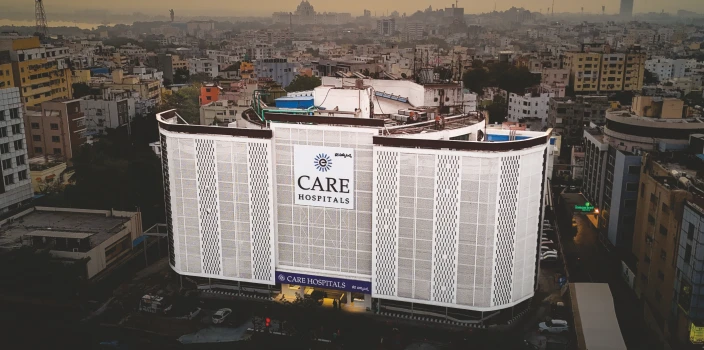
CARE Hospitals, Banjara Hills, Hyderabad
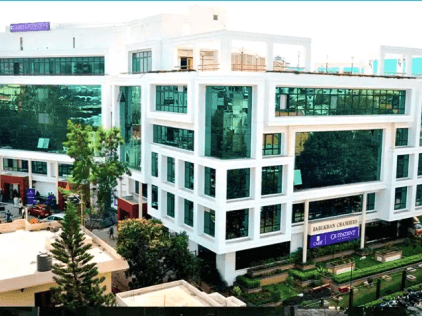
CARE Hospitals Outpatient Centre, Banjara Hills, Hyderabad

CARE Hospitals, HITEC City, Hyderabad
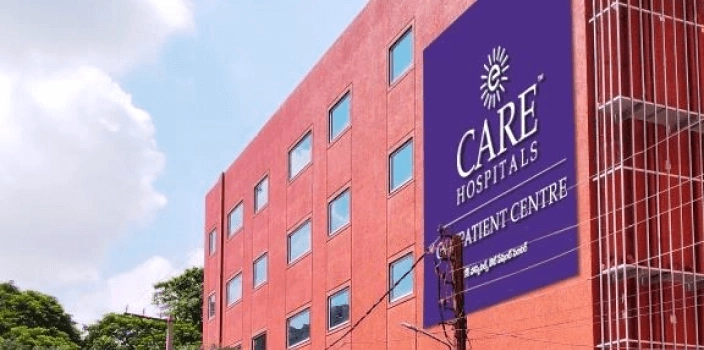
CARE Hospitals Outpatient Centre, HITEC City, Hyderabad
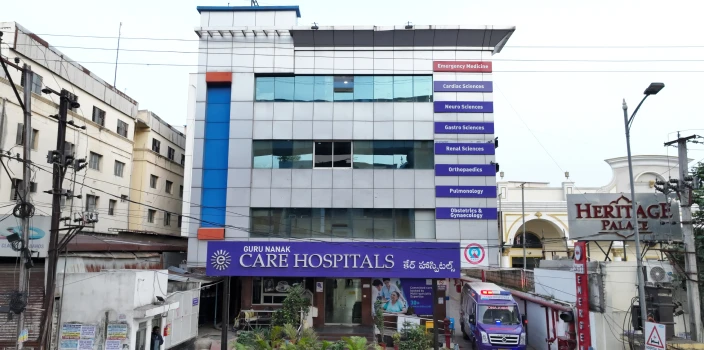
Gurunanak CARE Hospitals, Musheerabad, Hyderabad
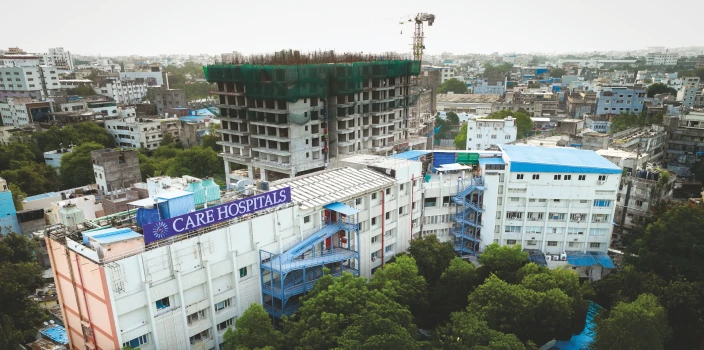
CARE Hospitals, Nampally, Hyderabad
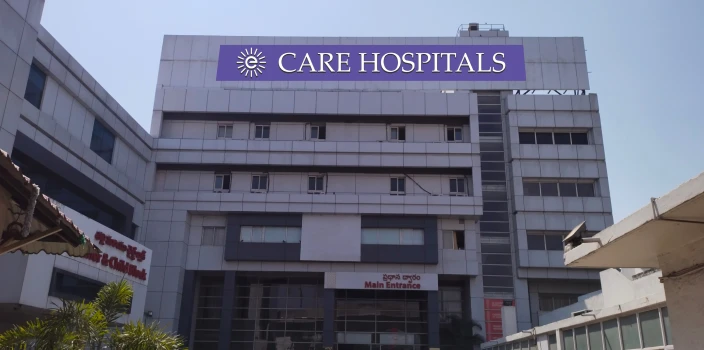
CARE Hospitals, Malakpet, Hyderabad

CARE Hospitals, Bhubaneswar
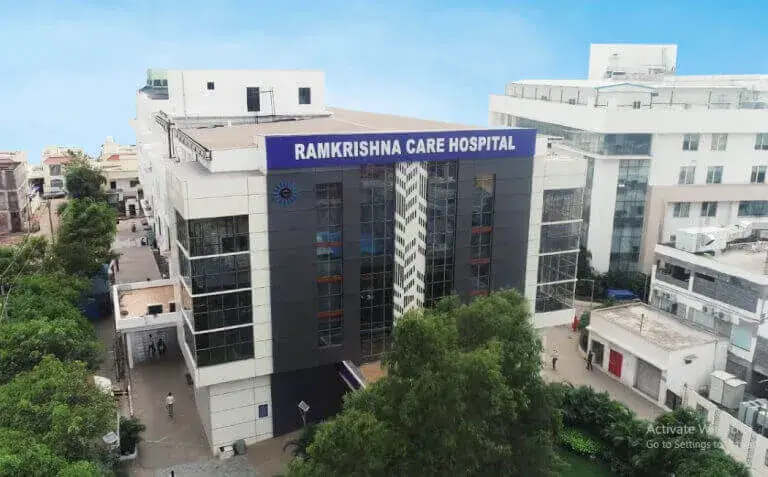
Ramkrishna CARE Hospitals, Raipur
CARE Hospitals, Ramnagar, Visakhapatnam
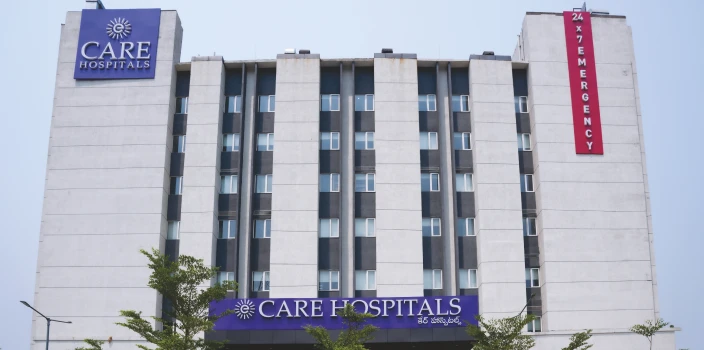
CARE Hospitals, Health City, Arilova
Frequently Asked Questions
Bilateral orchidectomy removes both testicles through surgical intervention. Surgeons perform this operation to treat prostate cancer, testicular conditions, or as part of gender-affirming care. The procedure stops testosterone production at its source.
Many people assume removing organs means major surgery. Bilateral orchidectomy is a quite simple procedure. The operation follows simple steps and carries minimal risk. Patients leave the hospital the same day often.
Pain levels vary between individuals. Most men experience manageable discomfort. The first week or two brings the most noticeable soreness. Medication controls pain well, and symptoms improve by a lot after this initial period.
The surgical time ranges between 30-60 minutes. Patients spend additional time in recovery before heading home.
Surgical risks are:
- Infection
- Bleeding
- Scrotal hematoma
- Long-term effects stem from testosterone loss:
- Hot flashes
- Reduced libido
- Bone density changes
Original healing takes two to three weeks. Complete recovery requires four to eight weeks and varies by individual health and surgical extent. Most men resume regular activities within two weeks. They avoid strenuous exercise for four to six weeks though.
Arrange transport home beforehand. Discuss all your ongoing medications with your doctor, who may adjust dosages before surgery. Stock up on comfortable, loose-fitting clothes and supportive underwear for your return home.
General or local anaesthesia keeps you comfortable during the orchidectomy procedure. The surgeon makes an incision in your scrotum or groin area. Both testicles are separated from surrounding tissues, blood vessels are clamped, and the organs are removed. The bilateral orchidectomy takes around one hour.
Swelling subsides within 2 to 4 weeks post-surgery. Some bruising and puffiness around your scrotum are expected during this period. Wearing supportive underwear and applying ice packs helps reduce inflammation.
You will return the next day for a check-up after your orchidectomy surgery. Regular follow-up visits occur at six weeks to monitor healing and address concerns. These appointments track your progress and catch any complications early.
Skip heavy lifting over 10 pounds for four weeks. Avoid swimming, bathing, and sexual activity until your incision heals. Steer clear of strenuous exercise and sports for the first month.
Still Have a Question?