
-
Centre of Excellence
Specialties
Treatments and Procedures
 HyderabadCARE Hospitals, Banjara Hills CARE Outpatient Centre, Banjara Hills CARE Hospitals, HITEC City CARE Hospitals, Nampally Gurunanak CARE Hospitals, Musheerabad CARE Hospitals Outpatient Centre, HITEC City CARE Hospitals, Malakpet
 Raipur
 Bhubaneswar
 Visakhapatnam
 Nagpur
 Indore
 Chh. Sambhajinagar
 Clinics & Medical Centers


-

-

-

-

-

-
Follow Us

Best Hospital for Urethrotomy Surgery in Hyderabad
- Advanced Technology
- Shorter Hospital Stay
- Pre & Post-Operative Care
- All Insurance Accepted

Chat With Our Experts
Get second opinion on Whatsapp
25 lakhs+
Happy Patients
Experienced and
skilled surgeons
17
Health Care Facilities
Top most Referral Centre
for Complex Surgeries
Advanced Urethrotomy Surgery
Urethrotomy surgery gives patients with urethral strictures a minimally invasive treatment option. The procedure needs just a small cut to widen the urethra and helps restore normal urine flow. Men usually get this surgery because women rarely face urethral strictures.
Doctors often pick urethrotomy (also called Direct Visual Internal Urethrotomy or DVIU) as a treatment. The recovery moves fast—patients get their catheter removed after three days and can go back to their regular routine within a week. This article explains what urethrotomy surgery is, its type and what preparation you should do before the surgery.
Why CARE Group Hospitals is Your Top Choice for Urethrotomy Surgery in Hyderabad
CARE Hospitals excels as a premier centre for urethral stricture treatments and provides complete urological care. The Urology Department delivers simple and specialised urological investigations with world-class expertise. A skilled interdisciplinary team treats urological conditions of all types through minimally invasive diagnostic procedures that include endoscopy and urodynamic testing.
CARE Hospitals' globally acclaimed urologists use advanced technology to deliver precise treatments. The urology department has earned recognition for having Hyderabad's best specialists. Each patient receives a tailored treatment plan that matches their specific medical needs. The hospital's experienced team delivers top-tier urological care while focusing on minimal discomfort and quick recovery.
Advanced Surgical Innovations at CARE Hospitals
Advanced diagnostic tools like ultrasound, urodynamic testing, and cystoscopy help doctors make accurate assessments. The hospital performs minimally invasive procedures including optical urethrotomy and laser techniques. These methods boost surgical precision and lead to faster recovery with fewer potential complications.
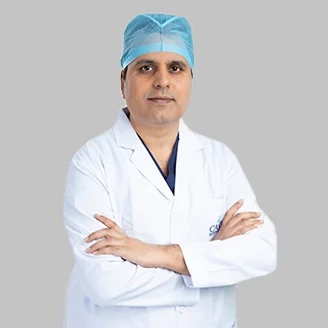
Best Urethrotomy Surgery Doctors in India





















Indications for Urethrotomy Surgery
Urethral strictures (narrowing of the urethra caused by scar tissue formation) are the main indication for urethrotomy treatment. Patients often struggle with difficulty urinating, weak urine flow, frequent urination, and urinary tract infections. The doctors find this procedure best for people with recurring strictures who have not responded well to simpler treatments.
Types of Urethrotomy Surgery Procedures
CARE Hospitals provides several urethrotomy approaches:
- Visual Internal Urethrotomy (VIU): A special endoscope helps make precise incisions in the strictured area
- Optical Internal Urethrotomy: The procedure involves transurethral incision under direct vision
- Laser Urethrotomy: Laser technology enables greater precision with minimal bleeding
Most patients can return home the same day after these procedures.
Pre-surgery Preparation
A successful urethrotomy needs proper planning.
- Patients should stop taking blood-thinning medications a week before surgery.
- Your doctor will order anaesthesia tests and check urine samples to detect bacteria.
- You must fast for 6-8 hours before the procedure.
- Make sure to tell your doctor about all medications you take and arrange a ride home.
- Your doctor will prescribe antibiotics to lower infection risks.
Urethrotomy Surgical Procedure
- The surgery takes about 20-30 minutes with general or spinal anaesthesia.
- Your surgeon will use a cystoscope to find the stricture in your urethra.
- They will make small but precise cuts with the help of a urethrotome and widen the narrow area.
- The surgeon will insert a temporary catheter to keep your urethra open so that it gets sufficient time to heal.
- The surgical team will remove the catheter & do check ups to make sure everything's healing properly.
Post Surgery Recovery
- You can go home the same day or after spending one night in the hospital for observation.
- A catheter stays in place for seven to ten days to keep your urethra open while it heals.
- Drinking more fluids helps clean your bladder and speeds up healing.
Risks and Complications
The surgery's potential risks include:
- Bleeding
- Infection
- Stricture coming back
- Urethral injury
- Erectile problems (rare)
Call your doctor right away if you notice heavy bleeding or can't urinate.
Benefits of Urethrotomy Surgery
After surgery, you will notice:
- Better urine flow
- Improved bladder emptying
- Fewer nighttime trips to the bathroom
- Fewer infections
Most patients return to their normal routine within days.
Insurance Assistance for Urethrotomy Surgery
Insurance companies typically cover this surgery since it is medically needed. It is always better to check with your insurance provider about your coverage details and what the requirements are for approval.
Second Opinion for Urethrotomy Surgery
A second opinion helps confirm your diagnosis and lets you learn about other options. This step becomes even more important for complex cases to ensure you get the right treatment.
Urethrotomy Surgery Hospitals in India
-
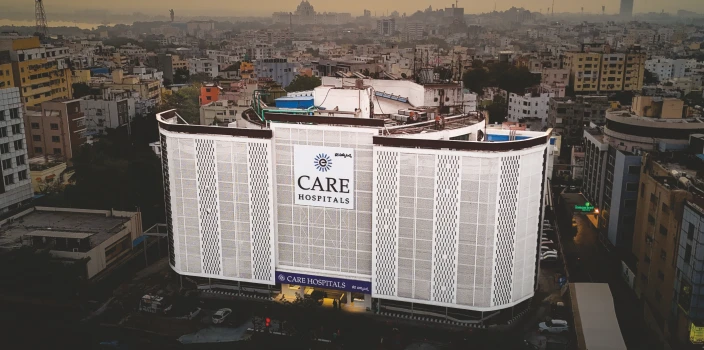
CARE Hospitals, Banjara Hills, Hyderabad
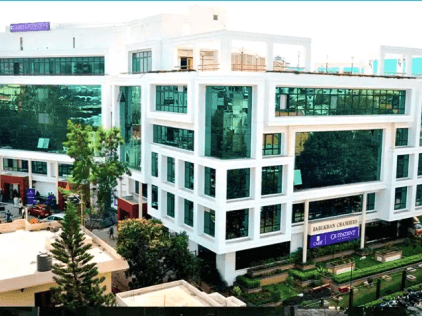
CARE Hospitals Outpatient Centre, Banjara Hills, Hyderabad

CARE Hospitals, HITEC City, Hyderabad

CARE Hospitals Outpatient Centre, HITEC City, Hyderabad
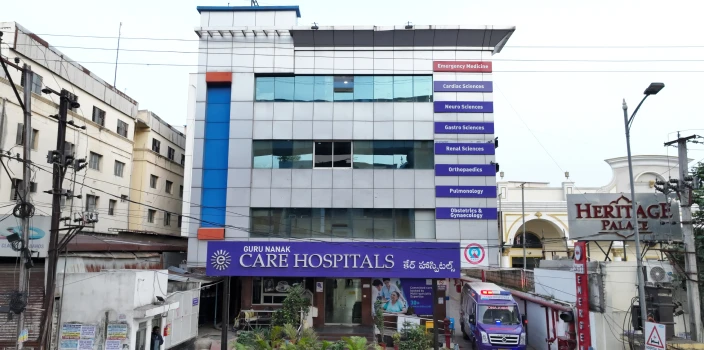
Gurunanak CARE Hospitals, Musheerabad, Hyderabad

CARE Hospitals, Nampally, Hyderabad

CARE Hospitals, Malakpet, Hyderabad

CARE Hospitals, Bhubaneswar
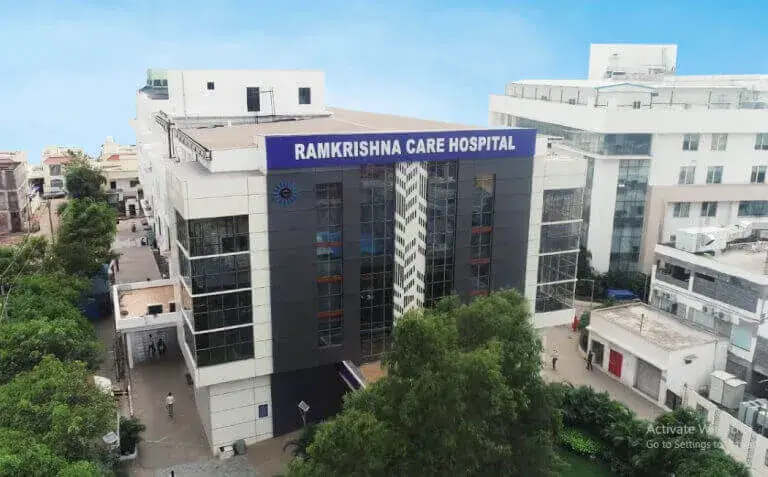
Ramkrishna CARE Hospitals, Raipur
CARE Hospitals, Ramnagar, Visakhapatnam

CARE Hospitals, Health City, Arilova
Frequently Asked Questions
Urethrotomy surgery opens up a stricture (narrowing) in the urethra. The procedure treats scar tissue that narrows the urinary passage. The surgeon passes a special telescope through the urethra and makes a small cut at the stricture to widen it.
The procedure causes minimal discomfort since doctors perform it under general or spinal anaesthesia. You might feel a burning sensation while urinating for a few days after surgery, which is normal. Your doctor will prescribe pain medication to keep you comfortable.
The surgery usually takes 20-30 minutes. This simple procedure needs minimal time in the operating room.
The possible complications include:
- Bleeding from the urethra
- Urinary tract infection
- Stricture recurrence
- Penis swelling
- Urethral pain
Patients typically return to their normal activities within 3-5 days. Doctors remove the catheter after 3 days. Complete healing takes 3-4 weeks.
Your preparation should include stopping blood-thinning medications a week before surgery. You need to fast for 6-8 hours before the procedure. Someone must drive you home afterwards. Your doctor will give you antibiotics to reduce infection risk.
Sitting is allowed, but you should avoid long periods initially. Shifting your weight back onto your buttocks might help if you feel discomfort.
The medical team will test your suitability for anaesthesia and check your urine for bacteria. You will need to sign consent forms & you will also receive detailed information about the procedure.
The surgery starts with general or spinal anaesthesia to keep you comfortable. You will be positioned on your back with raised knees and separated thighs. Your surgeon will insert a urethrotome with a surgical knife into your urethra and make precise cuts at the strictured area. They will empty and irrigate your bladder. A catheter placement happens before moving you to recovery. The whole procedure usually takes less than 30 minutes.
You should stop taking blood thinners a week before surgery. Complete the required tests to get anaesthesia clearance and avoid eating for 6-8 hours before the procedure. Clear liquids are allowed up to two hours before surgery.
Your surgeon will call you once to remove your catheter. They might do uroflowmetric studies and evaluate your urinary flow rate & emptying capacity of your bladder. Regular check-ups help monitor potential recurrence, with your doctor calling you six to eight weeks after the procedure.
Both procedures have distinct advantages. Urethrotomy provides minimal invasiveness, quicker recovery (one week), and needs less technical expertise. Urethroplasty offers more lasting results with a lower chance of recurrence. Both methods can improve your symptoms equally well.
Still Have a Question?