
-
Centre of Excellence
Specialties
Treatments and Procedures
 HyderabadCARE Hospitals, Banjara Hills CARE Outpatient Centre, Banjara Hills CARE Hospitals, HITEC City CARE Hospitals, Nampally Gurunanak CARE Hospitals, Musheerabad CARE Hospitals Outpatient Centre, HITEC City CARE Hospitals, Malakpet
 Raipur
 Bhubaneswar
 Visakhapatnam
 Nagpur
 Indore
 Chh. Sambhajinagar
 Clinics & Medical Centers


-

-

-

-

-

-
Follow Us

Best Hospital for Prostatectomy Surgery in Hyderabad
- Advanced Technology
- Shorter Hospital Stay
- Pre & Post-Operative Care
- All Insurance Accepted

Chat With Our Experts
Get second opinion on Whatsapp
25 lakhs+
Happy Patients
Experienced and
skilled surgeons
17
Health Care Facilities
Top most Referral Centre
for Complex Surgeries
Advanced Prostatectomy Surgery
Prostatectomy surgery removes part or all of the prostate gland. This operation remains a primary treatment option for patients with prostate cancer and certain prostate conditions. The procedure works well, but patients should know its benefits and possible complications. Recovery usually requires three to four weeks away from work.
This article covers everything about prostatectomy surgery—from getting ready through recovery—to help patients make well-informed choices about their treatment.
Why CARE Group Hospitals is Your Top Choice for Prostatectomy Surgery in Hyderabad
If you are looking for the finest centre for prostatectomy in Hyderabad, your search may end at CARE Hospitals. We provide exceptional expertise through our skilled urologists who specialise in advanced prostate procedures. Here you will get all services with care focusing on you from the original consultation through recovery. The hospital is known for following (including but not limited to):
- Expert medical teams with years of prostatectomy experience
- Modern facilities with advanced imaging technologies
- Detailed treatment options tailored to each patient's needs
Cutting-edge Surgical Innovations at CARE Hospital
CARE Hospitals has modernised its speciality services with advanced robotic systems. The hospital now has both Hugo & Da Vinci X Robotic systems (the latest in surgical innovation). These systems give surgeons:
- High-definition cameras that provide crystal-clear views during surgery
- Advanced 3D imaging technology that creates immersive surgical fields
- Superior visual capabilities compared to traditional methods
Best Prostatectomy Surgery Doctors in India






















Indications for Prostatectomy Surgery
Doctors recommend prostatectomy mainly for prostate cancer that stays confined to the prostate gland. The procedure also helps with:
- Benign prostatic hyperplasia (BPH) that needs a simple prostatectomy
- Acute urinary retention that blocks bladder emptying
- Recurring urinary tract infections that resist treatment
- Major bleeding from the prostate
- Bladder stones caused by obstruction
Types of Prostatectomy Surgery Procedures
Two main types of prostatectomy address different medical needs:
- Simple Prostatectomy: Removes the prostate's inner portion while keeping the outer capsule intact, mainly to treat BPH.
- Radical Prostatectomy: Removes the entire prostate gland, surrounding tissue, and sometimes nearby lymph nodes. This method treats prostate cancer confined to the prostate.
CARE Hospitals masters both approaches and offers multiple surgical techniques. Our robot-assisted procedures reduce recovery time while maintaining treatment quality.
Pre-surgery Preparation
You will need several medical tests about four weeks before surgery. These include blood work, ECG, and chest X-rays. Your doctor will give you specific instructions:
- You should stop taking blood-thinning medications 7-10 days before surgery.
- No food or drink after midnight on the day of your operation.
- Your bowels must be prepared with magnesium citrate and enemas.
Prostatectomy Surgical Procedure
The surgery takes between 2-4 hours.
While you are under general anaesthesia, your surgeon will use one of these approaches:
- Open prostatectomy—A single cut between your navel and pubic bone (6-12 inches long)
- Robotic prostatectomy—Small keyhole cuts (no bigger than 3/4 inch) for the laparoscope and surgical tools
- Surgeons separate the prostate gland from nearby tissues, including the bladder and urethra.
- They identify and try to preserve blood vessels and nerves close to the prostate to protect urinary and sexual function.
- Surgeons remove the prostate gland and connect the bladder back to the urethra.
- Surgeons put in a catheter to help drain urine while you recover.
- The surgeon will close the incision and move the patient into the recovery room for observation.
Post-surgery Recovery
- Most patients go home within 24 hours after robotic surgery, though some stay up to four days.
- You will need a urinary catheter for 7-10 days.
- The medical team will encourage you to walk soon after surgery to prevent blood clots.
- Your body needs 4-6 weeks to recover fully.
Complications
Possible complications are:
- Temporary urinary incontinence
- Short-term erectile dysfunction
- Fertility loss
- Lymphedema
- Infection
- Bleeding
- Blood clots
- Narrowing of the urethra
There's also a chance you might experience dry orgasms after surgery.
Benefits of Prostatectomy Surgery
- Removes all cancerous or enlarged prostate tissue
- Eases urinary blockage and helps urine flow better
- Reduces issues like frequent urination or trouble emptying the bladder
- Lower the risk of prostate cancer spreading to other body parts
Modern prostatectomy techniques treat prostate cancer effectively. Robotic surgery patients often experience less pain, smaller scars, faster recovery, and lower infection risks.
Insurance Assistance for Prostatectomy Surgery
Medical insurance covers prostatectomy when it's medically needed. Insurance plans usually help with costs, but coverage depends on your specific policy.
Second Opinion for Prostatectomy Surgery
Getting another doctor's opinion is wise—research shows that many prostate cancer diagnoses change after review. A second look can confirm your diagnosis, clear your doubt over other treatment options, and help you feel confident about your decision.
Conclusion
Prostatectomy is a key treatment option for prostate cancer and conditions like benign prostatic hyperplasia. Many patients choose this procedure as their best path forward after they have thought over all available options.
Modern surgical techniques have brought a revolution when you talk about prostatectomy. With the help of robotic systems (both Hugo and Da Vinci X), surgeons at CARE Hospital achieve exceptional precision. Patients see better results with smaller incisions, less pain & faster recovery times. These benefits make current procedures vastly different from operations of past decades.
Knowledge equips you to make the best choice for your prostate health. You can better direct your path through this challenging but potentially life-saving medical experience by understanding your options, preparing well for surgery, and setting realistic recovery expectations.
Prostatectomy Surgery Hospitals in India
-
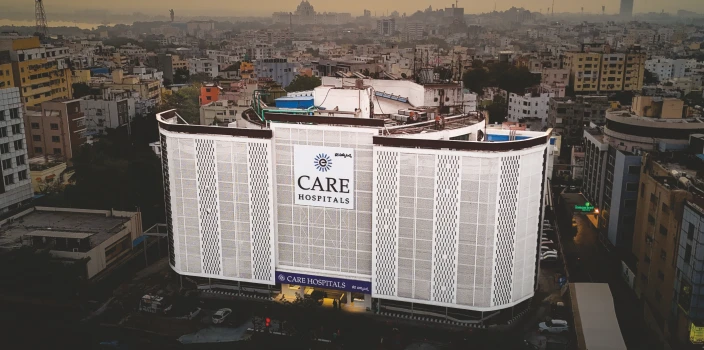
CARE Hospitals, Banjara Hills, Hyderabad
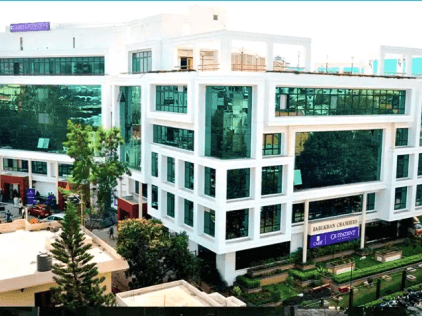
CARE Hospitals Outpatient Centre, Banjara Hills, Hyderabad
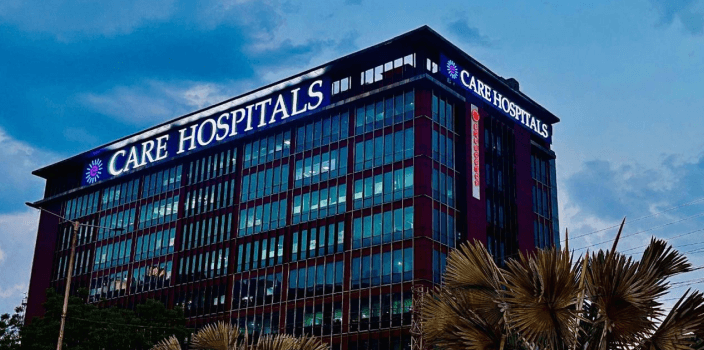
CARE Hospitals, HITEC City, Hyderabad
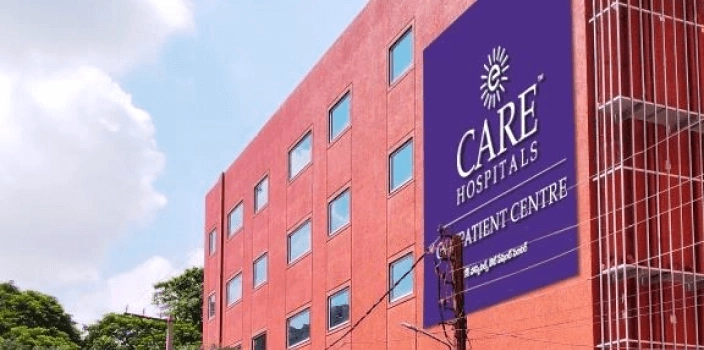
CARE Hospitals Outpatient Centre, HITEC City, Hyderabad
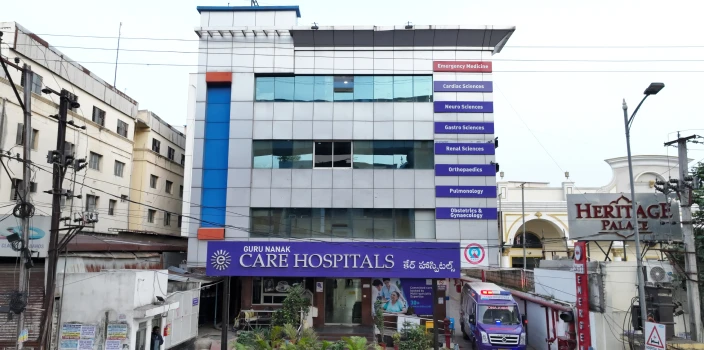
Gurunanak CARE Hospitals, Musheerabad, Hyderabad
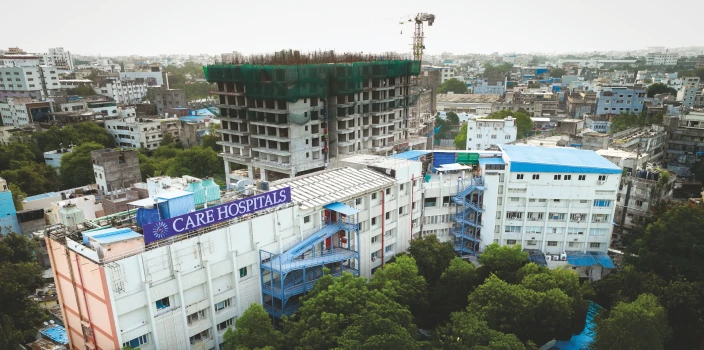
CARE Hospitals, Nampally, Hyderabad
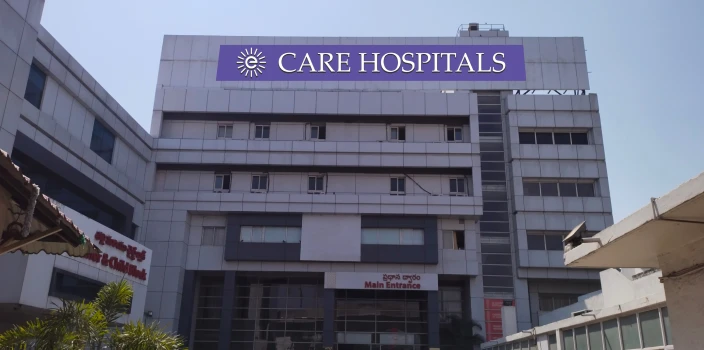
CARE Hospitals, Malakpet, Hyderabad

CARE Hospitals, Bhubaneswar
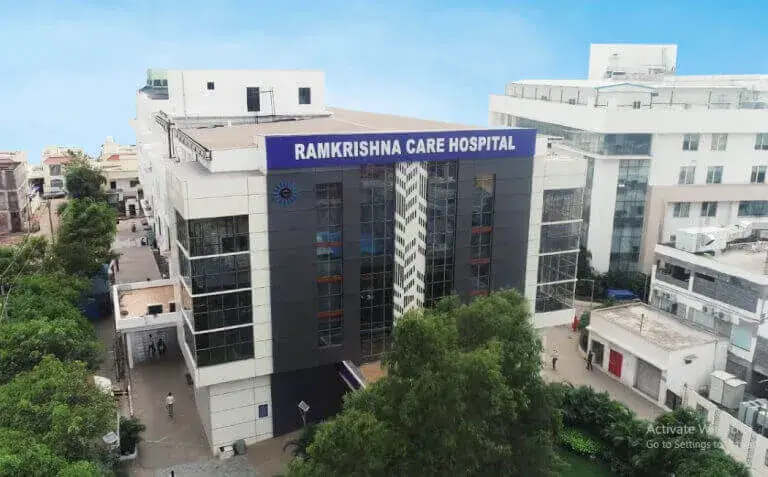
Ramkrishna CARE Hospitals, Raipur
CARE Hospitals, Ramnagar, Visakhapatnam
CARE Hospitals, Health City, Arilova
Frequently Asked Questions
Prostatectomy surgery removes part or all of the prostate gland. Doctors perform two main types of this surgery. A radical prostatectomy takes out the entire prostate to treat cancer. A simple prostatectomy removes just part of the gland to help with benign prostatic hyperplasia (BPH).
You might feel some discomfort at first. Doctors give IV pain medication right after surgery, and patients switch to oral pain relief at home. You should call your doctor if you experience severe or worsening pain.
You might feel some discomfort at first. Doctors give IV pain medication right after surgery, and patients switch to oral pain relief at home. You should call your doctor if you experience severe or worsening pain.
The surgery takes 2-4 hours under general anaesthesia. Robotic-assisted procedures usually last 2-3 hours. Your time at the hospital, including preparation and recovery, ranges from half a day to 3-4 days.
The surgery carries some risks. These include:
- Temporary urinary incontinence
- Erectile dysfunction
- Changes in orgasm sensation
- Infection
- Bleeding
- Blood clots
- Narrowing of the urethra
Recovery varies by procedure type. Patients who have robotic surgery feel normal within 4-6 weeks, while traditional open surgery recovery takes up to 6 weeks. Hospital stays last 1-2 days for robotic procedures and 3-4 days for open surgery. Most people resume their normal activities after about 8 weeks.
Your preparation includes several important steps:
- Complete pre-surgical testing (blood tests, ECG, chest x-ray)
- Stop blood-thinning medications 7-10 days before surgery (with doctor approval)
- Follow bowel preparation instructions the day before
- Maintain a clear liquid diet for 24 hours prior
- Fast after midnight before surgery
Sitting might feel uncomfortable at first. Hard surfaces should be avoided during recovery. Many patients find a toilet seat cushion helpful. Your body needs time to heal, so limit long periods of sitting, especially in the first few weeks.
Doctors will schedule a pre-operative appointment to assess your fitness for surgery. You will need someone to drive you home afterwards. Make sure your living space is ready for a comfortable recovery. Remember to pack loose, comfortable clothes and personal items for your hospital stay.
A team of doctors, including a urologist, an anesthesiologist and nurses, will work together. Because of general anaesthesia you won't feel any pain or stay aware during the procedure. The medical team will insert a urinary catheter to drain urine. The surgeon makes a 6-12 inch vertical incision for open procedures, while robotic surgery requires several tiny incisions instead. Most surgeries take 2-4 hours to complete.
Your doctor's guidance on medication adjustments comes first. You will need approval to stop blood thinners, aspirin, and anti-inflammatory drugs. So you must:
- Take magnesium citrate in the morning and use an enema at night for bowel preparation the day before surgery
- Stop eating after midnight before your operation
- Keep drinking clear fluids until your cutoff time
- Make sure someone can drive you home after the procedure
Yes! Your recovery requires regular monitoring appointments. The doctor will check your incisions and possibly remove stitches after 1-2 weeks. Your first year will include multiple PSA blood tests.
Stay away from alcohol 48 hours before and after surgery. On top of that, you should quit smoking several days before surgery to avoid breathing complications. The recovery period requires you to avoid lifting more than 10 pounds for at least four weeks.
Still Have a Question?