
-
Centre of Excellence
Specialties
Treatments and Procedures
 HyderabadCARE Hospitals, Banjara Hills CARE Outpatient Centre, Banjara Hills CARE Hospitals, HITEC City CARE Hospitals, Nampally Gurunanak CARE Hospitals, Musheerabad CARE Hospitals Outpatient Centre, HITEC City CARE Hospitals, Malakpet
 Raipur
 Bhubaneswar
 Visakhapatnam
 Nagpur
 Indore
 Chh. Sambhajinagar
 Clinics & Medical Centers


-

-

-

-

-

-
Follow Us

Best Hospital for Orchiectomy Surgery in Hyderabad
- Advanced Technology
- Shorter Hospital Stay
- Pre & Post-Operative Care
- All Insurance Accepted

Chat With Our Experts
Get second opinion on Whatsapp
25 lakhs+
Happy Patients
Experienced and
skilled surgeons
17
Health Care Facilities
Top most Referral Centre
for Complex Surgeries
Advanced Orchiectomy Surgery
Orchiectomy is a surgical procedure that involves the removal of one or both testicles. It offers hope to patients diagnosed with testicular cancer. Orchiectomy surgery serves both diagnostic and therapeutic purposes. The steps involved in the orchiectomy procedure vary depending on the patient’s specific medical condition. This surgery is usually performed on an outpatient basis, allowing most patients to return home the same day. This article explores everything patients need to know about this life-saving procedure.
Why CARE Group Hospitals is Your Top Choice for Orchiectomy Surgery in Hyderabad
CARE Hospitals is recognised for delivering high-quality urological care. Experienced urologists and cancer specialists bring decades of expertise in treating disorders related to the male reproductive system. The hospital prioritises patient-centred care and provides comprehensive support throughout every stage of the orchiectomy process. A team of expert nephrologists and oncologists develops personalised surgical plans tailored to each patient’s unique medical needs.
Best Orchiectomy Surgery Doctors in India






















Advanced Surgical Breakthroughs at CARE Hospitals
At CARE we are committed to precision. We give you the best possible results driven by advanced diagnostic imaging and robotic assisted surgery. The hospital uses minimally invasive techniques (both laparoscopic & endoscopic procedures- whenever possible) to reduce discomfort and accelerate recovery. Our Surgeons are known for performing complex urological interventions with exceptional accuracy (their capabilities are complemented by state of the art operating theatres equipped with 3D imaging technology). Patients receive immediate care when critical situations arise through 24/7 emergency urology services.
Indications for Orchiectomy Surgery
Doctors recommend orchiectomy for various conditions. These include:
- Testicular cancer
- Advanced prostate cancer requiring androgen deprivation therapy.
- Testicular torsion when the blood supply cannot be restored.
- Severe trauma rendering testicles non-salvageable.
- Chronic infections unresponsive to antibiotics.
- Certain hormonal disorders necessitate surgical intervention.
- Gender-affirming care also benefits from this procedure if they need testosterone suppression.
Types of Orchiectomy Surgery Procedures
Types of surgical orchiectomy are:
- Radical inguinal orchiectomy: Removes the affected testicle through a groin incision and is used primarily for cancer treatment.
- Bilateral orchiectomy: Removes both testicles.
- Subcapsular orchiectomy: Removes the testosterone producing tissue but keeps the outer testicular capsule intact. This helps maintain the scrotum's appearance.
- Simple orchiectomy: Doctors perform this procedure by making a scrotal incision to treat benign conditions.
Pre-surgery Preparation
Pre surgery appointments include:
- Doctors perform blood tests & imaging scans.
- Stop blood thinners like aspirin as directed to reduce bleeding risks.
- Fasting for 6 hours before surgery prevents anaesthesia complications. Clear water remains permissible up to 2 hours beforehand.
- Arrange transportation home. Anaesthesia makes driving unsafe.
- Discuss fertility preservation especially relevant for younger patients.
- Tell your doctor about all medications and herbal supplements you are taking.
Orchiectomy Surgical Procedure
After inducing general anaesthesia surgeons create a 3-5 cm incision in the groin or scrotum. One or both testicles are separated from surrounding tissues and vessels during the procedure. Clamps prevent blood loss from the spermatic cords. The surgeon carefully removes the testicle and spermatic cord through this opening. Prosthetic testicles filled with saline can be inserted immediately if desired. After controlling the bleeding the surgeon closes the incision. Surgery duration averages 30 minutes for simple procedures and approximately 1 hour for radical approaches.
Post Surgery Recovery
Most patients depart the hospital the same day. Swelling and bruising persist for 2-4 weeks. Wear supportive underwear and apply ice packs for 10-20 minutes hourly during the initial days. Walking promotes blood circulation and prevents pneumonia. Avoid lifting objects exceeding 10 pounds for 2-3 weeks. Return to work occurs within 2-3 weeks typically, though physical jobs may require extended rest.
Risks
Bleeding that results in a scrotal haematoma represents the biggest concern. Other complications are:
- Infection
- Blood clots
- Nerve injury causing groin numbness.
Bilateral procedures reduce testosterone levels by a lot. This can cause hot flashes, reduced libido and erectile challenges.
Benefits of Orchiectomy Surgery
Cancer removal improves survival by a lot. Lowering testosterone levels plays a big role in managing prostate cancer. Patients seeking gender affirmation often feel less dysphoria and rely less on hormone medications.
Insurance Assistance for Orchiectomy Surgery
Many insurance plans cover medically necessary orchiectomy if you meet the criteria. Prior authorisation requires documentation that confirms treatment readiness. Before making any appointments check with your insurance provider to know exactly what is covered.
Second Opinion for Orchiectomy Surgery
Seeking alternative medical perspectives prevents overtreatment or undertreatment. Studies show that second opinions often beneficially broaden the scope of treatment. CARE Hospitals provides detailed evaluations that review medical history, conduct physical examinations and discuss all management alternatives.
Conclusion
Orchiectomy represents a life saving option for patients battling testicular cancer or requiring hormone management. Understanding each surgical step helps people approach treatment with confidence. CARE Hospitals provides expert guidance through every phase, from original consultation to complete recovery. If you have any concerns discuss them with your doctor. Informed choices bring better outcomes and peace of mind.
Orchiectomy Surgery Hospitals in India
-
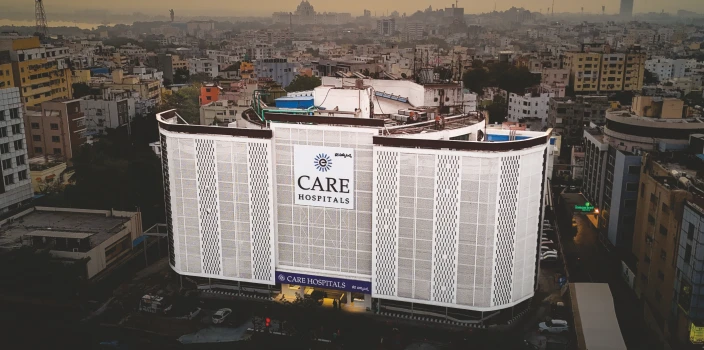
CARE Hospitals, Banjara Hills, Hyderabad
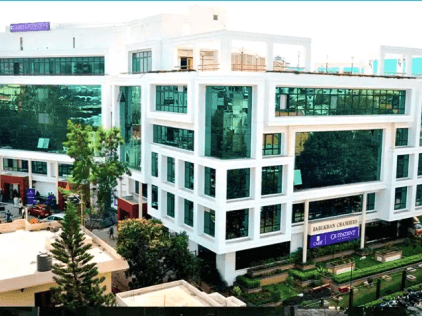
CARE Hospitals Outpatient Centre, Banjara Hills, Hyderabad

CARE Hospitals, HITEC City, Hyderabad

CARE Hospitals Outpatient Centre, HITEC City, Hyderabad
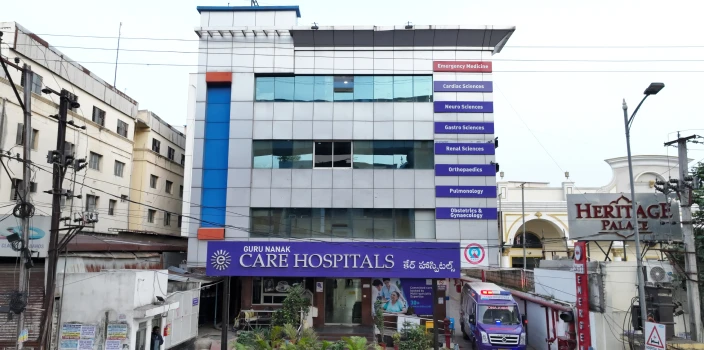
Gurunanak CARE Hospitals, Musheerabad, Hyderabad
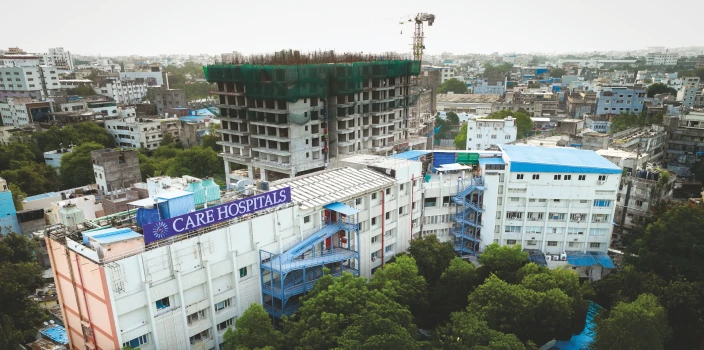
CARE Hospitals, Nampally, Hyderabad

CARE Hospitals, Malakpet, Hyderabad

CARE Hospitals, Bhubaneswar
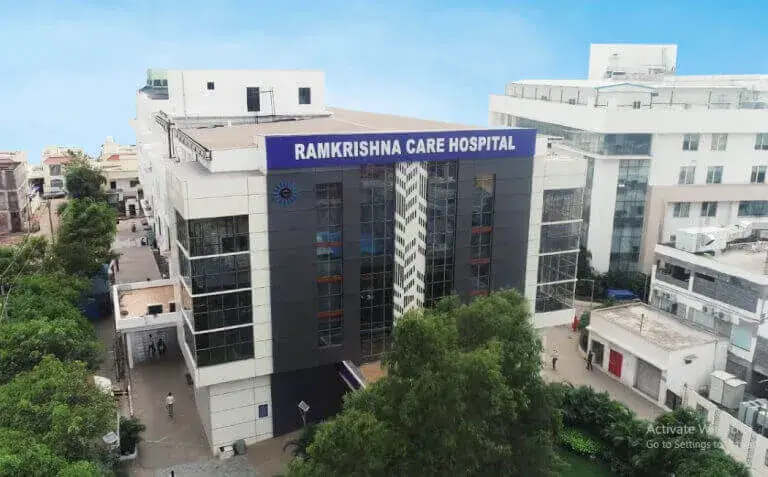
Ramkrishna CARE Hospitals, Raipur
CARE Hospitals, Ramnagar, Visakhapatnam

CARE Hospitals, Health City, Arilova
Frequently Asked Questions
Orchiectomy means surgical removal of one or both testicles. Doctors perform this procedure to treat testicular cancer, prostate cancer, or severe testicular trauma. The orchiectomy's benefits extend beyond cancer treatment and include gender affirming care for transgender people.
You won't feel pain during surgery due to general anaesthesia. After surgery mild pain occurs and lasts about two weeks. Most patients manage soreness with prescribed medicines. But some experience mild aching for up to eight weeks.
The procedure requires 30 to 60 minutes. Simple cases finish faster. Radical orchiectomy approaches need the full hour.
Bleeding that causes scrotal haematoma, infection and blood clots represent the main concerns. Nerve damage may cause groin numbness. Bilateral orchiectomy reduces testosterone and can trigger hot flashes, reduced libido and erectile challenges.
Complete recovery spans 2 to 8 weeks. Most people return to work within 2-3 weeks. Strenuous activities require 4-6 weeks of rest.
Stop blood thinners 5-7 days beforehand. Attend pre-assessment appointments to get blood tests. Fast 6-8 hours before surgery. Arrange transportation home and discuss sperm banking options.
Your surgeon tapes the penis against your abdomen before making an incision. The location varies: either through your groin or on the scrotum. The surgeon removes one or both testicles and the spermatic cord through this opening. The surgeon may insert a saline-filled prosthetic testicle if you requested one beforehand. The area gets washed with saline solution and stitched closed.
Inform your doctor about all medications and supplements you're taking. Arrange a ride home since you cannot drive post anaesthesia. Take a few days off work and prepare to limit physical activity. Don't apply lotions, perfumes, or nail polish on surgery day. Remove all jewellery and piercings.
Follow-up appointments occur every 2 to 6 months for the initial 3 years. Checkups happen every 6 to 12 months afterwards and continue for 5 to 10 years. These visits include physical examinations, blood pressure checks, blood tests for tumour markers, chest X-rays, and CT scans.
A vasectomy cuts the vas deferens tubes and leaves the testicles intact. Orchiectomy removes one or both testicles. A vasectomy prevents sperm from reaching semen but maintains testosterone production. Bilateral orchiectomy causes a major testosterone decrease.
Still Have a Question?