
-
Centre of Excellence
Specialties
Treatments and Procedures
 HyderabadCARE Hospitals, Banjara Hills CARE Outpatient Centre, Banjara Hills CARE Hospitals, HITEC City CARE Hospitals, Nampally Gurunanak CARE Hospitals, Musheerabad CARE Hospitals Outpatient Centre, HITEC City CARE Hospitals, Malakpet
 Raipur
 Bhubaneswar
 Visakhapatnam
 Nagpur
 Indore
 Chh. Sambhajinagar
 Clinics & Medical Centers


-

-

-

-

-

-
Follow Us

Best Hospital for Endopyelotomy Surgery in Hyderabad
- Advanced Technology
- Shorter Hospital Stay
- Pre & Post-Operative Care
- All Insurance Accepted

Chat With Our Experts
Get second opinion on Whatsapp
25 lakhs+
Happy Patients
Experienced and
skilled surgeons
17
Health Care Facilities
Top most Referral Centre
for Complex Surgeries
Advanced Endopyelotomy Surgery
Endopyelotomy is a great solution for urinary blockage problems. This minimally invasive procedure treats blockages where the kidney connects to the ureter, which helps restore normal urine flow without major surgery. The endopyelotomy procedure offers clear advantages over traditional open pyeloplasty. Patients spend less time in surgery & need only a few days in the hospital and they can return to their daily routines sooner. Different approaches exist, including laser endopyelotomy techniques and various stent placements. These methods share one goal which is to clear the blockage while protecting surrounding tissues.
Why CARE Hospitals is Your Top Choice for Endopyelotomy Surgery in Hyderabad
CARE Hospitals excels as a medical centre where endopyelotomy surgery gets the attention it deserves. Patients who need relief from urinary blockages will find complete care under one roof. Our surgical team has extensive training in minimally invasive techniques for urological issues. The hospital provides 24/7 support services with advanced imaging, laboratory testing & blood bank facilities.
Advanced Surgical Innovations at CARE Hospitals
CARE Hospitals' surgical innovations put patient comfort and recovery first. The endopyelotomy procedure takes only 40-50 minutes and results in less post-operative discomfort. Patients need just a small incision of about 1.5-2 cm which leads to minimal scarring and faster healing. They usually stay in the hospital for 2-3 days after the procedure and can return to their normal activities sooner.
Best Endopyelotomy Surgery Doctors in India






















Indications for Endopyelotomy Surgery
Doctors typically recommend endopyelotomy for:
- Ureteropelvic junction (UPJ) obstruction
- Kidney infections and recurrent back pain
- Kidney swelling due to fluid accumulation
- Kidney stones
- Failed previous pyeloplasty
- Crossing blood vessels at the UPJ
Types of Endopyelotomy Surgery Procedures
Doctors use two main approaches for this procedure:
- Antegrade Approach: The surgeon reaches the kidney from the side through a nephrostomy tube. A blade cuts the UPJ to relieve obstruction. This procedure typically takes 2-3 hours.
- Retrograde Approach: This method approaches the UPJ through the urethra. A balloon expands and cuts simultaneously to clear the blocked area. The surgeon guides a tiny telescope through the urethra up to the kidney.
While laparoscopic or robotic pyeloplasty options exist, endopyelotomy remains a reliable first-line treatment for certain patients with primary UPJ obstruction.
Pre-surgery Preparation
You must follow specific instructions before your procedure.
- The day before surgery, you should eat only a light breakfast and lunch, then switch to clear liquids afterwards. Do not eat or drink anything after midnight.
- Begin your bowel preparation (enemas) as directed the day before your operation (this will make sure your gut is clean & set for the procedure).
- Take two showers with antibacterial soap (one the night before and another the morning of surgery) to lower infection risk.
- Your doctor will advise you to temporarily stop certain medicines like blood thinners, aspirin or NSAIDs.
- Tell your doctor about any implanted devices, medications or allergies.
Endopyelotomy Surgical Procedure
You will receive general anaesthesia. The surgeon will access the ureteropelvic junction (UPJ) through either an antegrade or retrograde approach. The antegrade method needs access through the kidney via a nephrostomy tube, and the procedure takes 2-3 hours. The retrograde approach goes through the urethra and bladder, usually taking about 2 hours. Both methods need a precise incision to widen the narrowed area, which restores proper urine flow.
Post-surgery Recovery
- You will likely stay in the hospital for 2-3 days.
- A stent will stay in place for 4-6 weeks after you go home.
- It's normal to see some blood in your urine during this time.
- Pain typically lasts 1-3 weeks and your doctor will prescribe medicines to manage it.
- Don't lift more than 10 pounds or do strenuous activities for 4 weeks.
- You can usually drive after one week and go back to work within two weeks.
Complications
Complications are:
- Major - vascular, ureteral, or pulmonary injury
- Minor - stent-related problems, infection, urinoma
- Failure to get the desired results
- Bleeding
- Scar tissue formation
- Urine leakage.
Benefits of Endopyelotomy Surgery
This minimally invasive approach has many advantages:
- Shorter hospital stays
- Faster recovery
- Less post-operative pain
- Minimal scarring
- Most patients return to normal activities within a week
- Budget-friendly
Insurance Assistance for Endopyelotomy Surgery
Most health insurance plans cover endopyelotomy surgery when it's medically needed. Your coverage depends on your specific plan. Insurance generally includes pre operative tests, operating theatre costs, surgeon fees and in-patient care. But you should always check with your provider about coverage limits beforehand.
Get a Second Opinion for Endopyelotomy Surgery
Another expert's view can confirm your diagnosis and show you other treatment options. A second opinion gives you peace of mind and helps you make better decisions. You might also learn about advanced treatment options that weren't discussed originally.
Conclusion
Endopyelotomy is an excellent option for patients with urinary blockage problems due to its higher success rates and clear advantages it offers over traditional surgeries. (faster recovery, less time in the hospital & less discomfort afterwards).
CARE Group Hospitals delivers exceptional treatment through skilled specialists & advanced facilities. Our steadfast dedication to patient care shows at every step of the experience - from the first consultation to complete recovery.
Knowledge about preparation, recovery expectations and possible outcomes will help you approach this experience with confidence and peace of mind.
Best Endopyelotomy Surgery Hospitals in India
-
CARE Hospitals, Banjara Hills, Hyderabad
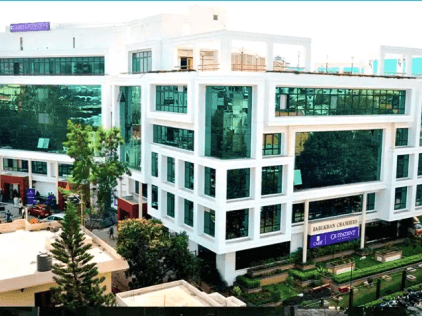
CARE Hospitals Outpatient Centre, Banjara Hills, Hyderabad

CARE Hospitals, HITEC City, Hyderabad

CARE Hospitals Outpatient Centre, HITEC City, Hyderabad
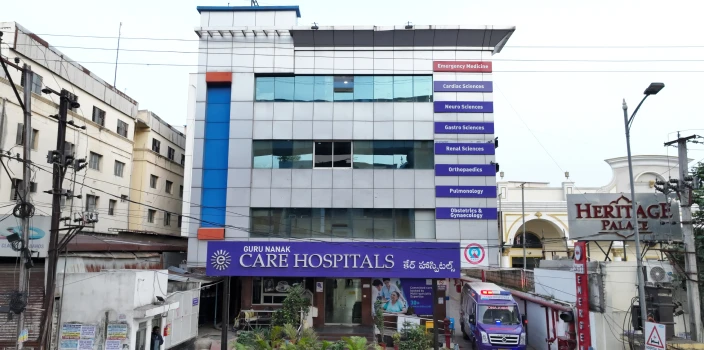
Gurunanak CARE Hospitals, Musheerabad, Hyderabad
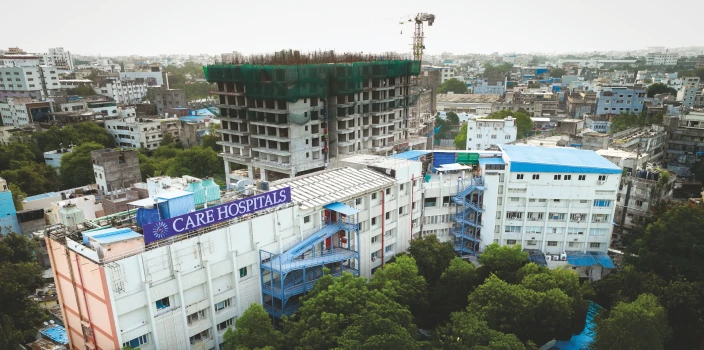
CARE Hospitals, Nampally, Hyderabad

CARE Hospitals, Malakpet, Hyderabad

CARE Hospitals, Bhubaneswar
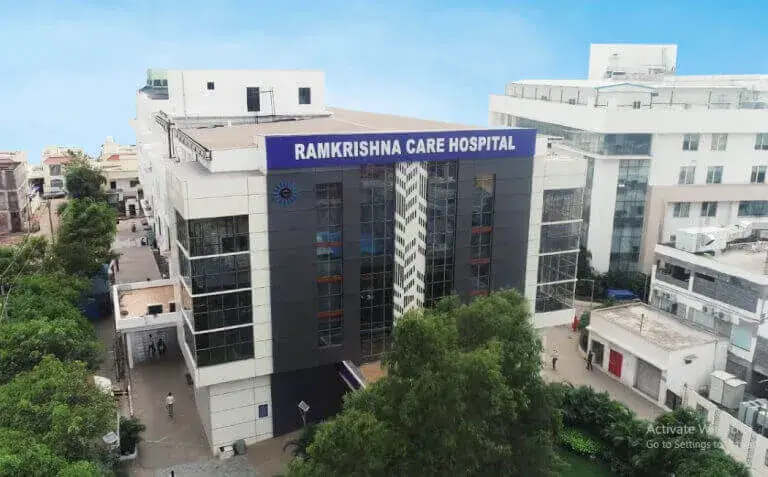
Ramkrishna CARE Hospitals, Raipur
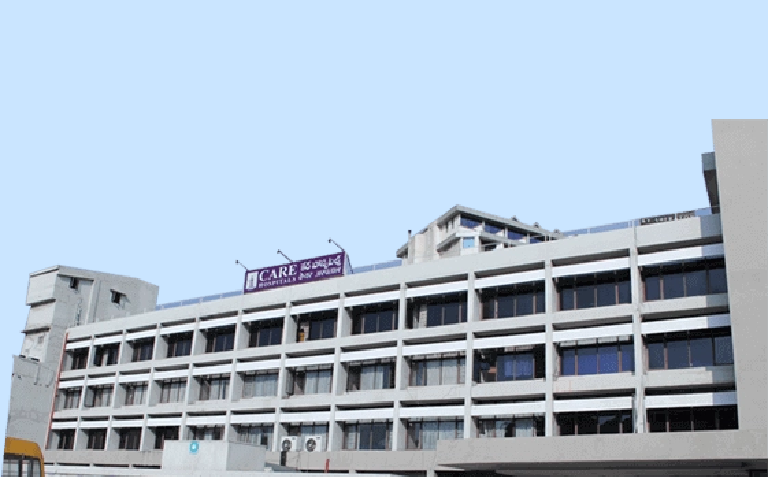
CARE Hospitals, Ramnagar, Visakhapatnam

CARE Hospitals, Health City, Arilova
Frequently Asked Questions
Endopyelotomy is a surgical technique that opens up a blockage between your kidney and ureter (ureteropelvic junction). The surgery helps restore normal urine flow from your kidney to the bladder by widening the narrow area.
You might feel pain for 1-3 weeks after the procedure. Your surgeon will give you pain medication to help with any discomfort. The good news is that this minimally invasive approach causes nowhere near as much post-operative pain as traditional open surgery. Pain levels differ from person to person, but most patients handle it well with proper medication.
The surgery time depends on the approach:
- Antegrade endopyelotomy takes about 2-3 hours
- Retrograde endopyelotomy usually needs about 2 hours
Some complications include:
- Bleeding or haemorrhage
- Urinary tract infection
- Urine leakage
- Damage to surrounding organs
- Stent-related problems
- Vascular, ureteral, or pulmonary injury
Your hospital stay typically lasts 2-3 days. You can usually get back to normal activities within 1-2 weeks. You should avoid strenuous activities and lifting anything over 10 pounds for about 4 weeks.
Follow these preparation steps:
- Eat a light breakfast and lunch the day before surgery
- Switch to clear liquids after lunch until midnight
- Take antibacterial showers before bed and the morning of surgery
- Stop eating or drinking after midnight
The surgery starts with general anaesthesia. A telescope goes through your urethra (retrograde) or a small cut in your back (antegrade). Your surgeon creates a precise cut at the blockage site using special tools like a laser or a heated wire. A stent placed between your kidney and bladder stays there for 4-6 weeks.
Yes! Your doctor will schedule regular visits to check your healing and kidney function. The stent placed during surgery needs removal within 4-6 weeks at a follow-up visit. You will need ultrasounds or X-rays to confirm the surgery's success.
Your body needs a balanced diet with lots of fluids to heal well. High-fibre foods help prevent constipation. Avoid bladder irritants like caffeine, alcohol, and spicy foods that might cause more discomfort.
This surgery works best for patients who have symptomatic ureteropelvic junction obstruction with ongoing pain, frequent urinary infections, or declining kidney function. Doctors might perform this procedure on patients who also have kidney stones.
- Your fluid intake should increase during the first 24-48 hours.
- Don't lift anything heavier than 10 pounds for four weeks.
- You can start light activities in a few days, but wait 4-6 weeks before doing anything strenuous.
- Take all medications as prescribed, especially antibiotics.
Doctors use general anaesthesia to keep you completely asleep during the procedure. This ensures you won't feel any pain during surgery.
The surgery might not be suitable for:
- Patients with an extensive abdominal surgery history, especially previous kidney operations
- People with severe heart or lung disease
- Patients with long strictures
- People with poor renal function
- People with a large redundant renal pelvis
Still Have a Question?