
Centre of Excellence
Specialties
Treatments and Procedures
Hyderabad
Raipur
Bhubaneswar
Visakhapatnam
Nagpur
Indore
Chh. Sambhajinagar
Clinics & Medical Centers
Online Lab Reports
Book an Appointment
Consult Super-Specialist Doctors at CARE Hospitals

Updated on 21 November 2025
Living with diabetes does not mean that you have to shun sweet foods altogether — and fruit is the best example. Fruit is the carrier of all the necessary vitamins, minerals, antioxidants, and fiber; thus, it is not life-threatening even for people with diabetes to consume. Nevertheless, not all fruits generate the same reaction in blood sugar. The very first thing to do is to know exactly which fruits are the most helpful for diabetes and the second is, of course, the way you will consume them.
The sugars in fruit are natural and the majority being fructose, wherein it might be elevated to a sugar level raise. Nevertheless, it is not a parallel situation with the sugars in fruits and refined sugar, because in fruits the sugars are supported by the fiber that slows the absorption of sugar and consequently avoids spikes in blood glucose.
One can refer to the glycemic index (GI) as a good resource for selecting fruits. It categorizes foods according to how fast they make blood sugar levels go up. Fruits with a low to medium GI are generally the healthier options for people with diabetes.
Correctly identifying which fruits to eat can have a significant impact on the control of your blood sugar levels if you have diabetes. The choice of the most appropriate fruits should be based on their low glycemic index, high content of fiber, and being sources of nutrients. Go ahead and select from the list of 12 fruits we have prepared specifically for diabetes sufferers — not only these are great additions to your diet but they will also assist in the regulation of your blood sugar levels.
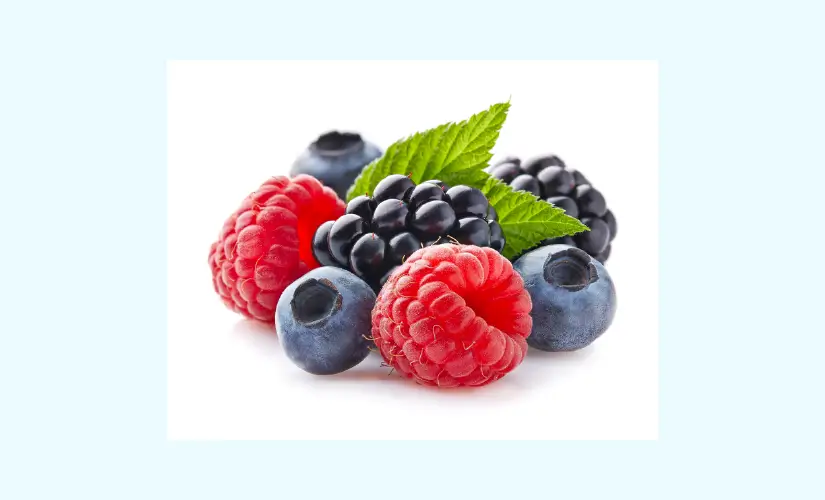
1. Berries (Strawberries, Blueberries, Raspberries): The trio of these small and colorful fruits is just impressive in terms of their antioxidant, fiber, and vitamin C power. Still, they also held in their tiny compartments the phytonutrients that are not only good for the heart but also help in inhibiting the inflammation process. Berries are ideal for a snack or to have as a topping for oatmeal or yogurt.

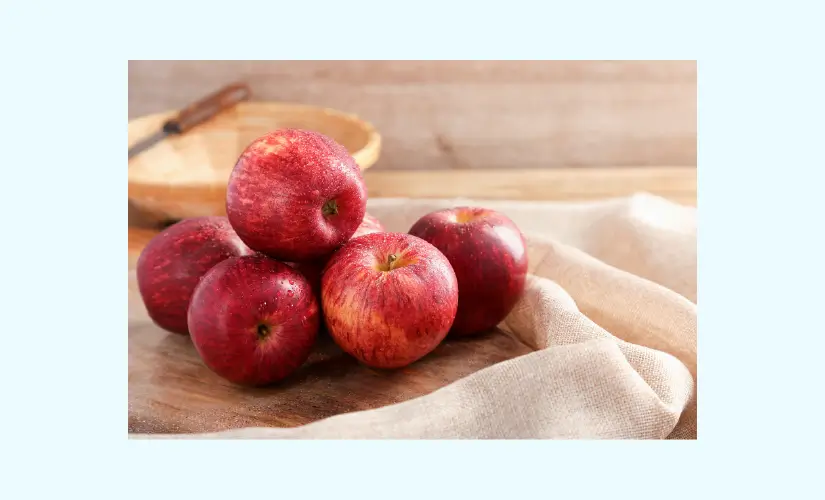
2. Apples: Apples are an attractive choice for a fruit diet not only because of their rich fiber content but also due to their role in regulating blood sugar. The best way to eat them is with the skin because it is where the majority of the fiber and the anti-oxidants are. To achieve a good blood sugar level also team up apples with proteins and have a small apple as a snack.

3. Pear: Pears are fruits with a lot of fiber that does not convert quickly into sugar and therefore reduces the possibility of a blood sugar spike. Moreover, they are also full of flavonoids that, by improving insulin function, can be of help to a certain extent. Both dried and fresh are ways to enjoy pears, and simply a perfect fruit dessert having it baked.

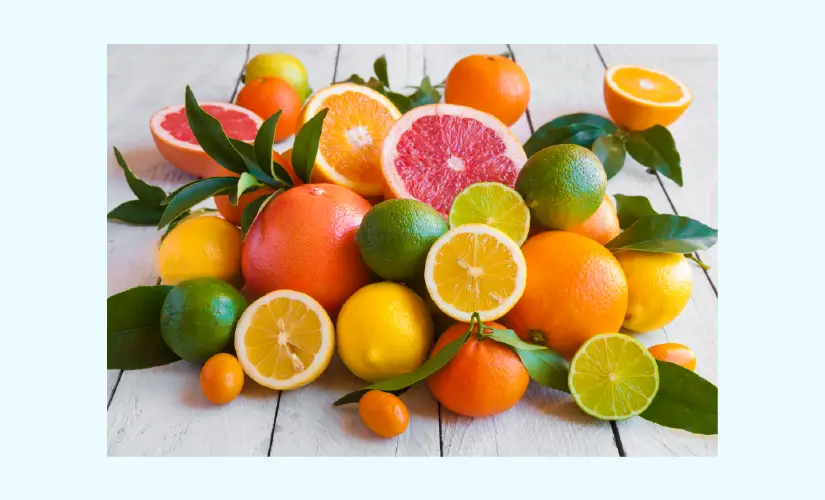
4. Oranges: A good source of vitamin C and fiber, while being sweet, oranges have a quite low glycemic index and may be consumed in moderation without any negative effects on health, provided that the whole fruit is chosen instead of the juice.

5. Cherries: Carbs are at their lowest in cherries, and they come with anthocyanins, a compound with antioxidant properties that might help in sugar level regulation and inflammation reduction. A little amount of cherry, not only fresh but frozen ones also, makes a low-GI original treat.

6. Peaches: A juicy and tasty fruit, peaches provide good levels of vitamins A and C, and they have a moderate glycemic index. They can be eaten fresh or be a part of smoothies—just watch out for canned peaches soaked in sugar.

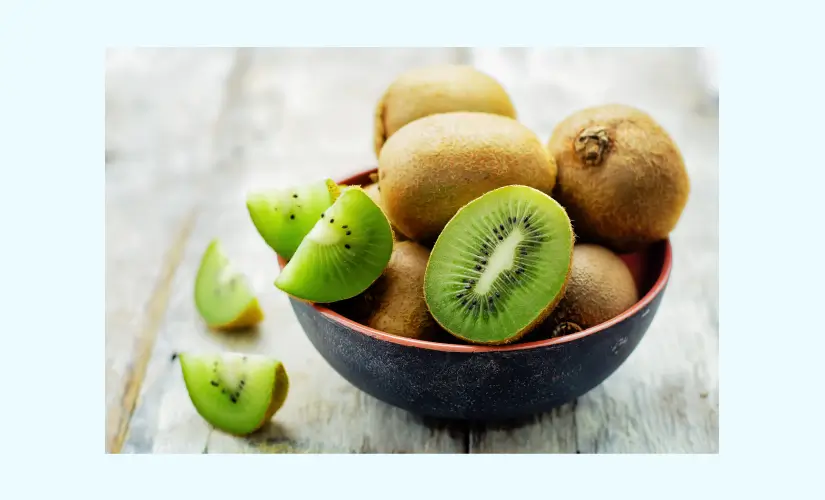
7. Kiwis: Great in fiber and vitamin C, but low in natural sugars, kiwis, however, also have a low glycemic load with a very small effect on blood sugar. They are a perfect source of energy for a healthy snack.

8. Avocados: Avocados are a great addition for diabetics since they are full of healthy fats besides fiber, potassium, and most importantly, they do not raise blood sugar. They can be mashed and added to salads, sandwiches, or smoothies.
9. Grapefruit: Grapefruit is a fruit that resulted from the hybridization of the oranges and pomelos. The fruit contains less sugar since it has a low glycemic index, plus it has lots of antioxidants, vitamin C, and fiber. Consequently, it helps better insulin sensitivity. The exception is consuming grapefruit when taking certain drugs because of their drug-drug interaction potential.
10. Guava: Guava is among the very good sources of vitamin C and dietary fiber. The fruit does not have much sugar. Guava can be of great help in digestion and can also be very helpful in reducing the blood sugar that the body absorbs gradually. Eating the fruit along with its skin is recommended for extra fiber.
11. Pomegranates: Pomegranates are the source of many important antioxidants such as punicalagin and anthocyanins, which are known to fight both oxidative stress and inflammation. There are many ways to include the pomegranate seeds in your diet, like for example salads, yogurts, or just by eating them as a snack, but try to be mindful of the size of the portion.
12. Plums: Plums have a medium glycemic index and provide some fiber and antioxidants. The habit of eating them in moderate fresh portions can be a good way to control your blood sugar level while letting a sweet tooth craving be satisfied.
Diabetics can get the following health benefits from proper fruit consumption:
Enjoy the fruits without experiencing the sugar spikes only by following these practices:
Do not take a lot of dried fruit- They are very sweet and you can easily eat a lot of them.
It can be one of the easiest and most pleasant things to do for your health:
Fruits high in natural sugar and have a high glycemic index need to be consumed with caution, even with moderation:
It is possible for people with diabetes to include fruits in their daily diet depending on the type and the amount of the fruit. People with diabetes can still indulge themselves in natures candy by sticking to low-GI and high-fiber fruits and using moderate and healthy ways of consuming them without any negative effects on the blood sugar level. Be sure to get an expert's advice.
Yes, but a very careful selection of fruits with low-GI is a must, it is also necessary to keep an eye on the amounts and the glucose levels after meals and snacks.
Berries, cherries, grapefruit, and avocados are believed to be helpful in reducing or keeping the blood sugar in a stable state because of their fiber as well as antioxidant properties.
Yes, but you should still be cautious, homemade smoothies made with no, low-GI fruits, and without any sugar, and which are not only rich in protein and fat but also a very balanced meal.
To Book an Appointment, call:
How to Increase Hemoglobin Count
Eosinophilia: Causes, Symptoms, Diagnosis, and Treatment
31 December 2025
29 December 2025
29 December 2025
29 December 2025
29 December 2025
29 December 2025
29 December 2025
11 December 2025
Have a Question?
If you cannot find answers to your queries, please fill out the enquiry form or call the number below. We will contact you shortly.