
-
Centre of Excellence
Specialties
Treatments and Procedures
 HyderabadCARE Hospitals, Banjara Hills CARE Outpatient Centre, Banjara Hills CARE Hospitals, HITEC City CARE Hospitals, Nampally Gurunanak CARE Hospitals, Musheerabad CARE Hospitals Outpatient Centre, HITEC City CARE Hospitals, Malakpet
 Raipur
 Bhubaneswar
 Visakhapatnam
 Nagpur
 Indore
 Chh. Sambhajinagar
 Clinics & Medical Centers


-

-

-

-

-

-
Follow Us

Best Hospital for Perianal Abscess Surgery in Hyderabad
- Advanced Technology
- Shorter Hospital Stay
- Pre & Post-Operative Care
- All Insurance Accepted

Chat With Our Experts
Get second opinion on Whatsapp
25 lakhs+
Happy Patients
Experienced and
skilled surgeons
17
Health Care Facilities
Top most Referral Centre
for Complex Surgeries
Advanced Perianal Abscess Surgery
Perianal abscess is the most common type of anorectal abscess. Adult males between 20-60 years old are twice as likely to develop this condition. The predominant perianal abscess symptoms include localised perianal pain, swelling, and redness surrounding the anus. Several perianal abscess causes exist like immunosuppression, diabetes, and conditions like HIV. Studies show that many untreated cases develop into fistulas. Understanding perianal abscess treatment options is important for quick relief and includes surgical drainage and perianal abscess antibiotics. In this piece, we will guide you through the causes, symptoms and complete perianal abscess treatment approaches available at CARE Group Hospitals in Hyderabad.
Why CARE Group Hospitals is Your Top Choice for Perianal Abscess Surgery in Hyderabad
CARE Hospitals specialises in treating perianal abscesses with advanced surgical techniques performed by experienced proctologists & colorectal surgeons. The team will tailor personalised perianal abscess treatment plans depending on the patient's condition and how severe it is. At CARE Hospitals we focus on putting patients' health first by using less invasive techniques (whenever possible) and provide ongoing support after treatment.
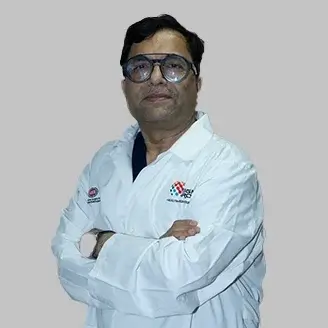
Best Perianal abscess Surgery Doctors in India








Advanced Surgical Innovations at CARE Hospital
At CARE Hospitals our experts employ minimally invasive approaches that have shown much better outcomes. Studies demonstrate that minimally invasive incision and drainage result in fewer postoperative complications compared to traditional methods. Minimally invasive anal fistula treatment can be performed as a day care procedure in the majority of patients with minimal re-admission rates.
Indications for Perianal Abscess Surgery
Surgery becomes necessary if you experience severe perianal pain, swelling, redness around the anus, or pus discharge. Surgical drainage is recommended if conservative treatments like perianal abscess antibiotics fail to resolve the infection or if the abscess is large enough to warrant immediate intervention.
Types of Perianal Abscess Surgery Procedures
Several surgical options exist based on your condition. These are:
- Incision and drainage involves making a small cut to drain pus and clean the abscess cavity.
- Fistulectomy excises the abscess and any fistulas formed.
- Seton Placement uses a suture tightened over time to open abscess walls for drainage.
- Sphincterotomy cuts part of the internal anal sphincter muscle to decrease pressure & improve drainage.
Pre-surgery Preparation
You should schedule a consultation to discuss the procedure and ask questions. Your doctor will need a detailed medical history, including current medications and allergies. You will need to skip food and drink for several hours before perianal abscess surgery. Your doctor may prescribe antibiotics before surgery. Good hygiene in the anal area with mild soap and water is important. You'll need someone to drive you home, as driving won't be possible after sedation.
Perianal Abscess Surgery Procedure
Surgeons induce general anaesthesia before the surgery. They make a cruciate incision near the abscess site and drain the pus. The cavity is then irrigated really well. A small drain or seton stitch may be placed for continued drainage in some cases. The procedure requires no stitches most of the time.
Post Surgery Recovery
Most patients return to work within 1 to 2 days after surgery. Complete healing takes about 3 to 8 weeks. You will need regular sitz baths and pain medication. Daily wound cleaning is essential. The area must be kept clean after bowel movements.
Complications
Common complications are:
- Bleeding
- Infection
- Delay in wound healing
- Recurrence of abscess.
- Fistula formation.
Benefits of Perianal Abscess Surgery
Surgery gives immediate pain relief and prevents infection from spreading. It helps tissue heal and makes bowel function better. The risk of future abscess formation reduces.
Insurance Assistance for Perianal Abscess Surgery
Many health insurance policies cover perianal abscess treatment. This includes pre-hospitalisation expenses and post-hospitalisation care.
Second Opinion for Perianal Abscess Surgery
Getting another doctor's opinion about perianal abscess surgery helps clarify both the diagnosis and the best treatment plan. A second specialist might confirm the need for surgery, suggest other treatment options, and make sure the treatment aligns with your health needs.
Conclusion
Perianal abscess affects millions of people and causes localised perianal pain, swelling, and redness surrounding the anus. At CARE Hospitals, our team uses invasive procedures that ensure faster recovery. Don't wait for the condition to worsen if you experience pain, swelling, or discharge around the anus. Consult our proctology team to receive personalised treatment and get back to a normal life quickly.
Perianal abscess Surgery Hospitals in India
-
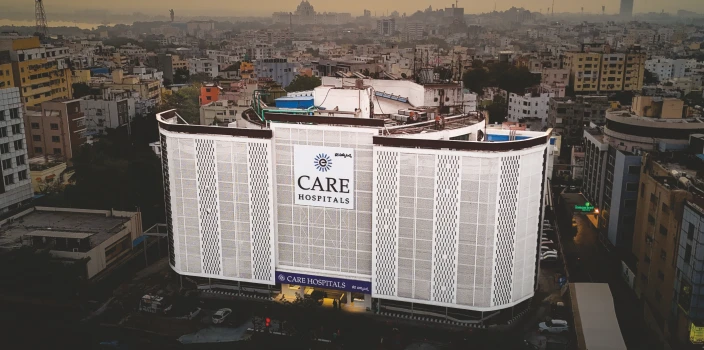
CARE Hospitals, Banjara Hills, Hyderabad
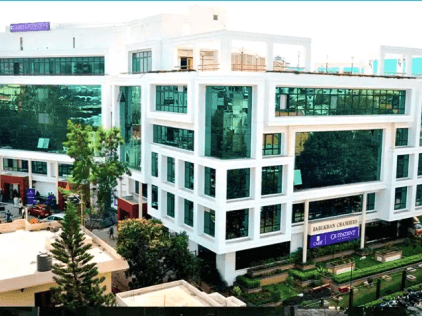
CARE Hospitals Outpatient Centre, Banjara Hills, Hyderabad
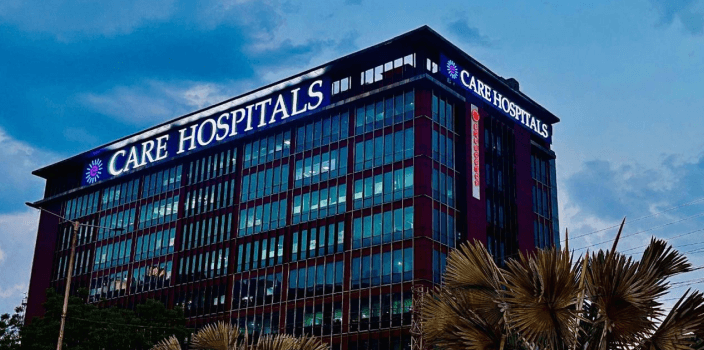
CARE Hospitals, HITEC City, Hyderabad
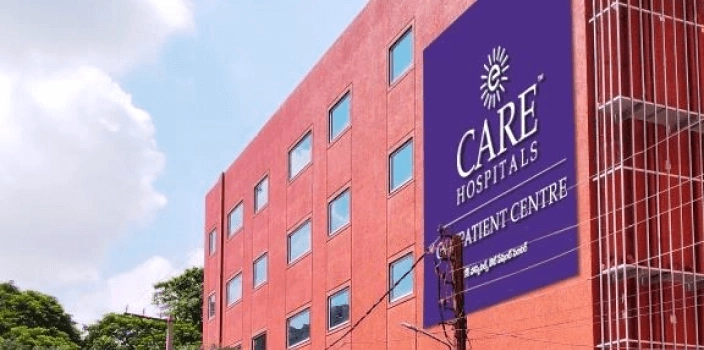
CARE Hospitals Outpatient Centre, HITEC City, Hyderabad
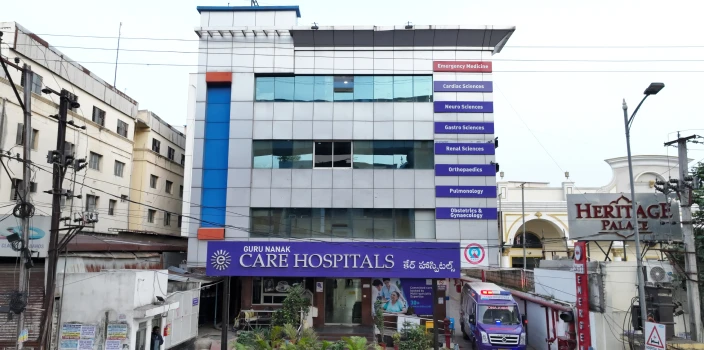
Gurunanak CARE Hospitals, Musheerabad, Hyderabad
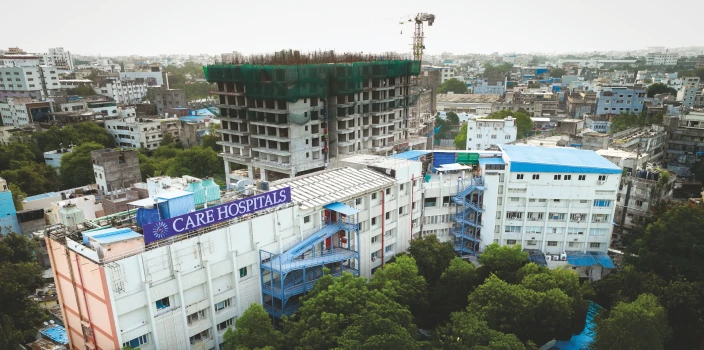
CARE Hospitals, Nampally, Hyderabad
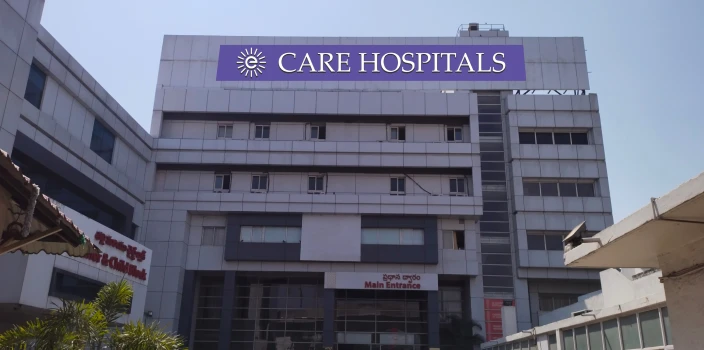
CARE Hospitals, Malakpet, Hyderabad
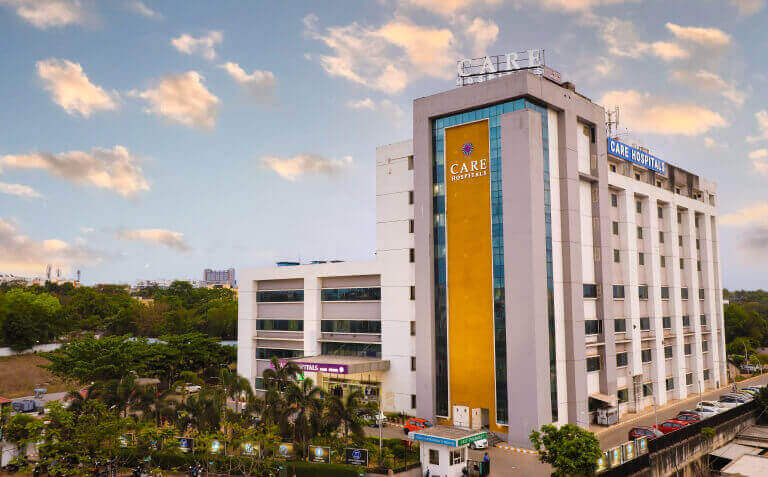
CARE Hospitals, Bhubaneswar
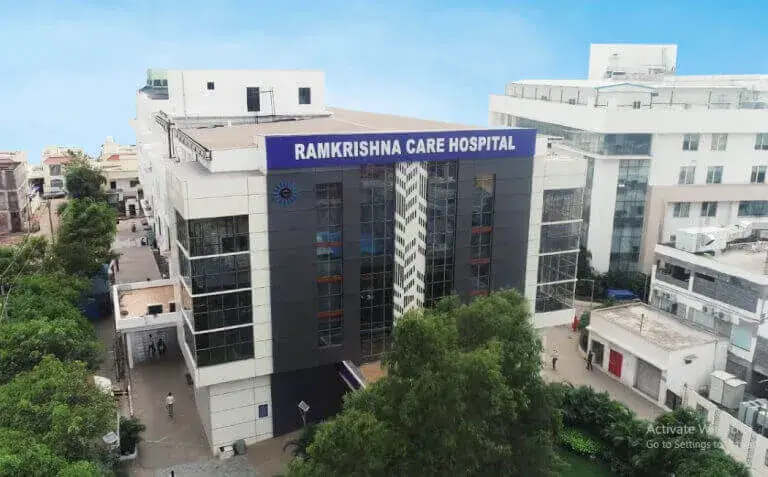
Ramkrishna CARE Hospitals, Raipur
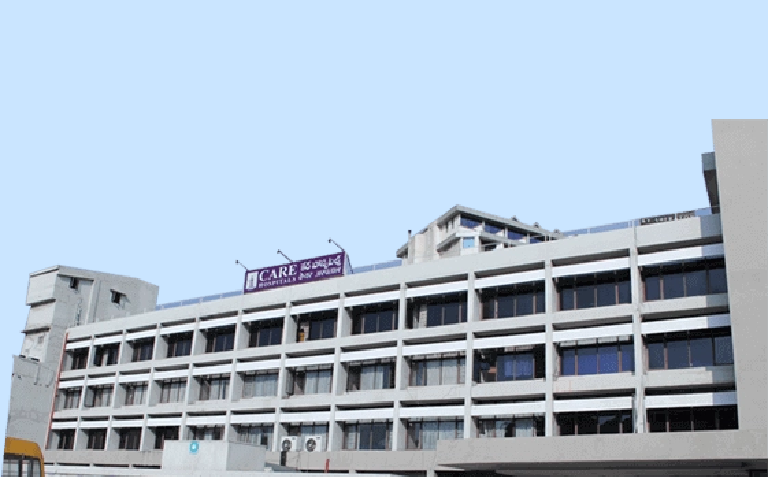
CARE Hospitals, Ramnagar, Visakhapatnam
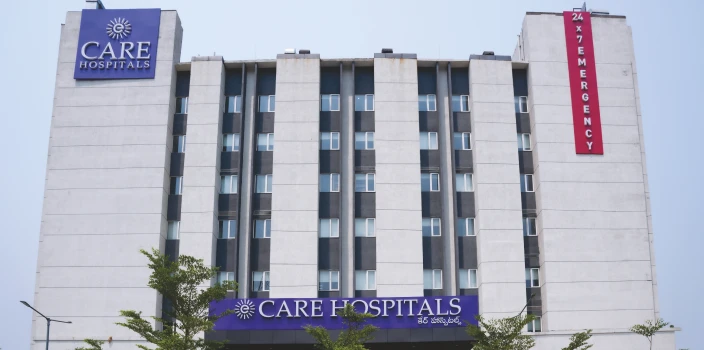
CARE Hospitals, Health City, Arilova
Frequently Asked Questions
Perianal abscess surgery involves incision and drainage to remove pus from the infected area. Surgeons make a cruciate incision close to the anal verge, drain the pus and irrigate the abscess cavity really well. Antibiotics alone are inadequate for treating perianal abscesses.
No it is a day case procedure. You can go home the same day. General anaesthesia is used, but the operation itself is simple.
Pain that was caused by the abscess often improves right after surgery. You may experience mild discomfort from the incision for several days. Prescribed painkillers help manage this.
The surgery usually takes 30 to 60 minutes.
Recurrence occurs in some patients after surgical management. Some patients develop an anal fistula after abscess drainage.
Complete healing takes 3 to 8 weeks for the abscess.
You may need to empty your colon with an enema or laxative. You must arrange for someone to take you home post-surgery.
You will recieve general anaesthesia. The medical team will position you comfortably, typically on your side for easy access. The surgeon makes a small incision over the abscess and allows pus to drain. The area receives a thorough cleaning after drainage. A small drain might be placed for continued drainage. The medical team monitors you post-procedure to check for immediate complications before discharge.
Doctors will review your medical history and discuss the procedure with you. You need to fast for several hours before perianal abscess surgery. Bowel preparation using laxatives or enemas may be necessary to clean the area.
Follow-up appointments typically occur within 5 to 10 days of discharge. Your healing progress will determine if you need additional visits. You should contact your doctor immediately if infection signs appear, including increased redness, swelling or fever.
Avoid strenuous activities, heavy lifting and prolonged sitting for at least two weeks. Alcoholic beverages and smoking slow healing and should be avoided. Public pools should be avoided until complete wound healing.
Still Have a Question?