
Centre of Excellence
Specialties
Treatments and Procedures
Hyderabad
Raipur
Bhubaneswar
Visakhapatnam
Nagpur
Indore
Chh. Sambhajinagar
Clinics & Medical Centers
Online Lab Reports
Book an Appointment
Consult Super-Specialist Doctors at CARE Hospitals
Updated on 21 July 2026
Nearly half of all adults worldwide live with high blood pressure making it one of the most common medical problems. The truth is, what you eat has an enormous bearing on blood pressure, sometimes as much as drugs do. The DASH diet was built specifically with this in mind. This guide breaks down what it involves, why it works, and how to actually put it into practice.
DASH stands for Dietary Approaches to Stop Hypertension. The National Heart, Lung, and Blood Institute developed it. This evidence-based dietary approach has been recognised by major health organisations, including the United States Department of Agriculture (USDA) and the American Heart Association for its effectiveness in managing blood pressure.
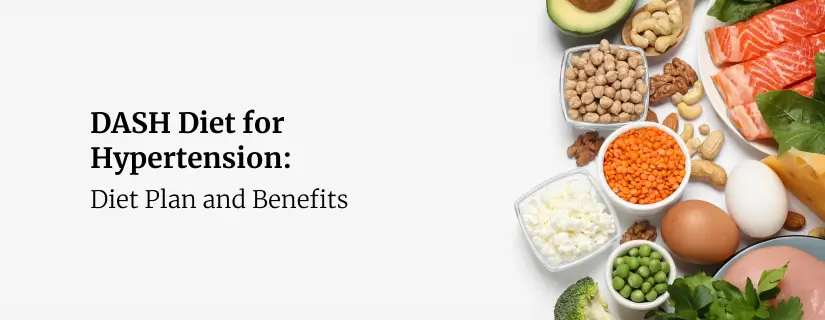
At its core, the diet is built around eating more of the things that protect the heart. The main foods it focuses on:
The caloric range is flexible anywhere from 1,600 to 3,100 calories a day depending on individual needs. Sodium is capped at 2,300 mg daily in the standard version, and 1,500 mg in the stricter version for those who need more aggressive blood pressure control.
What the diet actively works to raise: potassium, magnesium, calcium, and fibre. What it reduces: saturated fats, trans fats, and cholesterol. It’s not a radical overhaul, everything you need is available at any regular grocery store or restaurant.
No special products. No supplements required. That accessibility is part of why doctors recommend it so widely.
The cardiovascular impact alone makes a strong case for DASH. Studies show it can reduce the risk of cardiovascular disease, stroke, and heart failure. It also lowers LDL cholesterol and triglyceride levels, two markers that matter a lot for heart health.
Weight management is another area where it performs well. Over a 24-week period, people on the DASH plan tend to lose more weight than those on standard calorie-restricted diets even when calorie counts are similar.
Beyond that, the benefits extend in several directions:
One of the things people appreciate about DASH is that it doesn’t require exotic ingredients or expensive health foods. It’s built around ordinary food groups, just arranged differently than most people are used to.
Here’s what a 2,000-calorie DASH diet looks like in terms of food groups:
To put serving sizes in perspective: one grain serving is a slice of bread or half a cup of cooked pasta. A vegetable serving is about a cup of raw leafy greens, or half a cup cooked. A fruit serving is one medium piece or half a cup fresh.
Cooking at home makes a real difference here. It’s much easier to control sodium and stay within portions when you’re the one preparing the food.
Getting the daily servings right takes a bit of adjustment at first, but it becomes second nature fairly quickly. Based on a 2,000-calorie day, here’s what the targets look like:
On the sodium side, there are two versions to choose from. The standard DASH plan allows up to 2,300 mg of sodium daily. The lower-sodium version brings that down to 1,500 mg, which is better suited for people with more severe hypertension. Your doctor can help figure out which option fits your situation.
A few habits that make the transition smoother:
Try to make your plate as colourful as possible. Aim for at least two vegetable sides with main meals. For dessert, fruit works well and keeps the plan on track.
The DASH diet has been studied extensively and the results are consistent: it lowers blood pressure, supports heart health, helps with weight, and reduces the risk of several chronic diseases. That’s a broad set of benefits from a single eating pattern.
What makes it work in practice is how sustainable it is. There is no elimination of entire food groups, no unusual ingredients, and no rigid meal schedule. You pick the sodium level that suits your health needs, follow the serving guidelines, and make gradual adjustments over time.
The small shifts like more vegetables at dinner, whole grains instead of white, a handful of nuts in the afternoon add up. Blood pressure responds well to consistency, and this is a plan that’s genuinely sustainable long term.
It’s primarily recommended for people managing or trying to prevent hypertension. The diet works by cutting sodium and loading up on nutrients like potassium, calcium, and magnesium that are known to bring blood pressure down. This eating pattern is healthy enough that most people would benefit from it regardless of whether they have high blood pressure.
Stick to vegetable-based oils like canola, corn, olive, and safflower. Nuts, seeds, and avocados are also good fat sources on this plan. What to avoid: butter, lard, and coconut oil, which are high in saturated fat.
The standard version caps sodium at 2,300 mg per day roughly one teaspoon of table salt. The stricter version goes down to 1,500 mg daily. If you are not sure which applies to you, consult your doctor.
The DASH plan recommends four to five servings of nuts, seeds, and legumes each week with at least one serving per day being ideal. Almonds, walnuts, peanuts, hazelnuts, and sunflower seeds all fit well. Nuts are a particularly good choice because of their omega-3 fatty acids, which support heart health.
12 Health Benefits of Lemon Water
12 Health Benefits of Eating Mushrooms
22 July 2026
22 July 2026
22 July 2026
22 July 2026
21 July 2026
21 July 2026
31 March 2026
31 March 2026
Have a Question?
If you cannot find answers to your queries, please fill out the enquiry form or call the number below. We will contact you shortly.
Get A Call Back From Our Health Advisor Now
Enter your details, and our advisor will call you back shortly!
Thank You!
Our health advisor will get in touch with you shortly.