-
Centre of Excellence
Specialties
Treatments and Procedures
 HyderabadCARE Hospitals, Banjara Hills CARE Outpatient Centre, Banjara Hills CARE Hospitals, HITEC City CARE Hospitals, Nampally Gurunanak CARE Hospitals, Musheerabad CARE Hospitals Outpatient Centre, HITEC City CARE Hospitals, Malakpet
 Raipur
 Bhubaneswar
 Visakhapatnam
 Nagpur
 Indore
 Chh. Sambhajinagar
 Clinics & Medical Centers


-

-

-

-

-

-
Follow Us

Best Hospital for Cystolitholapaxy Surgery in Hyderabad
- Advanced Technology
- Shorter Hospital Stay
- Pre & Post-Operative Care
- All Insurance Accepted

Chat With Our Experts
Get second opinion on Whatsapp
25 lakhs+
Happy Patients
Experienced and
skilled surgeons
17
Health Care Facilities
Top most Referral Centre
for Complex Surgeries
Advanced Cystolitholapaxy Surgery
Cystolitholapaxy is a surgery used to remove stones from the bladder. Doctors reach the stone through the urethra using a thin scope, avoiding any incision on the skin entirely. Once inside the bladder, a chosen method breaks the stone into small pieces, which are then washed out or removed through the same scope. Open surgery is handled for bladder stones almost exclusively, but this endoscopic approach has largely replaced it because recovery moves so much faster. Most patients walk out within a day or two. Stones of many sizes respond well to this technique, though a very large stone occasionally needs a different treatment plan. An untreated stone can also set the stage for repeated infections and, over time, damage to the bladder wall itself. Understanding what the procedure actually involves tends to settle most of the nerves patients bring into the consultation.
Why CARE Group Hospitals is Your Top Choice for Cystolitholapaxy Surgery in Hyderabad
CARE Group Hospitals in Hyderabad brings together skilled urologists who perform cystolitholapaxy regularly using modern endoscopic tools. Each patient is assessed individually, so the exact method used to break up the stone is chosen based on stone size, location, and overall health rather than a one-size-fits-all approach.
The hospital focuses on comfort at every step from the first consultation through to recovery. We have a policy of transparent communication before surgery so that patients know exactly what to expect during the treatment course.
Best Cystolitholapaxy Surgery Doctors in India






















Cutting Edge Surgical Innovations at CARE Hospitals
CARE Hospital uses several modern tools to make bladder stone removal safer and more precise.
- Laser technology (like the holmium laser) allows surgeons to break down even hard stones with great accuracy.
- Ultrasonic and pneumatic devices offer additional options (depending on the stone's size and hardness).
- High-definition cystoscopes give surgeons a clear, detailed view inside the bladder, which helps ensure that all stone fragments are found and removed.
Together these tools help shorten procedure times and reduce the chance of complications. Continuous investment in newer equipment also means patients benefit from techniques that are regularly updated as technology in this field improves.
Conditions for Cystolitholapaxy Surgery
Doctors recommend this surgery for a specific set of bladder stone problems. They are:
- Bladder stones causing ongoing pain or discomfort in the lower belly or pelvis.
- Stones that are too large to pass naturally through urine
- Repeated urinary tract infections linked directly to the presence of a stone
- Difficulty urinating, including a weak stream or a feeling of blockage
- Blood appearing in the urine, especially when a stone is confirmed on imaging
- Stones found alongside an enlarged prostate that also needs treatment
- Cases where other stone removal methods are not suitable or have already failed
- Persistent discomfort or a burning feeling during urination linked to a confirmed bladder stone.
Types of Cystolitholapaxy Surgery Procedures
Surgeons choose from a few different techniques, and the right one depends on how hard and how large the stone is.
- Mechanical Cystolitholapaxy: This method uses a lithotrite, a tool that physically grips and crushes the stone. It works well for smaller, softer stones and has been used for many years.
- Laser Cystolitholapaxy: A laser, most often a holmium laser, breaks the stone into small fragments using focused light energy. This method handles harder stones well and gives the surgeon precise control.
- Ultrasonic Cystolitholapaxy: In this procedure sound wave energy is used to vibrate & break apart the stone.
- Pneumatic Cystolitholapaxy: During this procedure a device delivers quick bursts of air pressure to break the stone into pieces. This method is often chosen for medium- to large-sized stones.
Pre-Surgery Preparation
A short list of steps helps the surgery go smoothly. They are:
- Fasting for a set number of hours before surgery if general anaesthesia is planned.
- Blood & urine tests to confirm fitness for surgery and check for infection.
- An ultrasound or CT scan is done to measure the stone's size and exact location.
- Your doctor will stop certain blood-thinning medicines a few days early.
- Tell your surgical team of any known allergies well before the day of surgery.
- Wearing loose, comfortable clothing on the day of surgery for an easier journey home.
Cystolitholapaxy Surgical Procedure
The procedure follows three clear stages, from preparation through to the final steps in the operating room.
- Before the Procedure: Anaesthesia usually spinal or general, is given first so no pain is felt during surgery. The patient is then positioned to give the surgeon clear access to the urethra.
- During the Procedure: A cystoscope is gently guided through the urethra into the bladder. Once the stone is located, the chosen method (whether laser, ultrasonic or mechanical) breaks it into smaller pieces. These fragments are then flushed out or removed directly through the scope.
- After the Procedure: A catheter is often placed temporarily to help drain urine while the bladder heals. The patient is moved to a recovery area to wake up from anaesthesia under close observation.
Post Surgery Recovery
Because no external cut needs to heal, recovery after cystolitholapaxy moves quickly for most patients. A hospital stay of one to two days covers most cases, depending on stone size and general health. Doctors often leave a catheter in place briefly, giving the bladder time to heal properly before it comes out.
Water plays a real role here too, since drinking plenty of it helps flush the bladder and speeds healing along. Light daily activities can resume within a week for most people, whereas you should avoid heavy lifting and hard exercise a bit longer. A follow-up visit closes the loop, confirming that healing has gone as planned and no stone fragments were left behind. Small streaks of blood in the urine during the first few days rarely mean anything serious. However, if you experience heavier or longer-lasting bleeding, contact your doctor.
Risks and Complications
As with any surgery, cystolitholapaxy carries a small number of risks. They are:
- A little bleeding in the urine tends to show up briefly right after the procedure.
- Rarely, the urethra or bladder wall picks up minor irritation or injury during the operation.
- A burning feeling while urinating can linger for a few days in some patients.
- Rarely, a stone does not clear completely in one sitting, and a second procedure becomes necessary.
- If the root cause, whether diet or an enlarged prostate, goes unaddressed, stones can return down the line.
Benefits of Cystolitholapaxy Surgery
This procedure offers several clear advantages over older, more invasive methods. They are:
- Skipping the external incision means less pain and a lower chance of infection at a wound site.
- Hospital stays run short, often just one or two days.
- Recovery is faster than with open surgery, so most patients are back to normal life within a week or two.
- The surgeon can also directly view the bladder and confirm every stone fragment is gone before finishing up.
- Scarring is not part of the picture, as the entire procedure runs through the urethra.
- Patients generally have less time away from work or daily responsibilities.
Insurance Assistance for Cystolitholapaxy Surgery
Care Group Hospitals offers support with insurance paperwork to make the process easier for patients. The billing team helps explain coverage details and assists with the documents needed for claims. Many insurance providers and policy terms allow for cashless treatment, which staff can confirm on a case by case basis. Questions about cost before surgery get answered directly (helping patients plan ahead without unnecessary stress). This support continues after discharge too, in case any additional documentation is needed for reimbursement or follow-up claims.
Get a Second Opinion for Cystolitholapaxy Surgery
Patients are always welcome to seek a second opinion before deciding on surgery. Reviewing imaging results and treatment options with another experienced urologist can be a great help. Care Group Hospitals supports this process by providing clear copies of all test results and imaging for patients who wish to consult another specialist.
Conclusion
Cystolitholapaxy offers an effective, minimally invasive way to remove bladder stones without the need for an external incision. With modern tools such as lasers and ultrasonic technology, most procedures are quick and safe and followed by a short recovery period. Anyone experiencing symptoms of bladder stones should speak with a urologist to find out whether this procedure is the right option for their specific case.
Cystolitholapaxy Surgery Hospitals in India
-
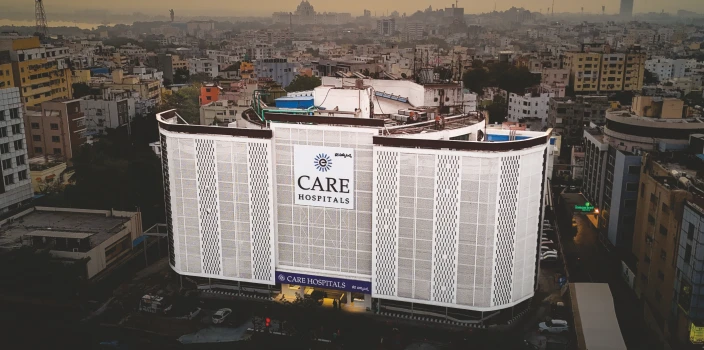
CARE Hospitals, Banjara Hills, Hyderabad
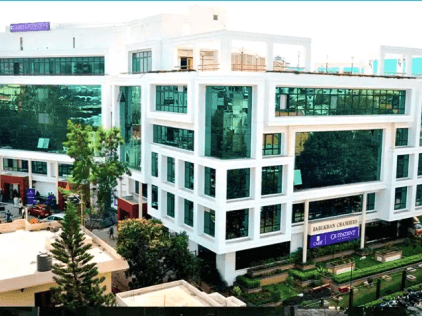
CARE Hospitals Outpatient Centre, Banjara Hills, Hyderabad

CARE Hospitals, HITEC City, Hyderabad
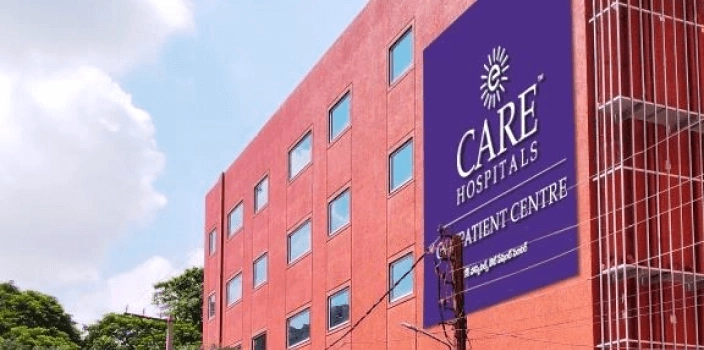
CARE Hospitals Outpatient Centre, HITEC City, Hyderabad
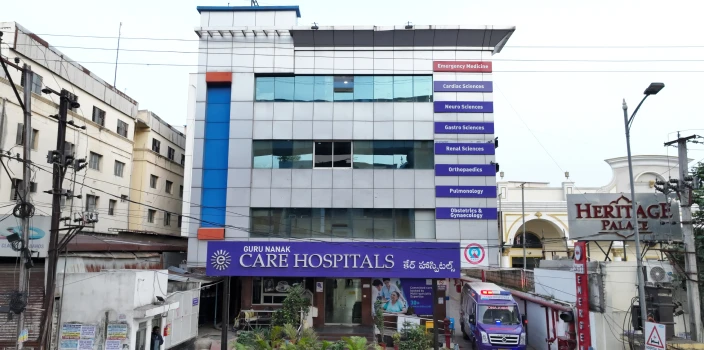
Gurunanak CARE Hospitals, Musheerabad, Hyderabad
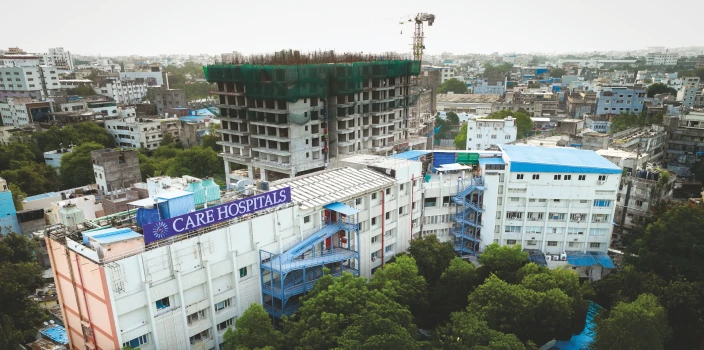
CARE Hospitals, Nampally, Hyderabad
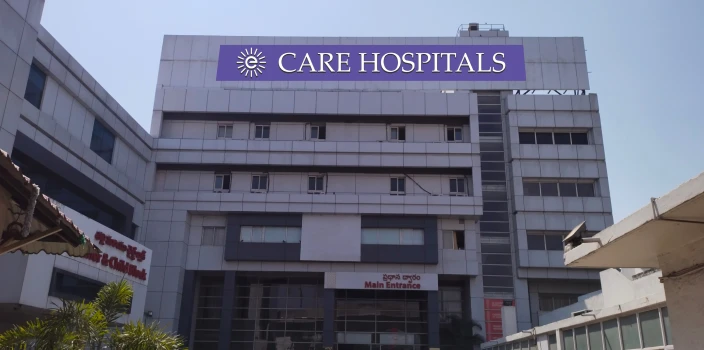
CARE Hospitals, Malakpet, Hyderabad

CARE Hospitals, Bhubaneswar
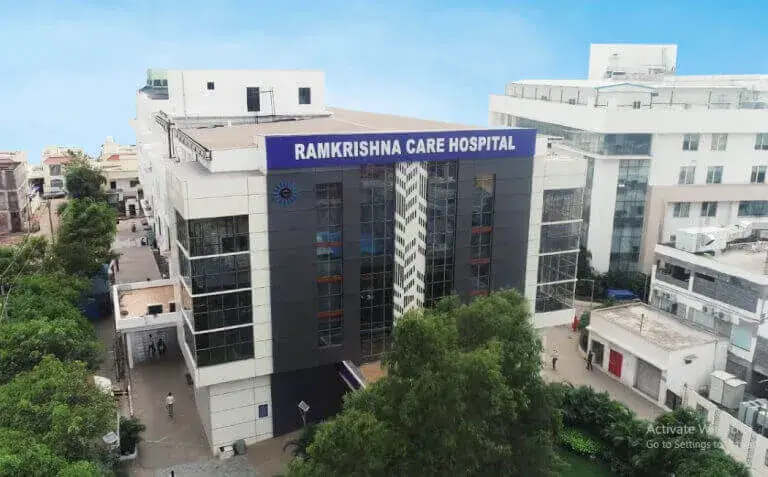
Ramkrishna CARE Hospitals, Raipur
CARE Hospitals, Ramnagar, Visakhapatnam

CARE Hospitals, Health City, Arilova
Frequently Asked Questions
A scope passed through the urethra breaks bladder stones into small pieces and removes them without any cut.
Doctors turn to this surgery to clear bladder stones causing pain, infection or trouble passing urine.
Cystolitholapaxy surgery suits anyone whose bladder stones have grown too large to pass on their own or are causing symptoms.
An ultrasound or CT scan confirms the size and exact location of a bladder stone.
Compared with open bladder stone removal, cystolitholapaxy counts as a minor, minimally invasive procedure.
Both options exist, and the surgeon chooses based on the patient's health and the specifics of the case.
Most procedures wrap up somewhere between thirty minutes and an hour, depending on stone size.
Anaesthesia blocks pain during surgery, and whatever discomfort follows afterwards tends to be mild.
Laser, ultrasonic or mechanical energy breaks the stone apart and the fragments get flushed or removed through the scope.
Full recovery takes roughly one to two weeks. However, lighter activities can resume within just a few days.
Most patients stay in the hospital for 1–2 days after cystolitholapaxy.
Desk-based work is often possible within a week, whereas physically demanding jobs may call for a longer break.
Plenty of water, no heavy lifting and sticking to your doctor's activity advice all support proper healing.
A normal, balanced diet works fine for most patients unless a doctor advises otherwise.
Heavy bleeding, fever, severe pain or trouble passing urine are all reasons to call your doctor promptly.
Effective preventive measures are:
- Drink plenty of water throughout the day.
- Make a habit of emptying your bladder completely each time you go, rather than rushing through it.
- Address the underlying cause, whether that's an enlarged prostate or difficulty emptying the bladder fully, rather than just managing the symptoms.
Expect blood tests, urine tests and imaging such as an ultrasound or CT scan before the day of surgery.
A urologist, trained specifically in urinary tract conditions, carries out this procedure.
Still Have a Question?