-
Centre of Excellence
Specialties
Treatments and Procedures
 HyderabadCARE Hospitals, Banjara Hills CARE Outpatient Centre, Banjara Hills CARE Hospitals, HITEC City CARE Hospitals, Nampally Gurunanak CARE Hospitals, Musheerabad CARE Hospitals Outpatient Centre, HITEC City CARE Hospitals, Malakpet
 Raipur
 Bhubaneswar
 Visakhapatnam
 Nagpur
 Indore
 Chh. Sambhajinagar
 Clinics & Medical Centers


-

-

-

-

-

-
Follow Us

Best Hospital for Microsurgical Varicocelectomy in Hyderabad
- Advanced Technology
- Shorter Hospital Stay
- Pre & Post-Operative Care
- All Insurance Accepted

Chat With Our Experts
Get second opinion on Whatsapp
25 lakhs+
Happy Patients
Experienced and
skilled surgeons
17
Health Care Facilities
Top most Referral Centre
for Complex Surgeries
Advanced Microsurgical Varicocelectomy
Microsurgical varicocelectomy is a precise surgical technique used to correct a varicocele, an enlargement of the veins within the scrotum that closely resembles varicose veins elsewhere in the body. This condition is a leading cause of male infertility and can also cause ongoing discomfort in the scrotum. Using an operating microscope, surgeons can identify and treat the affected veins while carefully protecting the surrounding artery, lymphatic vessels and vas deferens, making this the most refined and lowest-risk version of the procedure available today. This article explains why the surgery is performed, what to expect from diagnosis through recovery and the questions patients ask most often.
Why CARE Group Hospitals Is Your Top Choice for Microsurgical Varicocelectomy Surgery in Hyderabad
CARE Group Hospitals brings together experienced urologists and andrologists with specific training in microsurgical technique, offering patients across Hyderabad access to the most refined version of this procedure. The team's focus on precision and preserving surrounding structures supports better outcomes and a faster recovery.
Before any surgical decision is made, every patient receives a thorough evaluation, including imaging and, where relevant, semen analysis. Close coordination between the surgical team and reproductive specialists ensures each treatment plan fits the individual patient's needs.
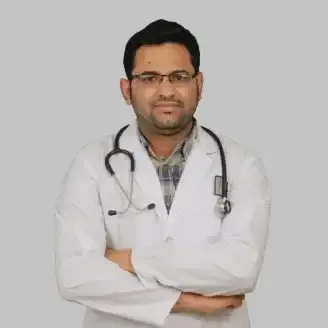
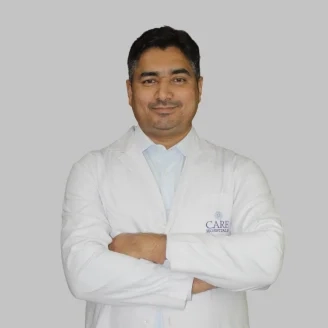
Best Microsurgical Varicocelectomy Doctors in India






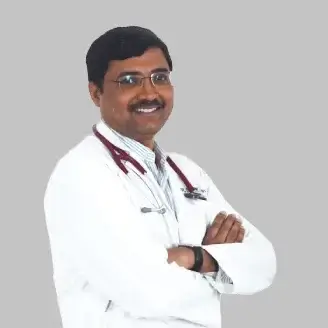


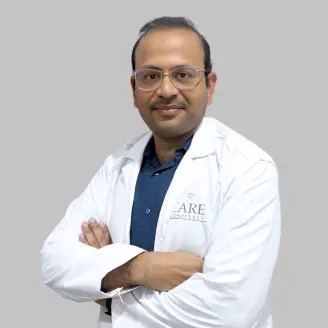
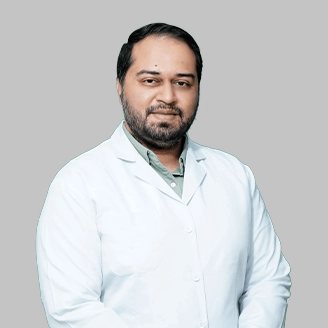





Cutting-Edge Surgical Innovations at CARE Hospitals
Advances in surgical technology have made this already precise operation even safer and more effective. They are:
- A high-powered operating microscope gives surgeons the clarity needed to distinguish the affected veins from the nearby artery and lymphatic vessels
- Intraoperative Doppler ultrasound confirms the exact location of the testicular artery during surgery, protecting it from accidental injury
- The subinguinal approach, a small incision below the groin, keeps disruption to surrounding tissue to a minimum
- Structured recovery protocols mean most patients can go home the same day as surgery.
Conditions for Microsurgical Varicocelectomy Surgery
Several situations lead doctors to recommend this procedure. They are:
- A symptomatic varicocele can produce persistent pain, aching or a heavy sensation severe enough to warrant treatment.
- When infertility is linked to abnormal semen parameters and a confirmed varicocele, surgery is often recommended as part of treatment.
- Testicular atrophy, a noticeable shrinking of the testicle on the affected side, is a recognised indication for repair.
- In adolescents a varicocele that appears to be interfering with normal testicular growth is generally treated proactively.
- Some men with low testosterone levels are found to have a varicocele, considered a contributing factor.
- Prominent or visible scrotal veins prompt patients to seek surgery for cosmetic reasons.
Types of Microsurgical Varicocelectomy Surgery Procedures
Several surgical approaches exist, though each variation uses the microsurgical technique. They are:
- The subinguinal approach, made just below the inguinal canal, is the most commonly used technique today and avoids cutting through muscle layers.
- The inguinal approach, made at the level of the inguinal canal, is a well-established alternative.
- The retroperitoneal approach targets the veins higher up in the abdomen and is used less often now that other techniques have become standard.
- Laparoscopic varicocelectomy offers a minimally invasive alternative; however, it does not use the same level of microscopic magnification.
- Robotic-assisted varicocelectomy combines small incisions with enhanced surgical precision.
Pre-Surgery Preparation
Thorough preparation supports an accurate diagnosis and a smooth surgical experience. Preparation includes:
- A physical examination and scrotal ultrasound with Doppler confirm the diagnosis and grade the severity of the varicocele.
- Semen analysis is performed when infertility is the primary reason for considering surgery.
- General blood tests confirm overall fitness for the planned anaesthesia.
- Fasting for a set period before surgery is required when general anaesthesia is used.
- Blood-thinning medications may need to be paused beforehand under medical guidance.
Microsurgical Varicocelectomy Surgical Procedure
The procedure is typically performed as outpatient surgery using general, spinal or local anaesthesia with sedation, depending on patient preference. Through a small incision usually made below the groin, the surgeon uses an operating microscope to carefully identify the enlarged veins while separating them from the testicular artery, lymphatic vessels and vas deferens. The surgeon then ties off and divides each affected vein, redirecting blood flow away from the abnormal pathway. The surgeon closes the incision with fine stitches once all affected veins have been treated. The operation usually takes one to two hours per side depending on complexity.
Post-Surgery Recovery
Recovery is generally quick, particularly given the precision of the microsurgical technique.
- Most patients go home the same day, once the effects of anaesthesia have fully worn off.
- Mild swelling, bruising or discomfort in the scrotum is common for the first several days.
- Wearing supportive underwear helps reduce swelling and improves comfort during early recovery.
- Avoid heavy lifting and strenuous exercise for one to two weeks
- A follow-up appointment checks healing progress and addresses any remaining concerns.
- When infertility was the reason for surgery, a repeat semen analysis is usually scheduled a few months later to assess improvement.
Risks and Complications
This procedure carries a lower complication rate than older surgical techniques, though some risks remain. They are:
- Minor bleeding or bruising can occur around the incision site
- Infection
- A hydrocele (a fluid collection around the testicle) develops less often with microsurgical technique
- Injury to the testicular artery (rare)
- Recurrence of the varicocele
- A small number of patients report persistent pain following surgery, though this outcome is uncommon.
Benefits of Microsurgical Varicocelectomy Surgery
This technique offers clear advantages, particularly compared with older, non-microsurgical approaches. They are:
- Pain and discomfort caused by a symptomatic varicocele are effectively relieved by this treatment.
- Semen quality often improves following surgery, supporting natural fertility or other fertility treatment.
- Recurrence rates are lower than with conventional surgical techniques.
- Complication rates, including hydrocele formation and artery injury, are reduced thanks to the precision of microscopic visualisation.
- Performed as day surgery in most cases, the procedure allows a fast return to normal activity.
- Treating a varicocele early can help prevent progressive damage to testicular tissue over time.
Insurance Assistance for Microsurgical Varicocelectomy Surgery
Most hospitals, including CARE Hospitals, have a dedicated team that can verify insurance coverage, explain pre-authorisation requirements and guide patients through the claims process. Discuss your coverage with your insurance provider before considering this surgery.
Get a Second Opinion for Microsurgical Varicocelectomy Surgery
Because fertility outcomes and personal comfort are both important considerations, seeking a second opinion is a reasonable step before proceeding, particularly when infertility is the main concern. A second consultation can offer additional reassurance and a clearer picture of the expected benefits.
Conclusion
Microsurgical varicocelectomy offers a precise, effective and low-risk way to treat a varicocele, whether the goal is relieving pain or improving fertility. Using an operating microscope allows surgeons to protect surrounding structures while directly addressing the affected veins. Understanding the diagnosis, the surgical approach and what recovery involves helps patients be well prepared for treatment.
Microsurgical Varicocelectomy Hospitals in India
-
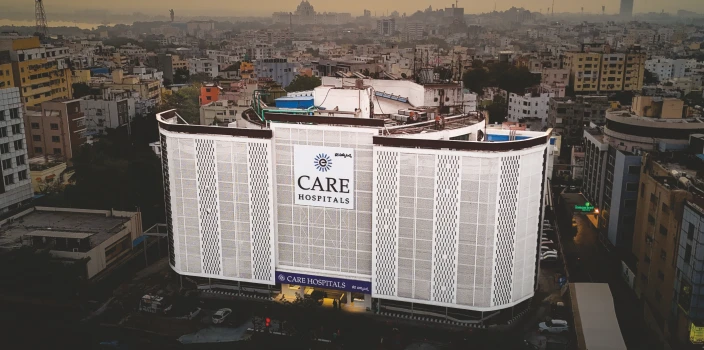
CARE Hospitals, Banjara Hills, Hyderabad
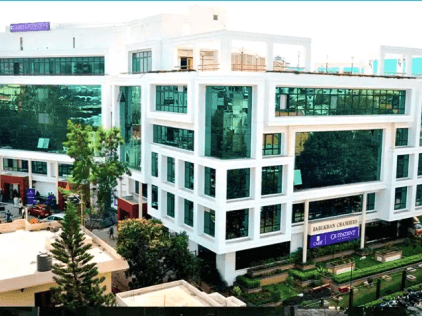
CARE Hospitals Outpatient Centre, Banjara Hills, Hyderabad
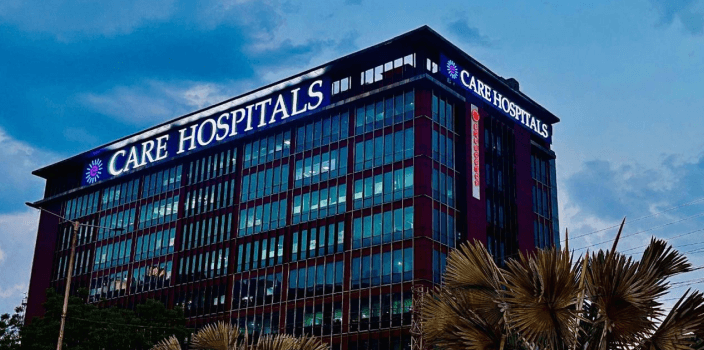
CARE Hospitals, HITEC City, Hyderabad
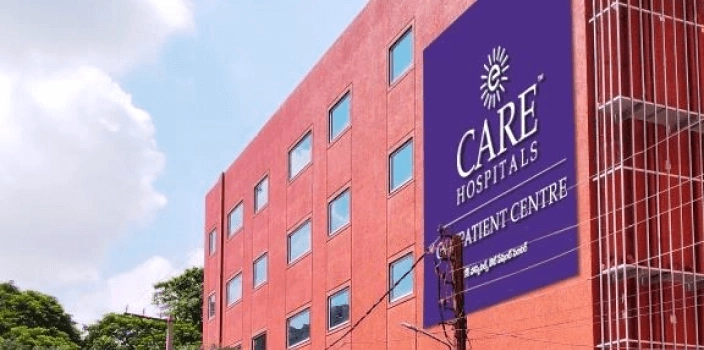
CARE Hospitals Outpatient Centre, HITEC City, Hyderabad
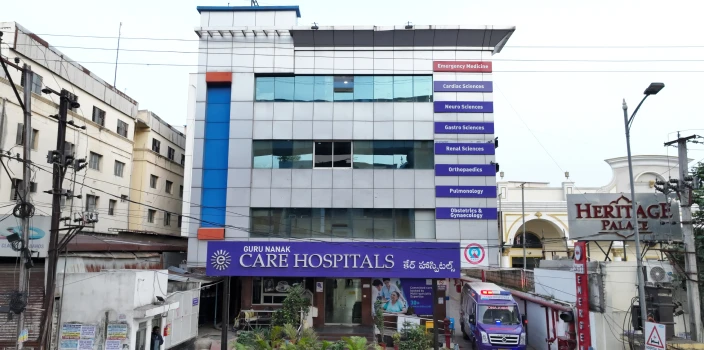
Gurunanak CARE Hospitals, Musheerabad, Hyderabad
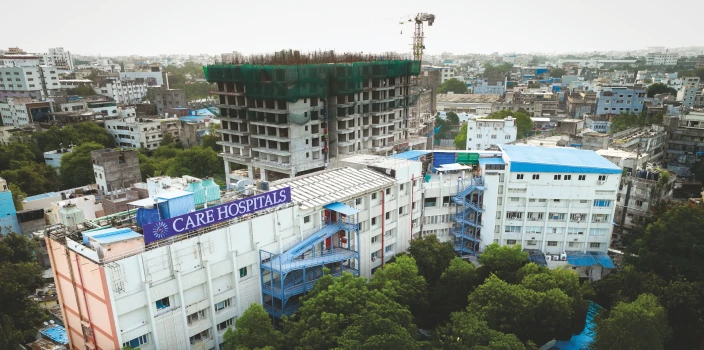
CARE Hospitals, Nampally, Hyderabad
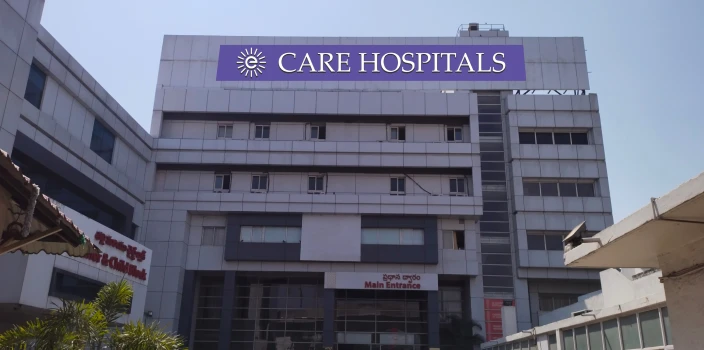
CARE Hospitals, Malakpet, Hyderabad

CARE Hospitals, Bhubaneswar
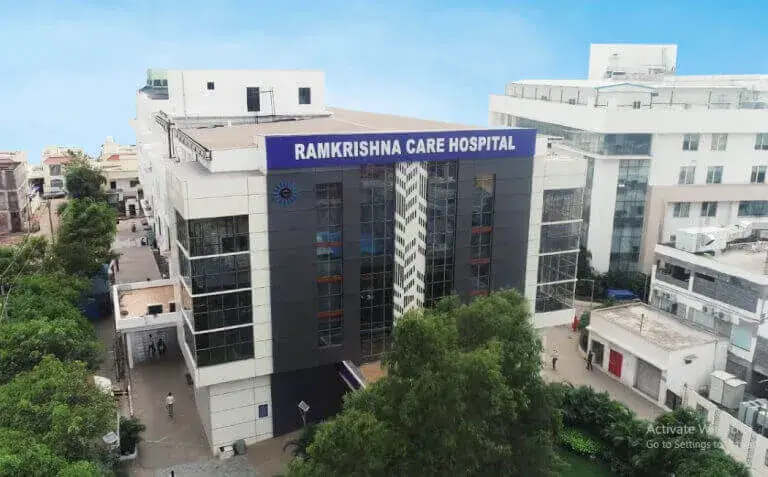
Ramkrishna CARE Hospitals, Raipur
CARE Hospitals, Ramnagar, Visakhapatnam
CARE Hospitals, Health City, Arilova
Frequently Asked Questions
Microsurgical varicocelectomy is a precise surgical technique that uses an operating microscope to correct enlarged veins within the scrotum known as a varicocele.
It is performed to relieve pain from a varicocele and to improve fertility in men with related semen abnormalities.
Men with a symptomatic varicocele, related infertility or testicular shrinkage may be recommended for this surgery.
It is recommended when a varicocele causes significant pain, affects fertility or shows signs of harming testicular function.
Mild pain is normal afterwards, though it is well managed with standard pain relief medication.
It is a relatively minor outpatient procedure. However, it requires specialised microsurgical skill to perform well.
The procedure typically takes between one and two hours per side depending on complexity.
Most patients return to normal light activity within a few days and full activity within one to two weeks.
No, many varicoceles cause no symptoms and require no treatment with surgery reserved for pain or fertility concerns.
A stent is not typically used in this procedure, as it involves tying off veins rather than supporting a drainage pathway.
Yes, many men see improved sperm count and quality following successful surgery. However, results vary by individual.
Yes, it can be safely performed in adolescents when a varicocele is affecting testicular growth.
This procedure targets a vein problem within the scrotum, so it does not affect kidney function.
Recurrence is uncommon with this technique. However, it can occasionally occur if a small vein is missed.
Microsurgical technique uses magnification to better protect the artery and lymphatic vessels, resulting in fewer complications and lower recurrence.
Still Have a Question?