
-
Centre of Excellence
Specialties
Treatments and Procedures
 HyderabadCARE Hospitals, Banjara Hills CARE Outpatient Centre, Banjara Hills CARE Hospitals, HITEC City CARE Hospitals, Nampally Gurunanak CARE Hospitals, Musheerabad CARE Hospitals Outpatient Centre, HITEC City CARE Hospitals, Malakpet
 Raipur
 Bhubaneswar
 Visakhapatnam
 Nagpur
 Indore
 Chh. Sambhajinagar
 Clinics & Medical Centers


-

-

-

-

-

-
Follow Us

Best Hospital for Acetabular Fracture Surgery in Hyderabad
- Advanced Technology
- Shorter Hospital Stay
- Pre & Post-Operative Care
- All Insurance Accepted

Chat With Our Experts
Get second opinion on Whatsapp
25 lakhs+
Happy Patients
Experienced and
skilled surgeons
17
Health Care Facilities
Top most Referral Centre
for Complex Surgeries
Advanced Acetabular Fracture Surgery
Acetabulum fracture surgery addresses one of the most challenging orthopaedic injuries. High energy trauma (like road traffic accidents) in younger patients or low-energy falls in older adults typically cause these severe injuries. Most patients require surgical intervention to restore hip function and prevent long-term complications. Patients facing this procedure need to understand the acetabular fracture classification, treatment options, and recovery expectations. This complete guide explains everything from pre-surgical preparation to post-operative care. Readers will also find information about surgical procedures, the risks and benefits, and CARE Group Hospitals' advanced treatment options in Hyderabad.
Why CARE Group Hospitals is Your Top Choice for Acetabular Fracture Surgery in Hyderabad
CARE Group Hospitals stands among Hyderabad's trusted centres for handling complex acetabular injuries. Patients here have access to experienced orthopaedic surgeons well known for their expertise in reconstructive procedures and offering decades of clinical experience in managing these challenging fractures. Their team understands that facing such an injury feels overwhelming. They prioritise patient centred care and surgical precision.
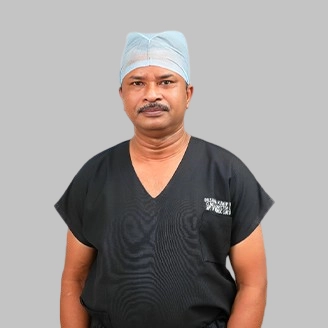
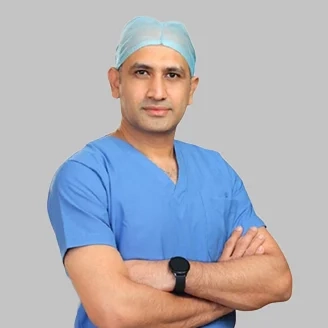
Best Acetabular Fracture Surgery Doctors in India




































Innovative Surgical Techniques at CARE Hospitals
The success of modern acetabular fracture treatment depends on advanced imaging and surgical planning.
- With Three dimensional CT imaging the surgeons can visualise fractures with exceptional clarity before entering the operating theatre.
- Computer assisted navigation systems give them accuracy during hardware placement and reduce complications.
- Minimally invasive techniques shorten hospital stays and promote faster healing.
Indications for Acetabular Fracture Surgery
Surgery becomes necessary when fractures displace more than 2mm across the articular surface. Additional indications include:
- Unstable hip joints
- Incarcerated bone fragments within the joint space
- Fractures affecting the weight-bearing dome
- If vascular injury or sciatic nerve damage develops following closed reduction.
Types of Acetabular Fracture Surgery Procedures
The following are the main types of acetabular fracture surgery:
- Open reduction internal fixation realigns displaced bone fragments using metal plates and screws
- External fixation stabilises damaged pelvises through pins and rods placed outside the skin
- Total hip replacement becomes the preferred option when reconstruction proves unlikely to succeed due to extensive damage.
Pre-surgery Preparation
Detailed imaging studies begin the preparation for acetabular fracture treatment. You need to go for CT scans with three-dimensional reconstruction so that your doctor can plan surgery. Surgeons create preoperative templating using saw bone models (allowing them to prebend plates and practice reduction techniques). Hip dislocations require reduction right away (ideally within 12 hours). Doctors might use skeletal traction to provide pain relief while awaiting surgery.
Acetabular Fracture Surgical Procedure
Surgeons access fractures through various approaches. The choice depends on fracture location. The Kocher-Langenbeck approach exposes posterior column injuries, while the ilioinguinal or modified Stoppa approach addresses anterior fractures. Three-dimensional printing technology shortens surgery duration by a lot. Metal plates and screws hold realigned bone fragments in the proper position until healing occurs.
Operative time averages 3-4 hours.
Post Surgery Recovery
Recovery unfolds in distinct phases over several months.
- Touchdown weight bearing continues for eight weeks at first.
- Partial weight bearing begins around six to eight weeks and progresses to full weight bearing after three months.
- Physical therapy starts early to restore hip mobility and strengthen surrounding muscles.
Most patients regain the majority of the normal range of motion with accurate reduction. Complete healing requires six to nine months in most cases.
Risks
Complications occur in only some patients. These include:
- Deep vein thrombosis
- Nerve injuries
- Infection at the surgical site
- Post-traumatic arthritis is the most common long-term complication
- Secondary osteoarthritis in some ORIF patients
- Need for reoperation
- Development of heterotopic ossification especially in the posterior approach.
Benefits of Acetabular Fracture Surgery
Anatomical reduction provides the strongest benefit of acetabular fracture surgery. Other benefits are:
- Correcting the fracture helps relieve pain early.
- Surgery allows earlier mobilisation compared to conservative management.
- Surgery reduces the risk of long term complications (arthritis and joint deformity).
Insurance Assistance for Acetabular Fracture Surgery
Most health policies cover acetabular fracture surgery that's needed for medical reasons. Coverage has operation theatre charges, surgical implants, doctor fees, room rent, and pre- and post-surgical care. Waiting periods of 1-2 years may apply for elective orthopaedic procedures. CARE Hospitals assists with insurance claims and documentation requirements.
Second Opinion for Acetabular Fracture Surgery
Another specialist's view helps patients feel confident about treatment decisions. Second opinions prove valuable for complex fracture patterns with multiple treatment options. Most surgeons welcome second opinion requests. Patients should bring imaging studies, medical records and prepared questions to second opinion appointments.
Conclusion
Acetabular fractures need expert surgical care. Patients who receive proper treatment can expect favourable outcomes. Experienced surgeons, advanced technology and complete rehabilitation help most people regain hip function within six to nine months. Specialised centres like CARE Hospitals make a big difference in the success of recovery from a fractured acetabulum. Patients should explore second opinions and verify insurance coverage before committing to surgery.
Acetabular Fracture Surgery Hospitals in India
-
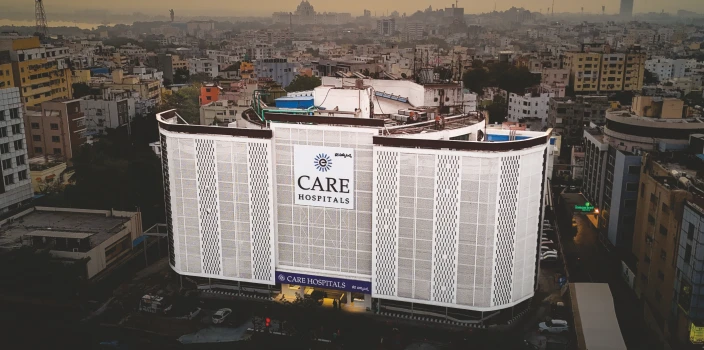
CARE Hospitals, Banjara Hills, Hyderabad
CARE Hospitals Outpatient Centre, Banjara Hills, Hyderabad
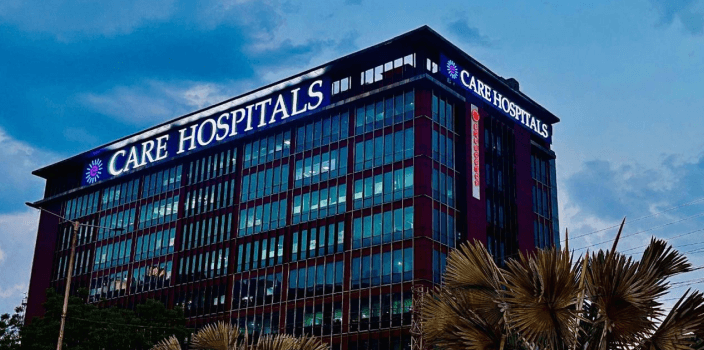
CARE Hospitals, HITEC City, Hyderabad
CARE Hospitals Outpatient Centre, HITEC City, Hyderabad
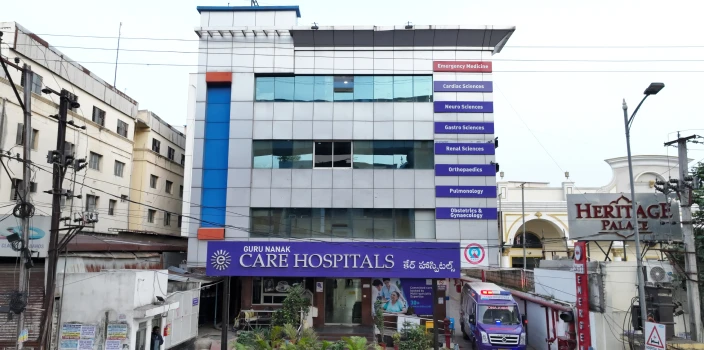
Gurunanak CARE Hospitals, Musheerabad, Hyderabad
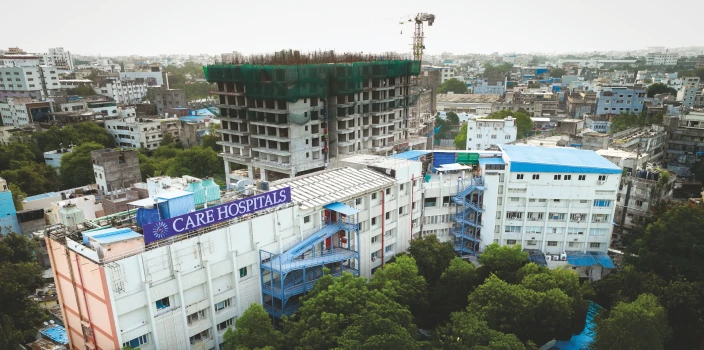
CARE Hospitals, Nampally, Hyderabad
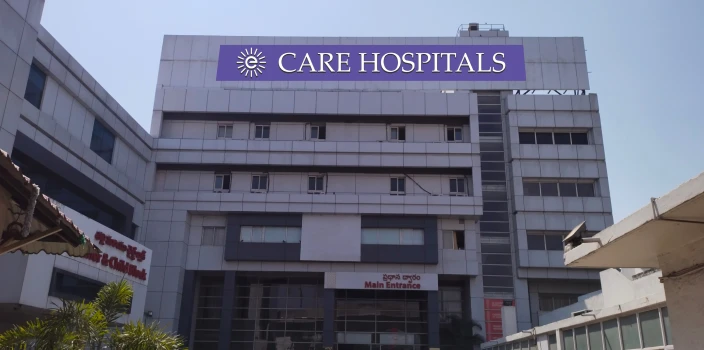
CARE Hospitals, Malakpet, Hyderabad

CARE Hospitals, Bhubaneswar

Ramkrishna CARE Hospitals, Raipur
CARE Hospitals, Ramnagar, Visakhapatnam
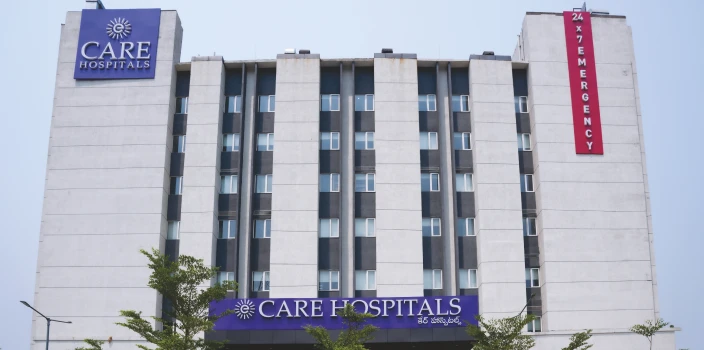
CARE Hospitals, Health City, Arilova
Frequently Asked Questions
This procedure fixes breaks in your hip socket by moving the broken bones back into place (holding them steady with metal plates and screws).
Yes acetabular fracture treatment ranks among orthopaedic surgery's most demanding procedures. Surgeons work around critical nerves and blood vessels whilst reconstructing your hip's complex anatomy.
Pain varies between patients considerably. Patients report higher pain levels on the first day, which drop significantly before hospital discharge. Your medical team will prescribe appropriate medications to manage pain.
Surgical time depends on fracture severity. Most procedures last between two and six hours. Complex patterns require additional operating time.
Complete healing requires 9-12 months. You will use crutches for several weeks at first, progress to partial weight-bearing around six to eight weeks, and achieve full weight-bearing after three to four months.
Before your surgery, your doctor will ask you to get blood tests, chest x-rays, and electrocardiograms. You should stop taking blood thinners at least two weeks before the procedure (also make sure conditions like diabetes or high blood pressure are well managed).
Surgery duration ranges from two to six hours depending on fracture complexity. Surgeons realign bone fragments through selected incisions and secure everything with plates and screws.
Pain management begins with prescribed medications right away. You will start physical therapy within days to prevent stiffness, though weight-bearing remains restricted for weeks.
Yes appointments occur at two weeks, six weeks, three months and twelve months post-surgery. Your surgeon monitors bone healing through X-rays at each visit.
Don't put full weight on your operated leg too soon. Avoid sitting longer than 30 to 45 minutes, lifting heavy objects or doing vigorous exercise before clearance.
Walking requires crutches or walkers at first. Most patients achieve independent ambulation between four and six months, though some need canes longer.
Stable, non-displaced fractures under 2mm can heal with conservative treatment. Your doctor assesses whether your specific fracture pattern permits this approach.
Still Have a Question?