
-
Centre of Excellence
Specialties
Treatments and Procedures
 HyderabadCARE Hospitals, Banjara Hills CARE Outpatient Centre, Banjara Hills CARE Hospitals, HITEC City CARE Hospitals, Nampally Gurunanak CARE Hospitals, Musheerabad CARE Hospitals Outpatient Centre, HITEC City CARE Hospitals, Malakpet
 Raipur
 Bhubaneswar
 Visakhapatnam
 Nagpur
 Indore
 Chh. Sambhajinagar
 Clinics & Medical Centers


-

-

-

-

-

-
Follow Us
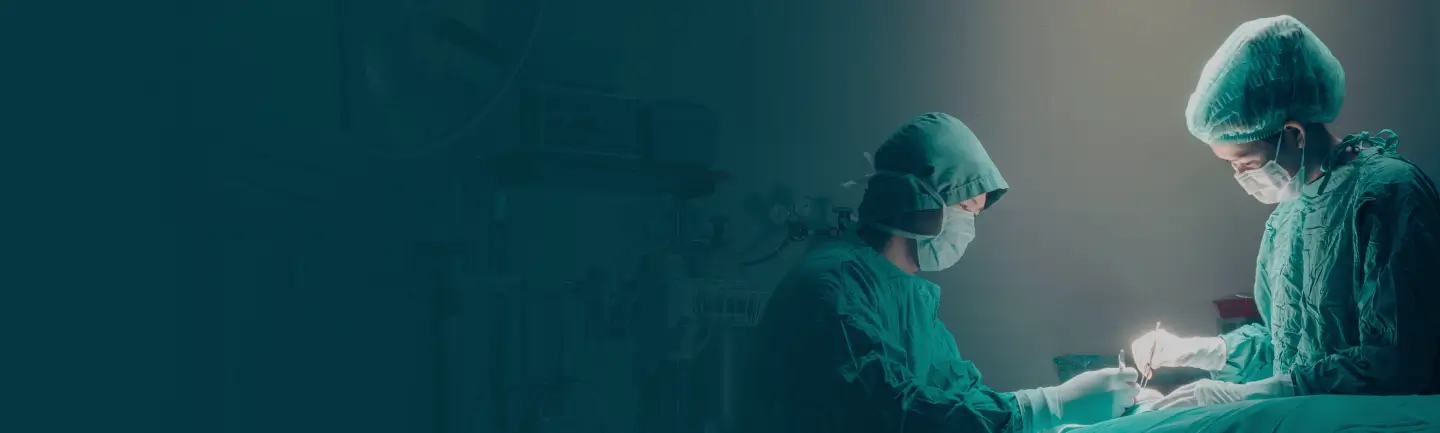
Best Hospital for Femur Fracture Fixation in Hyderabad
- Advanced Technology
- Shorter Hospital Stay
- Pre & Post-Operative Care
- All Insurance Accepted

Chat With Our Experts
Get second opinion on Whatsapp
25 lakhs+
Happy Patients
Experienced and
skilled surgeons
17
Health Care Facilities
Top most Referral Centre
for Complex Surgeries
Advanced Femur Fracture Fixation
Femur fractures are one of the most common yet serious injuries, especially with high-energy trauma or polytrauma situations. These fractures occur in a bimodal pattern: young individuals experience them through motor vehicle crashes, whilst elderly patients sustain them from lower-energy incidents. Segmental femoral fractures though rare, pose complex clinical challenges. Delays exceeding 24 hours can substantially increase complications risk like nonunion and avascular necrosis.
Most femur bone fractures whether femoral shaft fracture or femoral neck fracture require femur fracture surgery to heal properly. Femur fracture fixation treatment involves intramedullary nailing, with complete recovery taking 3 to 6 months. The right surgical facility and understanding the procedure become critical to achieve optimal outcomes.
Why CARE Group Hospitals is Your Top Choice for Femur Fracture Fixation Surgery in Hyderabad
CARE Hospitals is a trusted choice for femur fracture fixation surgery in Hyderabad. Our experienced trauma and joint specialists deliver advanced orthopaedic care. The hospital includes modern operating rooms, advanced imaging equipment, and full critical care services to handle complex fractures safely. At CARE Hospitals our multidisciplinary teams coordinate care from the emergency treatment stage through post-operative rehabilitation. The team addresses both the fracture and patient comorbidities.
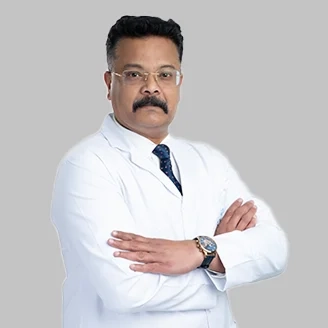
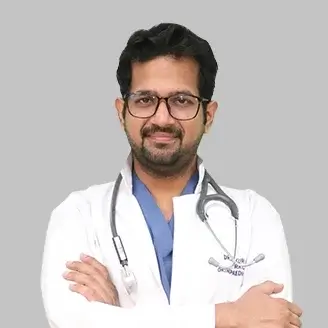
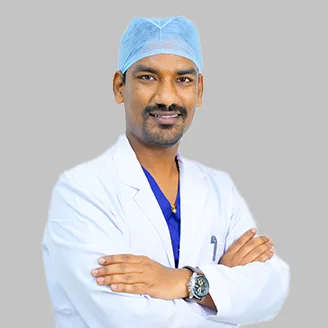
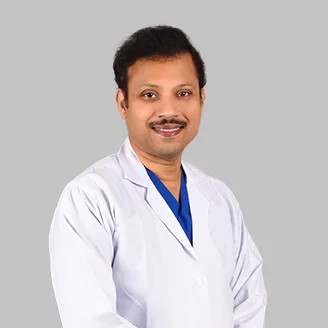
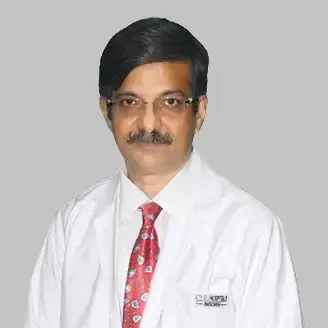
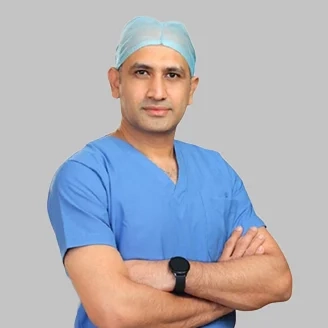
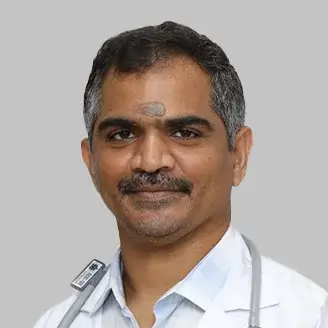
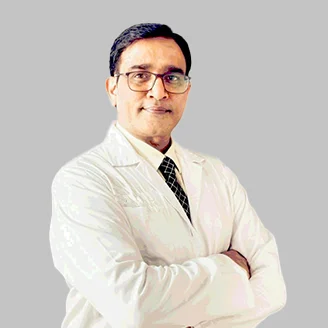
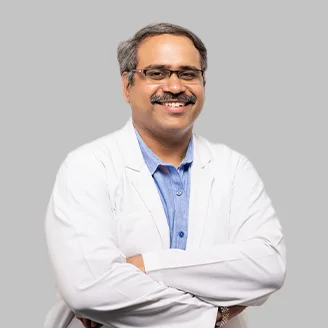
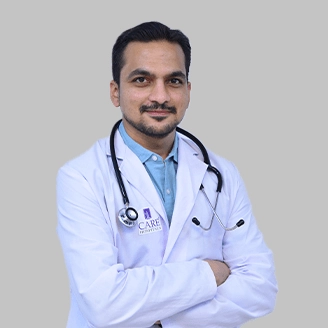
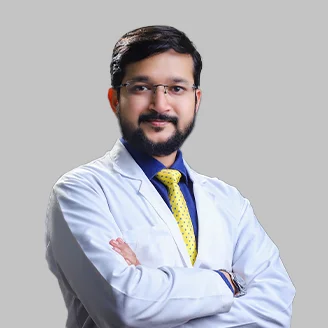
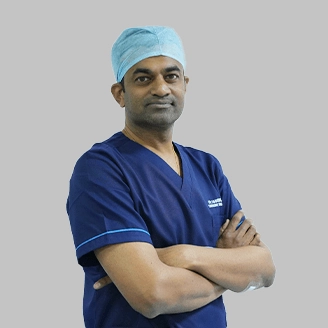
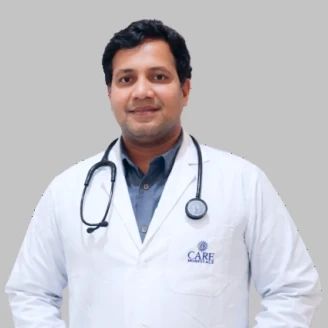
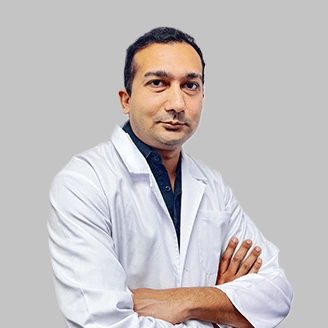
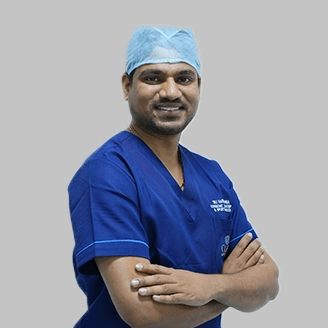
Best Femur Fracture Fixation Doctors in India






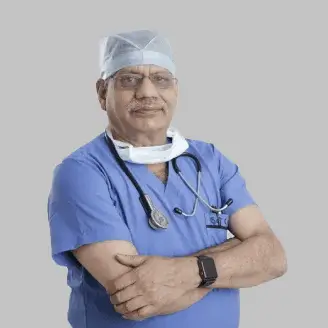
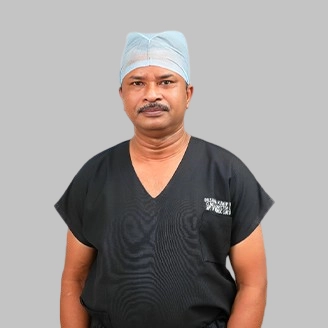



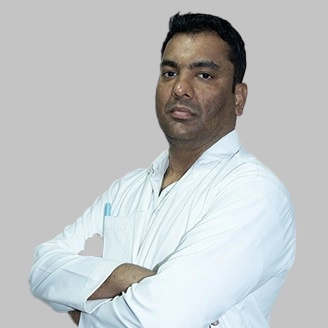
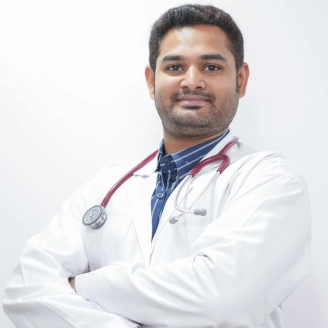


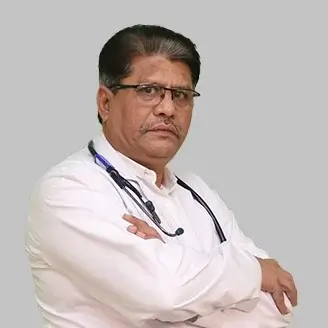
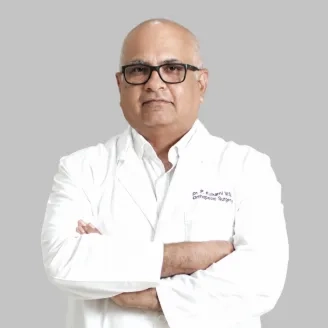
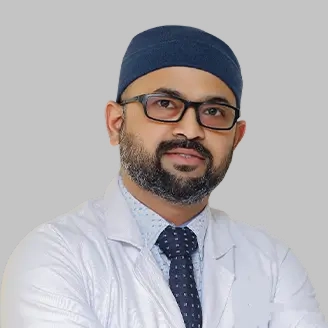
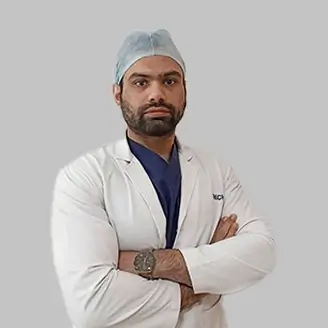




Advanced Surgical Innovations at CARE Hospital
Modern orthopaedic technology brings better accuracy to surgeries. These include:
- Robotic-assisted systems provide real-time feedback during procedures. This reduces errors and complications.
- Three-dimensional printing enables customised implants tailored to individual anatomy and ensures a better fit. It also potentially extends implant life.
- Smart implants with embedded sensors monitor joint functionality after surgery and provide detailed performance metrics.
Indications for Femur Fracture Fixation Surgery
Various fracture types require surgical fixation. These are:
- Intertrochanteric fractures
- Femoral shaft fractures
- Subtrochanteric fractures
- Distal femur fractures.
Types of Femur Fracture Fixation Surgery Procedures
Surgical options vary based on fracture location and pattern. These are:
- Intramedullary nailing is the gold standard for femoral shaft fractures and achieves higher union rates.
- Sliding hip screws are suitable for stable intertrochanteric fractures.
- Cephalomedullary nails treat unstable subtrochanteric fractures with good results.
- Locking compression plates address distal femur fractures.
Pre Surgery Preparation
Doctors review your medical history and conduct a physical examination before surgery. You will need imaging tests like X rays or CT scans. Stop taking blood thinners as directed. You must fast after midnight before the procedure. Preoperative assessments include blood tests, ECG readings and checking for recent infections.
Femur Fracture Fixation Surgical Procedure
Surgeons perform femur fracture treatment under general or regional anaesthesia. For intramedullary nailing a metal rod passes through the femur's centre and is secured with screws. ORIF involves making incisions, realigning bone fragments, and securing them with plates and screws. The procedure takes 1-2 hours.
Post Surgery Recovery
Hospital stays last 3 to 5 days. Physical therapy begins within 1-2 days after surgery. Most femoral shaft fractures heal completely in 3-6 months. Weight-bearing status depends on fracture stability some patients walk right away while others wait 4-6 weeks.
Risks
Complications of femur fracture plate fixation surgery are:
- Infection
- Blood clots
- Compartment syndrome
- Nonunion
- Fat embolism
- Nerve damage (rare).
Benefits of Femur Fracture Fixation Surgery
The main benefit of surgery is proper bone alignment for accurate healing. Other benefits are:
- Faster recovery than prolonged immobilisation.
- You can start walking early with the help of walking aids.
- Early fixation within 24 to 48 hours substantially lowers pulmonary complications.
- Lower chances of developing bone deformities & improper healing.
Insurance Assistance for Femur Fracture Fixation Surgery
Many health insurance policies cover orthopaedic surgeries including hospitalisation expenses and surgical implants. At CARE Hospitals our dedicated support team helps you with cashless claims, documentation, and coordination with major insurance providers and TPAs.
Second Opinion for Femur Fracture Fixation Surgery
Seeking another medical opinion helps understand surgical risks and benefits better. A skilled orthopaedic specialist looks at your X-rays, scans for fracture details, your health condition and suggests a surgery plan. They tell you if surgery is needed, talk through other treatment choices and explain the most suitable fixation method for your situation. Getting another opinion helps you learn about how long recovery might take, any possible risks and what to expect in the long run.
Conclusion
Femur fractures need prompt attention and expert care. Choosing a well-equipped facility with experienced surgeons makes all the difference to your recovery experience. Modern techniques like intramedullary nailing achieve excellent results. Most patients heal within six months. Before selecting a hospital, research their technology and success rates. Ask about their rehabilitation support too. With proper treatment and dedication to physiotherapy, you will regain mobility and return to normal activities sooner than you expect.
Femur Fracture Fixation Hospitals in India
-
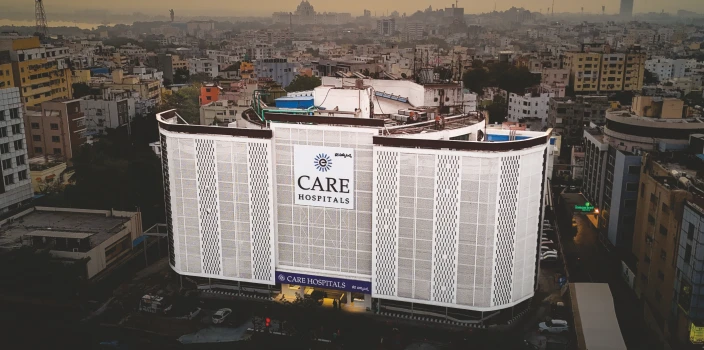
CARE Hospitals, Banjara Hills, Hyderabad
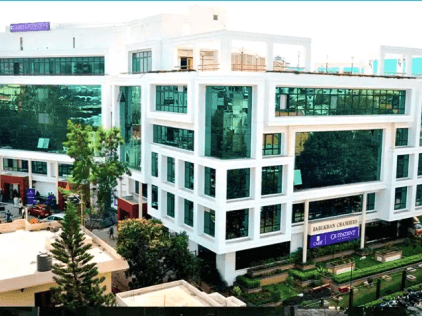
CARE Hospitals Outpatient Centre, Banjara Hills, Hyderabad
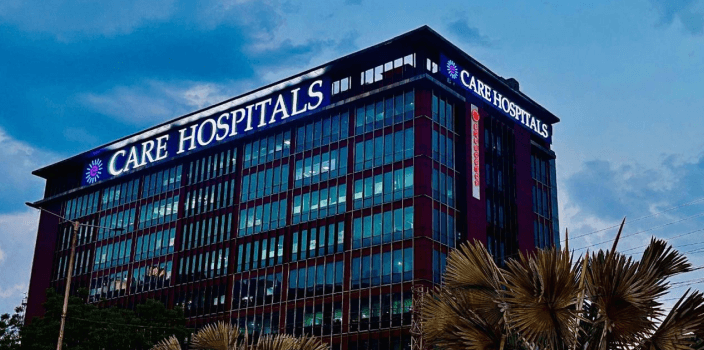
CARE Hospitals, HITEC City, Hyderabad
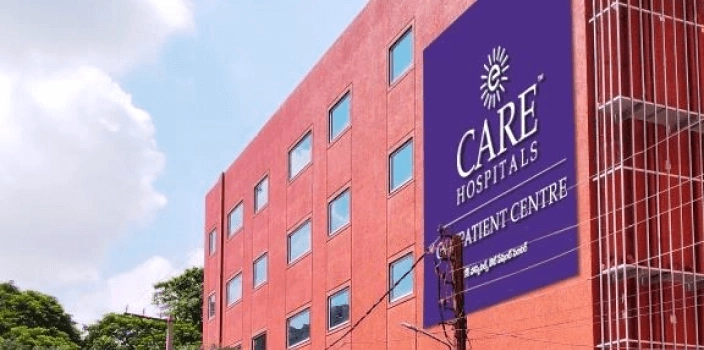
CARE Hospitals Outpatient Centre, HITEC City, Hyderabad
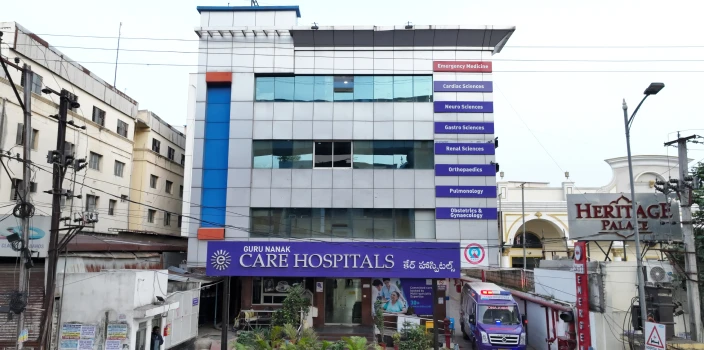
Gurunanak CARE Hospitals, Musheerabad, Hyderabad
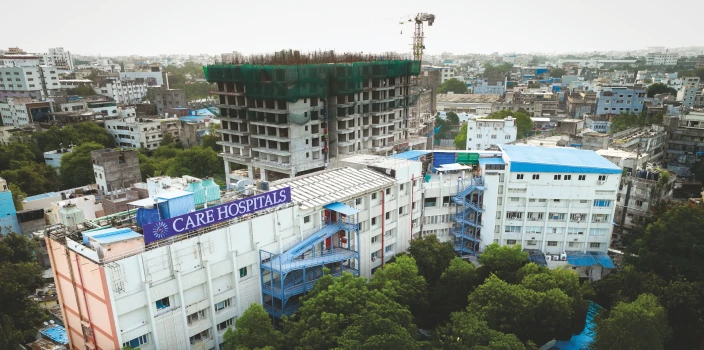
CARE Hospitals, Nampally, Hyderabad
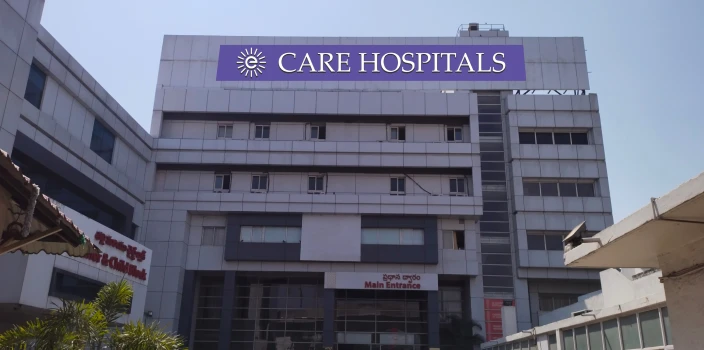
CARE Hospitals, Malakpet, Hyderabad
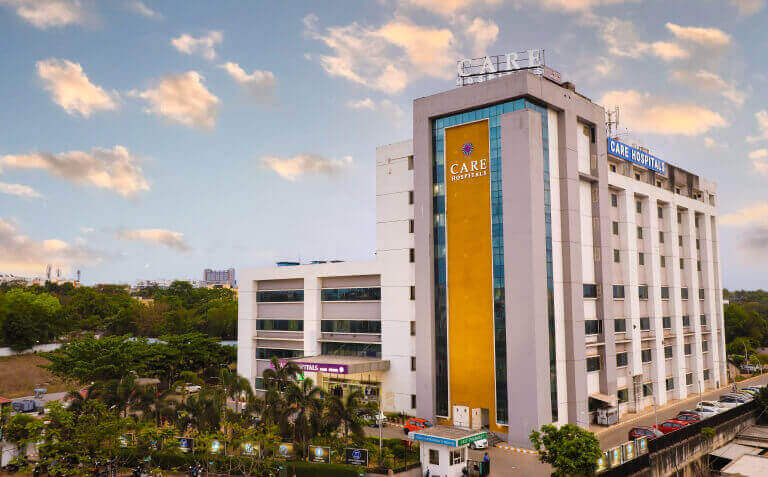
CARE Hospitals, Bhubaneswar
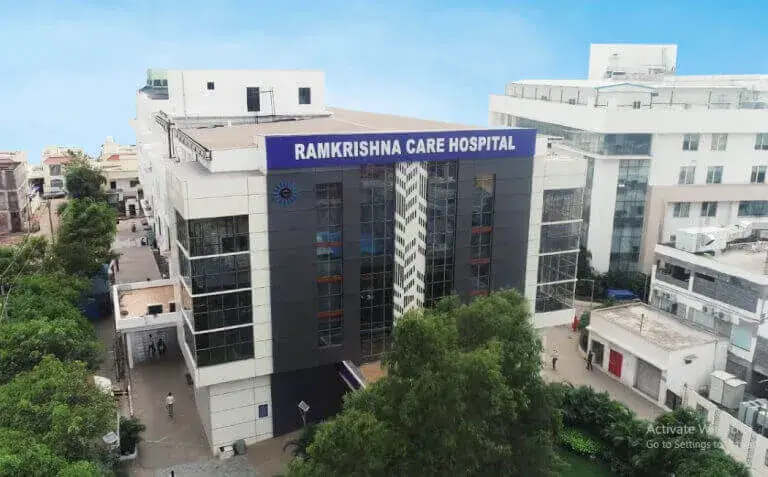
Ramkrishna CARE Hospitals, Raipur
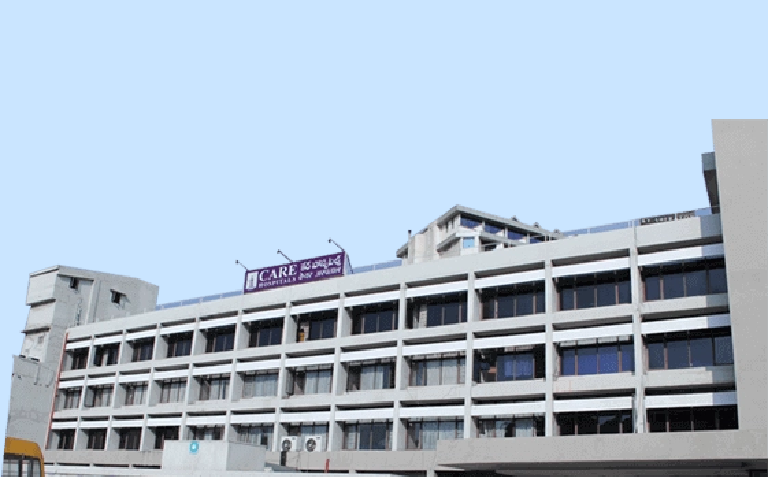
CARE Hospitals, Ramnagar, Visakhapatnam
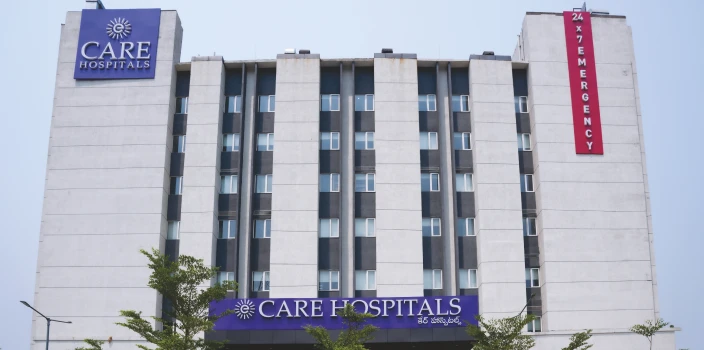
CARE Hospitals, Health City, Arilova
Frequently Asked Questions
Open reduction and internal fixation stabilise broken bones. Surgeons reposition bone fragments and secure them using metal plates, screws or rods placed inside your body. This contrasts with external fixation where hardware stays outside.
You will experience pain after surgery, especially during the first few weeks. Doctors prescribe medications to provide short-term relief. Pain improves within days in most cases, though mild discomfort may persist for up to six weeks.
Surgery duration depends on fracture complexity. Simple procedures take 1 to 2 hours. More severe injuries requiring extensive reconstruction may extend to several hours. Hip pinning procedures last 2-4 hours on average
Complications include:
- Infection
- Blood clots
- Nerve damage
- Nonunion
- Subtrochanteric fractures
- Mechanical complications.
Most femoral fractures heal in 4 to 6 months. Walking with support begins within 1-4 weeks. Full recovery may take 6-12 months (depending on fracture severity).
Stop eating after midnight before surgery. Discontinue blood thinners as directed. Arrange home assistance for the first two weeks after surgery.
You will receive general anaesthesia to sleep through the operation. Doctors monitor your heart rate and blood pressure throughout. A breathing tube may assist your breathing during the procedure. Your surgeon makes an incision through your thigh's skin and muscle, then brings your femur pieces back into proper alignment. Therefore, they secure these pieces using screws, metal plates, or a specially designed rod passing through your bone's centre. The whole operation may take a few hours.
Prepare your home beforehand to ease your recovery. Remove loose carpets and tape down electrical cords to prevent falls. Place items you use often within easy reach. Arrange for someone to help with cooking and shopping. Set up a bed low enough so your feet touch the floor when sitting.
You will see your surgeon at 2 weeks, 6 weeks, and 3 months after surgery. X-rays track bone healing progress. Stitches or staples come out within a week. Physical therapy continues either at home or in an outpatient setting, depending on your needs.
Walking returns as a goal within the first few weeks after femur fracture treatment. You will need a walker or crutches at first to build strength. Patients self-limit weight-bearing, placing half their body weight on the injured limb at one week and gradually increasing it. Most patients return to near-normal function with proper rehabilitation.
Still Have a Question?