
-
Centre of Excellence
Specialties
Treatments and Procedures
 HyderabadCARE Hospitals, Banjara Hills CARE Outpatient Centre, Banjara Hills CARE Hospitals, HITEC City CARE Hospitals, Nampally Gurunanak CARE Hospitals, Musheerabad CARE Hospitals Outpatient Centre, HITEC City CARE Hospitals, Malakpet
 Raipur
 Bhubaneswar
 Visakhapatnam
 Nagpur
 Indore
 Chh. Sambhajinagar
 Clinics & Medical Centers


-

-

-

-

-

-
Follow Us

Best Hospital for Arthroscopic Joint Surgery in Hyderabad
- Advanced Technology
- Shorter Hospital Stay
- Pre & Post-Operative Care
- All Insurance Accepted

Chat With Our Experts
Get second opinion on Whatsapp
25 lakhs+
Happy Patients
Experienced and
skilled surgeons
17
Health Care Facilities
Top most Referral Centre
for Complex Surgeries
Advanced Arthroscopic Joint Surgery
Arthroscopic joint surgery offers remarkable relief for those battling chronic joint pain. The majority of patients experience significant improvement in knee pain and function. This minimally invasive procedure has become one of the most commonly performed orthopaedic surgeries and has transformed how doctors diagnose and treat joint problems. Arthroscopic surgery, also called keyhole surgery, requires only a few small incisions compared to traditional open surgery. Patients benefit from less pain, faster healing, and a lower risk of infection. This article explains arthroscopic surgery preparation, its procedure, and what to expect during recovery.
Why Care Group Hospitals is Your Top Choice for Arthroscopic Joint Surgery in Hyderabad
CARE Hospitals excels in arthroscopic joint surgery in Hyderabad because of its proficient orthopaedic team, advanced equipment, and commitment to patient care. The hospital is equipped with state-of-the-art arthroscopy systems and cutting-edge operating rooms to diagnose and treat joint problems effectively. Our experienced team provides patients with tailored treatment plans, thorough pre-surgery evaluations, and focused recovery programs.
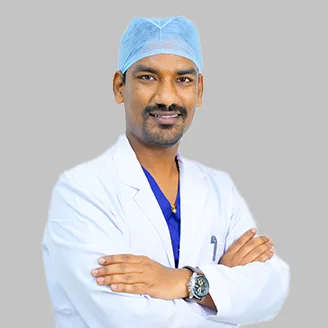
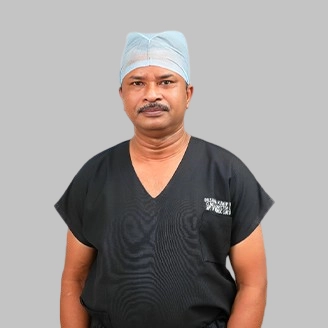
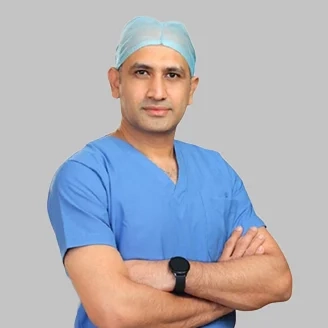
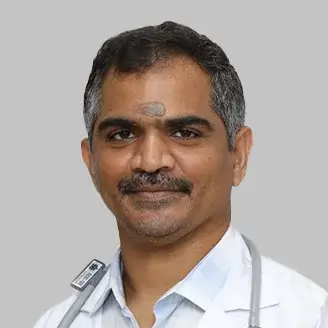
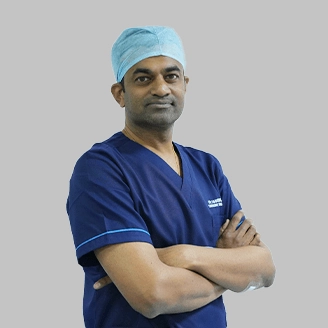
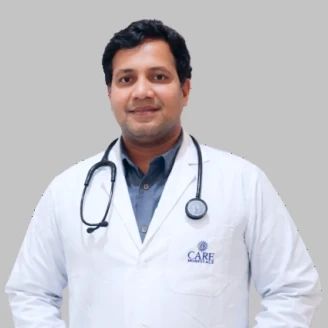
Best Arthroscopic Joint Surgery Doctors in India































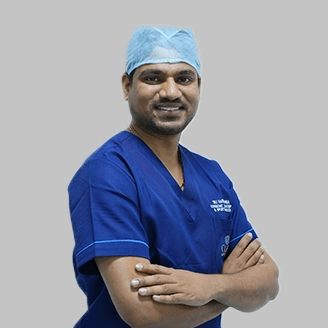
Cutting Edge Surgical Innovations at Care Hospitals
CARE Hospitals uses advanced tools and precise techniques to perform arthroscopic joint surgeries. The hospital uses high-definition arthroscopy systems that give surgeons a clear view of joint structures. This clarity helps them identify and treat ligament tears, cartilage injuries, and joint instability with great accuracy. These minimally invasive methods cause less tissue damage, leading to reduced pain and faster recovery. Advanced instruments help doctors perform intricate surgeries like ACL reconstruction, rotator cuff repairs, and meniscus operations.
Pre Surgery Preparation
You need to take several steps to prepare for arthroscopic surgery. These include:
- Your doctor may advise you to stop taking blood-thinning medicines two weeks before the procedure.
- The night before surgery, you should not eat or drink anything after midnight.
- You will need someone to drive you home since anaesthesia prevents you from driving.
- Loose clothing makes it easier to dress after the procedure.
Arthroscopic Joint Surgical Procedure
You will receive anaesthesia, often a nerve block that numbs your joint while keeping you awake or relaxed. The surgeon makes small incisions (4–6 mm) near your joint. An arthroscope with a tiny camera is inserted through one opening. Doctors inject saline fluid to expand the joint space for better visibility. Additional surgical instruments are inserted through separate incisions to repair damage. Most procedures take one to two hours.
Post Surgery Recovery
After surgery, the RICE method helps: rest, ice, compression, and elevation. Most people can walk within hours and go home within four hours. Physical therapy usually starts after the incisions heal, typically within one to two weeks. Athletes often return to activities within six to eight weeks.
Risks
Although complications are rare, some people might experience:
- Infection
- Blood clots
- Nerve damage
- Joint stiffness
- Swelling
- Deep vein thrombosis (rare)
Benefits of Arthroscopic Joint Surgery
Keyhole surgery offers smaller incisions, less scarring, reduced blood loss, and a lower risk of infection. Patients also experience decreased postoperative pain and faster recovery compared to traditional open procedures.
Insurance Assistance for Arthroscopic Joint Surgery
Most health insurance policies cover arthroscopic procedures that are medically necessary. Coverage often includes pre-hospitalisation and post-hospitalisation costs, diagnostic tests, and physiotherapy sessions.
Second Opinion for Arthroscopic Joint Surgery
A second opinion helps confirm your diagnosis and explore alternative treatments. Sometimes patients receive different recommendations during second consultations. This step increases confidence in surgical decisions.
Conclusion
Arthroscopic surgery has transformed joint treatment through its minimally invasive approach. Patients benefit from faster healing and minimal scarring. This procedure offers a reliable path towards pain-free movement and restored joint function. CARE Hospitals delivers comprehensive arthroscopic treatment with the support of skilled orthopaedic experts, advanced surgical facilities, and focused rehabilitation services. With advanced technology and skilled expertise, outcomes are more effective than ever before.
Arthroscopic Joint Surgery Hospitals in India
-

CARE Hospitals, Banjara Hills, Hyderabad
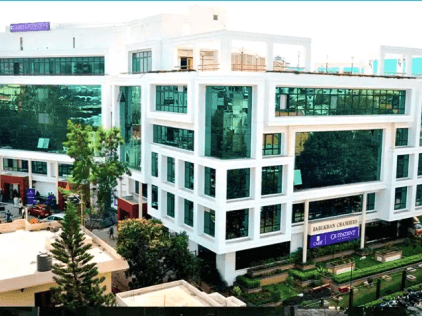
CARE Hospitals Outpatient Centre, Banjara Hills, Hyderabad
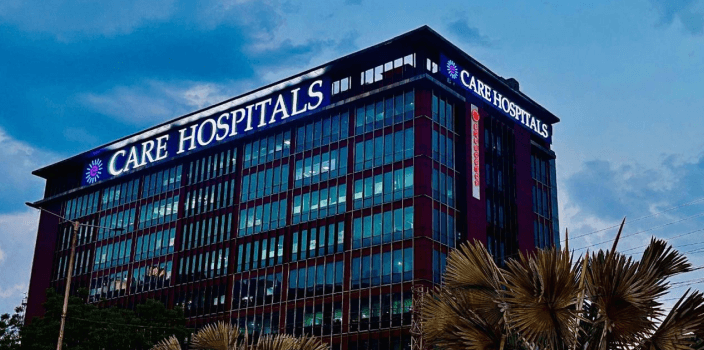
CARE Hospitals, HITEC City, Hyderabad
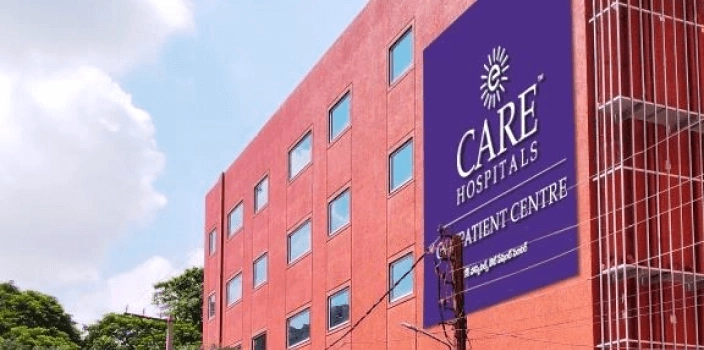
CARE Hospitals Outpatient Centre, HITEC City, Hyderabad
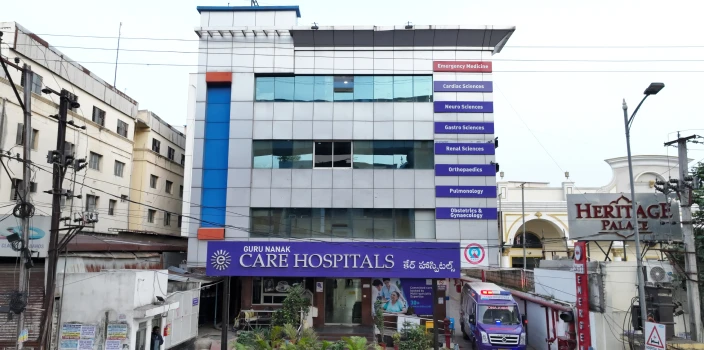
Gurunanak CARE Hospitals, Musheerabad, Hyderabad

CARE Hospitals, Nampally, Hyderabad

CARE Hospitals, Malakpet, Hyderabad

CARE Hospitals, Bhubaneswar
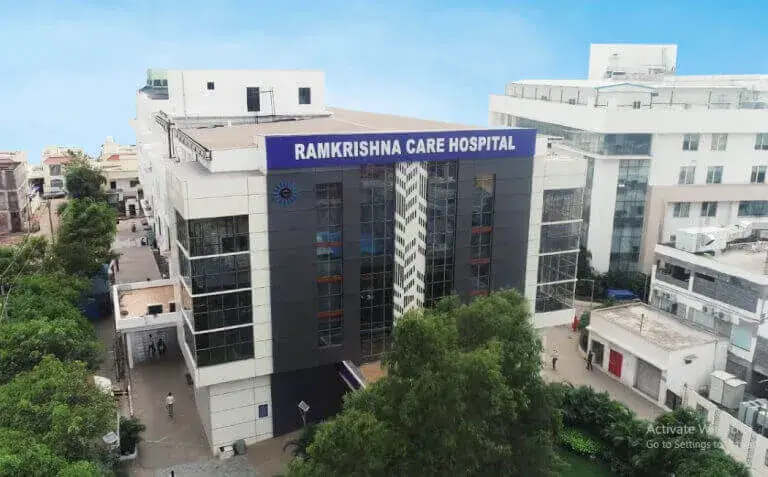
Ramkrishna CARE Hospitals, Raipur
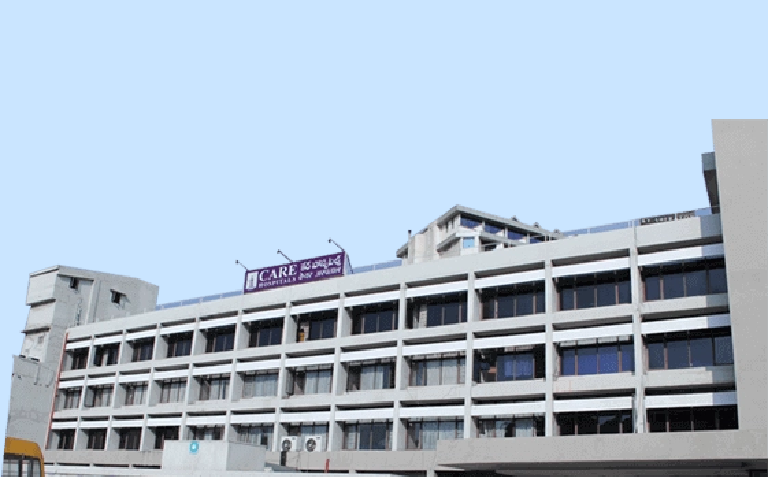
CARE Hospitals, Ramnagar, Visakhapatnam

CARE Hospitals, Health City, Arilova
Frequently Asked Questions
Arthroscopy is keyhole surgery where surgeons insert an arthroscope through small incisions to look at and repair joints. A monitor shows images that help guide the surgeon during the process.
You won't feel anything during the operation due to anaesthesia. Mild to moderate discomfort is expected for 2-4 weeks afterwards. Pain peaks within the first 8 hours post-surgery and then decreases over time. Most patients manage pain well with prescribed medications and ice therapy.
Standard arthroscopy procedures last 30 to 45 minutes. Complex repairs can extend up to two hours. You will spend an additional hour or two in recovery before heading home.
Common complications are:
- Infection
- Blood clots
- Nerve damage
- Persistent swelling
- Joint stiffness.
Incisions heal within one to two weeks. Full recovery varies: desk workers return after two weeks while those in physical jobs may need four to twelve weeks. Athletes often resume activities within six to eight weeks.
You should:
- Stop blood-thinning medications two weeks beforehand.
- Arrange transportation home and overnight assistance.
- Fast from midnight before surgery.
- Shower using antimicrobial soap on the morning of your procedure and wear comfortable, loose-fitting clothes.
You will receive a nerve block that numbs your joint. The surgeon creates tiny openings and inserts the camera. Your joint appears on a monitor. You might sense some tugging but won't feel discomfort. Staff move you to recovery after the repair. Nurses monitor your progress until you are ready to leave.
Arrange your home by removing tripping hazards like rugs. Place items you use often on the main floor so you can avoid climbing stairs. Schedule any dental work beforehand to reduce infection risk. You will need assistance with daily tasks at first.
Yes your surgeon schedules appointments around two weeks, six weeks, and three months post-operation. These visits allow monitoring of your healing progress and removal of sutures. Your rehabilitation programme gets adjusted during these visits.
Sleep on your back with pillows under your calf and ankle to raise the leg after knee procedures. Side sleeping works too, but lie on your unaffected side with cushions between your knees. Patients who have shoulder surgery should sleep at a 45-degree angle using a recliner or wedge pillow. Take pain medication an hour before bed. Apply ice for 15-20 minutes to reduce discomfort.
Still Have a Question?