
-
Centre of Excellence
Specialties
Treatments and Procedures
 HyderabadCARE Hospitals, Banjara Hills CARE Outpatient Centre, Banjara Hills CARE Hospitals, HITEC City CARE Hospitals, Nampally Gurunanak CARE Hospitals, Musheerabad CARE Hospitals Outpatient Centre, HITEC City CARE Hospitals, Malakpet
 Raipur
 Bhubaneswar
 Visakhapatnam
 Nagpur
 Indore
 Chh. Sambhajinagar
 Clinics & Medical Centers


-

-

-

-

-

-
Follow Us

Best Hospital for Above Knee Amputation Surgery in Hyderabad
- Advanced Technology
- Shorter Hospital Stay
- Pre & Post-Operative Care
- All Insurance Accepted

Chat With Our Experts
Get second opinion on Whatsapp
25 lakhs+
Happy Patients
Experienced and
skilled surgeons
17
Health Care Facilities
Top most Referral Centre
for Complex Surgeries
Advanced Above Knee Amputation Surgery
The majority of above knee amputation (transfemoral amputation) procedures occur due to peripheral vascular disease and trauma. Doctors remove the leg at different points between the knee and hip, based on how much disease, injury, or tissue damage is present. This amputation surgery affects daily life by a lot, with patients requiring more energy expenditure to walk especially if they have an amputation due to vascular compromise. This piece covers the knee amputation procedure in detail including preparation, surgical steps, recovery expectations, complications, and what the procedure entails.
Why CARE Group Hospitals is Your Top Choice for Above Knee Amputation Surgery in Hyderabad
CARE Hospitals stands as the best orthopaedic hospital in Hyderabad. Our facilities operate a 24/7 orthopaedic trauma unit with Advanced Life Support ambulance services throughout the year. Patients receive care from skilled orthopaedic specialists and spine surgeons who employ robotic-assisted procedures for superior outcomes. The hospital combines expert medical knowledge with a kind approach to help patients walk again, become self-reliant and live better lives.
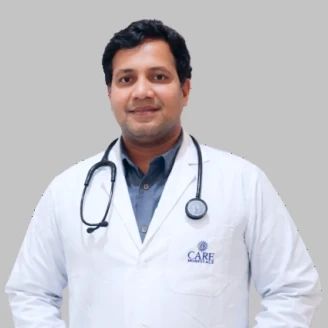
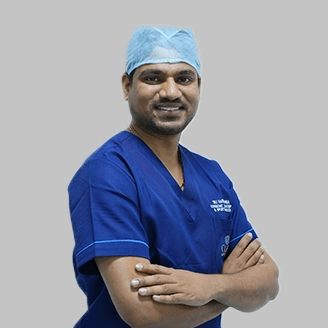
Best Above Knee Amputation Doctors in India








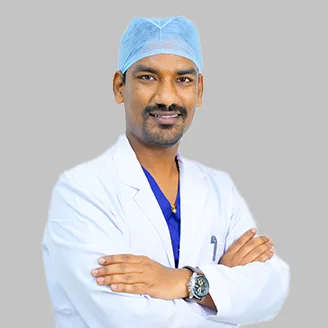
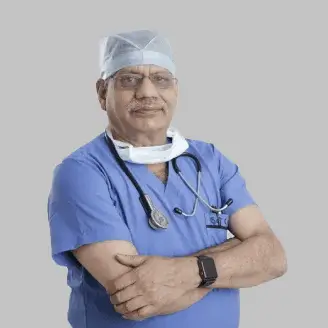
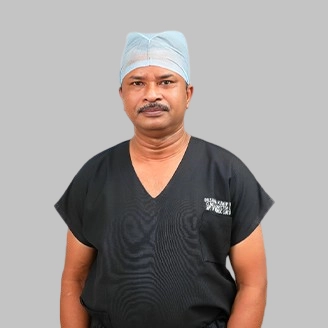




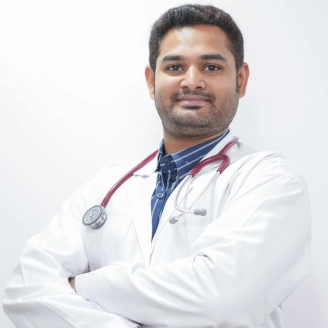




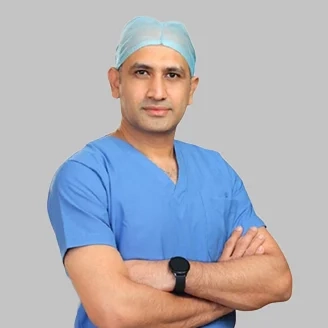
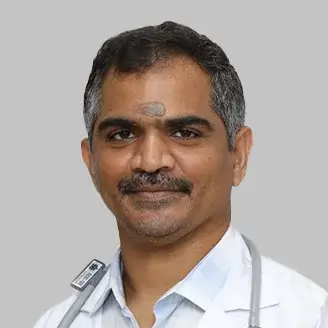
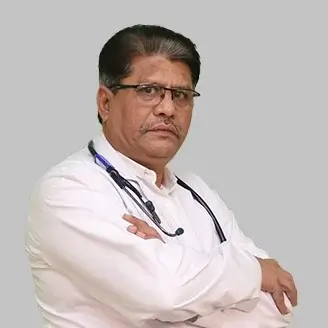










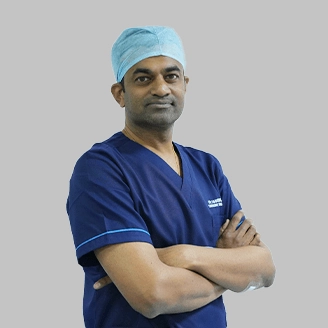


Advanced Surgical Innovations at CARE Hospitals
Amputation surgery has seen significant advances over the last several years. CARE uses state-of-the-art techniques including Targeted Muscle Reinnervation (TMR), which reduces phantom limb pain and neuroma pain by a lot. Osseointegration allows skeletal attachment of prosthetics and improves function and quality of life.
Indications for Above the Knee Amputation Surgery
Transfemoral amputation becomes necessary due to various conditions. These include:
- Peripheral vascular disease
- Traumatic injury
- Severe infections
- Diabetic complications.
Types of Above Knee Amputation Surgery Procedures
Surgeons perform standard transfemoral amputation using myodesis techniques to stabilise muscles. Knee disarticulation offers advantages including simpler surgical technique, better functional control, and direct end bearing for the residual limb. Depending on tissue viability and patient specific factors the doctor will make a decision.
Pre-surgery Preparation
Patients will have a detailed evaluation before the amputation procedure (assessment of overall health status, vascular condition, joint mobility and muscle strength). Counselling sessions prepare patients psychologically for limb loss. Physical therapists prescribe conditioning exercises to improve hip and trunk strength. Prosthetists meet patients to discuss artificial limb options and set realistic expectations (for rehabilitation outcomes).
Above Knee Amputation Surgical Procedure
Surgeons perform transfemoral amputation under general or spinal anaesthesia - marking incision sites and creating fish mouth shaped flaps. Blood vessels are identified, ligated and secured. The femur is transected smoothly at the planned level (with sharp edges filed down). Nerves are gently pulled and cut. They are allowed to retract to reduce neuroma formation. Muscles are sutured to bone through drilled holes (myodesis technique) to create a stable residual limb.
Post Surgery Recovery
Hospital stays last 5 to 14 days. Wound healing takes four to eight weeks. Compression bandages control swelling & shape the residual limb for prosthetic fitting.
Physical therapy begins within days. It focuses on gentle exercises and positioning to prevent contractures while maintaining joint mobility. Your doctor will suggest medications and positioning techniques for pain management.
Risks
Common complications are:
- Surgical site infections
- Phantom limb pain
- Wound dehiscence
- Deep vein thrombosis
- Contractures
- Cardiovascular complications
- Pneumonia
- Need for revision surgery.
Benefits of Above Knee Amputation Surgery
The surgery removes diseased tissue and prevents life-threatening infections. Pain relief occurs when chronic conditions are addressed. Patients regain mobility through prosthetic rehabilitation. Quality of life improves compared to living with a non-functional, painful limb.
Insurance Assistance for Above Knee Amputation Surgery
Many health insurance plans cover amputation surgery in India (hospitalisation, surgical procedures and post operative care). Some government schemes provide prosthetics depending on the amputation level. Verify specific policy coverage before surgery.
Second Opinion for Above Knee Amputation Surgery
Many amputations could be avoided with proper vascular care. Second opinions from limb preservation specialists may give you alternative treatment options. Vascular specialists can perform minimally invasive procedures to restore circulation. Patients should seek additional consultations before proceeding (as amputation alters life permanently).
Conclusion
Above knee amputation represents a life-changing decision that requires consideration. Patients should explore all treatment options before proceeding. CARE Hospitals offers modern surgical methods & thorough assistance during the entire process. Those undergoing this procedure can expect improved quality of life and pain relief. Proper rehabilitation restores mobility. The right medical team makes all the difference in achieving successful outcomes.
Above Knee Amputation Hospitals in India
-
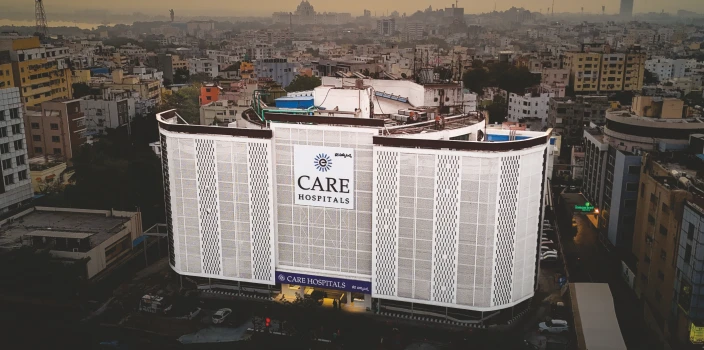
CARE Hospitals, Banjara Hills, Hyderabad
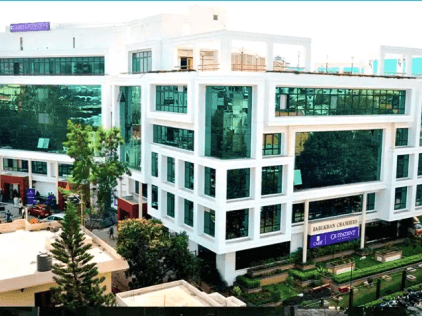
CARE Hospitals Outpatient Centre, Banjara Hills, Hyderabad

CARE Hospitals, HITEC City, Hyderabad
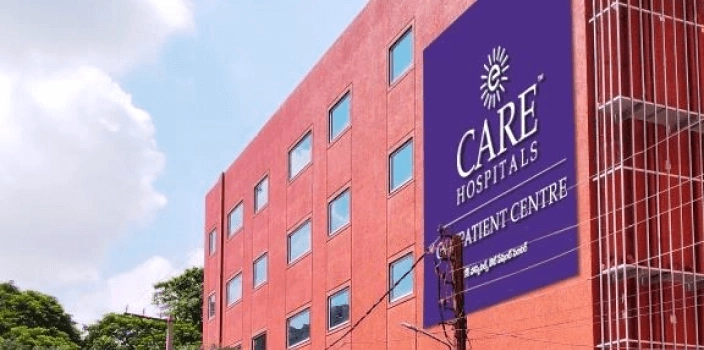
CARE Hospitals Outpatient Centre, HITEC City, Hyderabad
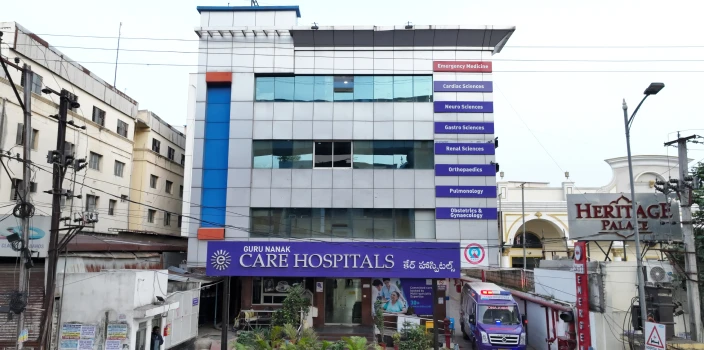
Gurunanak CARE Hospitals, Musheerabad, Hyderabad
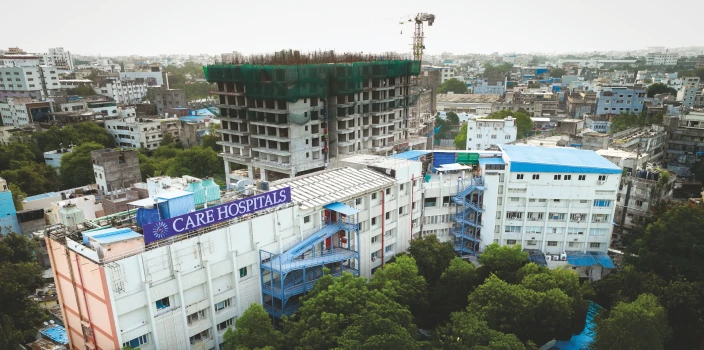
CARE Hospitals, Nampally, Hyderabad
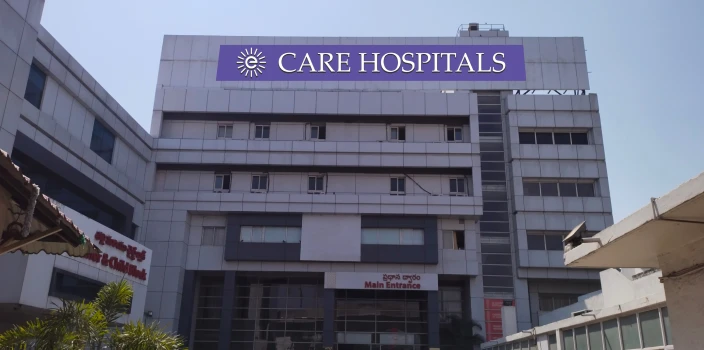
CARE Hospitals, Malakpet, Hyderabad

CARE Hospitals, Bhubaneswar
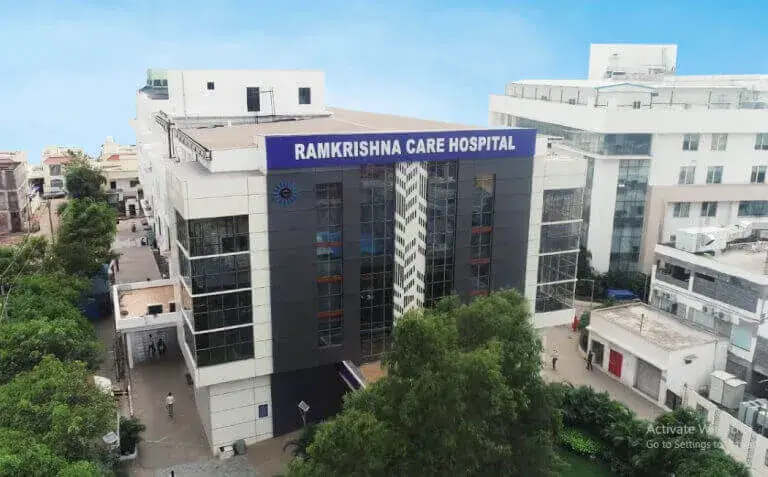
Ramkrishna CARE Hospitals, Raipur
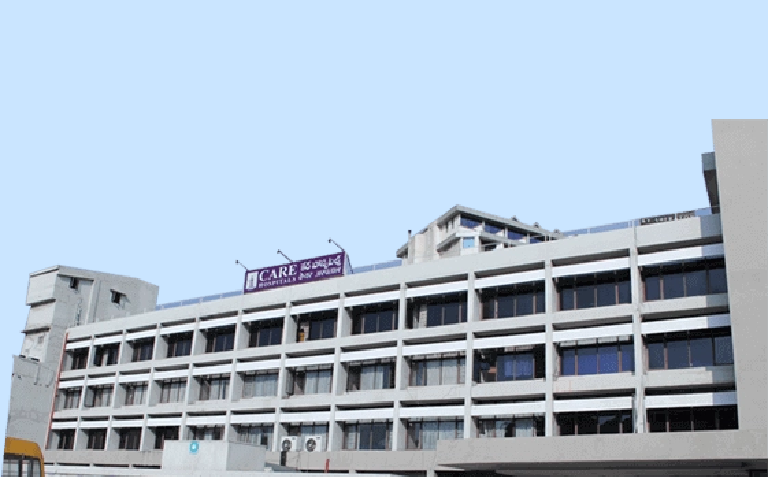
CARE Hospitals, Ramnagar, Visakhapatnam
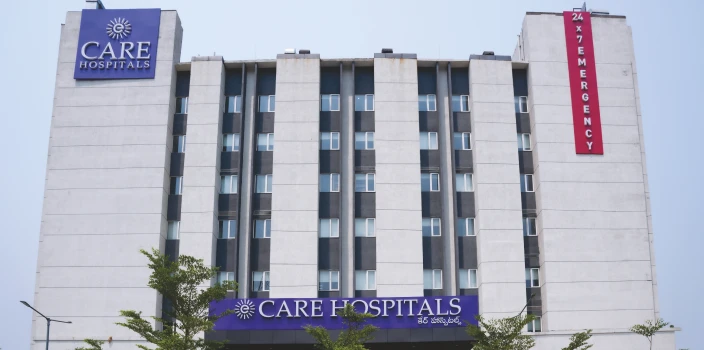
CARE Hospitals, Health City, Arilova
Frequently Asked Questions
Transfemoral amputation removes the leg above the knee joint through surgical intervention. Surgeons perform this procedure when severe injury, infection or disease threatens overall health. The operation preserves as much healthy bone, skin, blood vessel and nerve tissue as possible.
Yes this is a major surgery and requires substantial medical resources. The procedure demands careful handling of skin, blood vessels, muscles, nerves, tendons and bone. Patients face major life changes and prolonged rehabilitation afterwards.
Phantom pain affects many patients following limb removal. Residual limb discomfort also occurs. Pain management has medications and positioning techniques. Many experience phantom sensations for a year or longer.
The operation requires 90 to 120 minutes. Some procedures extend to three hours depending on patient health and surgical complexity.
Complications are:
- Wound infections
- Bleeding
- Blood clots
- Delayed healing
- Phantom limb pain
- Depression and post-traumatic stress.
- Cardiovascular issues may arise during recovery.
Wound healing occurs over 4 to 8 weeks. Full rehabilitation extends up to one year. Hospital stays last five to fourteen days. Prosthetic fitting begins once swelling decreases and the residual limb stabilises.
You will be asked to take a shower with chlorhexidine soap the night before and morning of your surgery (to reduce skin bacteria). Stop eating at midnight and avoid non clear fluids. Discuss all medicines with your doctor (especially blood thinners). You may be asked for physiotherapy to strengthen your hip and trunk.
You will receive general or spinal anaesthesia to remain comfortable and pain-free. The operation takes around 1.5 to 2 hours. Surgeons create symmetrical flaps and manage blood vessels. They perform myodesis to attach muscles to bone. The surgical team monitors your safety throughout the procedure.
Hospital stays last 3 to 7 days. Rehabilitation begins right away with gentle exercises and positioning guidance. Prosthetic fitting occurs 4 to 6 weeks post-surgery once swelling decreases. Physical therapy continues for up to one year. It focuses on strength, balance and walking training.
Regular appointments occur fortnightly or monthly at first, then progress to 3-monthly and 6-monthly check-ups. Your care team has surgeons, physiotherapists and prosthetists along with mental health experts.
Never sit for extended periods or bend your hips beyond 90 degrees. Avoid placing pillows under your thigh or between your legs. Don't soak in tubs or swim until your doctor clears you.
Still Have a Question?