
-
Centre of Excellence
Specialties
Treatments and Procedures
 HyderabadCARE Hospitals, Banjara Hills CARE Outpatient Centre, Banjara Hills CARE Hospitals, HITEC City CARE Hospitals, Nampally Gurunanak CARE Hospitals, Musheerabad CARE Hospitals Outpatient Centre, HITEC City CARE Hospitals, Malakpet
 Raipur
 Bhubaneswar
 Visakhapatnam
 Nagpur
 Indore
 Chh. Sambhajinagar
 Clinics & Medical Centers


-

-

-

-

-

-
Follow Us
Best Hospital for Arthroscopic Sports Surgery in Bhubaneswar
- Advanced Technology
- Shorter Hospital Stay
- Pre & Post-Operative Care
- All Insurance Accepted

Chat With Our Experts
Get second opinion on Whatsapp
25 lakhs+
Happy Patients
Experienced and
skilled surgeons
17
Health Care Facilities
Top most Referral Centre
for Complex Surgeries
Advanced Arthroscopic Sports Surgery in Bhubaneswar
Arthroscopic sports surgery is a minimally invasive operative technique in which a fibre-optic camera or arthroscope is introduced into a joint through incisions of 5 to 8 millimetres. This enables direct visualisation, diagnosis and treatment of sports-related injuries without extensive soft tissue exposure. Structures including ligaments, tendons, menisci, cartilage surfaces, and the labrum are accessible with optical magnification unavailable in open surgery. CARE Hospitals, Bhubaneswar, established Odisha's first dedicated Sports Injury and Rehabilitation Department and manages the full clinical pathway ranging from imaging through arthroscopic surgery to criterion-based rehabilitation within a single specialist facility.
What is Arthroscopic Sports Surgery?
The arthroscope is a 4 mm telescope connected to a high definition camera projecting the joint interior at 20-fold magnification onto a surgical monitor. Two to three portal incisions accommodate the scope and operating instruments; continuous saline irrigation distends the joint and maintains a clear operative field throughout. The procedure may be diagnostic (confirming MRI findings where imaging resolution has limits) or simultaneously therapeutic, with ligament reconstruction, meniscal repair, cartilage grafting or impingement decompression carried out through the same portals. Most patients are discharged within 1-2 days.
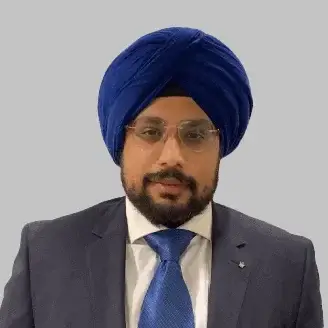
Best Arthroscopic Sports Surgery Doctor in Bhubaneswar
Reasons for Arthroscopic Sports Surgery
Arthroscopic surgery is recommended when a structured course of physiotherapy, load modification & guided injection has failed to restore adequate joint function (or when structural damage on imaging is so severe that recovery without operation not possible). Common indications:
- ACL rupture with rotational instability in patients intending to return to pivoting sports
- Bucket-handle meniscal tears producing mechanical locking or persistent effusion
- Rotator cuff tears (partial-thickness lesions refractory to rehabilitation or full thickness tears in active patients)
- Recurrent anterior shoulder dislocation with confirmed Bankart lesion
- SLAP tears in competitive overhead athletes
- Focal osteochondral defects of the knee or talar dome (those exceeding 1 to 2 cm²)
- Femoroacetabular impingement (FAI) producing acetabular labral tears
- Adhesive capsulitis with persistent stiffness beyond six months of conservative management.
Types of Arthroscopic Sports Surgery Procedures
Procedures range from brief diagnostic assessments to complex multi structure reconstructions. Principal surgical categories at CARE Hospitals Bhubaneswar are:
- ACL Reconstruction: Replaces a torn Anterior Cruciate Ligament (ACL) with a tissue graft (hamstring autograft, bone-patellar tendon-bone autograft or allograft). Tunnels drilled at anatomically mapped positions; graft fixed with interference screws or cortical button devices. Ligamentisation requires nine to twelve months.
- Meniscal Surgery: Peripheral longitudinal tears repaired with all-inside suture devices. Central avascular zone tears managed by partial meniscectomy, preserving maximum functional meniscal tissue.
- Rotator Cuff Repair: Reattaches the shoulder tendon to the greater tuberosity footprint with suture anchors in a single or double-row configuration and subacromial decompression is added where acromial morphology contributes.
- Bankart Repair: Detached anteroinferior labrum and capsule resecured to the glenoid rim with suture anchors
- Cartilage Procedures: Chondroplasty for unstable flaps; microfracture for focal defects up to 2 centimetre square; osteochondral autograft transfer (mosaicplasty) for larger lesions requiring structural hyaline cartilage fill
- Ankle and Hip Arthroscopy: Impingement decompression, labral repair, loose body retrieval and FAI correction by femoral osteoplasty and rim trimming.
Diagnostic Tests
Pre-operative workup at CARE Hospitals characterises the injury, identifies coexisting pathology and confirms fitness for anaesthesia. Standard investigations are:
- X-rays: Detects bone fractures or joint degeneration
- MRI: Detects partial-thickness ligament tears, cartilage damage, labral injuries and meniscus tears from three mm depth & chondral lesions to ICRS Grade II
- MRI arthrogram: Uses intra articular gadolinium contrast that improves labral tear sensitivity in the shoulder and hip
- Weight-bearing radiographs: Quantify joint space, alignment and identify avulsion fractures or loose ossicles
- CT scan: Detects FAI alpha angle measurement, glenoid bone loss quantification & complex bony templating
- Pre-anaesthetic blood panel: Involves full blood count, renal and liver function, coagulation screen, ECG and chest radiograph where indicated
Arthroscopic Sports Surgery Procedure
Before the Procedure:
Doctors perform:
- Pre-anaesthetic assessment is conducted seven to ten days before surgery.
- NSAIDs, aspirin, and anticoagulants are discontinued five to seven days beforehand.
- Patients fast from solids for six hours and clear fluids for two hours.
- The physiotherapy team meets the patient pre-operatively to introduce the rehabilitation programme.
- Pre-operative education is associated with reduced early post-operative pain scores and improved rehabilitation adherence.
During the Procedure
Steps are:
- Anaesthesia: General anaesthesia is standard. Regional nerve blocks for the shoulder, femoral or adductor canal block for the knee, and popliteal sciatic for the ankle are added as analgesic adjuncts.
- Portal placement & survey: Portals of five to eight mm are sited at anatomically defined positions. A systematic compartment by compartment diagnostic survey precedes all therapeutic work. Coexisting pathology identified intra operatively is addressed within the same sitting.
- Repair or reconstruction: Instruments and implants like suture anchors, interference screws, and cortical button devices are sized on the operating table. All steps are performed under continuous irrigation with the surgeon working from the monitor image.
- Closure: Each portal is closed with a single suture. A waterproof dressing is applied (the doctor may use a sling following shoulder procedures).
After the Procedure:
Cryotherapy and limb elevation commence immediately. Physiotherapy begins within 24 hours including passive range of motion exercises, muscle activation and progressive weight bearing as applicable. Return to sport clearance is determined by objective functional criteria (not calendar date alone).
Risks Associated with Arthroscopic Sports Surgery
Complication rates are substantially lower than equivalent open procedures. One can have some complications. They are:
- Superficial portal infection
- Septic arthritis
- Deep vein thrombosis
- Neurovascular injury at portal sites
- Arthrofibrosis
- ACL graft re rupture.
Recovery after Arthroscopic Sports Surgery
Rehabilitation follows three sequential phases. They are:
- Early swelling control and passive range of motion restoration
- Progressive resistance and neuromuscular re education
- Sport specific loading with return to training assessment.
Return timelines are procedure specific. Meniscal debridement and ankle impingement resection permit return to running within four to six weeks. Rotator cuff repairs restrict overhead loading for four to six months. ACL reconstruction patients are cleared for competitive pivoting sports between nine and twelve months. Rehabilitation is conducted at the CARE Hospitals physiotherapy centre, supported by a structured home exercise programme throughout.
Why Choose CARE Hospitals for Arthroscopic Sports Surgery?
CARE Hospitals, Bhubaneswar, established the first Sports Injury and Rehabilitation Department in Odisha - a facility capable of managing the complete spectrum of athletic joint injury from pre-operative workup through arthroscopic surgery to criterion-based rehabilitation within one institution. The arthroscopy unit operates with 4K high-definition imaging systems and dedicated sports operation theatres. The surgical team is specialised in ligament reconstruction (ACL), robotic surgeries, arthroscopic sports surgeries, and primary and revision joint reconstruction procedures.
Based on the pre-operative biomechanical assessment of each patient's movement patterns, limb symmetry deficits and sport-specific loading demands, our experts tailor the rehabilitation rather than apply a generic protocol. Return-to-sport clearance is granted on objective strength testing, functional performance criteria, and validated psychological readiness assessment.
Conclusion
Arthroscopic sports surgery in Bhubaneswar is transforming the way joint injuries are managed, offering precise, minimally invasive solutions with faster recovery & reduced downtime. With growing access to advanced technology and experienced specialists, patients get high standards of care tailored to their specific needs. From athletes to active individuals, timely intervention & structured rehabilitation play a big role in restoring mobility and preventing long-term complications. With a multidisciplinary approach and patient-centric care, CARE Hospitals ensures effective outcomes while minimising complications making it a trusted choice for sports injury management in the region.
Arthroscopic Sports Surgery Hospitals in India
-
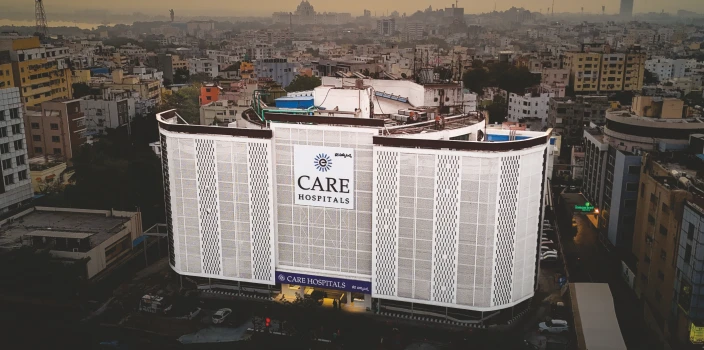
CARE Hospitals, Banjara Hills, Hyderabad
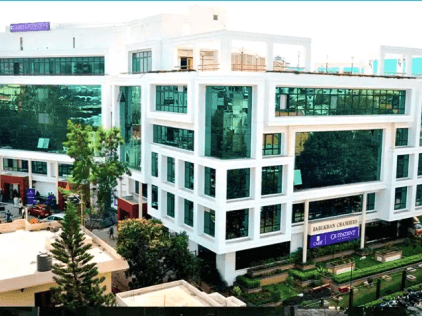
CARE Hospitals Outpatient Centre, Banjara Hills, Hyderabad
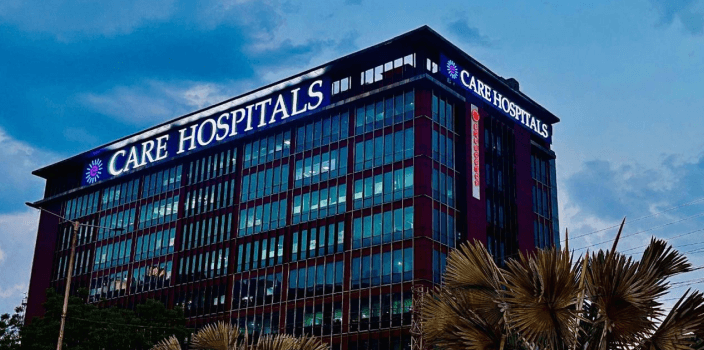
CARE Hospitals, HITEC City, Hyderabad
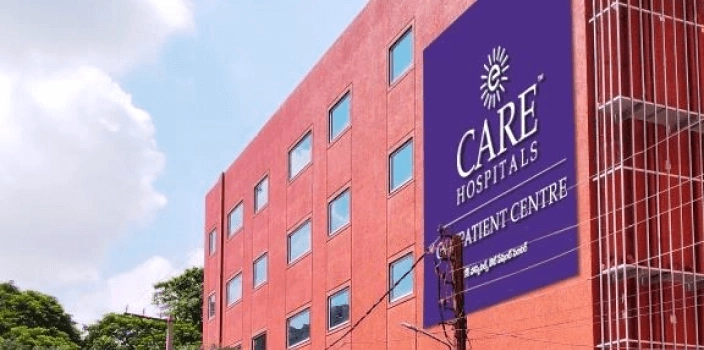
CARE Hospitals Outpatient Centre, HITEC City, Hyderabad
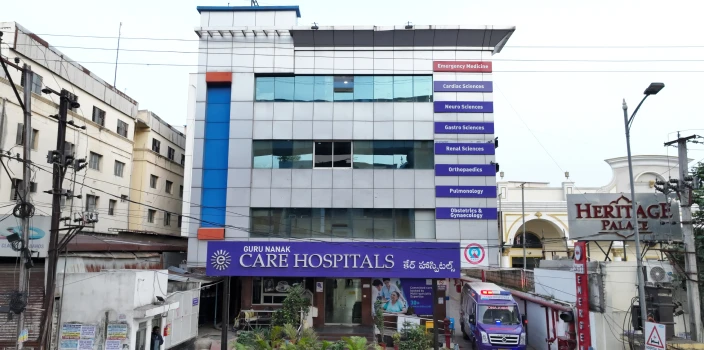
Gurunanak CARE Hospitals, Musheerabad, Hyderabad
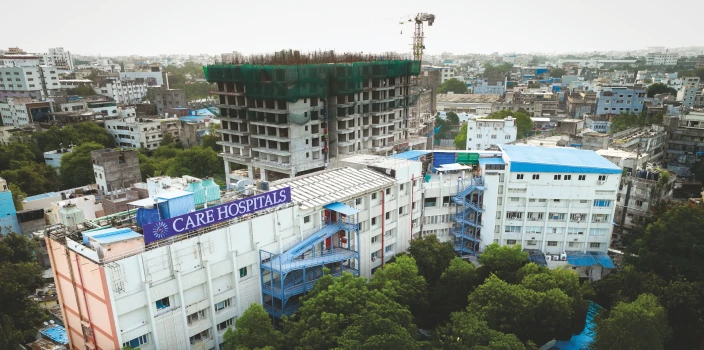
CARE Hospitals, Nampally, Hyderabad
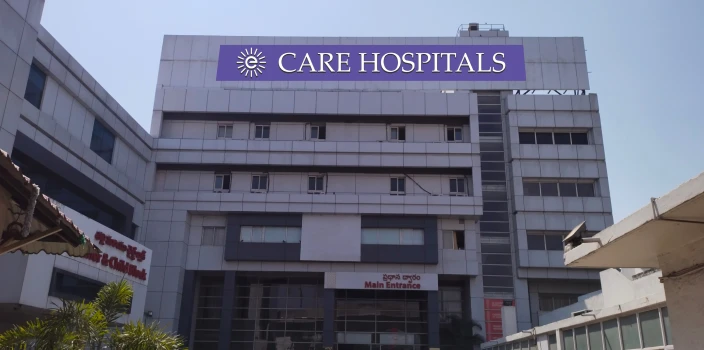
CARE Hospitals, Malakpet, Hyderabad
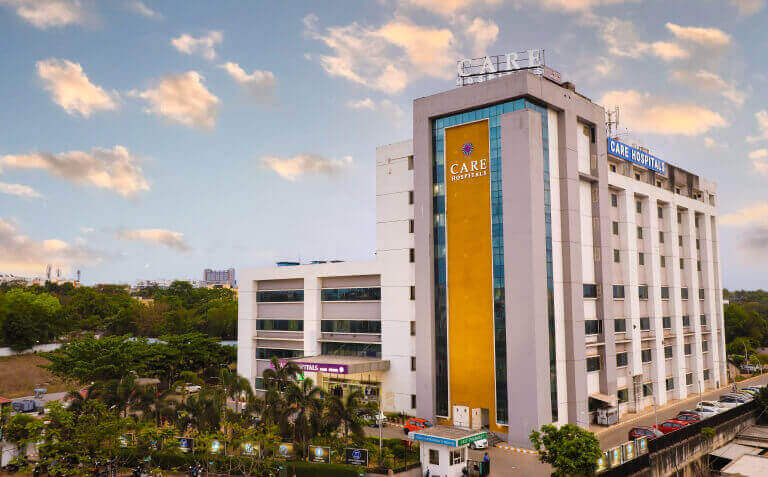
CARE Hospitals, Bhubaneswar
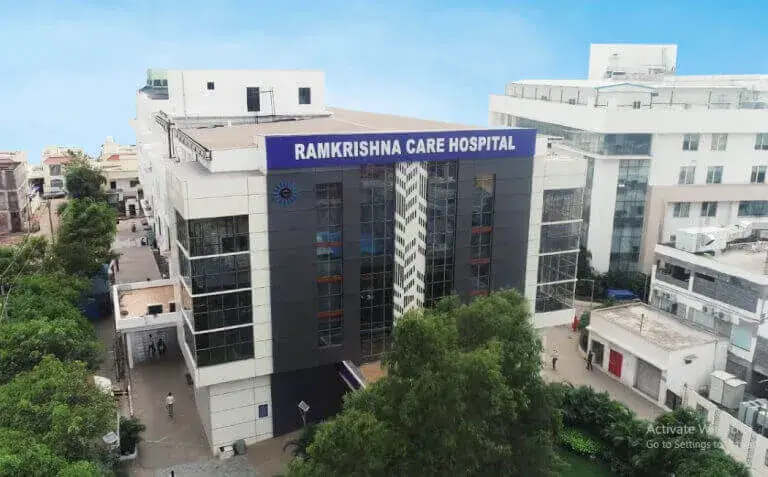
Ramkrishna CARE Hospitals, Raipur
CARE Hospitals, Ramnagar, Visakhapatnam
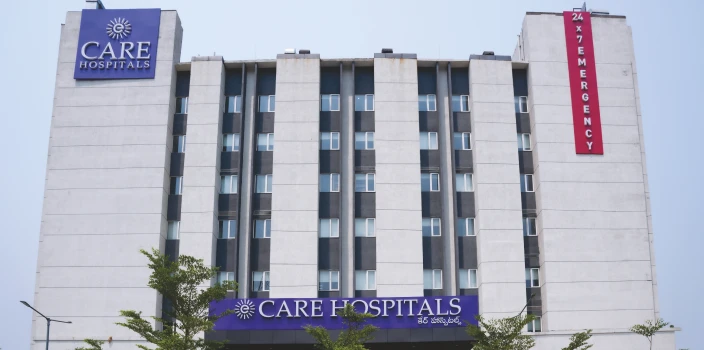
CARE Hospitals, Health City, Arilova
Frequently Asked Questions
The procedure is performed under general anaesthesia or a regional nerve block. Local anaesthetic infiltrated into the joint at closure extends analgesia through the immediate post operative period. Residual discomfort is managed with oral analgesics and cryotherapy - it is typically mild relative to equivalent open surgery given the limited soft tissue disturbance inherent in the arthroscopic technique.
Return to competitive pivoting sport is not cleared before nine months and only when the patient demonstrates a limb symmetry index exceeding 90% on isokinetic dynamometry and satisfactory functional hop test performance. Published evidence confirms that a return before nine months is associated with a twofold or greater increase in graft re-rupture risk.
Physiotherapy is an essential component of recovery from every arthroscopic procedure. The surgical repair establishes the structural substrate, and rehabilitation determines the functional outcome built upon it. Failure to complete the prescribed programme is consistently associated with an inferior range of motion, reduced periarticular strength, and prolonged disability.
Return to pre-injury sport level is achieved in 82-88% of patients in published series. Graft survival at ten years exceeds 85% in patients completing the full rehabilitation programme. Factors associated with inferior outcomes include age under 20, concomitant meniscal or cartilage injury, and premature return to pivoting sport before objective clearance criteria are met.
Meniscal debridement and diagnostic arthroscopy are completed in 30 to 45 minutes. ACL reconstruction and rotator cuff repair require 60 to 90 minutes. Multi ligament reconstructions and combined cartilage procedures may extend to two to three hours. Operative duration is discussed at the preoperative assessment once the surgical plan is confirmed.
Still Have a Question?