
-
Centre of Excellence
Specialties
Treatments and Procedures
 HyderabadCARE Hospitals, Banjara Hills CARE Outpatient Centre, Banjara Hills CARE Hospitals, HITEC City CARE Hospitals, Nampally Gurunanak CARE Hospitals, Musheerabad CARE Hospitals Outpatient Centre, HITEC City CARE Hospitals, Malakpet
 Raipur
 Bhubaneswar
 Visakhapatnam
 Nagpur
 Indore
 Chh. Sambhajinagar
 Clinics & Medical Centers


-

-

-

-

-

-
Follow Us

Best Hospital for Cervical Spine Stabilisation Surgery in Hyderabad
- Advanced Technology
- Shorter Hospital Stay
- Pre & Post-Operative Care
- All Insurance Accepted

Chat With Our Experts
Get second opinion on Whatsapp
25 lakhs+
Happy Patients
Experienced and
skilled surgeons
17
Health Care Facilities
Top most Referral Centre
for Complex Surgeries
Advanced Cervical Spine Stabilisation Surgery
Cervical cord injuries account for the majority of all spinal cord injury cases. This makes cervical spine stabilisation a critical intervention. Doctors often suggest surgery to treat issues like cervical fractures, severe degenerative disc problems, spinal deformities or spinal cord compression. The main aim is to give the spine stability, keep the spinal cord and nerves safe and ease pain or nerve related symptoms. Knowledge of the procedures and recovery process for C-spine stabilisation gives patients the ability to make informed decisions about their treatment.
In this piece, we have explained cervical spine stabilisation in detail. We cover surgical procedures, pre surgery preparation and post operative recovery. You will also learn about cervical spine stabilisation exercises and the stabilisation of cervical spine through various techniques.
Why CARE Group Hospitals is Your Top Choice for Cervical (C-spine) Spine Stabilisation Surgery in Hyderabad
CARE Hospitals brings together qualified spine surgeons who specialise in complex cervical procedures. The Department of Spine Surgery ranks among the country's leading centres. Neurosurgeons and orthopaedic specialists combine decades of experience.
The hospital's patient-focused approach addresses physical symptoms and emotional wellness throughout treatment. Their success rates in spine surgeries rank among India's highest. Many patients return to active, pain-free lives quickly.
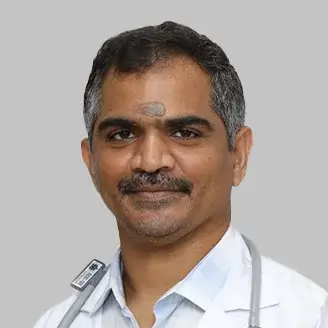
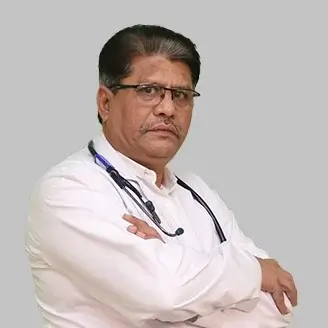
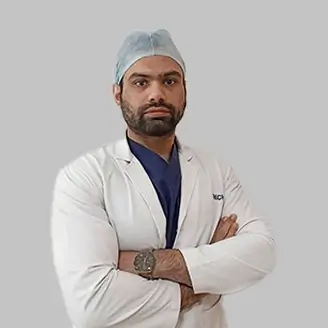
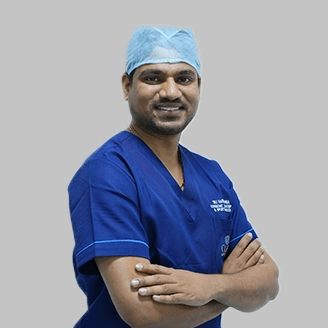
Best Cervical Spine Stabilisation Surgery Doctors in India









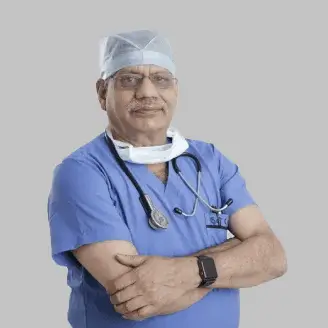
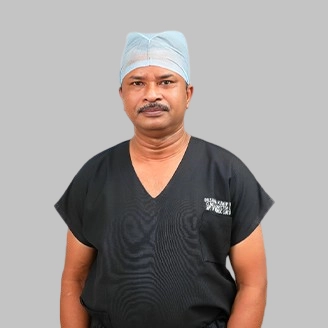





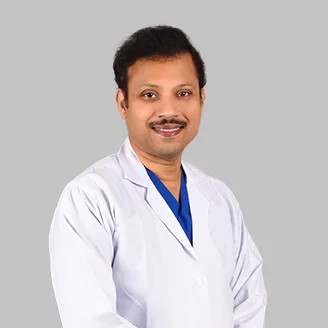



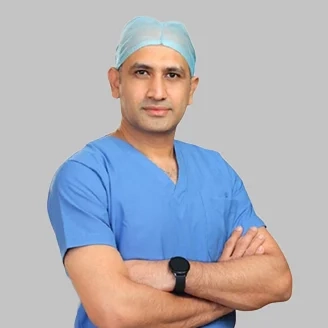













Advanced Surgical Innovations at CARE Hospitals
CARE Hospitals are known for minimally invasive techniques that accelerate the rate of recovery. With computer assisted navigation systems your doctor can perform precise surgical planning and execution. Intraoperative neuromonitoring safeguards nerve integrity during operations.
The facility pioneered 3rd generation spinal implants in India. They have advanced bone grafting materials with improved pain management protocols to boost your comfort after surgery post operative comfort.
Indications for Cervical Spine Stabilisation Surgery
Doctors recommend cervical spine stabilisation for:
- Cervical spondylotic myelopathy
- Herniated discs causing nerve compression
- Spinal tumours causing cord compression
- Traumatic spinal injuries with neurological deficits.
Types of Cervical Spine Stabilisation Surgery Procedures
The following are different types of C spine stabilisation surgery:
- Anterior cervical discectomy and fusion: Removes damaged cervical discs and fuses vertebrae.
- Laminectomy: Reduces pressure by removing the lamina.
- Microdiscectomy: Offers minimally invasive removal of herniated disc material.
- Foraminotomy: Enlarges the neural foramen.
- Posterior cervical laminoplasty: Creates additional space for the spinal cord.
Pre-surgery Preparation
Your body needs preparation weeks before the operation. These include:
- Doctors conduct pre-surgery medical checkups, blood tests and cardiac clearance assessments.
- Blood-thinning medications must stop 7-14 days beforehand to prevent excessive bleeding.
- Nicotine cessation becomes non-negotiable. Smoking causes fusion failure in many cases.
- You must fast after midnight. This will give anaesthesia safety.
Cervical (C-spine) Spine Stabilisation Surgical Procedure
Steps involve:
- The surgical team will induce general anaesthesia so that you remain comfortable during surgery.
- Surgeons access the spine through anterior (front of neck) or posterior (back of neck) approaches.
- Surgeons remove the damaged disc, and bone graft placement between the vertebrae follows.
- Metal plates, screws or rods stabilise the fusion site. These hardware components hold bones together while natural healing occurs over subsequent months.
Surgery duration ranges from 2 to 4 hours.
Post Surgery Recovery
Hospital stays typically last 1-3 days. You can walk within 24 hours post surgery under supervision. Pain management combines prescribed medicines with ice therapy. Anything heavier than 2-4 kilograms should not be lifted for 4-6 weeks. Physical therapy usually starts 4-6 weeks after surgery and focuses on neck muscle strengthening. Complete bone fusion takes 3-12 months.
Risks
Common complications are:
- Dysphagia
- Infection at the surgical site
- Pseudoarthrosis
- Hardware failure
- Nerve damage (rare) can cause persistent symptoms.
- C5 nerve palsy is also a common complication.
Benefits of Cervical Spine Stabilisation Surgery
Benefits include:
- The majority of patients experience quality of life improvements.
- Many people get pain relief almost immediately.
- Improved spinal stability that prevents further neurological deterioration.
- Restored neck mobility allows return to activities.
- Long-term symptom management often extends for years following successful fusion.
Insurance Assistance for C-spine surgery
Most health insurance policies cover medically necessary cervical spine stabilisation. Pre-authorisation from insurers becomes mandatory before you proceed. In network hospitals offer better coverage with lower out of pocket costs. You will be generally covered for hospitalisation expenses, surgical costs and post operative care.
Second Opinion for Cervical Spine Stabilisation Surgery
Additional expert opinions help confirm the accuracy of the diagnosis. Second opinions provide peace of mind and may reveal alternative treatment approaches. Patients learn through multiple doctors' points of view before making final decisions.
Conclusion
Cervical spine stabilisation offers genuine hope to patients facing debilitating neck conditions. Most individuals regain their quality of life with proper preparation, skilled surgical teams and dedicated rehabilitation. Choosing the right medical facility matters as much. CARE Hospitals have experienced surgeons and innovative technology to provide the best treatment plan and quick recovery. Patients should research really well. Understanding both benefits and risks is crucial. This knowledge allows them to approach treatment confidently and work towards a pain-free future.
Cervical Spine Stabilisation Surgery Hospitals in India
-
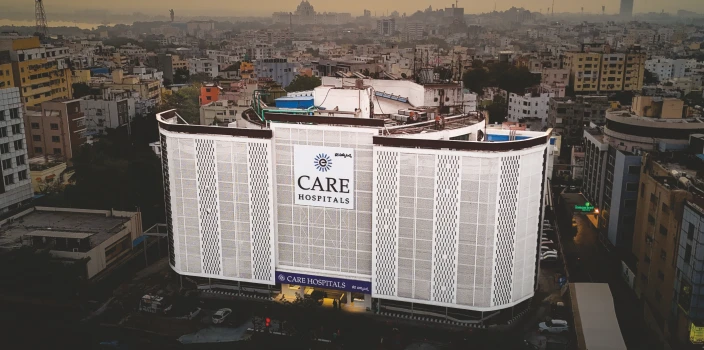
CARE Hospitals, Banjara Hills, Hyderabad
CARE Hospitals Outpatient Centre, Banjara Hills, Hyderabad
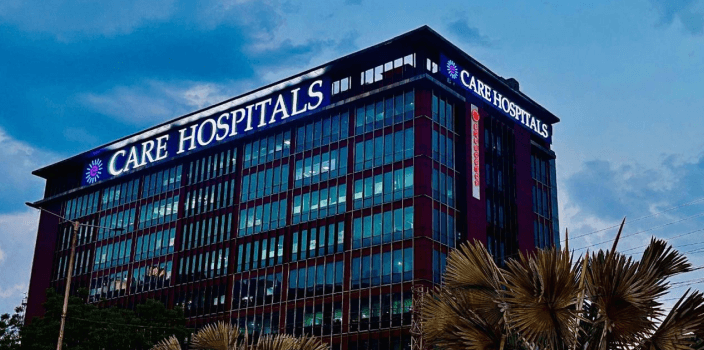
CARE Hospitals, HITEC City, Hyderabad
CARE Hospitals Outpatient Centre, HITEC City, Hyderabad
Gurunanak CARE Hospitals, Musheerabad, Hyderabad
CARE Hospitals, Nampally, Hyderabad
CARE Hospitals, Malakpet, Hyderabad
CARE Hospitals, Bhubaneswar
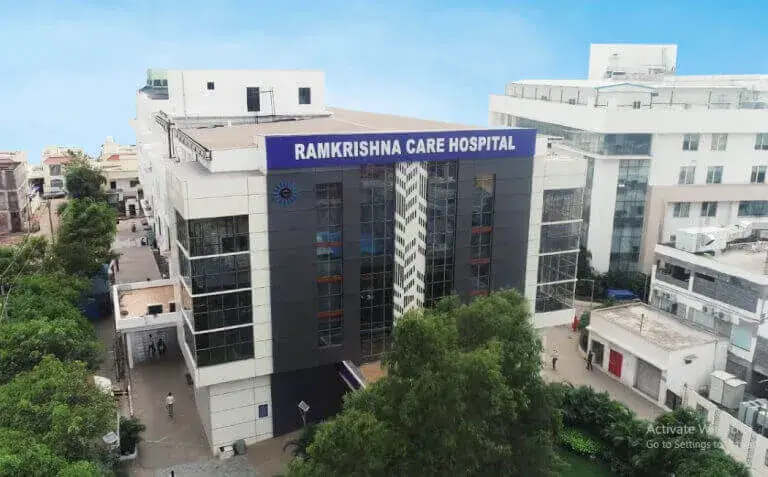
Ramkrishna CARE Hospitals, Raipur
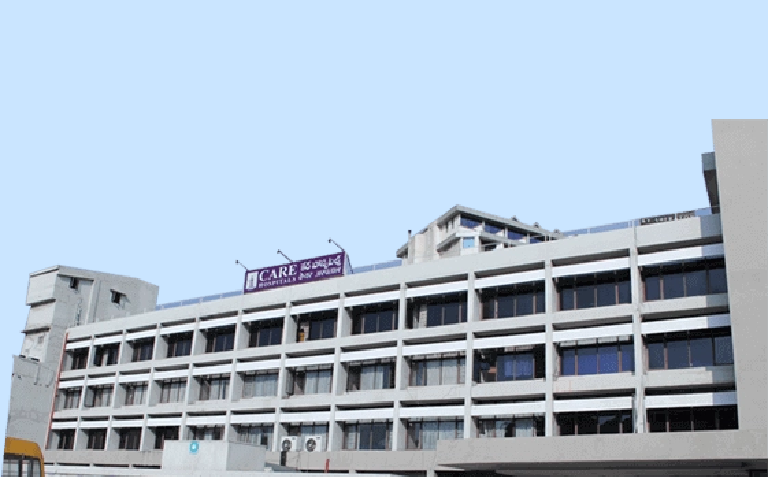
CARE Hospitals, Ramnagar, Visakhapatnam
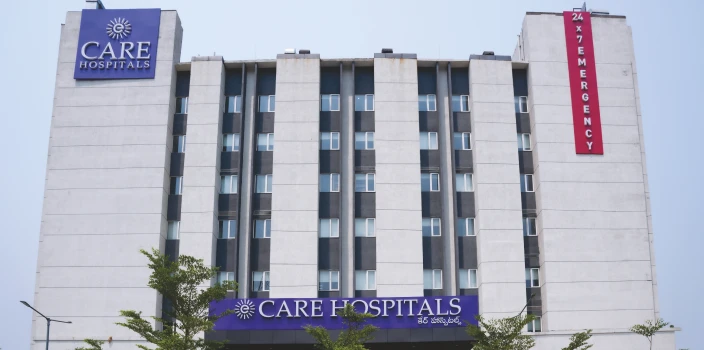
CARE Hospitals, Health City, Arilova
Frequently Asked Questions
Cervical spine stabilisation rebuilds your neck's foundation. Surgeons use metal plates and screws to hold vertebrae together while your bones fuse into one solid unit. The procedure addresses spinal instability caused by injuries, infections, or degenerative conditions like arthritis and herniated discs.
Yes cervical spine stabilisation qualifies as major surgery. But the procedure maintains high safety standards with good outcomes for most people. Patients return home within 1-2 days.
Pain levels vary among individuals. Expect moderate discomfort during the first few days. Peak pain occurs within 1 to 3 days post surgery and then decreases gradually over 2 to 6 weeks (as swelling subsides and muscles heal). Some aching and tightness may persist up to 6 months.
Surgery duration ranges from 2 to 4 hours. The specific timeframe depends on your condition's complexity and the number of vertebrae requiring treatment.
Some complications may happen. They are:
- Difficulty swallowing.
- Bleeding.
- Infection
- Blood clots
- Anaesthesia reactions
- Nerve damage may cause arm weakness or voice changes
- Spinal cord injury risk.
Recovery unfolds in distinct phases. Early recovery spans 2-6 weeks, during which mobility returns in stages. Bones begin fusing between 6-12 weeks as intermediate healing occurs. Complete fusion requires 3-12 months, though most patients resume desk work around 6-8 weeks. Physical labour may require 12-16 weeks before returning.
Stop blood thinners and anti-inflammatory medications one week beforehand. You must fast after midnight to prevent anaesthesia complications. Shower with antibacterial soap the evening before surgery. Arrange for someone to assist you during the original recovery days.
You will receive general anaesthesia and remain unconscious throughout. Surgeons make a small incision, remove damaged discs, insert bone grafts & secure metal plates with screws. The process lasts 2 to 4 hours.
Nurses monitor your vital signs closely as anaesthesia wears off. Walking begins within 24 hours under supervision. Pain medications control discomfort during the initial days. Most patients leave the hospital after 1-3 days.
Yes follow-up appointments occur three months post-surgery. These visits assess healing progress, review X-rays that show fusion development and address any concerns. Regular monitoring continues until complete bone fusion confirmation.
Refrain from lifting objects heavier than 5 kilograms for six weeks. Avoid bending, twisting or sudden neck movements. Skip high-impact exercise for 4-6 months. Don't drive until cleared by your surgeon.
Yes walking starts the same day or within 24 hours post-surgery. Short, frequent walks throughout the day promote healing better than single long walks. Distance should increase as comfort improves.
Physical therapy strengthens neck muscles and improves stability. Physical therapy shows results not much different from surgery after two years. Prolotherapy injections stimulate natural healing processes. But severe instability requires surgical intervention.
Still Have a Question?