
-
Centre of Excellence
Specialties
Treatments and Procedures
 HyderabadCARE Hospitals, Banjara Hills CARE Outpatient Centre, Banjara Hills CARE Hospitals, HITEC City CARE Hospitals, Nampally Gurunanak CARE Hospitals, Musheerabad CARE Hospitals Outpatient Centre, HITEC City CARE Hospitals, Malakpet
 Raipur
 Bhubaneswar
 Visakhapatnam
 Nagpur
 Indore
 Chh. Sambhajinagar
 Clinics & Medical Centers


-

-

-

-

-

-
Follow Us
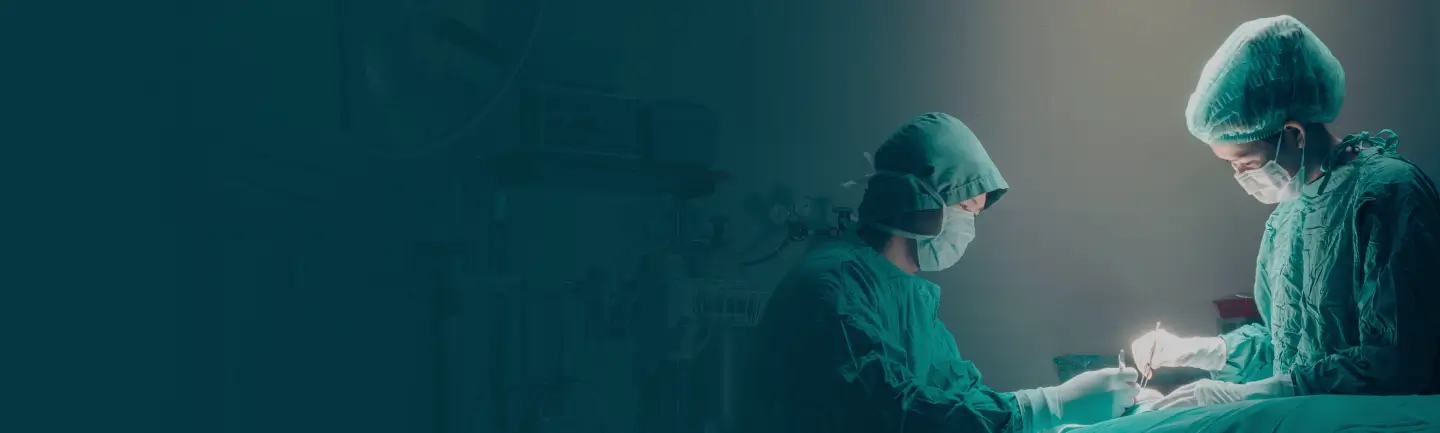
Best Hospital for Sports Injury Treatment in Bhubaneswar
- Advanced Technology
- Shorter Hospital Stay
- Pre & Post-Operative Care
- All Insurance Accepted

Chat With Our Experts
Get second opinion on Whatsapp
25 lakhs+
Happy Patients
Experienced and
skilled surgeons
17
Health Care Facilities
Top most Referral Centre
for Complex Surgeries
Advanced Sports Injury Treatment in Bhubaneswar
Musculoskeletal injuries sustained in sports range from isolated ligament tears and tendon avulsions to complex multi-structure joint disruptions. Each requires an accurate tissue-level diagnosis before a treatment pathway can be determined. Physiotherapy resolves many issues, while others require operative repair under arthroscopic or open technique. The distinction between these pathways depends on injury severity, imaging findings, and the functional demands placed on the joint by the patient's sport. CARE Hospitals, Bhubaneswar, is Odisha's first institution to establish a dedicated Sports Injury and Rehabilitation Department that manages this assessment and treatment process entirely within one facility, from 3-Tesla MRI through surgery and criterion-based rehabilitation.
What is Sports Injury Treatment?
Sports injury treatment encompasses both non-operative and operative interventions, applied according to the extent of tissue damage. Partial ligament tears, tendinopathy, muscle strains and bone stress reactions are typically managed by structured physiotherapy, load modification, and guided injection. Complete ligamentous ruptures producing joint instability, full-thickness tendon tears, displaced intra articular fractures and osteochondral defects beyond approximately 2 cm² generally require surgical repair or reconstruction surgeries. At CARE Hospitals both pathways are delivered within the same department, avoiding fragmentation of care between institutions.
Best Sports Injury Treatment Doctors in India
Types of Sports Injuries
Sports injuries are classified as acute (arise from a single traumatic event) or chronic (develop through cumulative overload). Injuries managed at CARE Hospitals Bhubaneswar include:
- Ligament injuries: ACL and PCL ruptures, posterolateral corner disruptions, lateral ankle ligament complex tears and acromioclavicular joint separations
- Meniscal tears: Bucket-handle, radial, and horizontal cleavage patterns
- Tendon injuries: Full and partial rotator cuff tears, Achilles tendon ruptures, patellar tendinopathy and proximal hamstring avulsion from the ischial tuberosity
- Cartilage damage: Focal osteochondral defects of the femoral condyle, tibial plateau, talar dome, and femoral head
- Bone stress injuries: Tibial, metatarsal and femoral neck stress fractures
- Muscle injuries: Hamstring, quadriceps, adductor and gastrocnemius strains graded I to III
- Shoulder injuries: Bankart lesions, Hill-Sachs deformities, SLAP tears, rotator cuff impingement, and multidirectional glenohumeral instability
- Fractures: Avulsion fractures at tendon insertion sites and intra-articular fractures of the tibial plateau, calcaneus, or radial head requiring anatomical reduction
Causes of Sports Injuries
The mechanism determines the tissue damage pattern, which in turn guides treatment. The causes most frequently encountered at CARE Hospitals, Bhubaneswar:
- Sudden deceleration, rotational loading, or direct contact is the established mechanism for ACL rupture, glenohumeral dislocation, and lateral ankle ligament rupture
- Repetitive microtrauma at rates exceeding the tissue's intrinsic repair capacity can cause tendinopathy, stress fractures, and superior labral degeneration
- Abrupt training load escalation without sufficient recovery is the primary modifiable cause of bone stress injury and tendinopathy in both recreational and competitive athletes
- Biomechanical malalignment like excessive femoral anteversion, pes planus, and genu valgum alters tibiofemoral and patellofemoral contact mechanics, which further increases cumulative load on susceptible structures.
Diagnosis of Sports Injuries
Clinical assessment establishes the provisional diagnosis and imaging confirms it, quantifies severity and identifies co-existing pathology. The diagnostic workup at CARE Hospitals:
- X-rays: Detect bone fractures and intra-articular loose ossicles
- MRI: Identifies ligament tears, meniscal pathology, cartilage lesions to ICRS Grade II, labral tears and bone marrow oedema from stress injury.
- MRI arthrogram: Intra-articular gadolinium contrast improves labral tear sensitivity in the shoulder and hip
- Weight-bearing radiographs: Standing AP and lateral views can show joint space reduction, assess coronal and sagittal alignment or identify avulsion fractures & intra-articular loose ossicles
- CT scan: Detects three-dimensional bony detail and fracture structure assessment
- Ultrasound: Gives real-time dynamic tendon assessment.
Sports Injury Treatment
Treatment selection at CARE Hospitals is based on injury severity, tissue healing potential, patient age and activity level, and the structural demands of the patient's sport.
Non-operative Treatment:
- Physiotherapy and rehabilitation: Doctors tailor a specific physiotherapy programme based on biomechanical assessment of the individual patient's deficits. These include periarticular muscle strengthening, neuromuscular re-education, proprioceptive training, and graduated sport-specific loading.
Medication management:
- Short-course NSAIDs for acute haemarthrosis and inflammatory control.
- Ultrasound-guided corticosteroid injection for subacromial bursitis, lateral epicondylitis and trochanteric bursitis refractory to physiotherapy.
- Platelet-rich plasma (PRP): Injected under ultrasound guidance for chronic patellar, Achilles, and proximal hamstring tendinopathy.
- Bracing and orthotics: Functional unloader bracing for medial compartment osteoarthritis and ligamentous instability during the rehabilitation phase. Custom foot orthotics for pes planus and excessive pronation causing patellar tendinopathy or tibial stress injury.
Operative Treatment:
- Arthroscopic surgery: The operative standard for ligamentous, meniscal, cartilaginous and labral injuries. ACL reconstruction, meniscal repair or resection, rotator cuff repair, Bankart stabilisation and osteochondral autograft transfer are performed precisely at CARE Hospitals.
- Open procedures: When Achilles tendon rupture repair, complex multi-ligament knee reconstruction, tibial plateau fracture fixation and proximal hamstring reattachment at the ischial tuberosity are not done by arthroscopic access alone they require open surgeries.
- Fracture fixation: Displaced intra-articular fractures and avulsion injuries are stabilised with percutaneous screws, locked intramedullary nails, or low-profile plate constructs selected by fracture pattern and anatomical location.
Recovery and Rehabilitation
Rehabilitation at CARE Hospitals is structured in three phases, with progression from one to the next governed by objective functional criteria. The early phase manages haemarthrosis and swelling, protects the repair or reconstruction and initiates periarticular muscle activation within the first 24 to 48 hours. The intermediate phase (beginning at 4-8 weeks) introduces progressive resistance loading, proprioceptive and neuromuscular re-education and cardiovascular conditioning. Return-to-sport clearance requires a limb symmetry index above 90% on isokinetic dynamometry, satisfactory performance across standardised hop tests, and validated psychological readiness. This criterion is calibrated to the specific demands of each patient's athletic discipline.
Why Choose CARE Hospitals for Sports Injury Treatment?
CARE Hospitals, Bhubaneswar established Odisha's first Sports Injury and Rehabilitation Department - a facility structured to manage the complete clinical spectrum of athletic musculoskeletal injury. Orthopaedic surgeons are experts in primary and revision joint reconstruction, complex ligament reconstruction, robotic surgeries, and arthroscopic sports surgeries. The department operates with 4K arthroscopy systems, dedicated sports operation theatres, and an in-house rehabilitation gymnasium equipped with isokinetic dynamometry for objective return-to-sport assessment.
Pre-treatment biomechanical assessment is standard for every patient and rehabilitation is constructed from those individual findings. Post-operative review at two weeks, six weeks, three months, and six months includes objective functional testing at each stage, with return-to-sport clearance granted only when all criteria are met.
Conclusion
Sudden sports injuries can catch you off guard but how you respond to them makes all the difference. Whether the injury is minor or complex, timely diagnosis and the right treatment plan are what stand between a full recovery and a problem that lingers far longer than it should. The good news is that with the right guidance and expert support, most people do get back, fully and safely, to the activities and sports they love. At CARE Hospitals, that's exactly what the team is built around. A multidisciplinary approach, advanced treatment techniques, and a genuine focus on long-term joint health mean that every patient's recovery is given the attention it deserves, from the first consultation through to the final stages of rehabilitation.
Sports Injury Treatment Hospitals in India
-
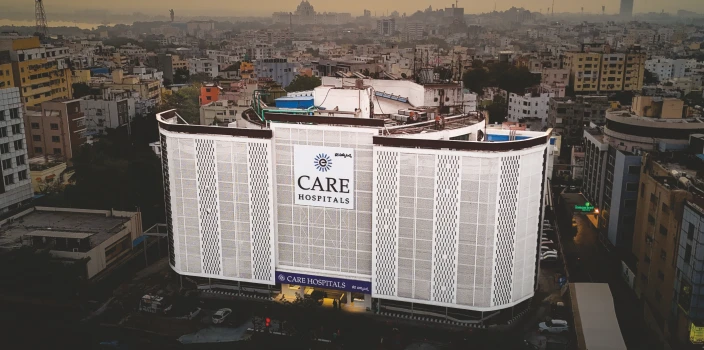
CARE Hospitals, Banjara Hills, Hyderabad
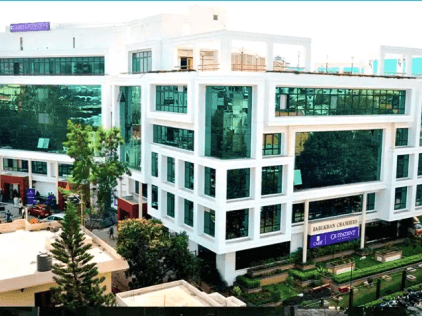
CARE Hospitals Outpatient Centre, Banjara Hills, Hyderabad
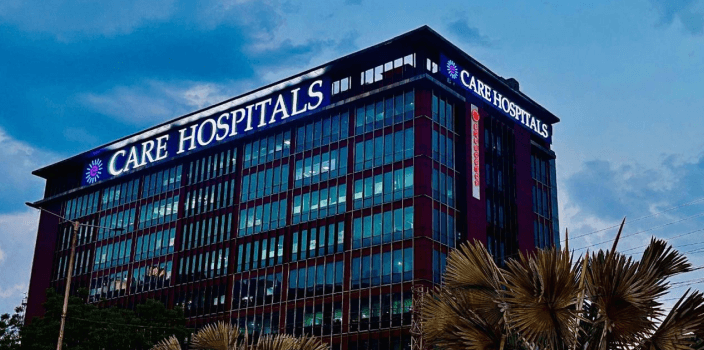
CARE Hospitals, HITEC City, Hyderabad
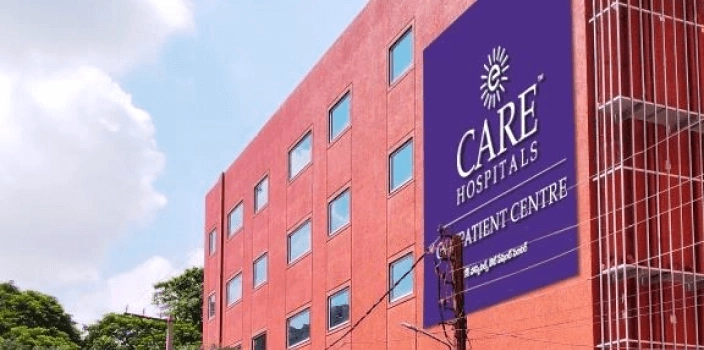
CARE Hospitals Outpatient Centre, HITEC City, Hyderabad
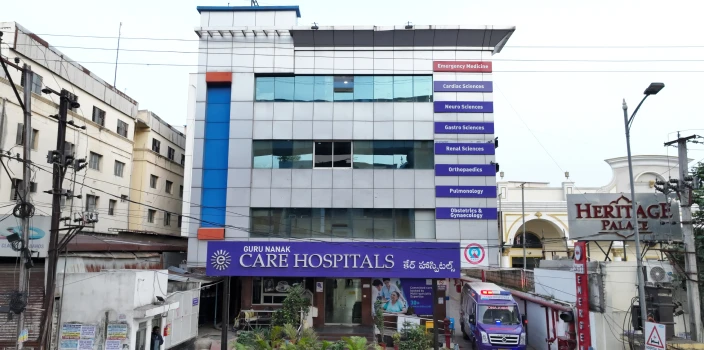
Gurunanak CARE Hospitals, Musheerabad, Hyderabad
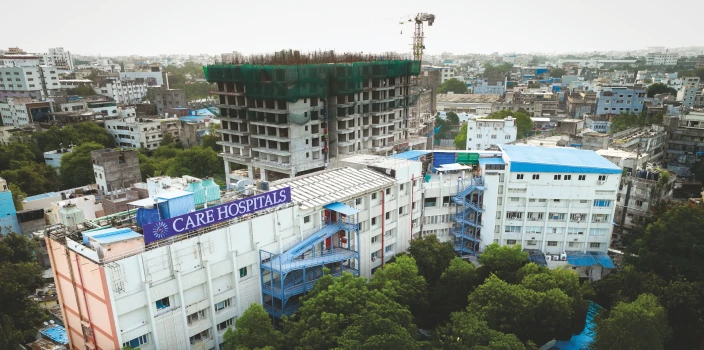
CARE Hospitals, Nampally, Hyderabad
CARE Hospitals, Malakpet, Hyderabad
CARE Hospitals, Bhubaneswar
Ramkrishna CARE Hospitals, Raipur
CARE Hospitals, Ramnagar, Visakhapatnam
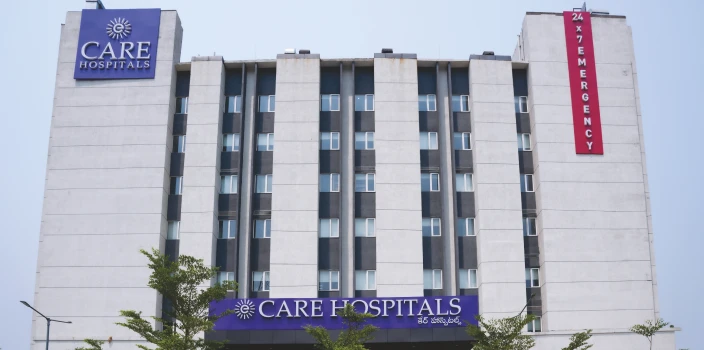
CARE Hospitals, Health City, Arilova
Frequently Asked Questions
The decision is made on the basis of imaging findings, clinical examination, and the patient's functional requirements. Partial tears, tendinopathy, muscle strains, and bone stress reactions are reliably managed without surgery in the majority of cases. Complete ACL ruptures in patients returning to pivoting sport, full-thickness rotator cuff tears in patients under 65, displaced intra-articular fractures, and bucket-handle meniscal tears causing locking are injuries for which non-operative management has a low probability of restoring adequate function.
Grade I and II muscle strains resolve in two to six weeks with physiotherapy. Ankle ligament repair and meniscal debridement permit return to sport in four to eight weeks. Rotator cuff repair requires four to six months before overhead loading is resumed. ACL reconstruction carries a 9-12 month timeline, cleared only when the limb symmetry index on isokinetic testing exceeds 90% and functional hop tests are passed.
Partial ligament sprains, tendinopathy, muscle strains graded I or II, and bone stress reactions below the threshold of frank fracture are managed with structured physiotherapy, load modification and guided injection (if indicated). Surgery is reserved for injuries where the structural deficit produced by the damage cannot be corrected by the tissue's intrinsic healing response alone.
Physiotherapy is not optional following operative sports injury treatment. Surgery restores structural continuity and rehabilitation determines the strength, proprioception, and movement quality built upon it. The CARE Hospitals physiotherapy team initiates the programme within 24 hours of surgery and supervises it through to objective return-to-sport clearance.
Still Have a Question?