
-
Centre of Excellence
Specialties
Treatments and Procedures
 HyderabadCARE Hospitals, Banjara Hills CARE Outpatient Centre, Banjara Hills CARE Hospitals, HITEC City CARE Hospitals, Nampally Gurunanak CARE Hospitals, Musheerabad CARE Hospitals Outpatient Centre, HITEC City CARE Hospitals, Malakpet
 Raipur
 Bhubaneswar
 Visakhapatnam
 Nagpur
 Indore
 Chh. Sambhajinagar
 Clinics & Medical Centers


-

-

-

-

-

-
Follow Us

Best Hospital for Pelvis Fracture Surgery in Hyderabad
- Advanced Technology
- Shorter Hospital Stay
- Pre & Post-Operative Care
- All Insurance Accepted

Chat With Our Experts
Get second opinion on Whatsapp
25 lakhs+
Happy Patients
Experienced and
skilled surgeons
17
Health Care Facilities
Top most Referral Centre
for Complex Surgeries
Advanced Pelvis Fracture Surgery
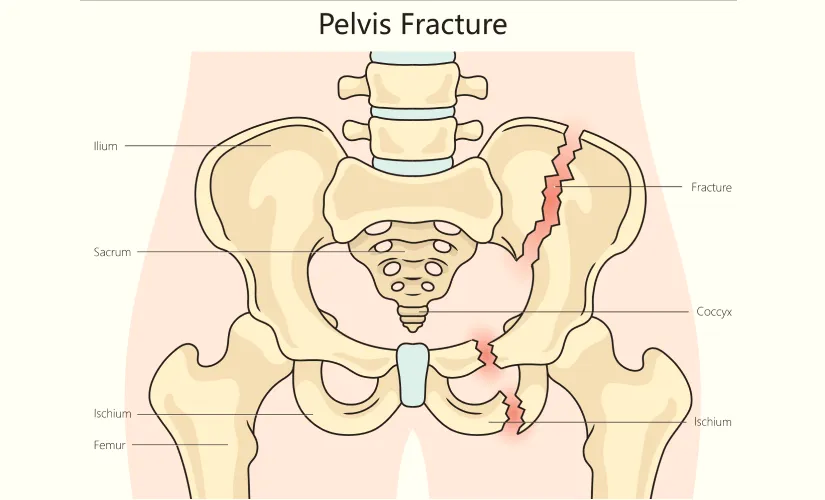
Pelvis fracture surgery addresses one of the rarest skeletal injuries. Most people experience this severe trauma because of high-energy events. Car collisions and falls from heights are common causes. These aren't minor injuries. They need specialised medical attention (and sometimes even complex surgeries). You must understand your treatment options when you face such a health challenge. This article explains pelvis fracture surgery indications, risks, preparation, post-operative recovery, and CARE Group Hospitals' advanced treatment options in Hyderabad.
Why Care Group Hospitals is Your Top Choice for Pelvis Fracture Surgery in Hyderabad
CARE Hospitals delivers exceptional care through teams of specialists who work together naturally. The hospital's team-based approach stands out in treating complex bone injuries. Emergency trauma care teams remain ready around the clock. Patients receive immediate attention during the significant 'golden hour' after injury.
Our trauma units come equipped with operation theatres featuring C-arm imaging technology for precise surgeries. A network of ambulances ensures quick patient transport. Detailed assessment protocols help balance treatment when multiple injuries occur at once.
Best Pelvis Fracture Surgery Doctors in India






































Advanced Surgical Breakthroughs at CARE Hospital
The surgical teams employ advanced techniques to manage critical cases. Damage control surgery reduces complications and stabilises the pelvis bone fractures. If the affected person is getting complete care immediately after major skeletal injuries the outcomes are always on the brighter side.
Minimally invasive fixation methods speed up recovery times. Pre-peritoneal pelvic packing treats pelvic haemorrhage in the quickest way and addresses one of the most serious complications. Modern imaging facilities include trauma series X-rays, CT scans and MRIs for accurate diagnosis.
Indications for Pelvis Fracture Surgery
Doctors suggest surgery when:
- Your pelvis sustains unstable injuries with multiple breaks
- Displaced fractures where bone fragments don't arrange properly
- Open fractures where bone pierces through the skin.
Types of Pelvis Fracture Surgery Procedures
Surgeons perform external fixation using metal pins through small incisions and create a stabilising frame. Open reduction and internal fixation reposition bone fragments. The surgeon secures them with screws or metal plates attached to bone surfaces.
Pre-surgery Preparation
Before surgery a thorough preparation make sure that you will get best results. The steps are:
- Your medical team conducts full evaluations before surgery including blood tests, imaging studies and heart-lung assessments
- Your doctor will adjust certain medications, especially blood thinners
- Fasting begins at midnight before the procedure
- The surgical team cross-matches 4-6 units of blood for transfusion needs.
Pelvis Fracture Surgical Procedure
Pelvic fracture surgery procedure steps include:
- The surgical team induces general or regional anaesthesia to keep you comfortable throughout.
- Your position on the operating table depends on where the fracture is located.
- External fixation involves inserting pins through small incisions and connecting them to stabilising bars outside your body.
- Internal fixation repositions bone fragments and secures them with plates and screws.
The surgery usually takes 1-3 hours.
Post Surgery Recovery
You will stay hospitalised for several days at the start. Weight-bearing restrictions last 6-12 weeks, followed by gradual increases in weight bearing. Physical therapy begins within days and focuses on range of motion first, then strengthening. Full recovery takes 4-6 months though complex cases may require up to 1 year.
Risks
Common complications are:
- Infection
- Nerve injury
- Need for reoperations
- Sexual dysfunction.
Benefits of Pelvis Fracture Surgery
The main benefits of this surgery are:
- Restores pelvic stability
- Reduces pain substantially
- Regain mobility faster
- Return to daily activities sooner.
- Proper alignment prevents long-term complications like deformity or chronic discomfort.
Insurance Assistance for Pelvis Fracture Surgery
Health insurance covers hospitalisation, surgical costs and rehabilitation. But pre-existing conditions face some waiting periods. Verify your policy's specific terms before you proceed. At CARE Hospitals our dedicated team will verify your coverage and help you with the necessary paperwork.
Second Opinion for Pelvis Fracture Surgery
Getting another specialist's opinion can confirm if you are taking the right treatment or not. This decision equips you with complete information, alternative treatments, expected recovery time and rehabilitation options before such a major procedure.
Conclusion
Pelvic fractures need expert care. At CARE Group Hospitals you can access advanced surgical options that restore stability and mobility. You should understand your procedure and ask questions without hesitation. Stick to your rehabilitation plan. Healing takes time, and it might feel slow some days. If you keep up with physiotherapy, though, you might find yourself getting back to your usual routine sooner than you expected. Your healing experience starts with choosing the right medical team and staying involved throughout treatment.
Pelvis Fracture Surgery Hospitals in India
-
CARE Hospitals, Banjara Hills, Hyderabad
CARE Hospitals Outpatient Centre, Banjara Hills, Hyderabad

CARE Hospitals, HITEC City, Hyderabad

CARE Hospitals Outpatient Centre, HITEC City, Hyderabad
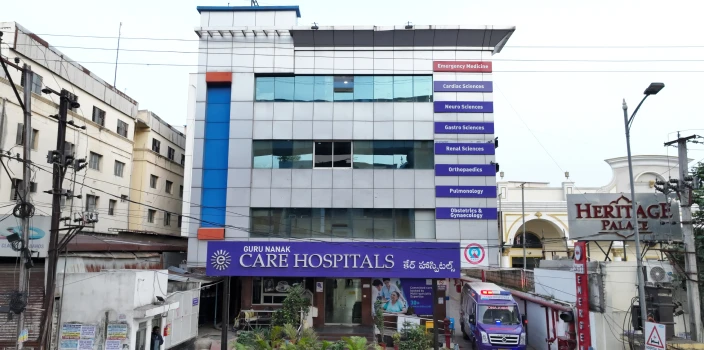
Gurunanak CARE Hospitals, Musheerabad, Hyderabad
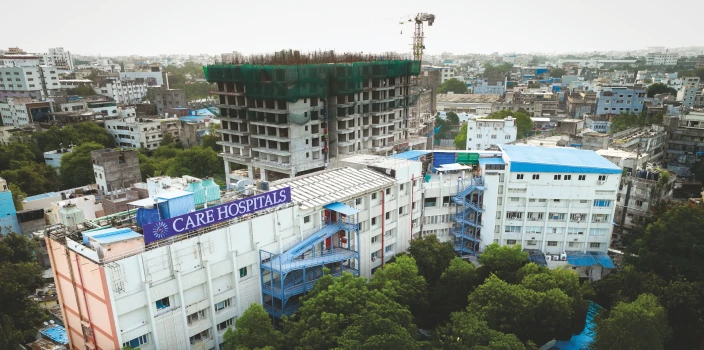
CARE Hospitals, Nampally, Hyderabad

CARE Hospitals, Malakpet, Hyderabad

CARE Hospitals, Bhubaneswar

Ramkrishna CARE Hospitals, Raipur

CARE Hospitals, Ramnagar, Visakhapatnam

CARE Hospitals, Health City, Arilova
Frequently Asked Questions
This procedure stabilises broken pelvic bones using metal plates and screws or external frames. Surgeons realign displaced bone fragments to restore proper anatomy and function.
Yes. These operations demand trained surgeons and anaesthesiologists due to complexity and potential risks. The pelvis contains major blood vessels and nerves, which makes every step critical.
No pelvic ring fractures represent between 2% and 8% of all bone breaks. High-energy trauma causes most cases in younger people, while older adults experience them from low-energy falls.
You will feel discomfort after the operation, but the doctors will manage it well. Most patients need narcotic pain relievers for seven to ten days. Many describe substantially improved comfort because the severe pelvic instability pain disappears.
Operations typically last 1 to 3 hours. But complex cases can extend.
Common risks are:
- Nerve injury
- Surgical site infections
- Blood clots
- Sexual dysfunction.
Healing timelines vary based on fracture severity. Minor stable breaks heal within 8-12 weeks. Surgical cases need 3-4 months for bones to heal, while complete functional recovery extends up to one year for severe injuries. You will notice the comfort improvements around six weeks after the operation.
You need to go for blood tests and anaesthesia fitness before your operation.
Anaesthesia keeps you unaware throughout. The complexity of your case determines how long operations last. Surgeons stabilise bones using plates and screws or external frames.
Monitoring begins post-anaesthesia. Walking starts the same day in many cases, though weight restrictions apply for 6-10 weeks. Most patients spend one week in the hospital. Some require placement in a skilled nursing facility afterwards.
Your appointments occur at 10-14 days, 6 weeks, and 3 months. Visits happen at 6 months and 12 months after injury.
Avoid lifting weights that exceed 5-7 pounds as they strain healing tissues. Skip driving for six weeks. High-impact activities remain off-limits at first. Manual labour waits until 12 weeks post-surgery.
Still Have a Question?