
-
Centre of Excellence
Specialties
Treatments and Procedures
 HyderabadCARE Hospitals, Banjara Hills CARE Outpatient Centre, Banjara Hills CARE Hospitals, HITEC City CARE Hospitals, Nampally Gurunanak CARE Hospitals, Musheerabad CARE Hospitals Outpatient Centre, HITEC City CARE Hospitals, Malakpet
 Raipur
 Bhubaneswar
 Visakhapatnam
 Nagpur
 Indore
 Chh. Sambhajinagar
 Clinics & Medical Centers


-

-

-

-

-

-
Follow Us

Best Hospital for Medial Collateral Ligament Reconstruction Surgery in Hyderabad
- Advanced Technology
- Shorter Hospital Stay
- Pre & Post-Operative Care
- All Insurance Accepted

Chat With Our Experts
Get second opinion on Whatsapp
25 lakhs+
Happy Patients
Experienced and
skilled surgeons
17
Health Care Facilities
Top most Referral Centre
for Complex Surgeries
Advanced Medial Collateral Ligament (MCL) Reconstruction
The medial collateral ligament injury is the most common trauma to the knee. This ligament sits on the inner side of the knee and is particularly vulnerable in contact sports such as football and hockey. Severe tears occur, especially grade 3 injuries that involve complete ruptures. Medial Collateral Ligament (MCL) reconstruction surgery becomes necessary if conservative treatment fails. Many grade 3 cases involve additional ligament damage, and the anterior cruciate ligament is most commonly affected.
This article explains what MCL reconstruction entails, when patients need this procedure, the surgical techniques used, and the complete care available at CARE Group Hospitals in Hyderabad.
Why CARE Group Hospitals is Your Top Choice for Medial Collateral Ligament (MCL) Reconstruction Surgery in Hyderabad
CARE Hospitals brings together skilled orthopaedic surgeons who specialise in complex ligament procedures with advanced operating facilities. The hospital provides:
- Detailed pre-operative analysis and tailored rehabilitation plans
- 24/7 orthopaedic trauma care with Advanced Life Support ambulance services
- Robotic-assisted procedures and minimally invasive techniques for faster recovery
- Specialised post-surgical care through dedicated orthopaedic trauma units.
Patients benefit from a patient-centred approach that addresses physical recovery and emotional well-being throughout the treatment process.
Best Medial Collateral Ligament Reconstruction Surgery Doctors in India


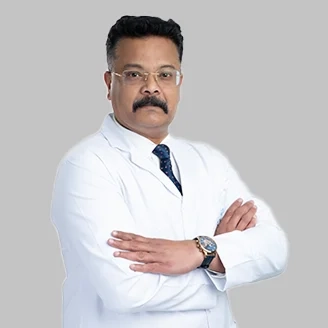





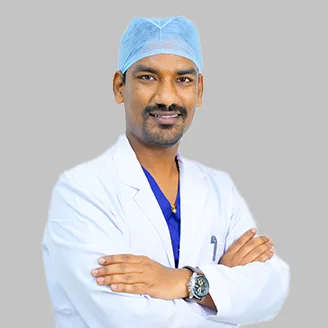
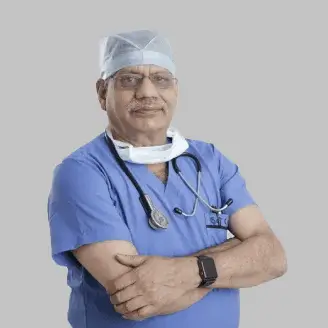
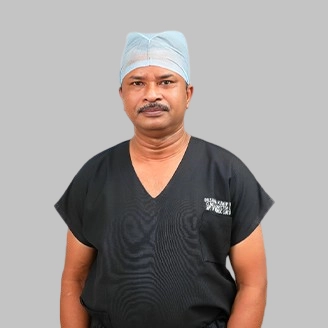



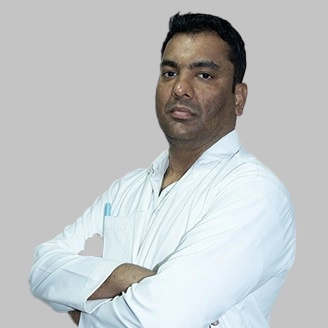
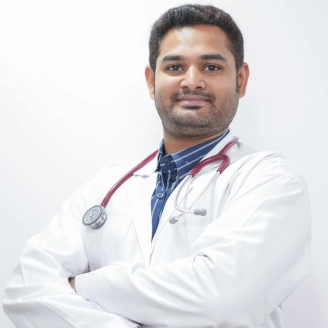
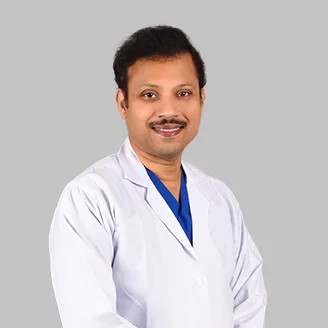



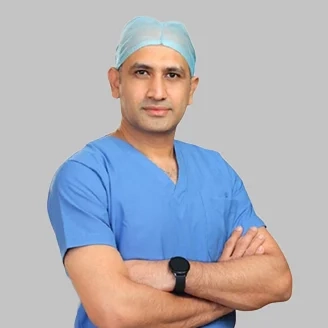
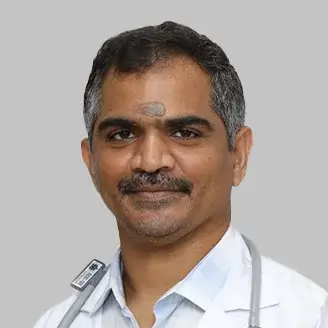
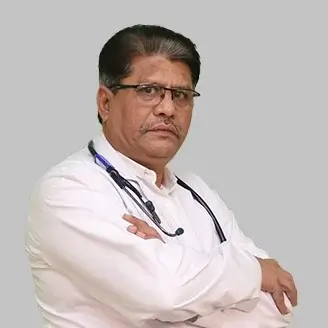
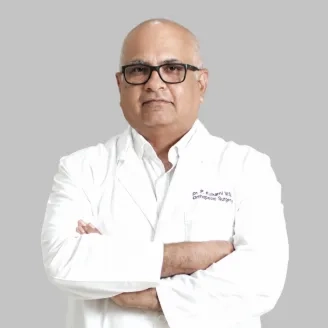
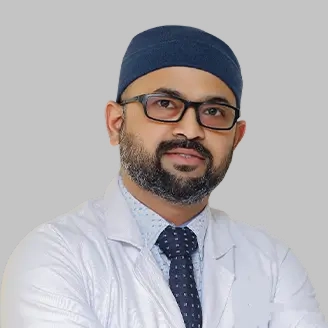
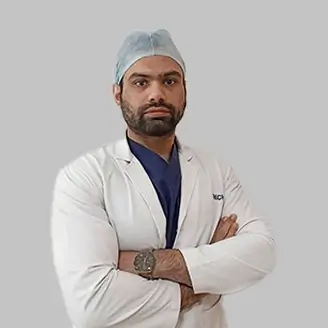



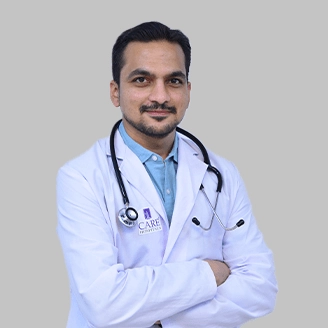


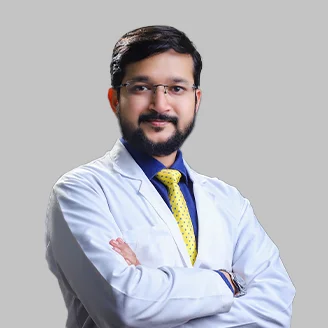
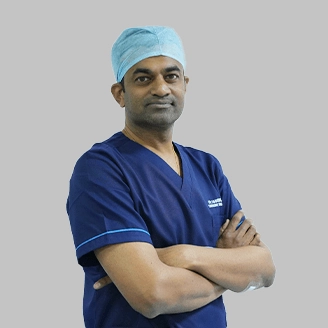
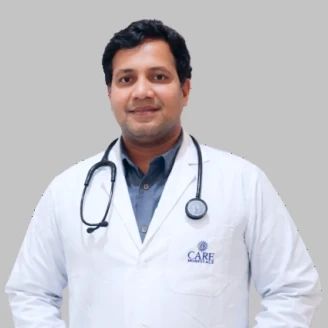
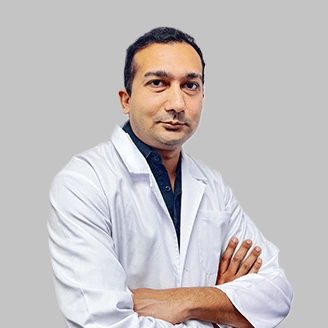

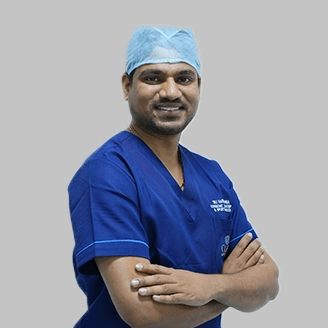
Innovative Surgical Techniques at CARE Hospital
CARE Hospital employs arthroscopic techniques requiring only fingertip-sized incisions. High-definition cameras transmit detailed joint images to monitors & allow surgeons to perform precise reconstructions with minimal tissue disruption. Computer assisted navigation improves surgical accuracy. Biological methods using growth factors speed up healing.
Indications for Medial Collateral Ligament Reconstruction Surgery
Reconstruction becomes necessary when:
- Grade III MCL tears fail to heal in neutral alignment
- Chronic instability persists despite conservative treatment.
- Isolated grade III tears with severe alignment issues
- MCL becomes trapped over the surrounding tendons.
Types of Medial Collateral Ligament Reconstruction Surgery Procedures
Doctors offer MCL repair for acute injuries where torn ligament ends can be reattached. Reconstruction uses either autografts (the patient's own tissue typically hamstring tendons) or allografts (donor tissue) to construct a new ligament. Surgeons select the appropriate technique based on injury severity, tissue quality and individual patient needs.
Pre-surgery Preparation
Patients complete a full orthopaedic picture before they undergo medial collateral ligament reconstruction. An MRI scan determines how extensive the injury is. Pre-operative instructions address dietary restrictions and medication adjustments. Prehabilitation exercises strengthen surrounding muscles.
Medial Collateral Ligament (MCL) Reconstruction Surgical Procedure
Surgeons perform the procedure under general anaesthesia. An arthroscopic examination rules out associated ACL or PCL tears. The surgeon creates an incision over the medial femoral condyle and harvests a donor tendon (an Achilles tendon allograft or a hamstring autograft). Soft tissue around the femur is debrided. Tunnels are created at anatomic insertion points. The graft is inserted and secured with screws at 20° knee flexion. Surgeons close the incision with sutures or staples.
Post Surgery Recovery
Recovery follows a structured timeline that spans 6 to 12 months:
- Weeks 1-2: Toe-touch weight-bearing with brace locked in extension
- Week 2: Motion allowed 0° to 30°
- Week 4: Flexion 60° to 90°, full weight-bearing permitted
- Week 6: Brace removed, full range of motion begins
- Month 9: Return to sport occurs.
Physical therapy starts within days. The focus is on the range of motion and quadriceps activation.
Risks
Common complications are:
- Knee stiffness
- Residual instability
- Infection
- Blood clots
- Nerve damage
- Graft failure
- Decreased range of motion.
Benefits of Medial Collateral Ligament Reconstruction Surgery
MCL reconstruction restores knee stability and boosts functionality with improved assessment scores. Pain reduces. Athletes return to sports with confidence.
Insurance Assistance for Medial Collateral Ligament Reconstruction Surgery
Many health insurance plans cover MCL reconstruction surgery. This includes surgical fees, anaesthesia costs and hospitalisation expenses. Policies may also cover pre- and post-surgery physical therapy sessions. Patients should verify coverage details with their insurance provider before they schedule surgery.
Second Opinion for Medial Collateral Ligament Reconstruction Surgery
Getting a second opinion before undergoing MCL reconstruction can confirm your diagnosis and suggest other treatment options. Different orthopaedic surgeons might suggest varying approaches depending on their expertise. A second opinion prevents unnecessary procedures and identifies diagnostic errors. Treatment options become clearer.
Conclusion
MCL reconstruction offers athletes a proven path back to their favourite activities. The success rates are very high. Patients who choose CARE Hospitals benefit from advanced technology and experienced surgeons. Healing takes time and commitment, and the result brings back balance and trust. You should verify insurance coverage before scheduling surgery and consider getting a second opinion. This ensures you receive the right treatment for your situation.
Medial Collateral Ligament Reconstruction Surgery Hospitals in India
-
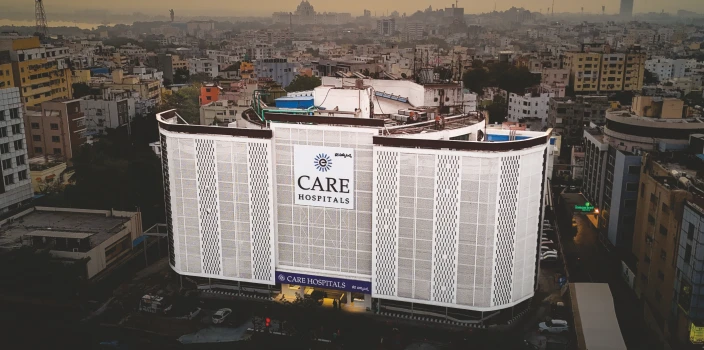
CARE Hospitals, Banjara Hills, Hyderabad
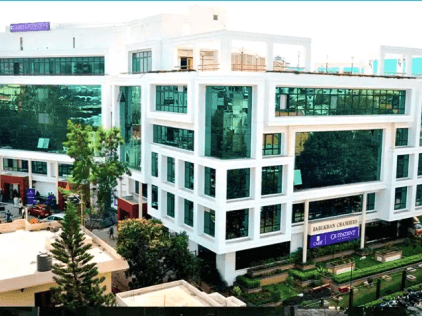
CARE Hospitals Outpatient Centre, Banjara Hills, Hyderabad
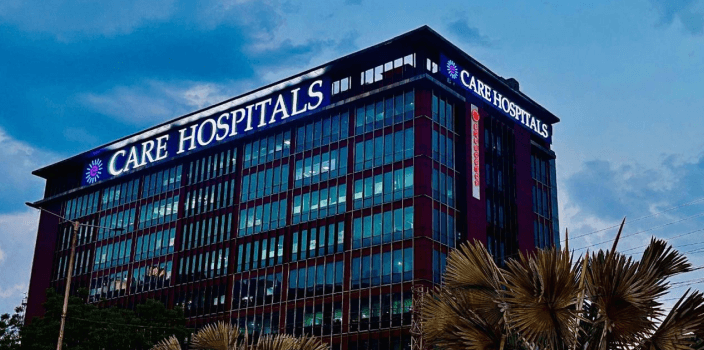
CARE Hospitals, HITEC City, Hyderabad
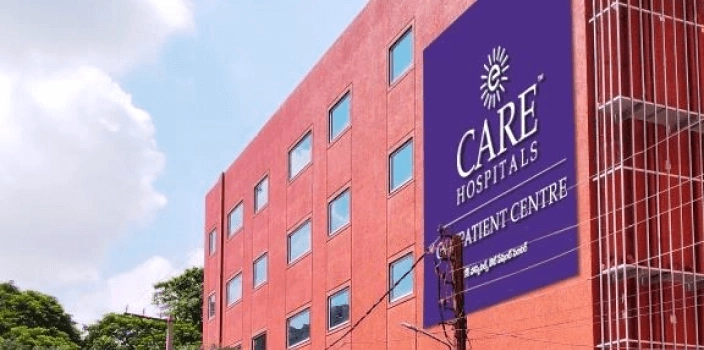
CARE Hospitals Outpatient Centre, HITEC City, Hyderabad
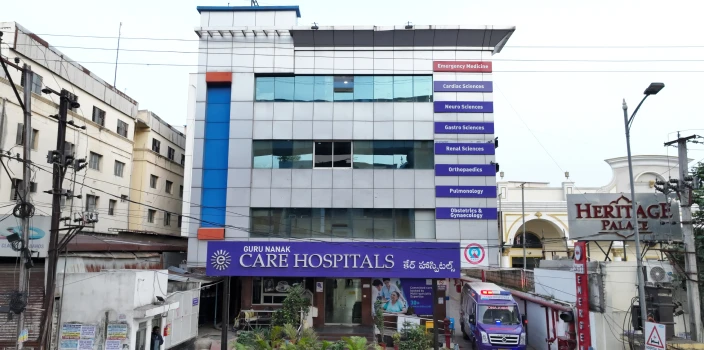
Gurunanak CARE Hospitals, Musheerabad, Hyderabad
CARE Hospitals, Nampally, Hyderabad
CARE Hospitals, Malakpet, Hyderabad
CARE Hospitals, Bhubaneswar
Ramkrishna CARE Hospitals, Raipur
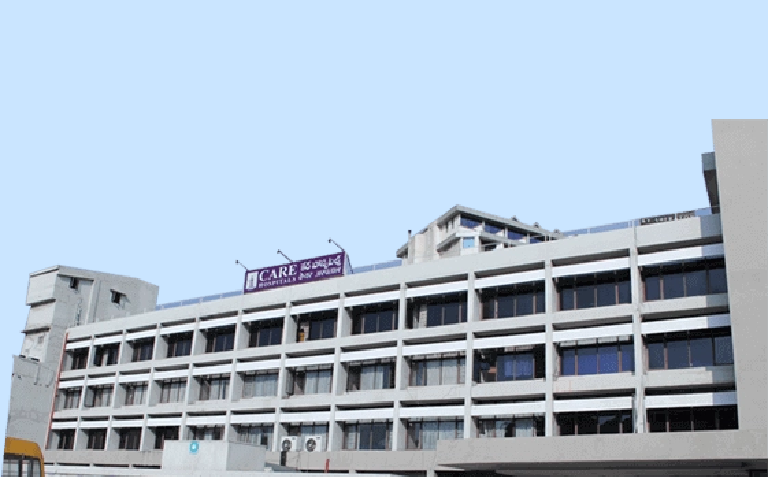
CARE Hospitals, Ramnagar, Visakhapatnam
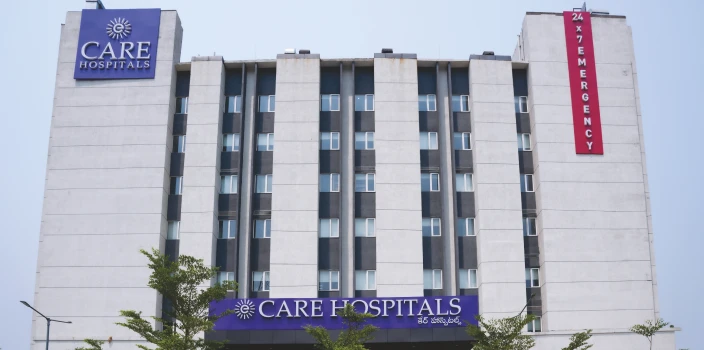
CARE Hospitals, Health City, Arilova
Frequently Asked Questions
MCL reconstruction repairs a severely damaged ligament on your knee's inner side using either your own tissue (autograft) or donor tissue (allograft). Surgeons secure this graft at anatomic positions to restore stability.
Medial collateral ligament reconstruction is a complex orthopaedic procedure. But it's performed on an outpatient basis and allows you to return home the same day.
Pain occurs after the operation but can be managed with prescribed painkillers and ice packs. Pain decreases within the first fortnight as healing progresses.
The procedure requires 60 to 90 minutes. Duration increases when surgeons address additional ligament damage.
Complications include:
- Infection at the incision site
- Knee stiffness
- Graft failure
- Hardware irritation
- Recurrent instability.
Recovery usually takes 3 to 6 months. Full rehabilitation may extend to 12 months based on injury severity and your commitment to rehabilitation.
Preparation involves completing an MRI assessment and engaging in prehabilitation exercises. You should avoid NSAIDs and blood thinners while arranging post-operative assistance.
Surgeons perform the operation under general anaesthesia so you will remain unconscious throughout. Arthroscopic examination occurs first to check for ACL or PCL damage. The surgeon then harvests your graft and creates bone tunnels. The new ligament gets secured with screws at the anatomic positions of your knee.
You will wake up with a hinged knee brace locked straight on your leg. Physical therapy begins within three days to work on the range of motion and quadriceps activation. Crutches assist walking. You maintain toe-touch weight-bearing for six weeks. Wound dressings stay on for two days then waterproof bandages replace them. Pain peaks during the first 48 hours as anaesthesia wears off.
Your first appointment occurs at two weeks after surgery. Regular visits continue for several months. During this period, your surgeon monitors healing progress and adjusts the rehabilitation plan. These appointments detect complications early and assess when you are ready for increased activity levels.
Never immerse your knee in baths or pools for at least six weeks. Avoid placing pillows under your knee. Skip weight-bearing without your brace locked. Refrain from pivoting movements for 16 weeks and never miss physical therapy sessions.
Pain persists for six to eight weeks but diminishes over time. Swelling and knee stiffness occur along with limited flexion. Some patients experience tingling at surgical sites, though this improves during follow-up. Recurrent pain indicates improper rehabilitation progression.
Still Have a Question?