
-
Centre of Excellence
Specialties
Treatments and Procedures
 HyderabadCARE Hospitals, Banjara Hills CARE Outpatient Centre, Banjara Hills CARE Hospitals, HITEC City CARE Hospitals, Nampally Gurunanak CARE Hospitals, Musheerabad CARE Hospitals Outpatient Centre, HITEC City CARE Hospitals, Malakpet
 Raipur
 Bhubaneswar
 Visakhapatnam
 Nagpur
 Indore
 Chh. Sambhajinagar
 Clinics & Medical Centers


-

-

-

-

-

-
Follow Us

Best Hospital for Below Knee Amputation Surgery in Hyderabad
- Advanced Technology
- Shorter Hospital Stay
- Pre & Post-Operative Care
- All Insurance Accepted

Chat With Our Experts
Get second opinion on Whatsapp
25 lakhs+
Happy Patients
Experienced and
skilled surgeons
17
Health Care Facilities
Top most Referral Centre
for Complex Surgeries
Advanced Below Knee Amputation
Lower limb ischemia and peripheral arterial disease account for many below knee amputation cases. This surgical intervention also called transtibial amputation or BK amputation, represents a life-altering decision for patients and their families. Patients who know about the amputation below knee procedure, risks, recovery expectations, and prosthesis options can make informed choices. This article explains preparation steps, surgical techniques, rehabilitation pathways and post operative care to support people facing this surgery.
Why CARE Group Hospitals is Your Top Choice for Below Knee Amputation Surgery in Hyderabad
CARE Hospitals is a premier orthopaedic centre in Hyderabad that offers detailed bone and joint care with a dedicated team of specialists. The facility provides 24/7 trauma care and emergency services (all to ensure immediate attention when urgent amputation becomes necessary). Our expert surgeons trained both domestically and internationally bring extensive experience in handling complex lower limb procedures. The hospital follows a patient-centred approach where each individual receives personalised treatment plans and rehabilitation programmes tailored to their specific needs.
Best Below Knee Amputation Doctors in India










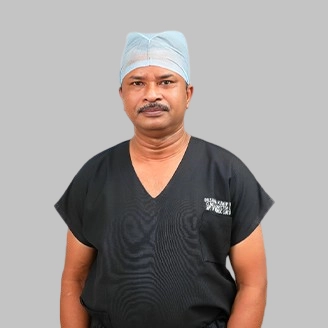









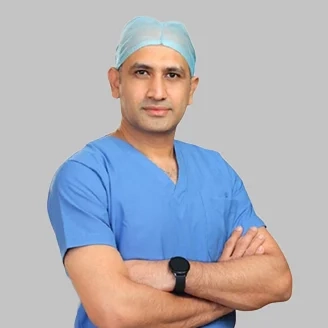
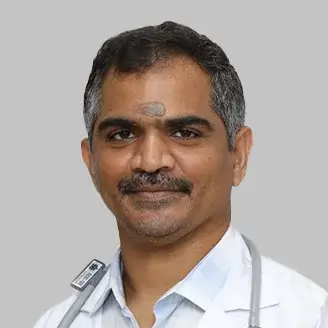
















Advanced Surgical Innovations at CARE Hospitals
Modern surgical techniques drive CARE Hospital's approach to below the knee amputation surgery. The facility employs robotic-assisted procedures and minimally invasive methods that reduce tissue damage and lower infection risks. Advanced diagnostic imaging and hybrid surgical suites enable precise planning and execution of each BK amputation. Surgeons utilise targeted muscle innervation and regenerative peripheral nerve interface techniques to address phantom limb pain. This improves post-operative outcomes substantially.
Indications for Below Knee Amputation Surgery
Peripheral vascular disease accounts for the majority of all transtibial procedures. Other conditions that need this intervention are:
- Diabetes-related complications
- Severe trauma with irreparable damage
- Life-threatening infections
- Malignant tumours
- Non-healing ulcers
- Gangrene that resists conservative treatment.
Types of Below Knee Amputation Surgery Procedures
Transtibial amputation removes the lower leg below the knee joint while preserving knee function. The procedure may involve:
- Single-stage definitive amputation: This procedure involves completing both the amputation and closing the wound during one surgical stage. It is usually done when the infection is controlled, and healthy tissue is present for proper healing.
- Two-stage guillotine technique: This method involves an initial open amputation to remove infected or injured tissue. Surgeons later carry out a second procedure to reshape and close the stump after the swelling and infection get better.
Pre-surgery Preparation
A multidisciplinary team (including an orthopaedic surgeon, prosthetist, physical therapist and rehabilitation specialist) assesses your condition and infection or damage severity. Preparation also includes:
- Hip and knee exercises begin before surgery to maintain muscle strength.
- Smokers must quit. Smoking increases wound healing problems and complications to a high degree.
- Doctors perform blood tests, imaging scans, and other investigations before the surgery.
- Doctors also adjust or stop certain medicines like blood thinners.
Below Knee Amputation Surgical Procedure
The surgical team will induce general anaesthesia. Surgeons create a skin flap below the desired amputation level and cut the tibia and fibula with a saw. Surgeons fold calf muscles over the bone ends. The fibula is cut 2-3 centimetres shorter than the tibia to avoid pressure points. Nerves are transected under tension and placed in healthy tissue to reduce phantom pain risk. The transtibial amputation procedure lasts two to three hours.
Post Surgery Recovery
Hospital stays range from five to fourteen days. The incision heals over two to six weeks (though complete healing may take up to one year). Swelling persists for months and requires compression stockings. Most patients receive a temporary prosthesis within three months. A permanent below knee amputation prosthesis arrives 6-12 months post-surgery.
Risks and Complications
Although with advanced procedures complications are minimal. However this big surgery carries some complications. These are:
- Infection at the amputation site
- Bleeding during or after surgery
- Phantom limb pain
- Wound takes longer time to heal
- Blood clots in the legs after surgery.
Benefits of Below Knee Amputation Surgery
Pain decreases substantially following the BK amputation procedure. Quality of life improves as infected tissue removal eliminates chronic suffering. Prosthetic use restores mobility and independence for many patients.
Second Opinion for Below Knee Amputation Surgery
Many amputations could be avoided when patients receive proper vascular care. Consultation with limb preservation specialists reveals alternative treatments through minimally invasive techniques. Second opinions provide peace of mind before making this permanent decision.
Insurance Assistance for Below Knee Amputation Surgery
Most insurance plans cover below knee amputation consultations and procedures. CARE Hospitals accepts major insurance providers. Our staff will help you verify specific coverage before treatment begins.
Conclusion
Facing transtibial amputation feels overwhelming for patients and families. Understanding the surgical process, rehabilitation and prosthetic options enables better decisions. Choose a hospital with experienced specialists who offer personalised care plans. At CARE Hospitals our experienced orthopaedic surgeons work with other specialists to tailor a comprehensive treatment and rehabilitation plan so that you receive the best treatment with minimal complications. Your recovery depends on proper preparation and commitment to physiotherapy. This life-changing intervention can restore mobility and eliminate chronic suffering when approached with care.
Below Knee Amputation Hospitals in India
-
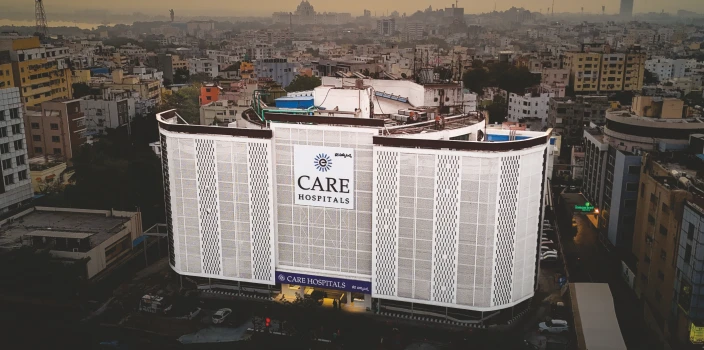
CARE Hospitals, Banjara Hills, Hyderabad
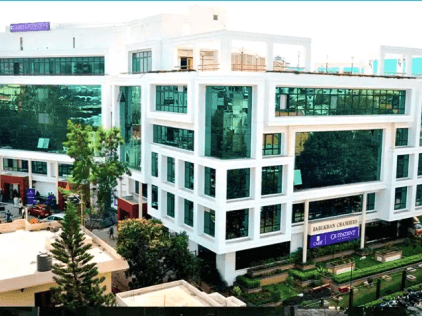
CARE Hospitals Outpatient Centre, Banjara Hills, Hyderabad
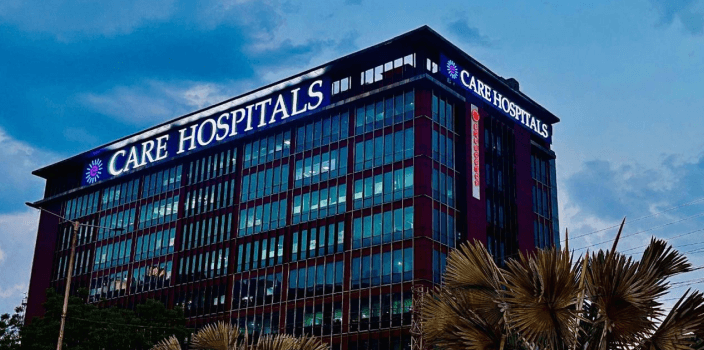
CARE Hospitals, HITEC City, Hyderabad
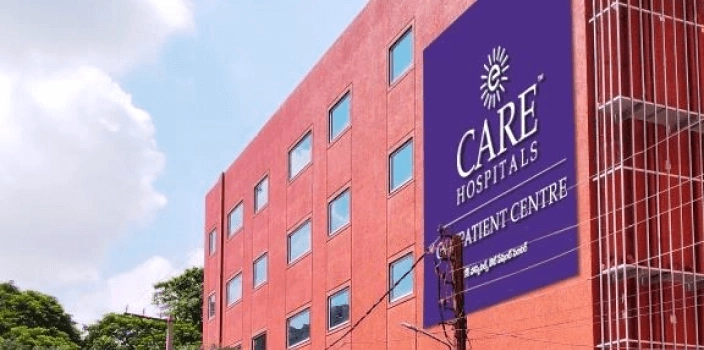
CARE Hospitals Outpatient Centre, HITEC City, Hyderabad
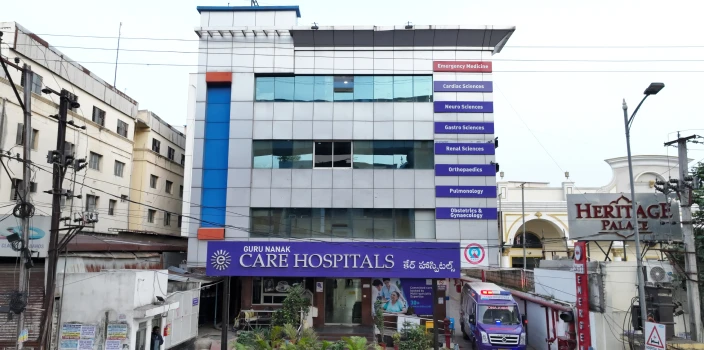
Gurunanak CARE Hospitals, Musheerabad, Hyderabad
CARE Hospitals, Nampally, Hyderabad
CARE Hospitals, Malakpet, Hyderabad

CARE Hospitals, Bhubaneswar
Ramkrishna CARE Hospitals, Raipur
CARE Hospitals, Ramnagar, Visakhapatnam
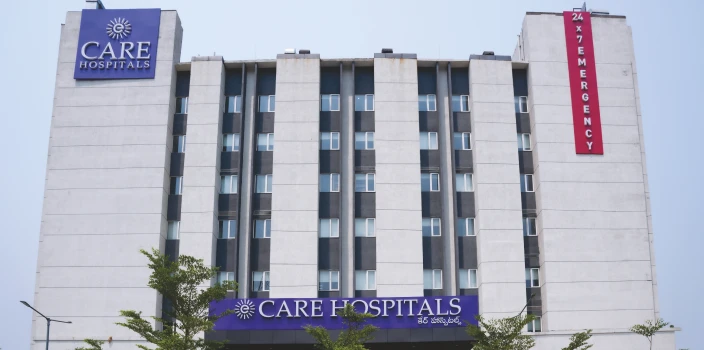
CARE Hospitals, Health City, Arilova
Frequently Asked Questions
Transtibial amputation removes your foot, ankle joint, and portions of the tibia and fibula bones. Surgeons preserve surrounding soft tissue and create a residual limb suitable for prosthetic fitting.
Yes this is major surgery with considerable restrictions. The procedure serves life-saving purposes when you face severe infections, trauma, or vascular insufficiency that threatens your overall health.
You won't feel pain during the operation under anaesthesia. Residual limb discomfort follows and is managed through medications. Phantom limb pain affects many patients and creates sensations where the leg once existed. Your care team provides targeted pain control strategies throughout recovery.
The below knee amputation procedure requires one to one and a half hours to complete. Some cases extend to 2-3 hours depending on complexity.
A person can have few complications. They are:
- Wound infections
- Delayed wound healing
- Blood clots
- Swelling of the stump
- Phantom limb pain
Healing can take 4 to 8 weeks. Prosthetic fitting begins around three months after surgery. Full rehabilitation extends up to one year. Recovery timelines vary based on age, health status, and rehabilitation commitment.
You will meet your interdisciplinary care team first. Education sessions help you understand rehabilitation steps and exercises you will start right after surgery. Straight leg raises and extension exercises strengthen your hip and knee and maintain muscle function. Quitting becomes non-negotiable if you smoke. Smoking delays wound healing by weeks or months.
Your surgeon removes diseased tissue and preserves healthy muscle and skin for prosthetic fitting (shaping your residual limb into a cone formation suitable for future prosthesis attachment).
Physiotherapy begins within 48 hours. You will learn residual limb wrapping techniques and apply elastic bandages two to three times daily to control swelling and shape the limb. Daily skin inspection using a mirror helps spot redness or blisters early. Prosthetic fitting starts 6-8 weeks post-surgery, though you may get an original temporary prosthesis sooner.
Regular appointments occur fortnightly or monthly at first and transition to three monthly, then six monthly intervals. You may need to visit your doctor annually for lifelong close monitoring.
Never place pillows under your knee joint as this causes contractures. Avoid prolonged sitting with your knee flexed. Avoid tight clothing around the stump. Follow medical advice regarding movement, physiotherapy, and prosthetic use to support proper healing.
Still Have a Question?