
-
Centre of Excellence
Specialties
Treatments and Procedures
 HyderabadCARE Hospitals, Banjara Hills CARE Outpatient Centre, Banjara Hills CARE Hospitals, HITEC City CARE Hospitals, Nampally Gurunanak CARE Hospitals, Musheerabad CARE Hospitals Outpatient Centre, HITEC City CARE Hospitals, Malakpet
 Raipur
 Bhubaneswar
 Visakhapatnam
 Nagpur
 Indore
 Chh. Sambhajinagar
 Clinics & Medical Centers


-

-

-

-

-

-
Follow Us

Best Hospital for Joint Dislocation Reduction Surgery in Hyderabad
- Advanced Technology
- Shorter Hospital Stay
- Pre & Post-Operative Care
- All Insurance Accepted

Chat With Our Experts
Get second opinion on Whatsapp
25 lakhs+
Happy Patients
Experienced and
skilled surgeons
17
Health Care Facilities
Top most Referral Centre
for Complex Surgeries
Advanced Joint Dislocation Reduction Surgery
Doctors treat dislocated joints using closed reduction to position them back in place without surgery. This gives patients a way to heal without more invasive procedures. Some conditions such as TMJ dislocation need special methods to treat them. Procedures such as closed reduction of a shoulder dislocation just need precise manual manipulation.
This article explains the preparation steps of joint dislocation reduction surgery, procedural details and recovery expectations alongside potential risks.
Why CARE Group Hospitals is Your Top Choice for Joint Dislocation Reduction Surgery in Hyderabad
CARE Group Hospitals stands as Hyderabad's premier orthopaedic destination, combining decades of experience with patient centred treatment. The hospital offers round-the-clock trauma and emergency services guided by trained experts. This ensures you receive quick care during critical dislocation situations. Patients receive detailed support from initial assessment through long-term physiotherapy, which enables them to regain maximum function after injury.
Best Joint Dislocation Reduction Surgery Doctors in India




















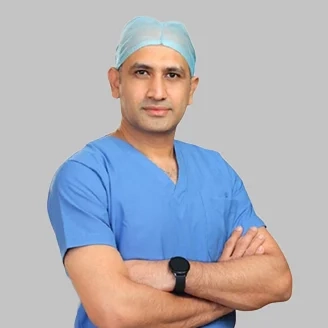

















Innovative Surgical Technology at CARE Hospitals
At CARE Hospitals our experts use cutting edge technology to guide treatment approaches. The hospital uses:
- Robot-assisted procedures to treat complex joint issues with precision.
- Minimally invasive arthroscopic techniques to reduce healthy tissue damage.
- High resolution imaging systems that give a clear view of bone structures.
- Fourth-generation Da Vinci robots deliver sub-millimetre accuracy during complex reconstructions.
These breakthroughs translate to faster recovery periods and superior surgical outcomes.
Indications for Joint Dislocation Reduction Surgery
CARE treats a variety of dislocation scenarios that include shoulder, knee, hip and smaller joint injuries. The team addresses both acute trauma cases and chronic instability from recurring dislocations. Sports-related injuries, post-accident trauma and complications from previous surgeries all fall within their treatment scope.
Types of Joint Dislocation Reduction Surgery Procedures
Different joint dislocation reduction surgery types are:
- Closed reduction techniques (for simple cases) in which the doctor manually moves the dislocated joint back into place without making an incision.
- Open surgical interventions when soft tissues require repair.
- Arthroscopic procedures allow surgeons to address labral tears and ligament damage through minimal incisions.
- Bone grafting restores socket depth in severe cases.
Pre-surgery Preparation
Assessment starts with physical examination and imaging tests to confirm dislocation severity. Doctors immobilise the affected joint using splints or slings to prevent further damage. Pain relief medicines help you remain comfortable during evaluation. Preoperative fitness checks ensure you can undergo the procedure safely.
Joint Dislocation Reduction Surgical Procedure
Closed reduction involves manual repositioning of bones without incisions. After giving patients local anaesthesia or sedation doctors apply controlled pressure. The procedure completes within 30 minutes.
Open surgery may be required when soft tissues block proper alignment. After inducing anaesthesia the surgeon makes an incision over the affected joint. They carefully reposition the dislocated joints and repair torn ligaments, tendons, or joint capsule. Sometimes the surgeon uses plates, screws, pins, or wires to stabilise the joint.
Post Surgery Recovery
Immobilisation (using slings or braces) continues for 4 to 6 weeks after the procedure. Physical therapy begins early to restore strength and flexibility. Most patients resume light activities within weeks. Complete recovery spans several months though.
Risks
Common complications are:
- Nerve damage
- Blood vessel injury
- Re-dislocation of the joint
- Joint stiffness
- Infection after surgical interventions.
Benefits of Joint Dislocation Reduction Surgery
Pain decreases right after successful reduction. Patients avoid expensive emergency procedures. The technique preserves joint integrity while restoring full function.
Insurance Assistance for Joint Dislocation Reduction Surgery
Most health policies cover orthopaedic procedures including hospitalisation and physiotherapy. At CARE Hospitals, our dedicated insurance assisting staff helps you get pre-approval and verify your policy coverage.
Second Opinion for Joint Dislocation Reduction Surgery
Patients uncertain about treatment recommendations should consult additional specialists. Second opinions provide clarity on surgical necessity and alternative approaches.
Conclusion
Joint dislocations need prompt medical attention. Choosing between closed reduction and surgical intervention depends on your specific condition. Patients benefit from understanding both approaches before making treatment decisions. CARE Group Hospitals offers expert guidance through every stage from original assessment to complete rehabilitation. If you experience joint injuries, seek professional evaluation right away. Quick action prevents complications and proper technique restores function, allowing you to return to daily activities with confidence.
Joint Dislocation Reduction Surgery Hospitals in India
-
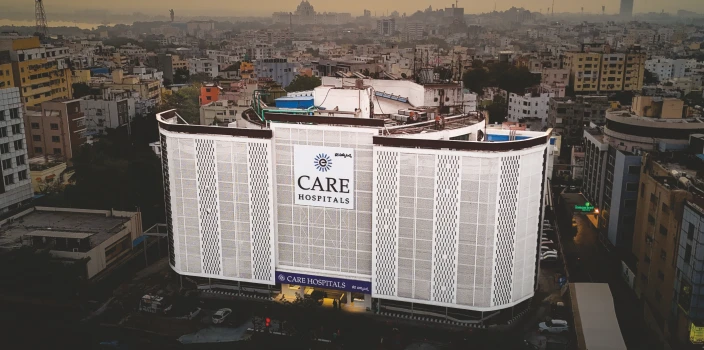
CARE Hospitals, Banjara Hills, Hyderabad
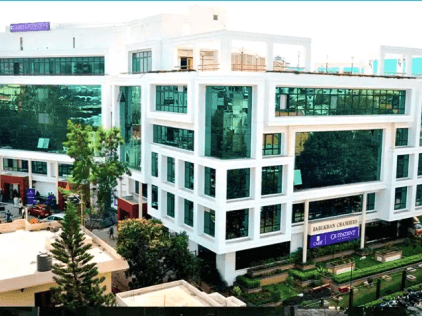
CARE Hospitals Outpatient Centre, Banjara Hills, Hyderabad

CARE Hospitals, HITEC City, Hyderabad
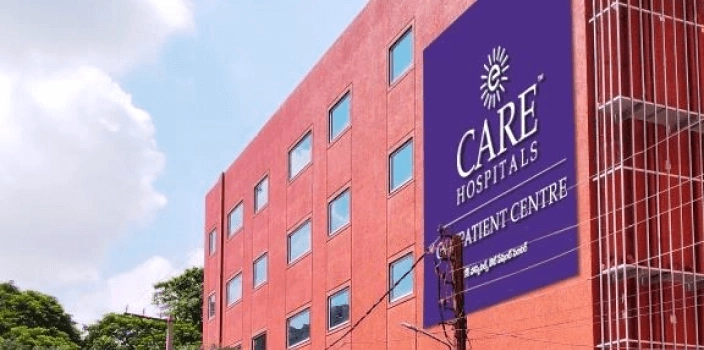
CARE Hospitals Outpatient Centre, HITEC City, Hyderabad
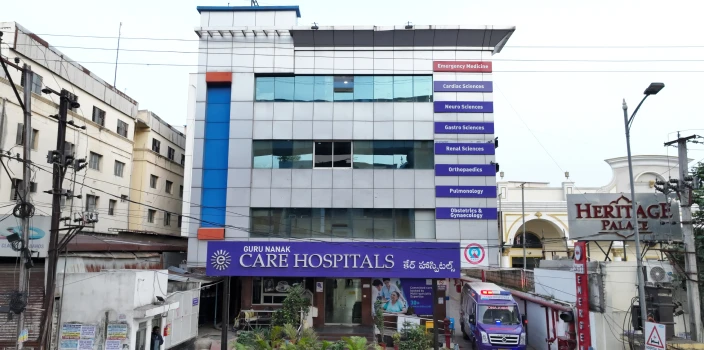
Gurunanak CARE Hospitals, Musheerabad, Hyderabad
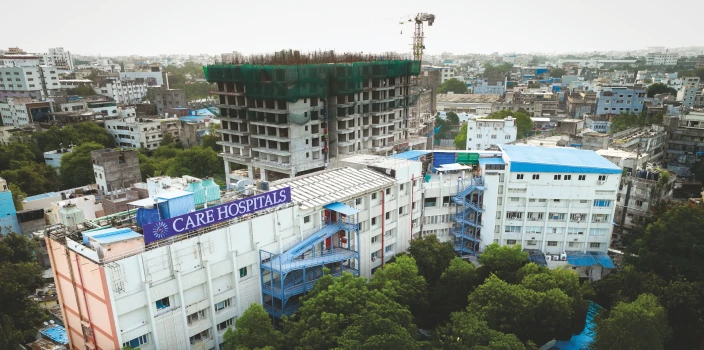
CARE Hospitals, Nampally, Hyderabad
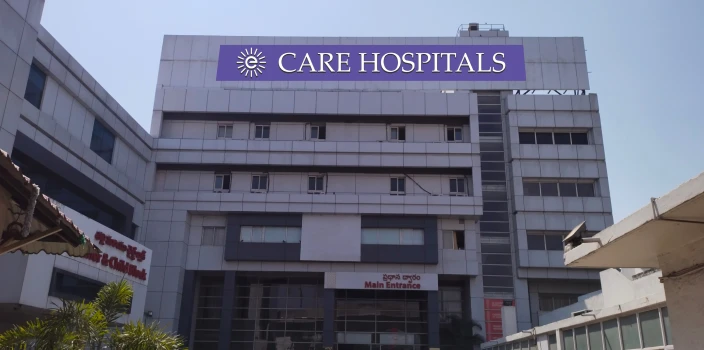
CARE Hospitals, Malakpet, Hyderabad

CARE Hospitals, Bhubaneswar
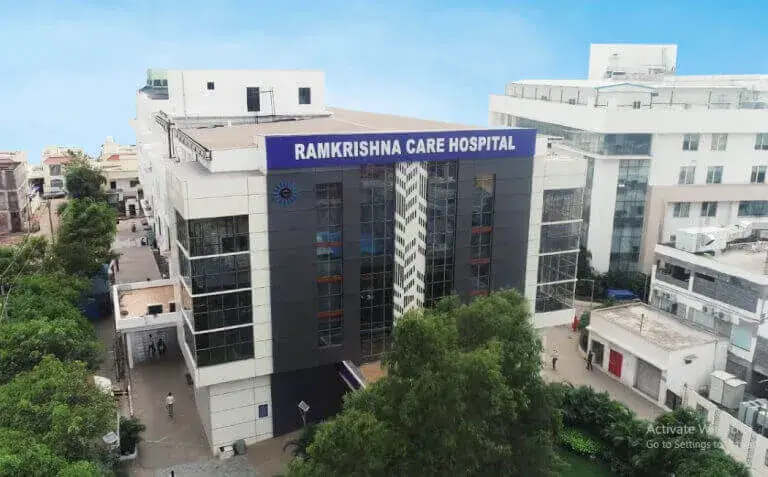
Ramkrishna CARE Hospitals, Raipur
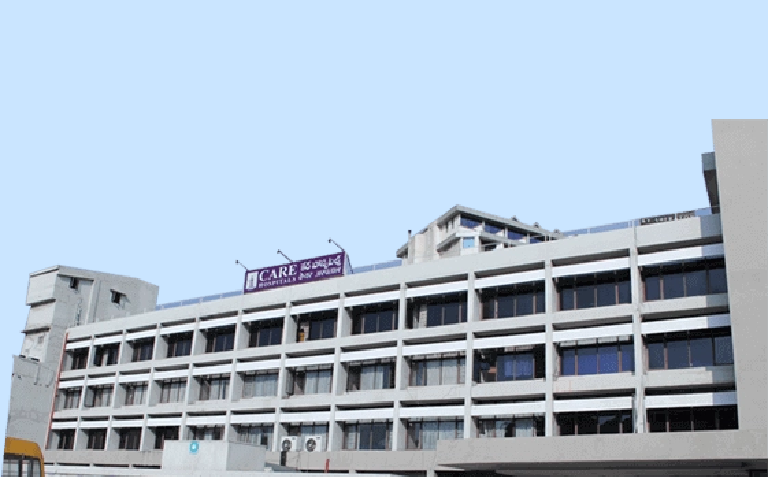
CARE Hospitals, Ramnagar, Visakhapatnam
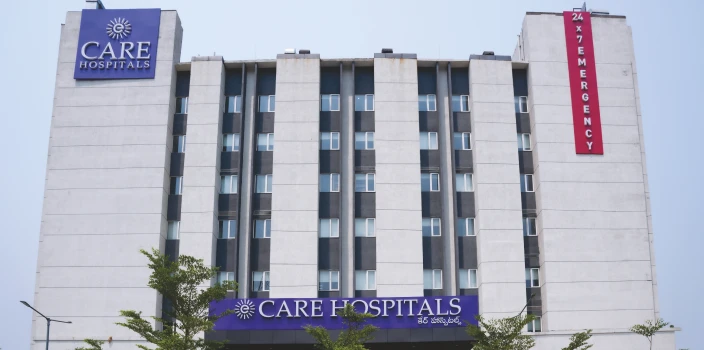
CARE Hospitals, Health City, Arilova
Frequently Asked Questions
Joint dislocation reduction surgery realigns bones that have shifted from their usual place in a joint. Doctors perform a closed reduction by moving the joint back without cutting into the skin. On the other hand open reduction means surgery is needed to treat injured tissues and return the joint to its proper position.
Doctors administer anaesthesia or sedation before starting so you won't feel pain during the procedure. After that doctors will give you a nerve block that provides relief for 18 to 72 hours. Pain diminishes almost right away once the joint returns to its proper position.
Closed reduction takes around 30 minutes. Surgical procedures require one to two hours depending on complexity. The time varies based on which joint needs treatment and whether soft tissue repairs are needed.
Common complications are:
- Nerve damage
- Blood vessel injury
- Re-dislocation
- Infection
Some patients experience reduction loss, especially when surgery occurs more than seven days after injury.
Recovery spans 12 to 16 weeks for most shoulder functionality, with complete healing taking up to 6 months. Smaller joints like fingers may heal within three weeks, whereas larger joints require several months.
Stop consuming food or beverages after midnight before your scheduled procedure. Your doctor may ask you to discontinue blood thinners or aspirin temporarily. Remove loose rugs that could cause falls from your living space, and locate button-front shirts for easier dressing afterwards.
Doctors carefully reposition the dislocated bone without incisions in close reduction. Open surgery becomes necessary when bone fractures accompany your dislocation & require metal plates for stabilisation. You will receive general anaesthesia or sedation for comfort. Most patients return home the same day.
Get help from family members or friends with household tasks during your initial recovery phase. Prepare meals beforehand and freeze them to eliminate cooking stress when movement feels challenging. Think about work arrangements, as physical jobs may require extended leave.
Your surgeon will schedule an appointment 10-14 days after the procedure to monitor healing progress. Physical therapy continues for three to six months following arthroscopic surgery. Regular monitoring ensures proper joint alignment and addresses complications immediately.
First-time dislocations often heal through closed reduction when soft tissues remain intact. The procedure repositions your joint manually within 30 minutes, and you will return home within an hour. Recurrent dislocations usually require surgical intervention for lasting stability.
Still Have a Question?