
-
Centre of Excellence
Specialties
Treatments and Procedures
 HyderabadCARE Hospitals, Banjara Hills CARE Outpatient Centre, Banjara Hills CARE Hospitals, HITEC City CARE Hospitals, Nampally Gurunanak CARE Hospitals, Musheerabad CARE Hospitals Outpatient Centre, HITEC City CARE Hospitals, Malakpet
 Raipur
 Bhubaneswar
 Visakhapatnam
 Nagpur
 Indore
 Chh. Sambhajinagar
 Clinics & Medical Centers


-

-

-

-

-

-
Follow Us

Best Hospital for Limb Lengthening Surgery in Hyderabad
- Advanced Technology
- Shorter Hospital Stay
- Pre & Post-Operative Care
- All Insurance Accepted

Chat With Our Experts
Get second opinion on Whatsapp
25 lakhs+
Happy Patients
Experienced and
skilled surgeons
17
Health Care Facilities
Top most Referral Centre
for Complex Surgeries
Advanced Limb Lengthening Surgery
Limb lengthening surgery is an orthopaedic technique built on distraction osteogenesis, a bone-formation principle first developed systematically by the surgeon Gavriil Ilizarov. In this surgery a surgeon performs a controlled cut through the bone, known as an osteotomy, and then separates the segments gradually rather than all at once, allowing the body to lay down new bone within the widening gap. This separation is driven either by a motorised internal nail or by an external frame anchored with pins through the skin, with distraction typically held at around one millimetre daily. The overall course, including both the active distraction phase and the later consolidation phase, commonly extends across several months as the technique corrects true limb length discrepancy as well as certain forms of disproportionate short stature.
Who Needs Limb Lengthening Surgery?
Several distinct clinical presentations lead orthopaedic surgeons to recommend limb lengthening, ranging from birth conditions to the after-effects of injury or disease. They are:
- Individuals born with congenital limb length discrepancy, where one limb develops noticeably shorter than the other, form one of the largest groups referred for assessment.
- Fractures that heal with shortening or malalignment, particularly where a growth plate has been disturbed in a child, often produce a discrepancy that widens with continued growth.
- Skeletal dysplasias such as achondroplasia leave limbs disproportionately short relative to the trunk, and lengthening is sometimes pursued to improve function and reach.
- Extensive bone loss following infection or tumour resection can leave a limb segment shortened, requiring reconstruction along with gradual lengthening to restore usable length.
- A smaller group of adults seek lengthening purely for cosmetic height increase, a request most hospitals treat as elective only after detailed counselling and risk assessment.
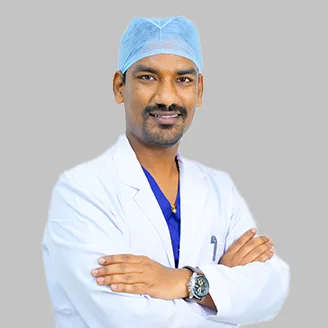
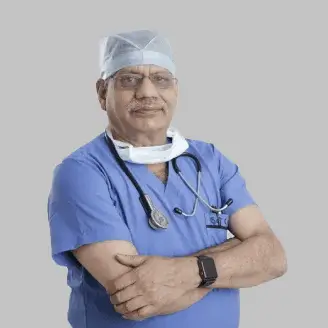
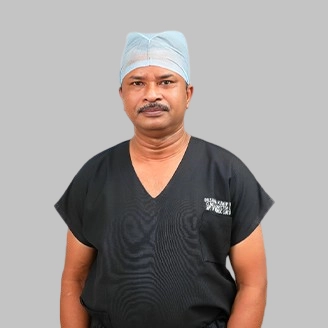
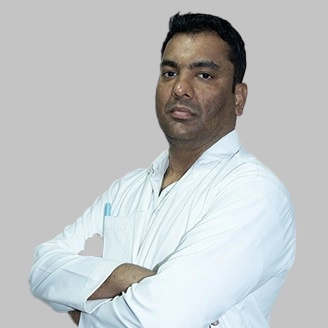
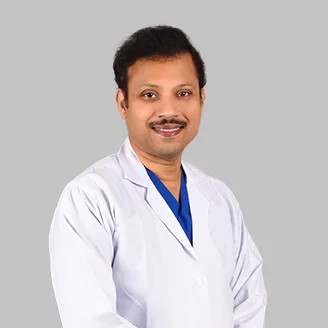
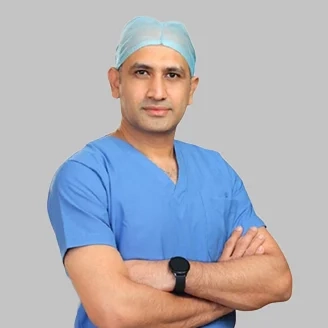
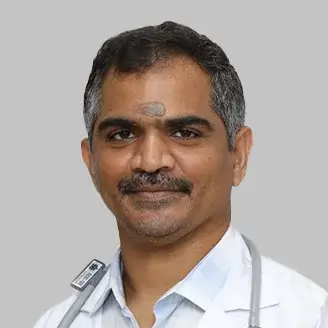
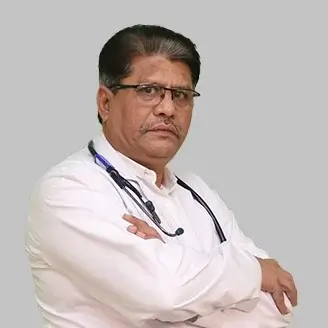
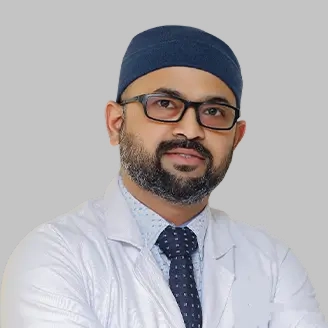
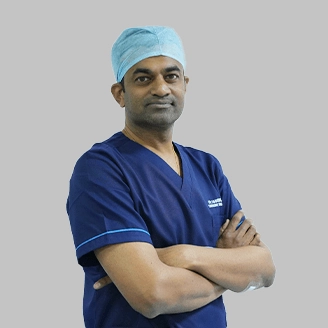
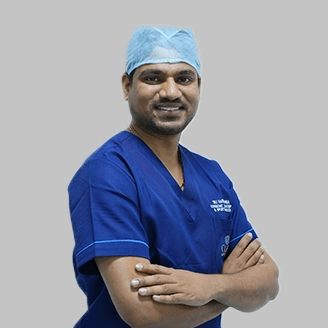
Best Limb Lengthening Surgery Doctors in India



























Types of Limb Lengthening Surgery
Surgeons choose among several established techniques, and the decision generally rests on the bone involved, the amount of lengthening needed, and the condition of the surrounding soft tissue.
- Intramedullary limb lengthening: A fully implantable, motorised intramedullary nail permits gradual, remotely controlled distraction from within the bone itself, avoiding the external pins associated with traditional frames.
- External fixator limb lengthening: The external fixator method (associated with Ilizarov's original circular frame design) secures the limb using wires or half-pins connected to an adjustable outer scaffold.
- Hybrid limb lengthening: Lengthening over nail pairs a temporary external frame used during distraction with an internal nail providing long-term support once the frame is removed.
- Guided limb lengthening: For children with growth remaining, guided growth surgery uses small implants across the growth plate to slow one side and correct discrepancy.
- Limb lengthening with deformity correction: Where a limb shows angulation or rotation along with shortening, combined reconstruction addresses all three problems within a single treatment plan.
How Does Limb Lengthening Surgery Work?
The biological process underpinning limb lengthening depends on stimulating the bone to regenerate tissue while under a carefully controlled mechanical stretch.
- An osteotomy divides the bone into two segments while preserving the surrounding blood supply and periosteum, as these tissues drive the regenerative response.
- Following a short latency period that allows early healing, the distraction phase begins advancing the gap by roughly one millimetre daily across several small increments.
- As the segments separate, a column of new bone called the regenerate forms within the gap (gradually mineralising from soft tissue into solid bone).
- Surgeons monitor the pace of distraction closely, since stretching too quickly produces poor-quality regeneration while stretching too slowly risks premature consolidation.
- Once imaging confirms the target length has been reached, the device stays in place through a consolidation phase that allows the regenerator to harden before removal.
Risks & Complications
Because limb lengthening unfolds over an extended period and involves living tissue under sustained mechanical stress, several recognised complications require ongoing monitoring.
- Pin site infection is among the most frequently reported complications with external fixation
- Nerve or blood vessel injury can arise during surgery or gradually as tissues stretch beyond their normal range during distraction.
- Muscles and tendons crossing the lengthened segment do not always stretch at the same rate as bone, which can cause joint stiffness if not managed with physiotherapy.
- In some cases, the regenerate consolidates more slowly than expected, delaying device removal and occasionally requiring bone grafting to encourage healing.
- Sometimes the segments drift out of alignment during distraction.
- Discomfort during active distraction is a common complication.
Limb Lengthening Surgery Procedure
Limb lengthening treatment follows a defined sequence, beginning well before surgery and extending through to the final removal of the lengthening device. A comprehensive pre-operative assessment, including full-length limb imaging, allows the surgical team to calculate the precise lengthening plan required. The procedure unfolds in stages, gradually increasing bone length while giving new bone the time it needs to form naturally. Procedure steps are:
- Anaesthesia induction: Under general or regional anaesthesia, the surgeon performs the osteotomy and secures either the internal nail or external frame
- Bone osteotomy: The surgeon makes a controlled cut in the affected bone to start the process
- Placement of lengthening device: An external fixator or internal lengthening nail is fitted to stabilise the bone through the stages ahead
- Healing phase: A short recovery interval follows surgery, during which early soft tissue healing at the cut site establishes before active lengthening begins
- Gradual lengthening: Patients or caregivers then adjust the lengthening device daily, following a schedule set by the surgeon and reviewed at clinic visits
- Rehabilitation: Physiotherapy continues in parallel with the whole process, helping to maintain joint movement, muscle strength and overall function
- Bone consolidation: After the target length is confirmed on imaging, a consolidation interval allows the new bone to mature before the device is removed
- Device removal: Once healing is complete the external fixator or internal nail is removed (if applicable).
How Much Can a Limb Be Lengthened?
The safe upper limit for a single lengthening course depends on the bone involved, the surrounding soft tissue, and the individual patient's age and general health.
- In the femur, a single treatment course commonly achieves five to eight centimetres, reflecting the generous soft tissue envelope surrounding the thigh.
- Because the tibia is covered by comparatively less soft tissue, its safe lengthening range in a single course tends to be somewhat smaller.
- Where a much larger discrepancy exists, surgeons often plan staged treatment across separate courses rather than one continuous distraction period.
- Soft tissue tolerance, especially of nerves and blood vessels crossing the segment, ultimately sets the ceiling on how far a bone can be stretched.
- Younger patients with healthy, well-vascularised bone generally tolerate greater total lengthening than older patients with compromised bone quality.
Benefits of Limb Lengthening Procedure
For patients with a clear clinical indication, successful lengthening can produce lasting improvements that extend well beyond the measurement of the limb itself.
- Correcting a significant discrepancy typically improves walking pattern and reduces compensatory strain on the hips and lower spine.
- As uneven limb length often forces an asymmetrical posture over years, addressing it can relieve chronic back and joint discomfort.
- Restoring alignment across the knee and ankle reduces long-term wear from carrying an uneven load through the limb.
- Patients treated for congenital or post-traumatic shortening frequently report improved mobility once treatment is complete.
- Beyond the physical outcome, many patients describe improved confidence once visible asymmetry has been resolved.
Why Choose CARE Hospitals for Limb Lengthening Surgery in Hyderabad?
CARE Hospitals brings together orthopaedic surgeons with focused experience in limb reconstruction and deformity correction. They are supported by a multidisciplinary team that reviews each case before treatment begins. Planning draws on detailed full length imaging, ensuring the technique selected (it can be an internal nail, an external frame or a combined approach) and matched to the patient's anatomy and goals.
Care extends beyond the operating theatre, with structured physiotherapy built into every stage of distraction and consolidation to preserve joint movement & strength. Regular imaging review allows the team to correct any deviation in bone alignment promptly, supporting a predictable path through to full consolidation and device removal.
Conclusion
Limb lengthening surgery remains a well-established and effective option for addressing significant limb length discrepancy alongside a number of specific skeletal conditions. Outcomes depend heavily on careful patient selection and a treatment plan tailored to individual anatomy from the outset. Given that the overall course extends across several months, sustained commitment to physiotherapy and follow-up play a central role in achieving a good result. Advances such as fully implantable motorised nails have reduced several complications associated with external frame methods used alone. A detailed discussion with a specialist, covering expectations and the likely timeline, helps patients decide whether lengthening is the right course of action.
Limb Lengthening Surgery Hospitals in India
-
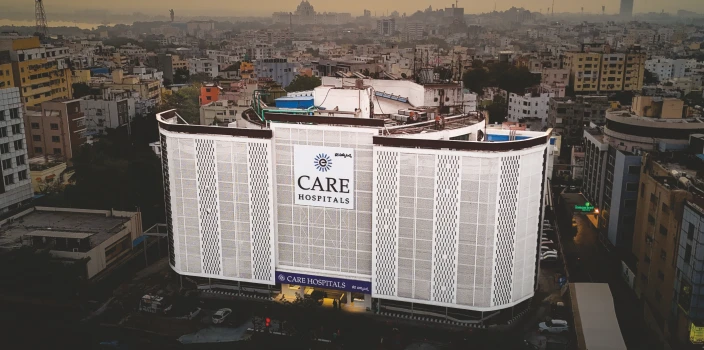
CARE Hospitals, Banjara Hills, Hyderabad
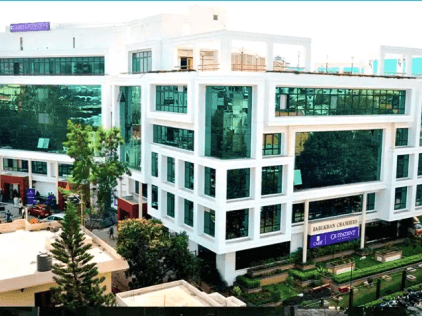
CARE Hospitals Outpatient Centre, Banjara Hills, Hyderabad

CARE Hospitals, HITEC City, Hyderabad
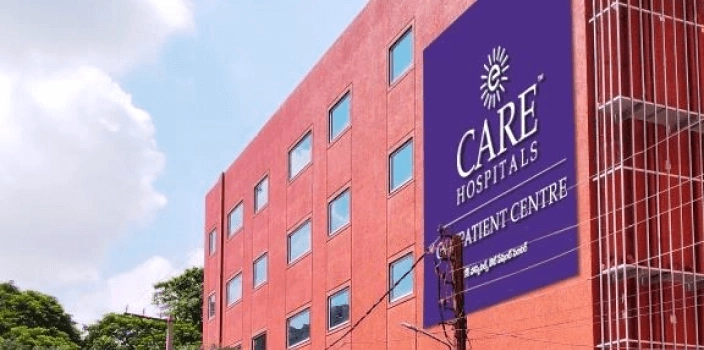
CARE Hospitals Outpatient Centre, HITEC City, Hyderabad
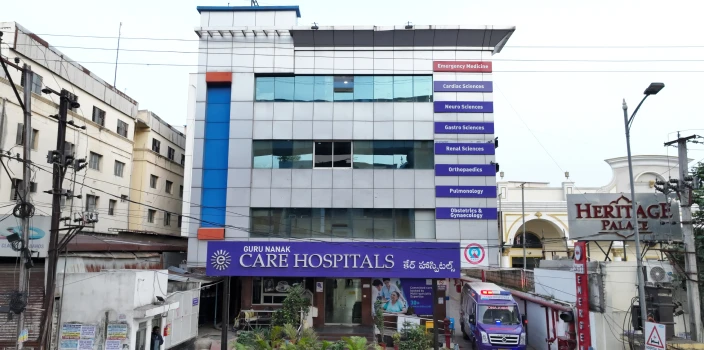
Gurunanak CARE Hospitals, Musheerabad, Hyderabad
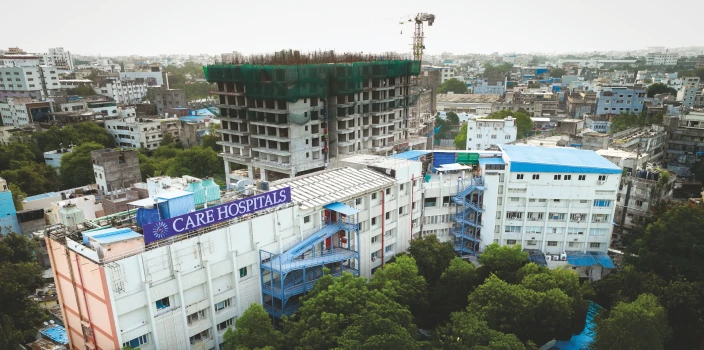
CARE Hospitals, Nampally, Hyderabad
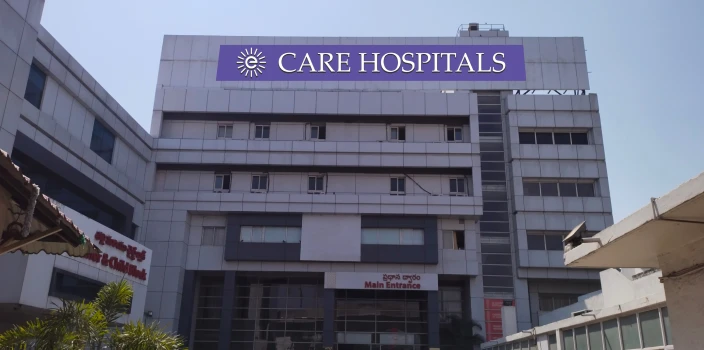
CARE Hospitals, Malakpet, Hyderabad
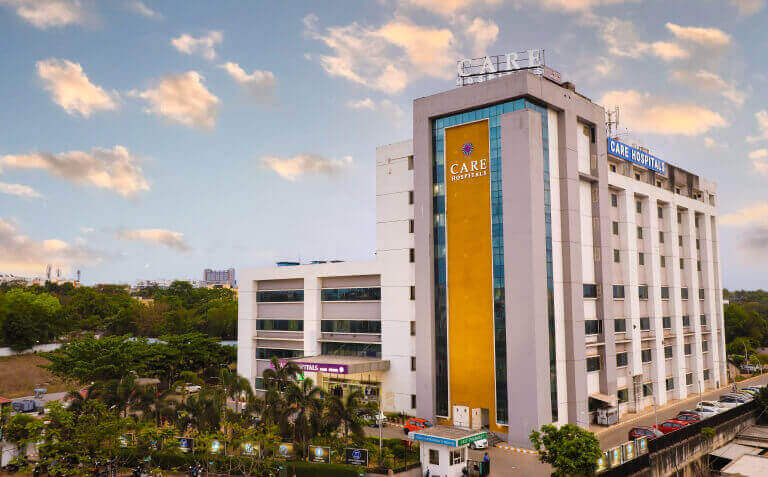
CARE Hospitals, Bhubaneswar
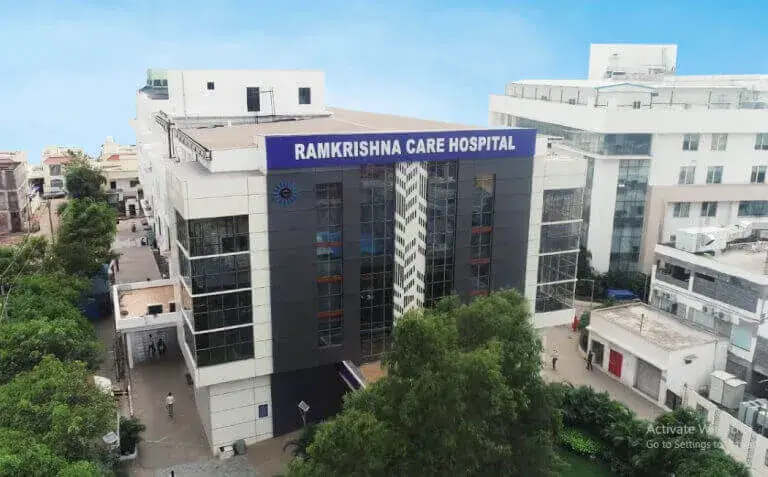
Ramkrishna CARE Hospitals, Raipur
CARE Hospitals, Ramnagar, Visakhapatnam
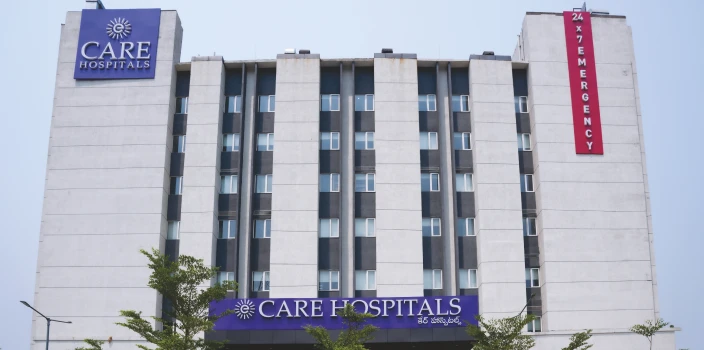
CARE Hospitals, Health City, Arilova
Frequently Asked Questions
It corrects limb length discrepancy and certain skeletal conditions and, in some elective cases, increases height at the patient's request.
The bone is surgically divided and then gradually distracted apart, allowing new bone tissue to form and fill the widening gap over time.
Most patients safely achieve five to eight centimetres per segment in a single course, depending on the bone and individual anatomy.
The initial surgery usually takes one to two hours. However, the complete lengthening and consolidation process spans several months.
Full recovery, including consolidation and rehabilitation, generally takes six months to a year depending on how much lengthening was required.
Some discomfort during the active distraction phase is expected, but it is generally well controlled through medication combined with structured physiotherapy support.
Since distraction typically proceeds at around one millimetre per day, the total length of this phase depends directly on the overall distance being corrected.
Return to work varies considerably by occupation, though most patients resume duties gradually over several months while continuing physiotherapy along with their recovery.
Look for an orthopaedic surgeon with dedicated fellowship training in limb reconstruction & a demonstrated track record managing complex deformity correction cases.
Still Have a Question?